

Water, Sanitation and Hygiene (WASH)
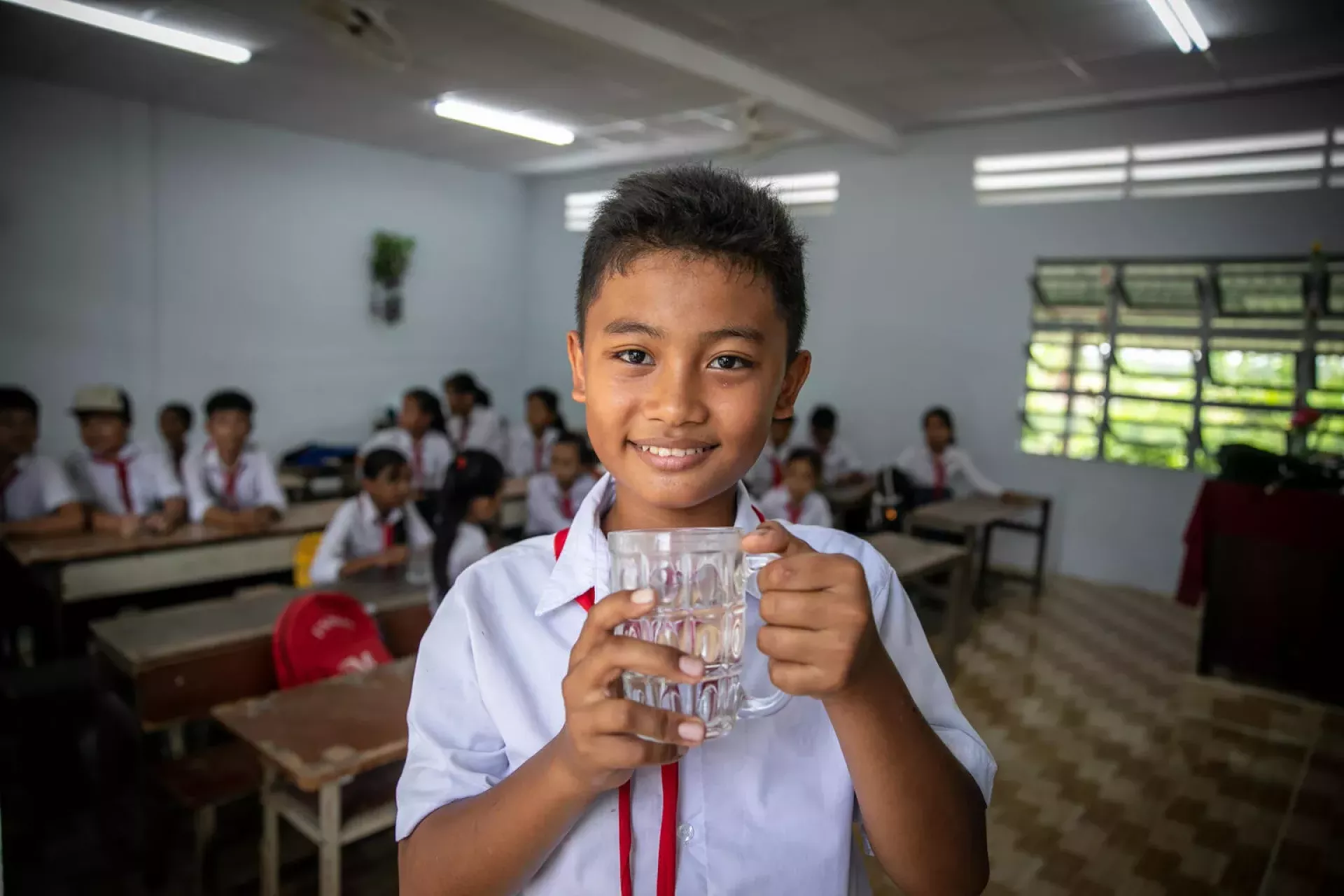
For every child, clean and safe water
- English
- Tiếng Việt
Challenges
Clean water, basic toilets and good hygiene practices are basic human rights and needs. They sustain life and keep us healthy.
In Viet Nam, many of those youngest and most vulnerable are deprived of all this. Despite rapid progress in water, sanitation and hygiene (WASH) services and support, millions of children remain at risk – especially in ethnic group populated and hard-to-reach areas.
This risk is stark. Deprivations in WASH remain leading causes of child death and illness, contribute to malnutrition and stunting, and act as barriers to education for girls and economic opportunities for the poor.
The numbers tell the story. More than seven million children still have no access to clean water and sanitation at schools and almost half of the population cannot tap on into safely managed drinking water. Nearly three million people still practice open defecation that contaminates water sources, while 16 million people are without hygienic latrines. Gaps remain in handwashing with soap, as more than 85 per cent of people not washing hands with soap at key moments.
This lack of access to clean water, along with poor sanitation and hygiene, contribute to high rates of diarrhea, pneumonia and parasitic infections as well as impact children’s health and development. These threats are set to intensify with more than 20 million people living in areas hit by water shortages as a result of climate change-driven drought and dry spells.
Girls also face a unique challenge. Many are unable to access hygiene services during puberty, with nearly 40 per cent of girls and parents in Viet Nam lacking accurate knowledge and skills to manage menstrual health. This knowledge gap and lack of availability of services in schools and communities can lead to shame and harassment that affects their education and mental health.
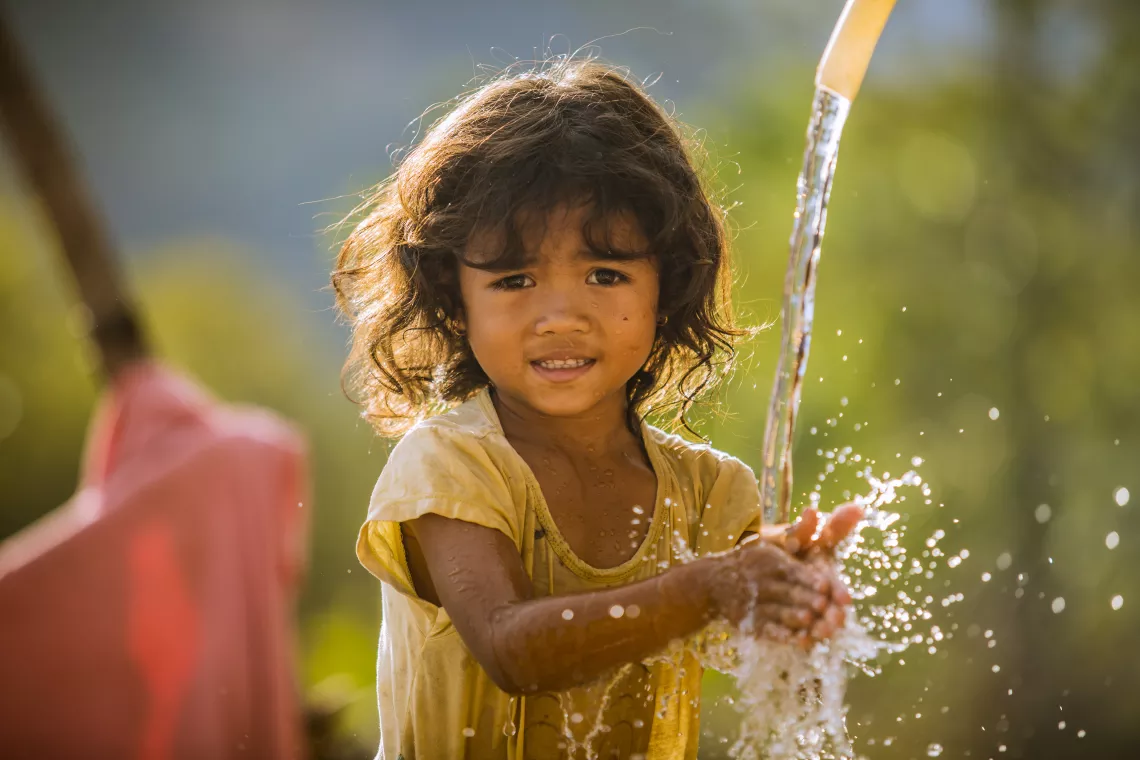
All children have the right to clean water and basic sanitation, as stated in the Convention on the Rights of a Child.
Solutions
Going the extra mile so all children, no matter their location or community, can meet basic WASH needs safely and with dignity requires inclusive, sustainable, gender-responsive and climate-resilient solutions.
To achieve this, UNICEF works with public and private partners to deliver WASH services and support where they are needed most – in children’s homes, schools, health facilities and communities. We advocate for climate-resilient, sustainable and inclusive delivery of WASH services to ensure no child is left behind amid Viet Nam’s evolution into a middle-income country.
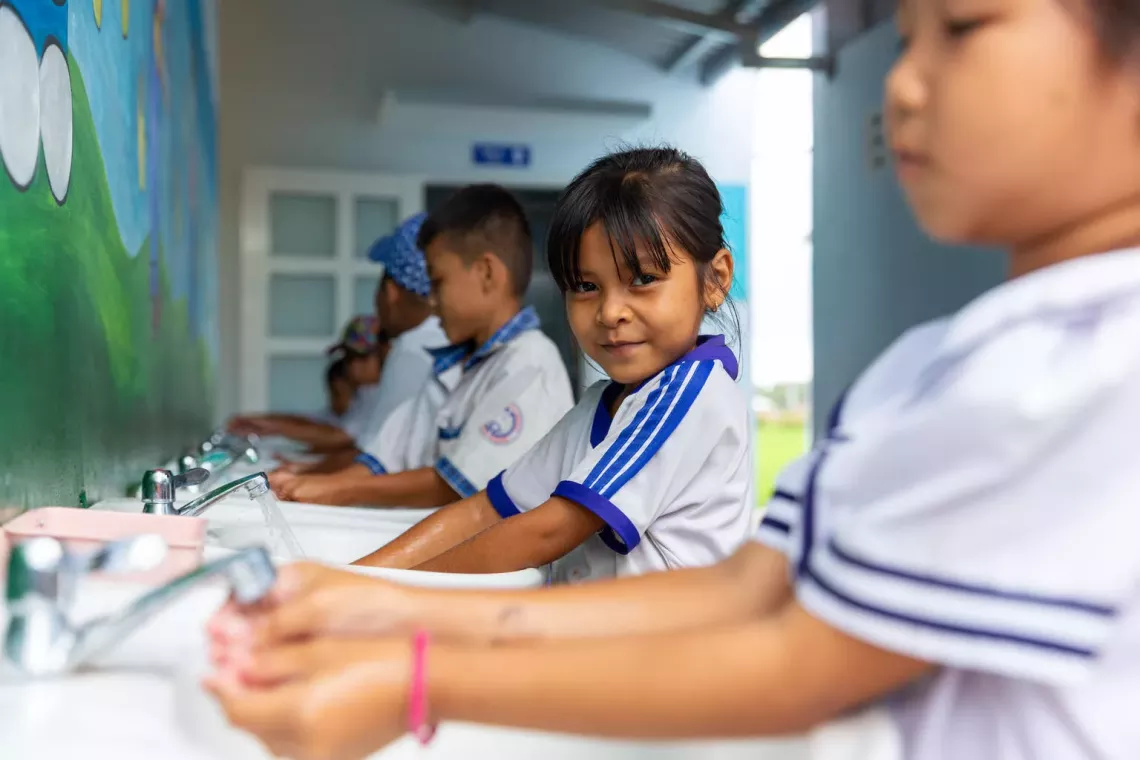
As part of the country’s critical shift to climate-resilient and low-emission WASH services, we promote use of low-cost net zero toilets, rainwater capture and solar power to be progressively rolled out to schools and communities, especially for underserved populations affected by natural disasters. To trigger changes in behaviour within communities for toilet use, seeking clean water and handwashing with soap, we are helping boost government and partners’ ability to trigger behaviour change among communities. This includes empowering girls to break taboos and stigma around menstruation and increase their access to information, and affordable and safe products.
"UNICEF works with public and private partners to deliver WASH services and support where they are needed most – in children’s homes, schools, health facilities and communities."
You can be the change for children!
Help UNICEF provide children and families with critical essential services for health and nutrition, education and protection.
Impacts
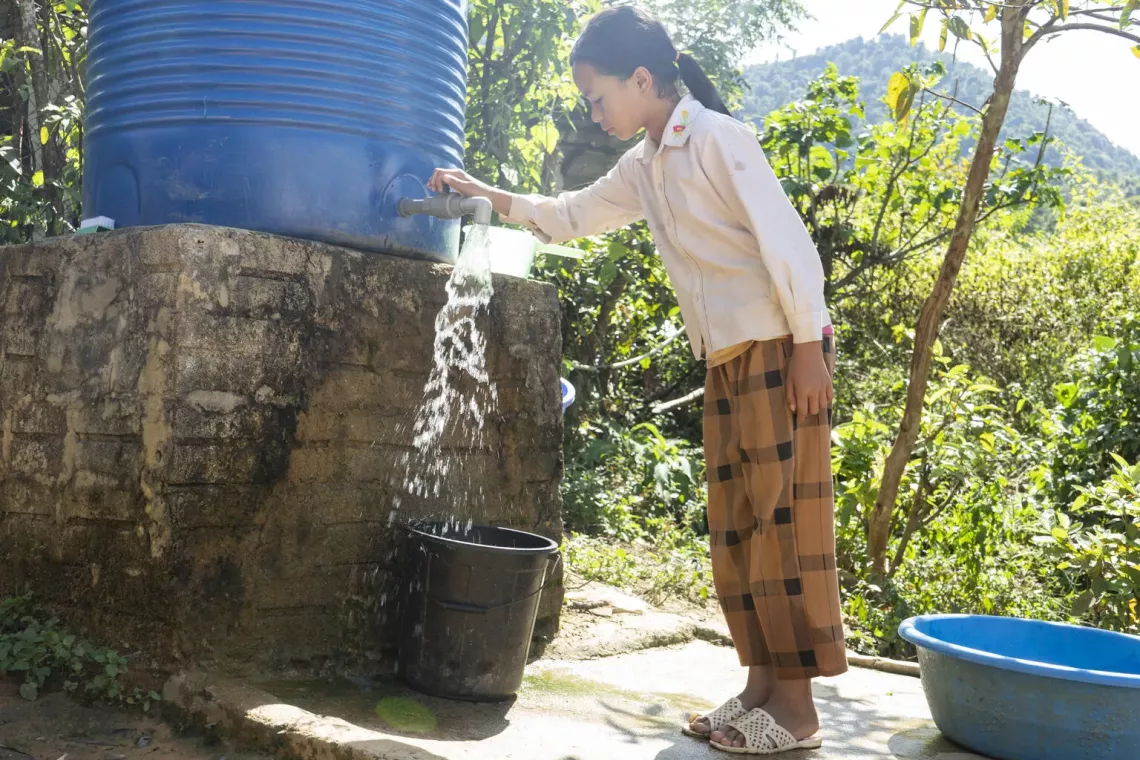
For children to grow up healthy and happy, UNICEF and partners by 2026 will have increased national capacity to deliver evidence-based, quality, inclusive, gender-responsive and climate-resilient WASH services in communities. This will translate into achievement of national goals, including 100,000 more girls and women to access quality WASH services and Viet Nam to become open defecation free by 2025.