

Emergency Response
Every child safe when climate disasters strike
- English
- Tiếng Việt
Challenges
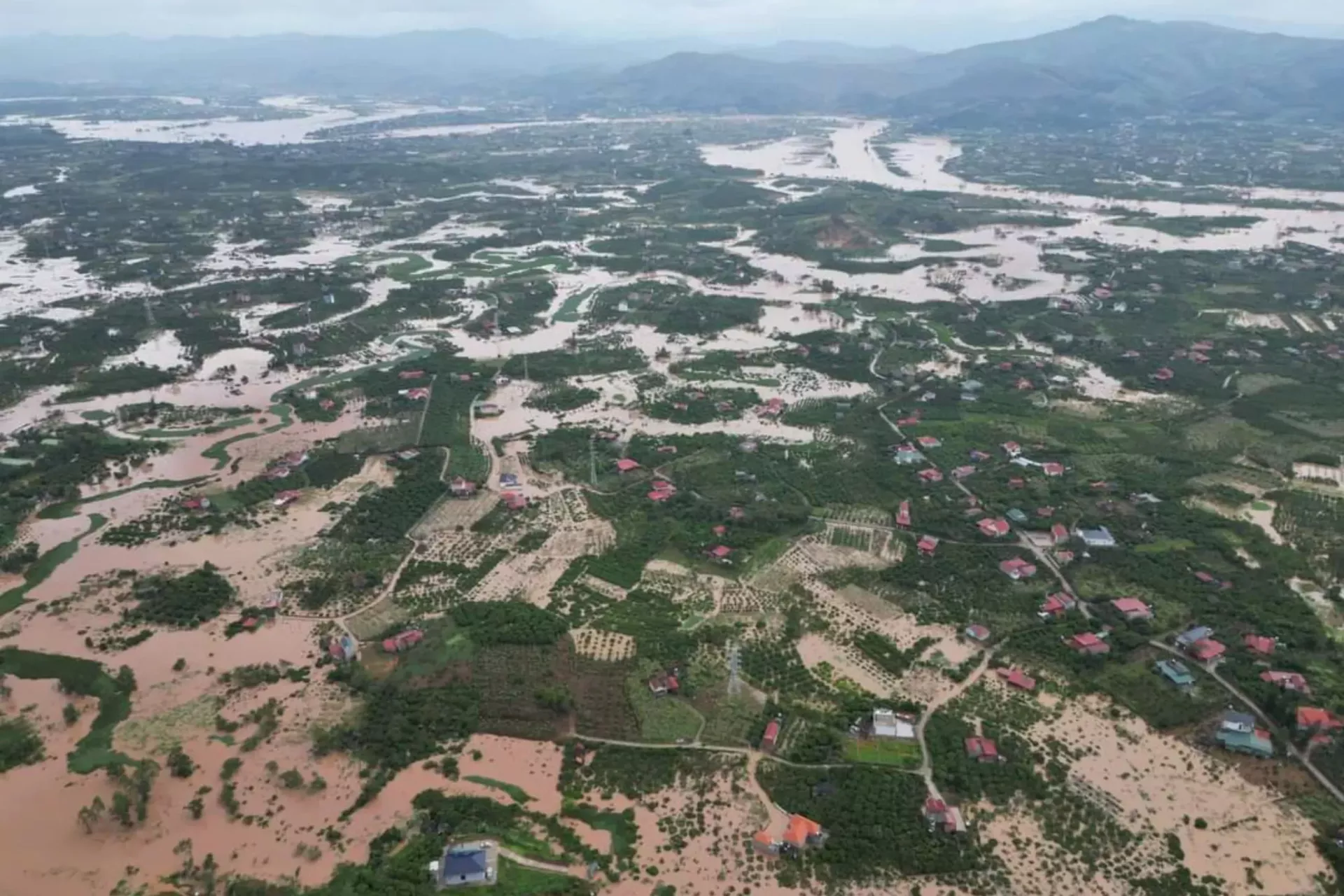
Viet Nam and its children are on the frontlines of the climate crisis. As the 13th most affected country by climate change globally in the past two decades, Viet Nam has been hit hard by increasingly severe and unpredictable weather events, such as multiple flood events that affected 2.5 million children in recent years.
This destructive combination of typhoons, storms, flooding, drought and saltwater intrusion leaves scarring that cuts across the country. These emergencies result in the loss of people’s lives, their livelihoods and displacement, while vital infrastructure such as schools and health centres are damaged and economic growth is hit.
These crises do not affect everyone equally.
Children and women are among the most vulnerable groups when disasters strike, with those in the poorest communities bearing the biggest burden.
In the aftermath of disasters, children get cut-off from schooling, nutrition, health care, safe water supplies and sanitation services. They may not have access to critical social protection and be exposed to violence, abuse and exploitation risks. Among all children, girls and those with disabilities are acutely at risk in emergency situations. Climate crises are forecast to intensify, with an expected average rise in temperatures by 1-2 degrees Celsius by 2050 set to trigger even more severe natural disasters.
In addition to weather-related risks, Viet Nam is vulnerable to other global threats with the COVID-19 pandemic highlighting the need for preparedness based on learnings from previous experiences and international best practices.
Solutions
UNICEF was founded in 1946 to provide life-saving support to children who need it most. We have responded to emergencies since then, delivering aid and support to an average of 200 crisis sites around the globe each year. UNICEF’s presence in more than 156 countries and territories, along with our emergency preparedness plans, allow us to be one of the first on the ground to put children at the centre of national emergency responses.
With children left exposed to risks when disasters hit, time is critical to deliver lifesaving relief, protect them from harm and ensure no disruption to essential services they need for their development.
No matter the crisis, no matter the location – each response is determined by the scale of the disaster and the specific needs of affected children and women. For health and nutrition, ready-to-use therapeutic food treats severe and moderate acute malnutrition, while safe drinking water helps keep deadly diseases like cholera and diarrhoea at bay. Hygiene is equally important, so UNICEF’s sanitation and hygiene humanitarian support includes dignity kits that provide personal safety and hygiene items for affected girls and women.
"No matter the crisis, no matter the location – each response is determined by the scale of the disaster and the specific needs of affected children and women."
UNICEF-designed education kits for emergencies ensure the continuation of learning. To address shocks, as well as exposure to violence, abuse or exploitation, frontline workers are trained and mobilized. Tying every response together, communication campaigns spread messages that promote life-saving and child protection practices among disaster-hit communities. UNICEF-piloted humanitarian cash transfers, including cash for anticipatory action and shock responses, offer a potential long-term sustainable long-term solution to replace the provision of goods. We also help strengthen child protection services, including case management, counselling, mental health and psychosocial support for children and women affected by emergencies.
You can be the change for children!
Help UNICEF provide children and families with critical essential services for health and nutrition, education and protection.
Impacts
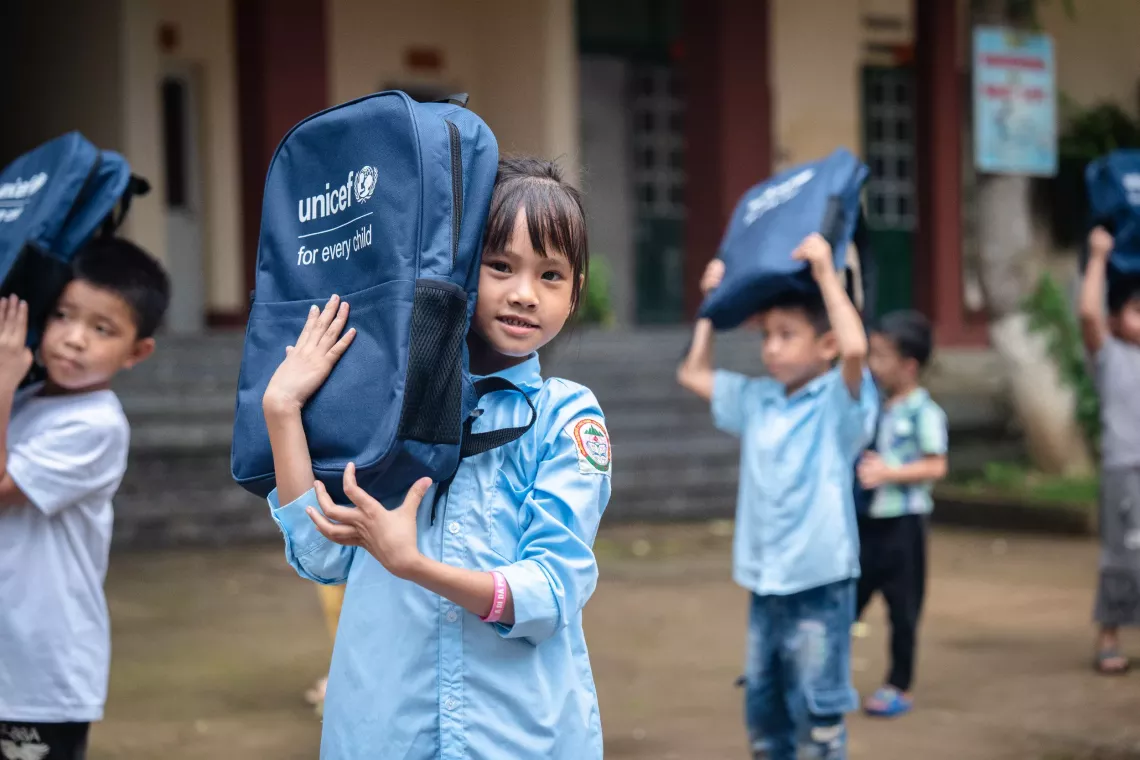
UNICEF’s mission during emergencies is to support national efforts that save children’s lives and deliver timely aid. In recent years, we’ve responded to multiple disasters across Viet Nam — from distributing 62 tonnes of therapeutic food during the 2020 floods to providing water purifiers in Bac Lieu, Ca Mau, and Soc Trang. Flood responses in Nghe An (2022) and Hue (2023) reached over 452,000 people, including nearly 170,000 children.
UNICEF’s response teams were on the ground just days after Typhoon Yagi struck in September 2024, working with the government and partners to deliver humanitarian assistance across 11 of the hardest-hit northern provinces. Our emergency response programme reached nearly 230,000 people.
But Yagi is not an isolated event. As climate disasters grow more frequent and intense, UNICEF is stepping up through our Climate Action programme to help protect vulnerable communities now and in the future.