Holding space for childhood
Emergency cash assistance helps restore safety and stability for children after destructive typhoons in Viet Nam
- English
- Tiếng Việt
“Mum. Hey mum!”
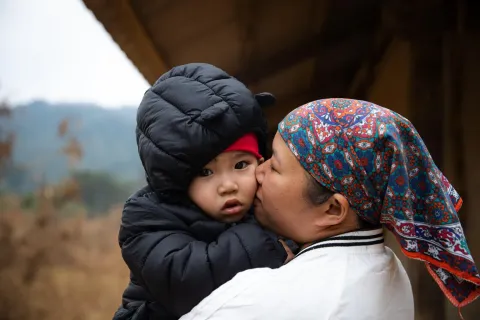
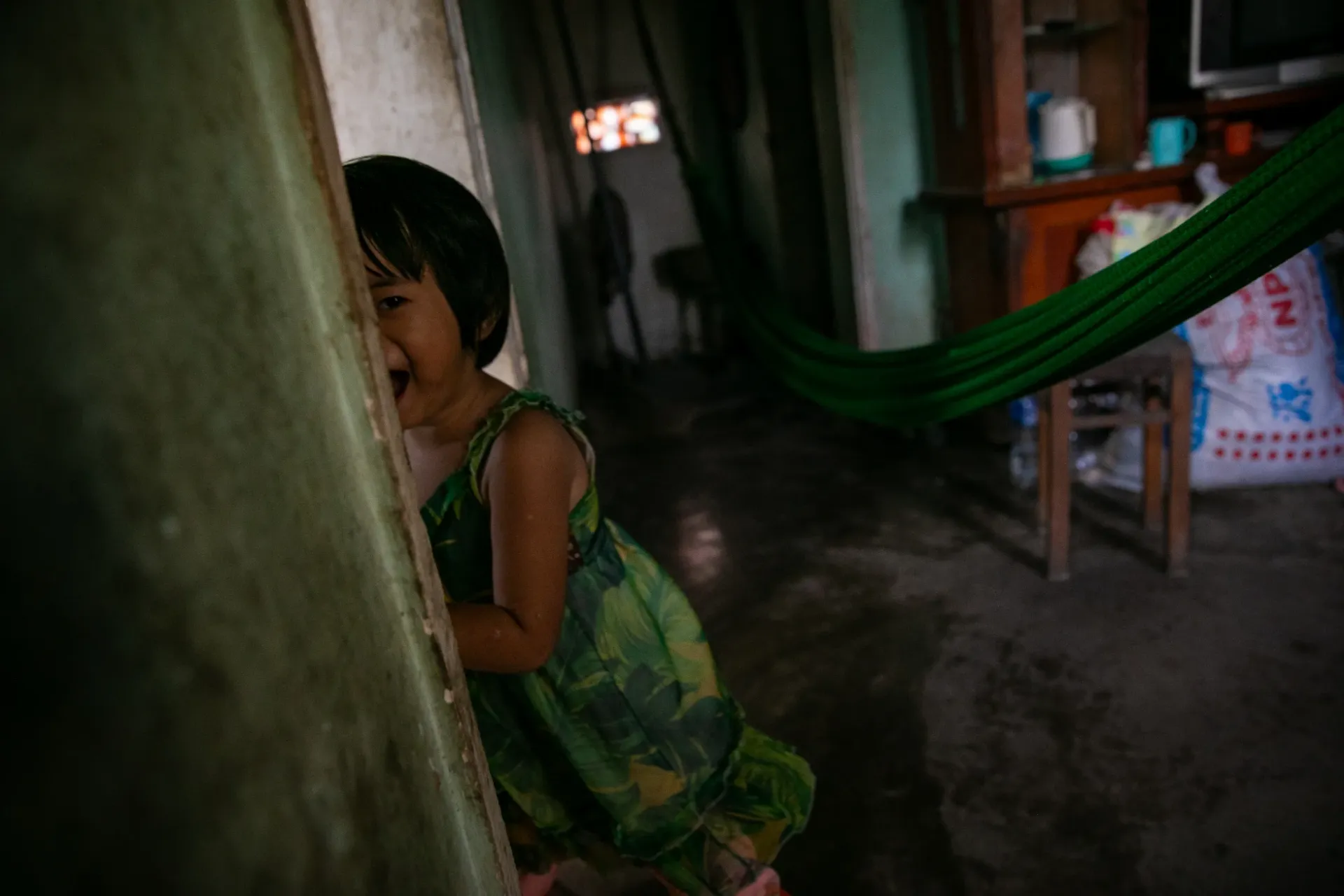
Ngân runs across the house towards her mother, Nghị, pointing excitedly at one of the family’s three dogs. The animal has done something that fascinates her.
Five minutes later, Ngân is back, this time clutching some chewy sesame candies. Half are already in her mouth; the rest she presses into the hands of her mother.
“See? That’s her,” Nghị says, watching Ngân with a smile. “She can’t stand still.”
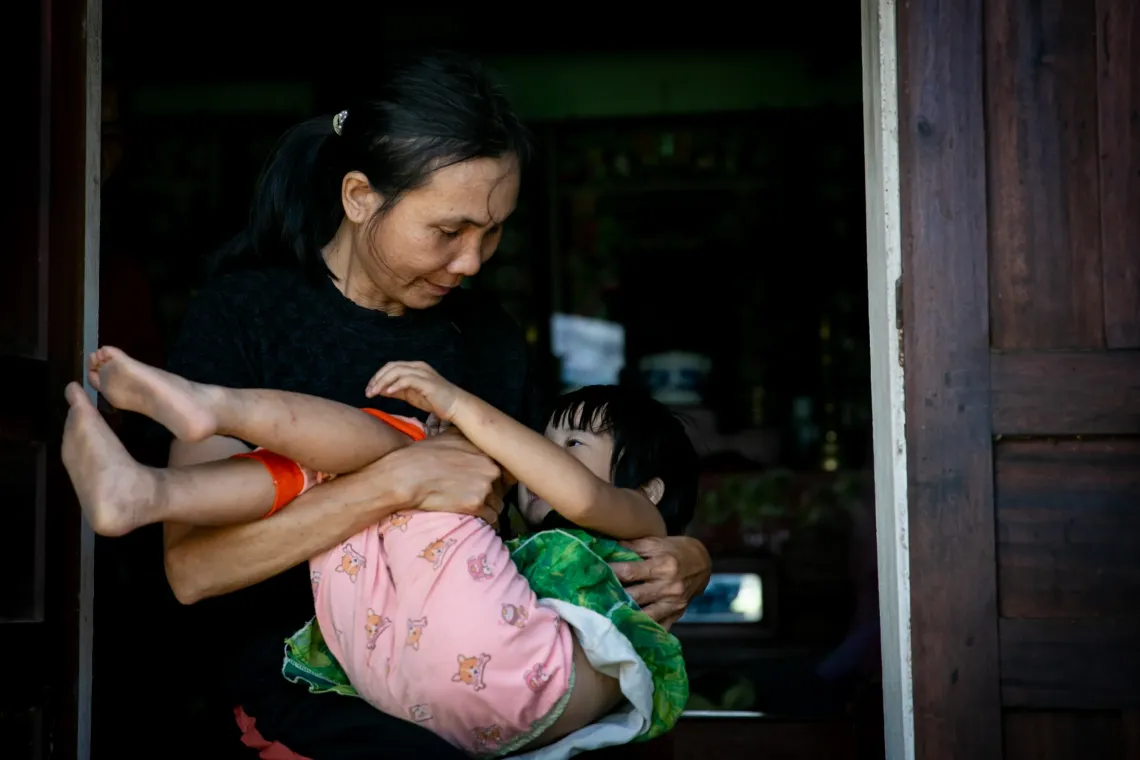
Mischievous and fun-loving as Ngân is, at just three years old, she has already been through two defining moments: surgery for a tongue-tie, and an evacuation in November 2025, when Typhoon Kalmaegi swept through her hometown in Tuy Phước Đông commune, Gia Lai province in Central Việt Nam.
Nghị still remembers that night clearly. “It has been a long while since I saw a storm that severe,” she recalls. “The wind was so fierce, it sounded like someone yelling.”
The family fled to a nearby neighbour’s home, where they were given dry clothes and shelter for the night. By morning, their home was barely recognizable. The roof was damaged, the garden destroyed, trees lay collapsed, and their few pigs and chickens were gone.
“I was lost for words. Sad, too,” Nghị says, her voice steady.
The disaster added to the weight Nghị was already carrying as the only breadwinner and caregiver, responsible for both her young daughter, Ngân, and her mother, who lives with dementia. Before the storm, the family relied on the small income from selling surplus vegetables and chicken eggs at the village market. But that work had already been on hold for eight months after Nghị dislocated her elbows in an accident. Just as she was beginning to recover, the typhoon took away what little means of earnings her family had left.
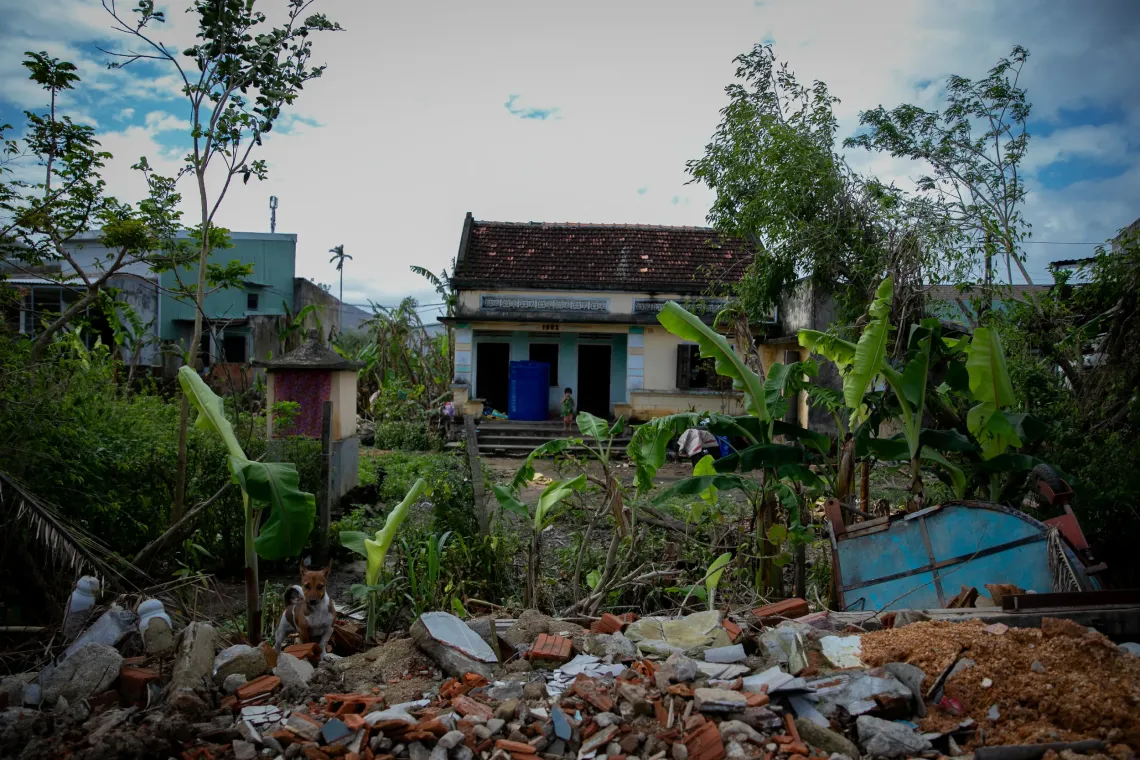
The experience of Nghị's family reflects a wider reality. Across the Central coastal region, the typhoon has deepened existing challenges. Homes were damaged or swept away, livestock lost, and roads cut off by landslides, leaving some communities temporarily isolated. The storm came after weeks of heavy rain and successive weather systems had already worn people down. For many, it was not a single disaster, but the cumulative impact of repeated shocks that erodes their ability to provide a safe, stable environment for their children.
While disasters affect entire households, children like Ngân are often among the hardest hit, facing disruptions to their nutrition, safety, and early learning at a critical stage of development.
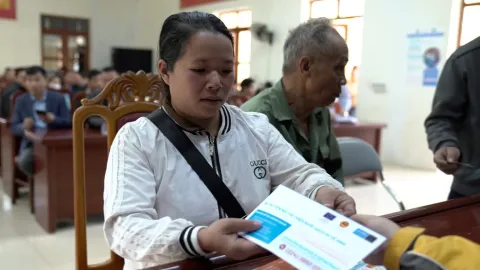
In response, with support from UK Aid, UNICEF has worked with Vietnam Post and local authorities to provide unconditional, multipurpose cash transfers to affected families like Nghị's in Gia Lai province. By early December 2025, 1,523 households, representing 7,435 people across the hardest hit communes, have received support to meet their most immediate needs right after the typhoon, helping them protect essential spending on food, shelter, and care for their children.
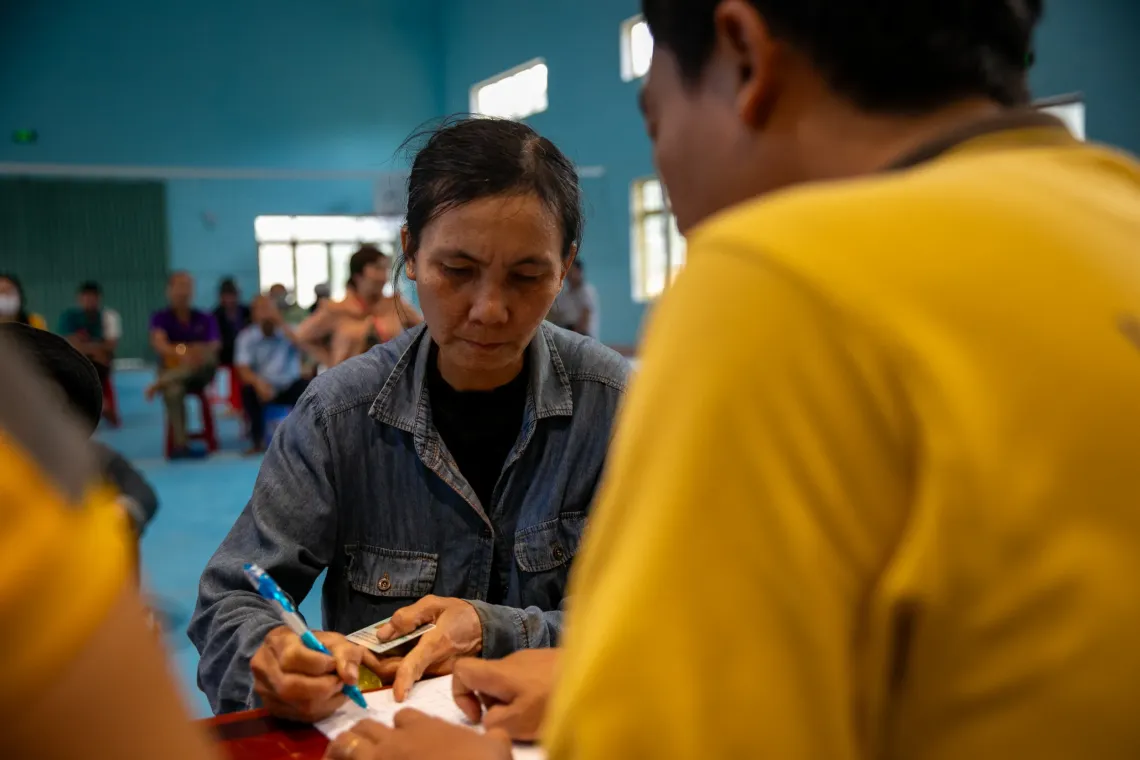
Cash assistance allows caregivers the flexibility to decide how best to use the money to recover while helping revive local markets.
Nghị's priority is her family’s safety, then their livelihood. “I will repair the roof and replace some damaged household items. With the remaining amount, I will try to buy a pig or some chickens to have income again,” she says.
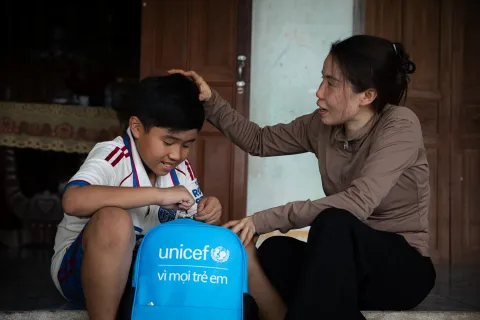
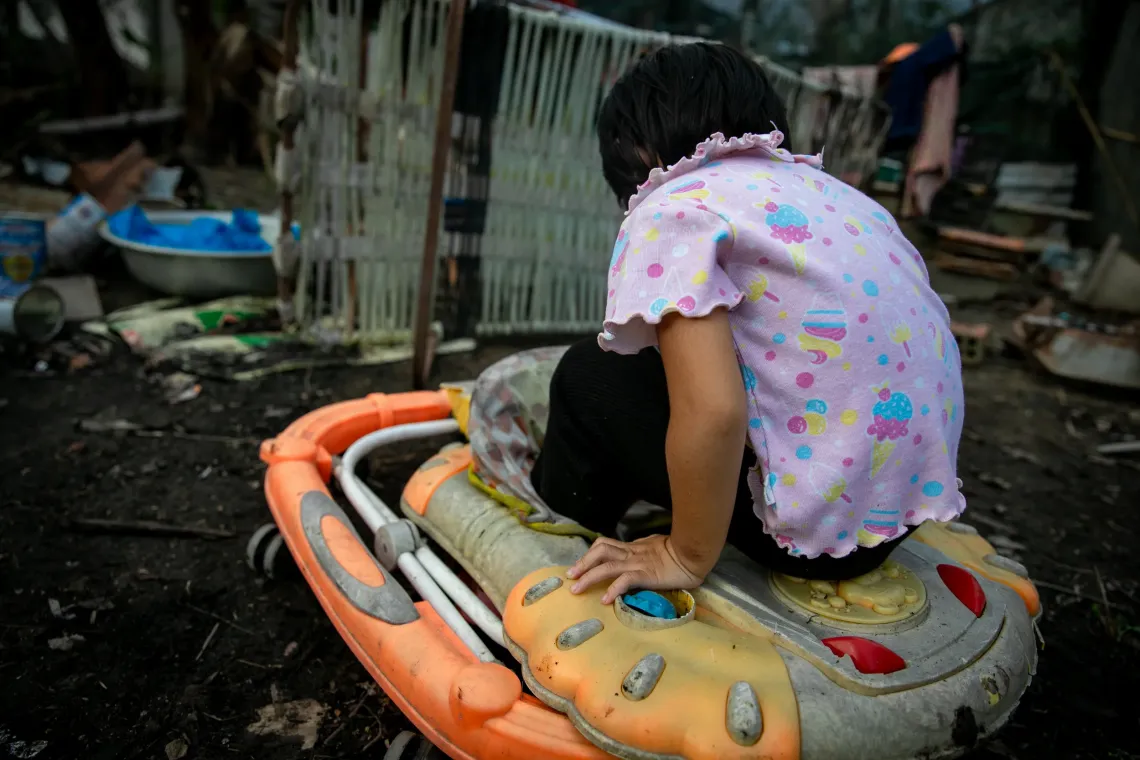
For Ngân, it means returning to the small, everyday rhythms of childhood: moving freely around her home, eating regular meals, and having a familiar routine.
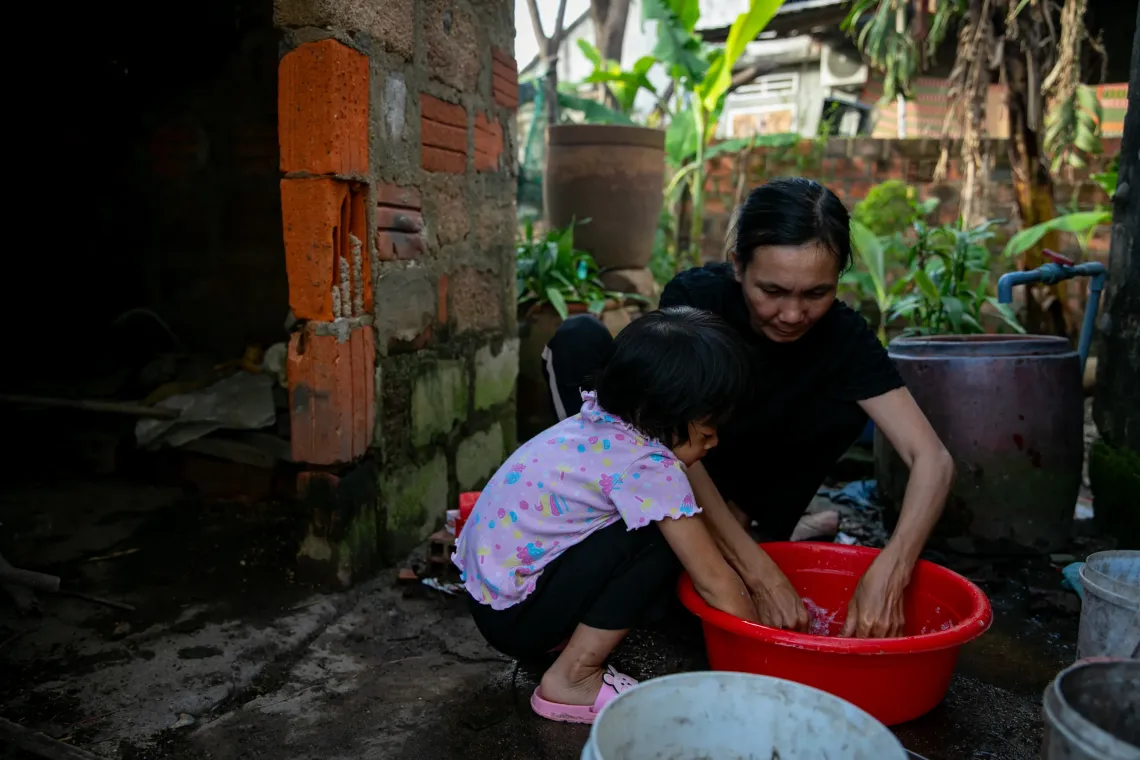
The road to recovery is still long, but the cash assistance, along with the support from her community, has brought some relief.
Looking ahead, Nghị hopes her daughter will soon catch up. “Ngân hasn’t been able to speak as much as other children her age. Hopefully things will improve so she can go to school.”
Beyond immediate response, UNICEF continues working with partners, local authorities and communities to support families as they recover from disasters and prepare for future climate shocks.
At the same time, ongoing efforts focus on strengthening social protection and making essential services, such as clean water and schools, become more resilient, so they can continue serving children when disasters strike. As climate risks grow, sustained support will be critical to ensure children like Ngân are not left behind.