Children of labor migrants during COVID-19
The story of Anora

(Name changed to protect identity)
Lockdown measures imposed by many countries in response to the outbreak of the COVID-19 pandemic in spring 2020 have deprived many Uzbeks of jobs abroad. Almost half a million labor migrants from Uzbekistan returned to their homeland and some were stuck at the border with their spouses and children without adequate financial means.
The economic crisis has affected national healthcare systems, public sectors, business activity, , international trade, and investments both at an individual and economic level all over the world and made a great impact on every aspect of children’s lives.
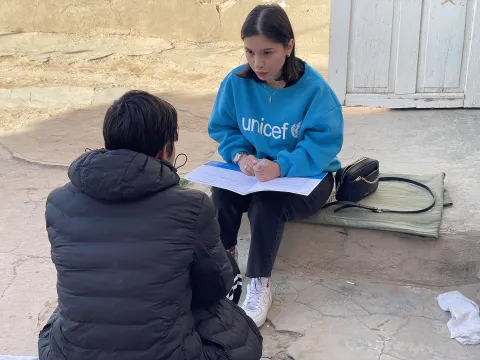
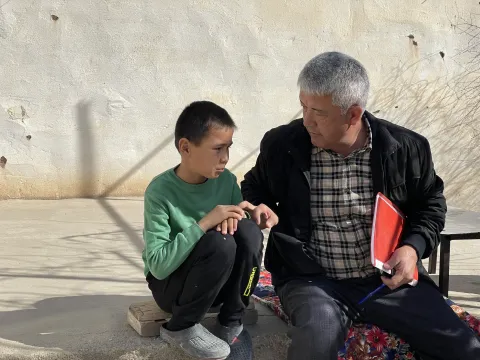
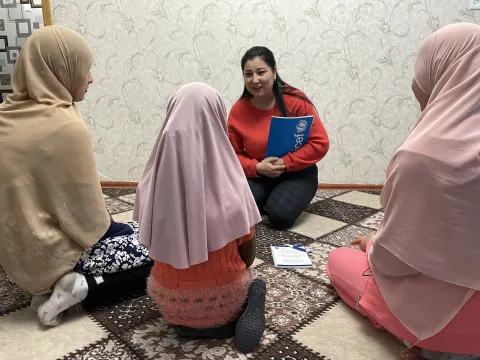
To learn about this issue, UNICEF and the Commissioner of Uzbekistan for Children’s Rights initiated a study “Child Rights Impact Assessment of COVID-19 on children affected by migration in Uzbekistan”. During the assessment, a group of children left without parental care have taken part and shared their stories. One of them is a 17-year-old girl Anora.
«My mom left to work in Russia two years ago and my father has another family. We do not talk anymore. I live with my grandparents, two uncles, an aunt, and their children. My mom stopped sending money during the pandemic, and we got in huge debt since we had to borrow food from the store”, said Anora.
Most children pointed out that during the pandemic they received less or no remittances from migrant parents due to the introduction of restrictive measures at the destination of parent's work and unemployment.
The pandemic also impacted the family relationship. For some children, the lockdown strengthened their relationship with caregivers, since they got to spend more time together. But for some children like Anora, living with caregivers during the lockdown caused difficulties and even lead to domestic violence.
“My siblings and I are very lonely in this house. We are not getting the love that our cousins are getting from their parents. I am replacing my mother to my siblings, taking care of them and my cousins, doing the housework and other things. If I refuse to do something, I get punished. My uncle often drinks and gets very abusive towards me. He broke my head once and now I often faint”, cries Anora.
There are many children with such a fate. Violence against women and children occurs in a variety of forms and settings in every country in the world, including Uzbekistan. There is global evidence that COVID-19 related restriction measures have contributed to an increase in incidences of domestic violence. Left behind children by migrant parents in Uzbekistan also reported.
“I was asleep when tap water came, my uncle asked me to bring water, and he hit me on the head with an iron bucket, my grandmother saved me…”, Anora whispered.
Labor migration breaks family ties, causing suffering to both parents and children. Children can experience psychological stress and behavioral changes, face early adulting, withdraw into themselves, experience difficulties communicating with adults and peers, and even violence.
Anora became an adult in her teens. Instead of enjoying her childhood, she had to take on the role of a mother. Her story shows how children need love and care from their parents throughout their childhoods since at this time their personalities and attitudes to the world around them are formed.
Social workers offered support to Anora with admission to a university. The local governor's office gave Anora a new sewing machine and enrolled her in a sewing course. The makhalla helped the family with food, and also provided a child allowance for the siblings of Anora.
Upon the completion of the study, governments were advised to adapt critical prevention and response services to protect children from violence, strengthen child helplines, and make positive parenting resources available in times of crisis, such as a pandemic. The recommendations also address Ministry of Makhalla and Family Support and Ombudsperson for Children’s Rights to partner on establishing a toll-free 24h child helpline for reporting cases of violence against children.
This story was written within the project “Protection of children affected by migration in Southeast, South and Central Asia”, funded by the European Union and UNICEF.