

Breastfeeding isn’t a one woman job
Eleonora Sadirova, Communication for Development Officer, UNICEF Uzbekistan
When I decided to return to work, my daughter was less than five months old.
It took me some time to think over how I would manage the work as a mother, whether I would be able to get enough sleep, whether I would be able to ask for leave as often as necessary, and most importantly – how I would feed a child who is still exclusively breastfed; but still, I decided to give it a try.
With Latifa being a long-awaited child, I did not allow a thought of stopping breastfeeding and turning to the formula. I knew a lot about the benefits of breast milk for the child's health and development. I was preparing to become a mother with the full and unconditional belief that I will breastfeed my baby for as long as I could.
The first two weeks at work were difficult to adapt. I woke up early in the morning to express milk so that it would last until I return. I came home during lunch, fed my daughter and again expressed milk for the next few hours of my absence.
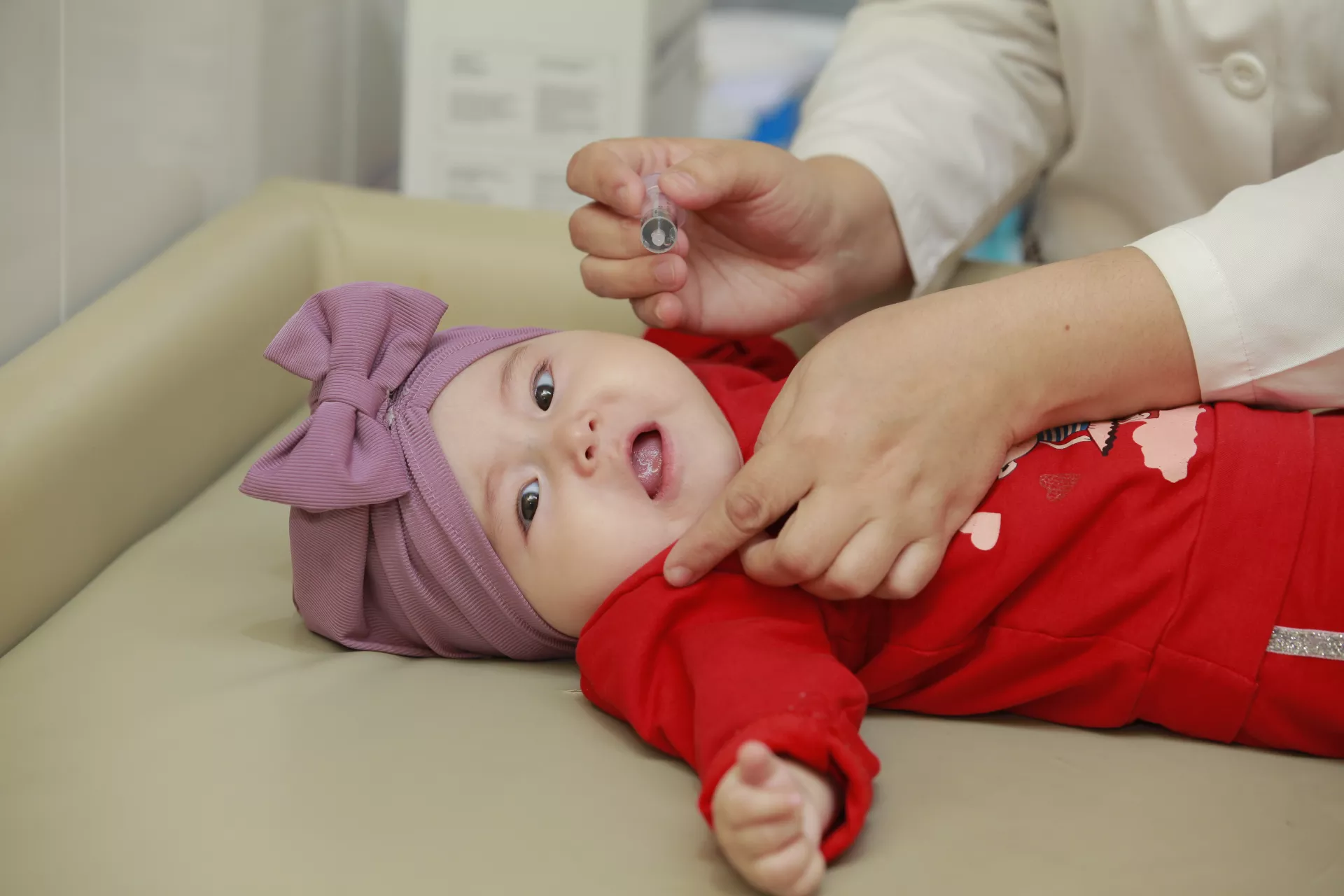
Breastfeeding was useful and convenient. For example, at night when my daughter was waking up, I did not need to cook anything. It also helped to calm her down quickly after health examination or vaccination. After the age of six months, we started supplementary feeding.
Only the supportive environment that my organization provided, as well as the support of my relatives, allowed me to combine my work and breastfeeding.
Now, Latifa is a year and 8 months old. My daughter is developing well, has ordinary food, and I continue breastfeeding her. Breastfeeding helps me in communicating with the child, helps to feel her mood, and connects us emotionally.

I know that many women during pregnancy, just like me, are preparing and planning to breastfeed their child. They do not suspect that sometimes "simple breastfeeding" is not that simple at all. At times, from the moment of birth of your child, they will say that your milk is not fat enough, that the child should be given the formula because it helps the child to gain weight faster, and that it is not necessary to feed the child all the time or otherwise the child will become dependent and "stick” to you, and that you have to choose either work or the child, and they will give you so many other "useful tips".
I really wish all nursing mothers received more support from relatives and friends but also the public at large. Relatives can help in the household so that the mother can devote more time to her child. Employers can provide flexible work hours for nursing mothers, thereby contributing to the health and happiness of babies. After all, the happier and healthier our children are, the healthier and happier is our future.


