Zaporizhzhia schoolchildren learn with the All-Ukrainian Online School platform
In Zaporizhzhia, children are continuing to learn in very different ways. Some study in underground schools, where lessons can continue even during air alerts. Others catch up on missed topics online — at home, from another city, or while displaced.
- Українська
- English
At the underground school Sichovyi Collegium, learning has not stopped. After the start of the full-scale war, some pupils and teachers moved here so that children could continue studying in a safer space.
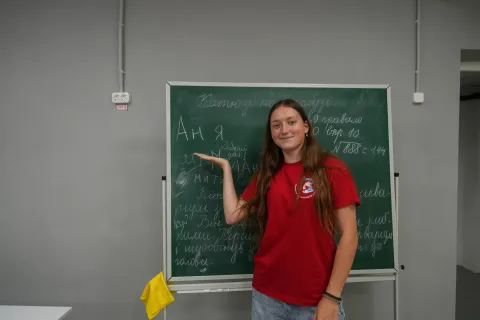
Computer science teacher Iryna remembers how quickly schools had to adapt. First came the COVID-19 pandemic, then the full-scale war. Within days, teachers had to move lessons online, find new ways to explain material and, most importantly, keep children engaged.
After 2022, this became even more difficult. Some children moved abroad or to other parts of Ukraine. Others missed long periods of school because of displacement, air alerts, illness or unstable internet. For subjects that require practice, such as computer science, this created particular challenges.
“I had to constantly adapt tasks for phones, tablets and different technical capacities,” says Iryna.
Today, All-Ukrainian School Online is one of the school’s main tools for blended learning. The platform offers digital materials in 23 subjects for pupils in grades 1–11, as well as practical tools for teachers. It is especially helpful for children who are abroad and continue their Ukrainian education externally.
Iryna uses the platform every day — during in-person lessons, and when children have to stay at home because of the security situation or illness.
“There are excellent videos, ready-made practical tasks and tests where pupils can check their knowledge,” she says. “If a child misses a lesson because of an air alert or is unwell, they can watch the video and study the material. The platform also gives teachers ready-made content they can use in both in-person and remote lessons.”
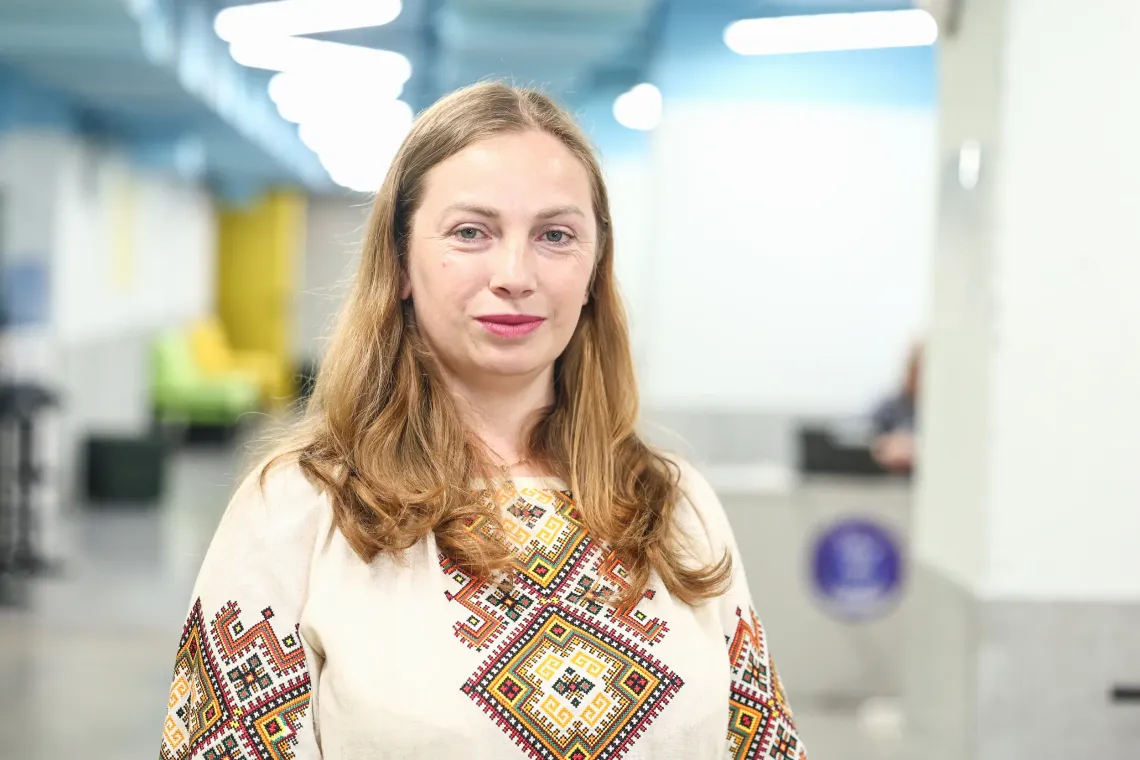
Iryna is also part of an expert working group that reviews digital learning materials on different education platforms, including All-Ukrainian School Online. Together with other teachers, she discusses what should be improved, which tools are most useful, and what schools really need in their daily work.
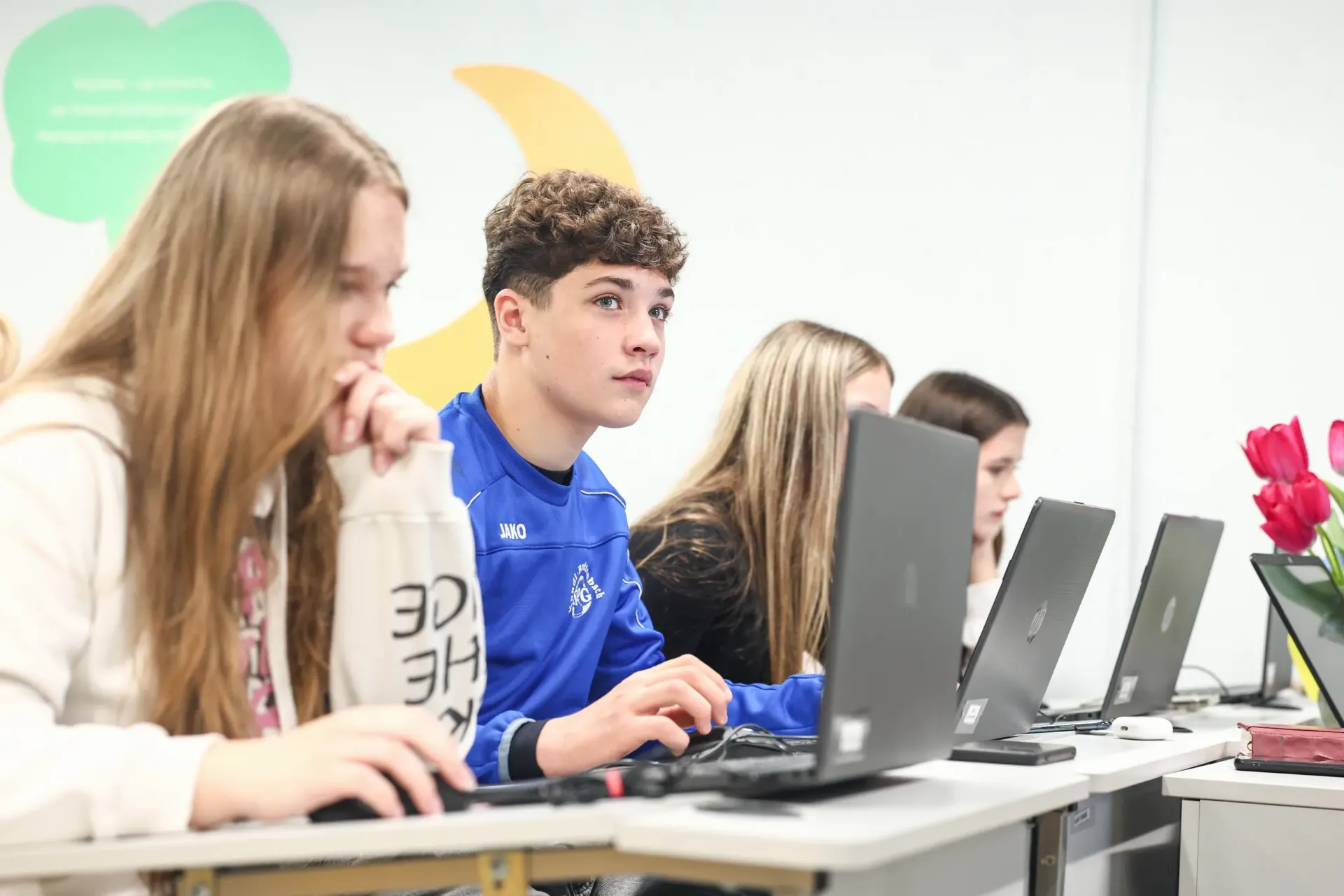
Children from Sichovyi Collegium are also helping to test the platform. Older pupils review digital materials using clear criteria — checking whether the content is understandable, interesting and easy to use. Their feedback is collected by teachers and shared with the platform developers.


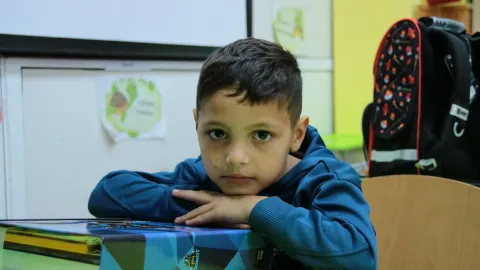
Eighth-grader Daria remembers the first years of the full-scale war clearly. She was still in primary school and spent almost two and a half years learning remotely.
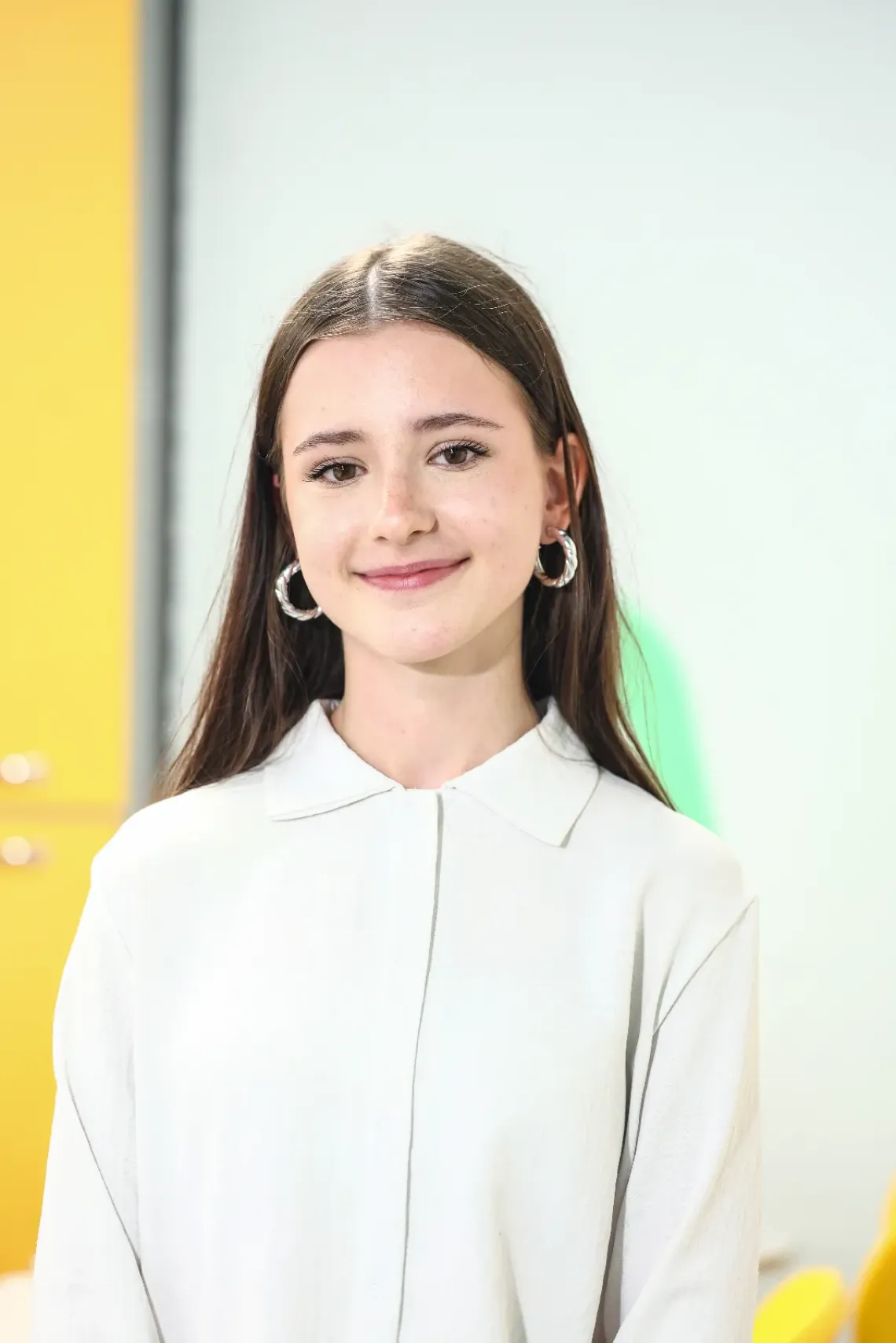
“It was very difficult for me to study because it is hard to understand everything online,” says Dasha. “When I came back to school, I realised it was difficult for me to communicate with others. Now that I study offline in an underground school, everything has changed. I have a friend here, many peers, and I can find common interests.”
Because lessons in the underground school are shorter — 30 minutes instead of 45 — Dasha uses All-Ukrainian School Online to catch up.
“You can find many video lessons, tests and even textbooks there. It is very convenient and saves time searching online,” she says. “The tests are the most useful for me, because after a video lesson I want to check whether I understood everything correctly.”
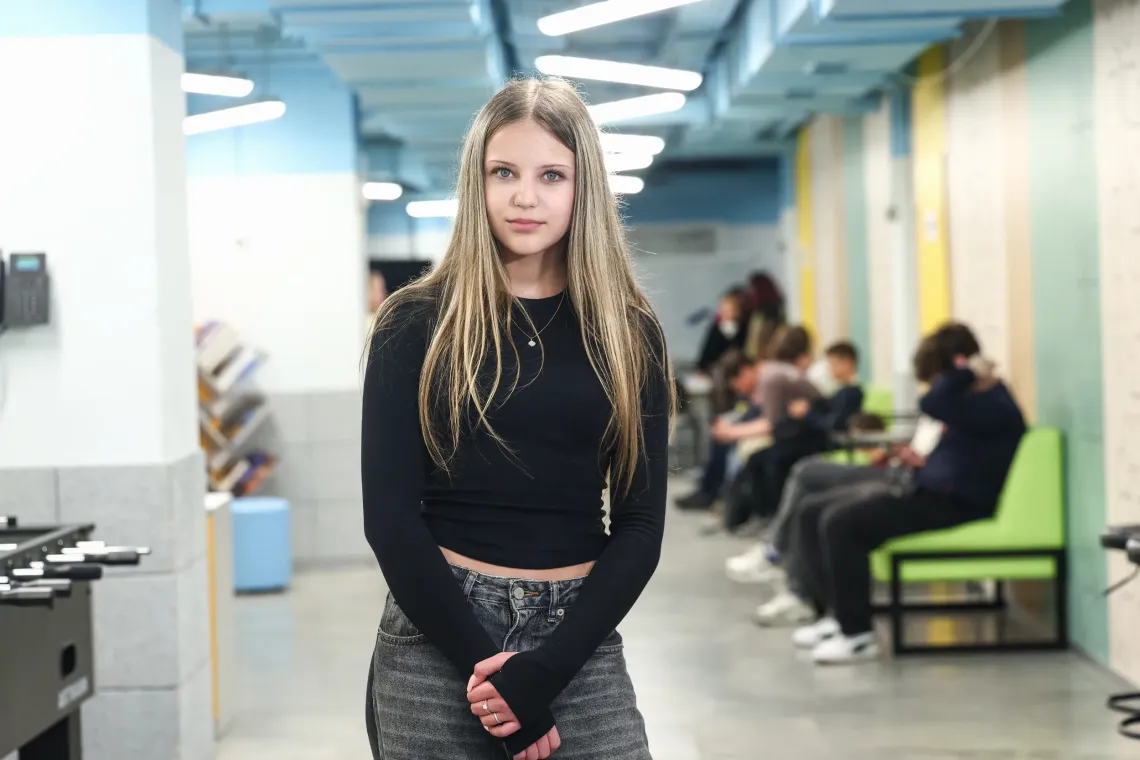
Another eighth-grader, Liza, has used the platform since fifth grade. She especially likes the short video lessons.
“The teachers explain things very well. In just 10 minutes, I can understand the whole topic. My favourite subject is geography. I love learning about different countries, nature and people’s lives.”
For 14-year-old Nikita, the hardest part of online learning was the lack of live contact with his teacher.
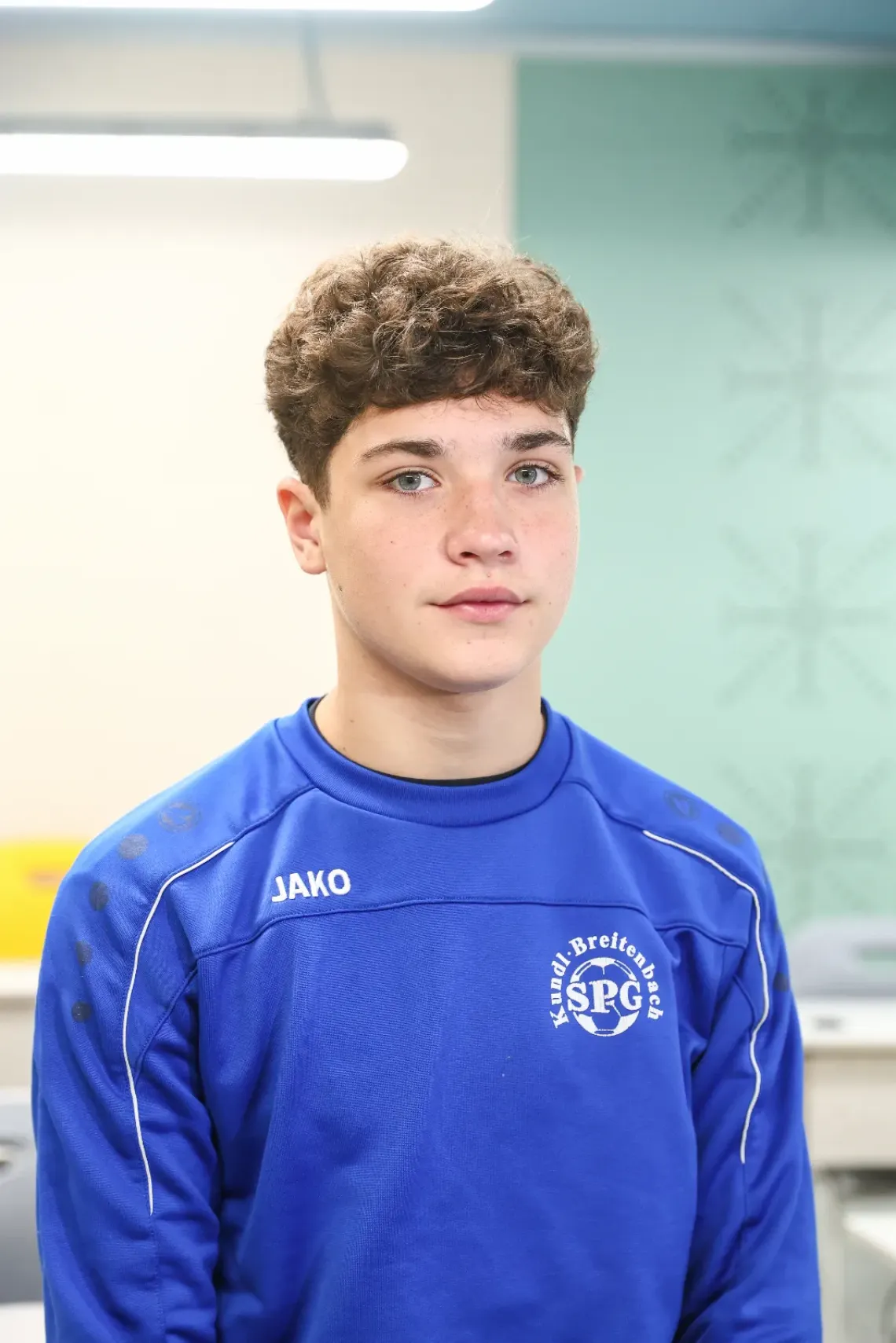
“It is harder to study online at home because I do not see the teacher, and I miss lessons because of air alerts. I love computer science and programming, and at school it is not difficult.”
Despite the war, children continue to dream about the future. Daria wants to become a web designer. Nikita hopes to become a programmer. Liza wants to study well and find her calling.
For Iryna, the biggest hope is simple: a peaceful life in Ukraine for all children and adults.
In the first three months of 2026, with support from UNICEF and the Korea International Cooperation Agency, almost 500 learning packages were developed in Ukrainian language, Ukrainian literature and Ukrainian history, as well as materials for primary school pupils.
All-Ukrainian School Online supports digital and blended learning for pupils in grades 1–11 and provides methodological support for teachers. Since 2022, with UNICEF support and the Global Partnership for Education, 2,255 new lessons have been developed for pupils in grades 5–11, and more than 300 lessons for grades 5–6 have been updated under the New Ukrainian School reform. Today KOICA is supporting UNICEF in further improving the platform and developing new content.