Two winters without heating: How a school in Mykolaiv returns to in-person learning
After the restoration of the heating system, the school has reopened to students, combining learning with healthcare services.

- Українська
- English
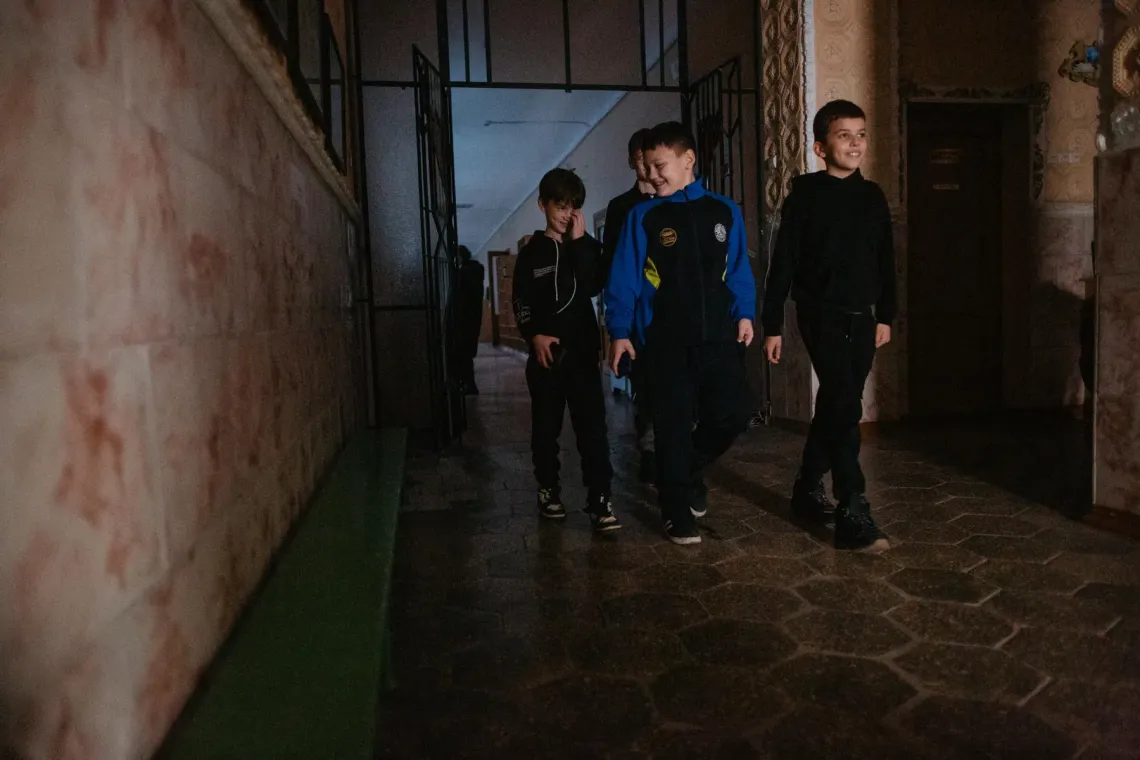
In the dark school corridors, only silhouettes can be seen — the lighting barely prevents students from bumping into one another. Children rush out of classrooms, chattering; teachers, using flashlights, set up Christmas decorations. Everyone has already accustomed to daily power outages lasting seven to eight hours.
These are the conditions under which the Mykolaiv Lyceum “Vidrodzhennia” operates in the fourth year of full-scale war. Its director, Halyna, explains that until recently, the institution held the status of a sanatorium boarding school. This means they are able to provide health services for some of the 600 children who study here, which includes pupils with cardiovascular conditions.
Around 160 staff members — teachers, medical and technical personnel — support the lyceum’s operations. Alongside classrooms, the school houses treatment and massage rooms, physiotherapy facilities, and a fitness bar, allowing children to combine education with health recovery.

But functioning during freezing temperatures is seriously challenging. During the previous two winters, three of the lyceum’s buildings lacked heating. Classes had to be relocated to the few spaces that still retained warmth — often rooms not suited for teaching. Sometimes children attended lessons wearing their coats.
Due to constant shelling, Mykolaiv has struggled to fully repair damaged infrastructure. Water supply was frequently disrupted, which further strained old utilities, including heating systems.
In December 2025, with support from UNICEF and the Foreign, Commonwealth & Development Office of the United Kingdom (FCDO), the lyceum completely replaced the heating main connecting the gas boiler to the school buildings — around 500 metres of new pipes in total.
This meant that school could return to a hybrid model: one week in school, one week remote. Limited shelter capacity means not all children can be on site simultaneously, so some lessons are still conducted online.
“The school was built in 1961. When we began uncovering the heating pipes, we saw almost completely destroyed metal. Water just leaked — the system couldn’t function,” recalls Halyna.
The new system was installed underground. Today, the work is evident in the warm radiators, children wearing light clothing and fresh asphalt between the boiler and school buildings.
“A child should not have to think about how to keep warm. They should focus on learning, themselves and their future,” the director emphasises.


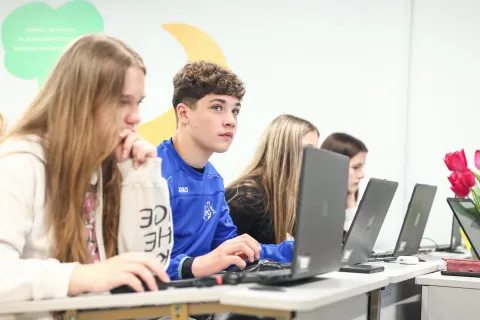
“We didn’t even expect the heating to return so quickly,” says 11th-grade student Nastia. “School is much more comfortable now. Honestly, it’s hard to concentrate on lessons when you’re sitting in a coat.”
Nastia only returned to the classroom and her friends last year after years of online learning.
“Adjusting isn’t easy, especially with alerts and power cuts, but I like being at school — my friends are nearby, and we have good teachers,” she says.
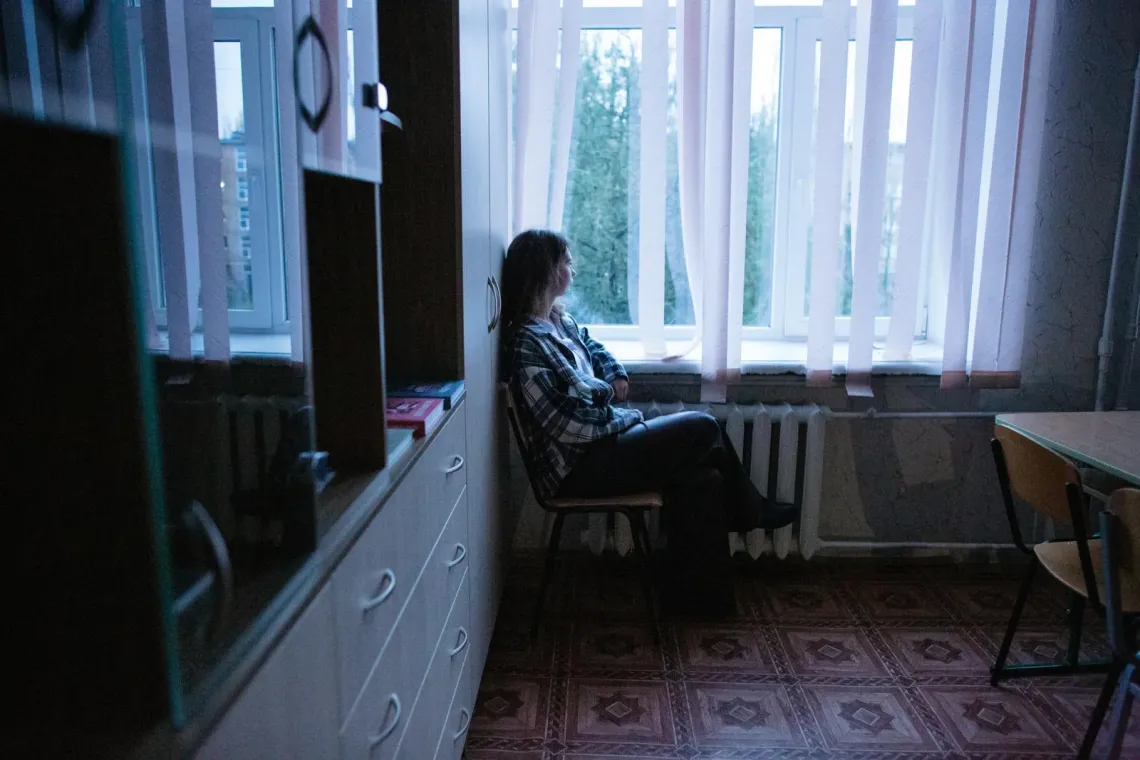
Nastia is preparing for the national multi-subject test and dreams of becoming a lawyer. She plans to study close to home, considering Mykolaiv or Odesa, where she believes there are more opportunities for legal studies.
Today, children spend almost the entire day at school: lessons in the morning, followed by health services, clubs and study sessions. That also requires a stable water supply to keep the bright canteen functioning and for sanitation purposes.

With support from UNICEF and the US government, the lyceum installed its own well and water purification system. A dedicated filtration room in the basement ensures the school has access to clean drinking water.
Today, even during the harshest winter of wartime, the holistic services that this unique school provides are back up and running and providing vital learning and care for its children.