Foster families step-in to help protect the most vulnerable children in Ukraine
Support from the EU and UNICEF is helping the vulnerable children, including those in foster families living in the most challenging frontline areas, to meet their basic needs.

- Українська
- English
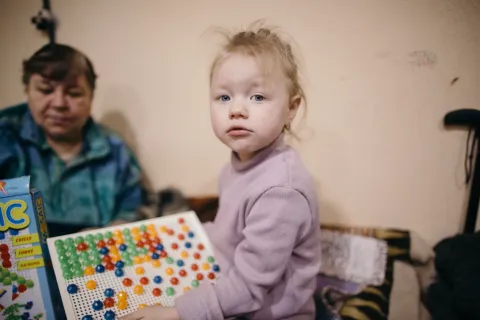
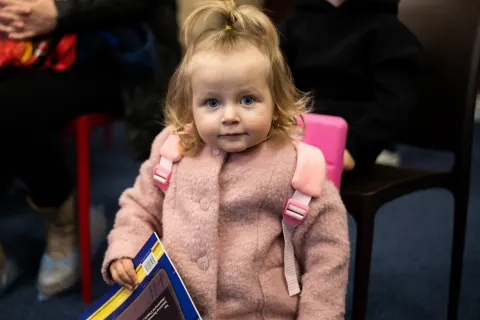
Since July 2023, the couple have been caring for three children – eight-year-old Matvii, seven-year-old Denys and three-year-old Sonia. All three have special educational needs.
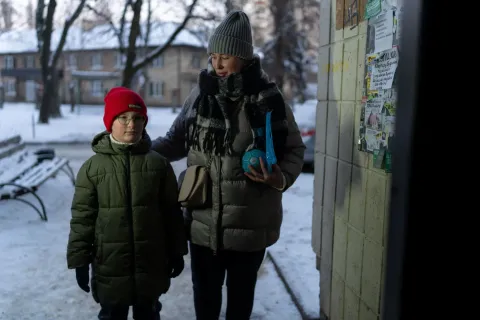
Taking on this challenging role was particularly daunting over the last few harsh winter months, especially since attacks on energy infrastructure decimated power and heating generation.
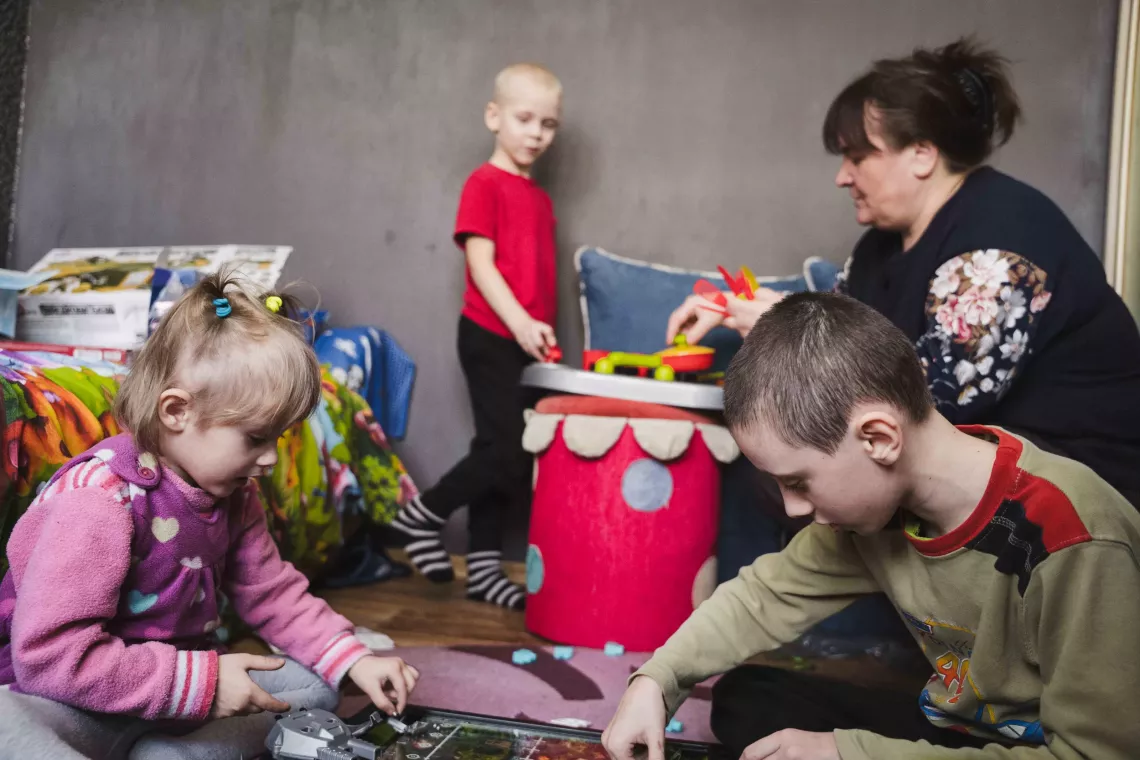
With cash assistance from the European Union (EU) and UNICEF, the family was able to purchase firewood for heating, helping them to stay warm despite the frequent power outages. Larysa's family gratefully received 21,750 hryvnias.
“My husband and I decided to invest the money in firewood. We bought two truckloads of firewood.”


Larysa says warmth is particularly important for the children, as they still remember the cold from their previous place of residence.
“The children are very afraid of the cold, because they lived in conditions where there was constantly no heat”.
The family also spent some of the funds on gasoline for a generator, which provides electricity during power outages. In addition, they received bedding and hygiene kits from UNICEF. The kits include laundry detergent, toothpaste and toothbrushes, towels, soap and more.


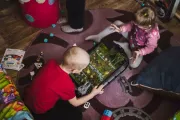
Most importantly, the nurturing care that the children are now receiving from Larysa and her husband is helping the children to gradually open up.
“The main thing is probably the children's victory over themselves,” she adds, smiling. “Because they saw a different life, they saw how it's possible to live differently.”