When rumours spread faster than a public health emergency
Tackling public health emergencies
At the end of the training, the lessons learnt were powerful.
Every disease outbreak tells two stories. One is written in hospital wards, laboratories and treatment centres. The other unfolds in conversations between neighbours, on radio talk shows, in WhatsApp groups and across social media, where rumours, misinformation and fear can outrun the virus itself. Government communication officers learnt that winning the first battle often depends on succeeding in the second.
The opening exercise was not about any specific public health disease. It was about the rumours that had travelled ahead of it.
One after another, government communication officers wrote down the stories they had heard in communities, workplaces and online. Together, they formed the training's 'Rumour Wall', a striking reminder that during a public health emergency, fear often travels faster than facts.
For many in the room, the exercise was unsettling. These were not anonymous posts buried deep in social media. They were beliefs circulating among neighbours, colleagues and families. They reflected the uncertainty that emerges when people are frightened and struggling to separate fact from fiction.
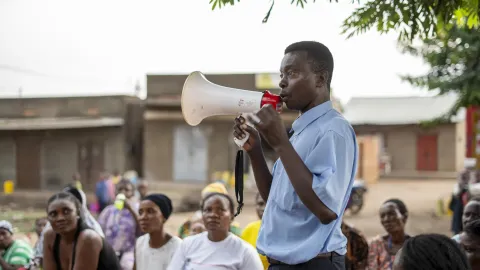
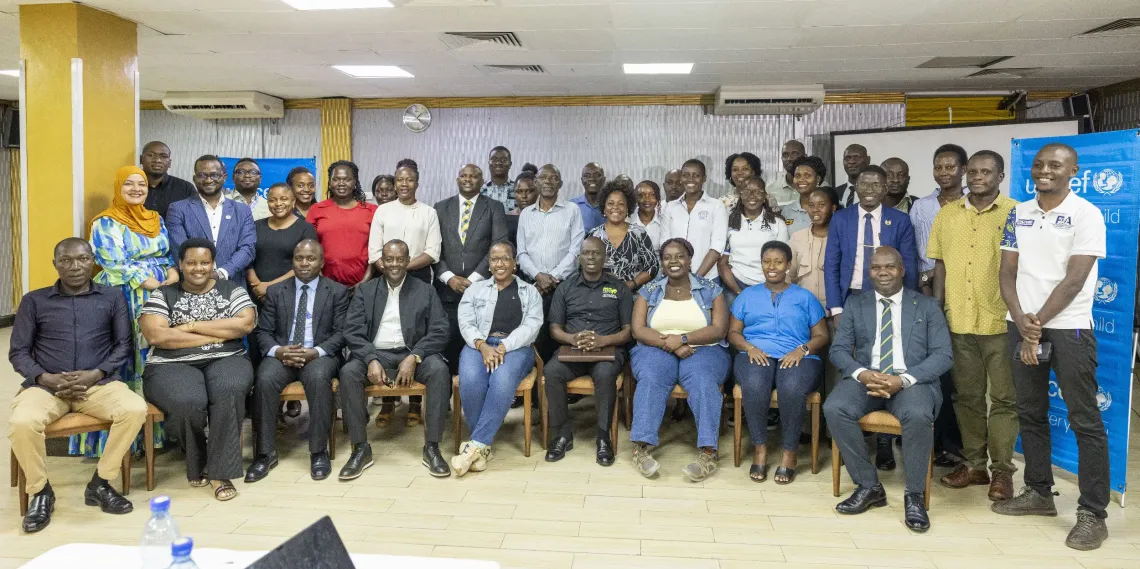
That realisation lay at the heart of a Ministry of Health training, supported by the United Nations Children's Fund (UNICEF) with funding from the governments of the United States and Iceland, which brought together government communication officers from ministries, departments and agencies in Kampala on 10th July. The objective was not simply to improve communication during disease outbreaks but to help those responsible for informing the public understand that communication itself can shape the course of an emergency.
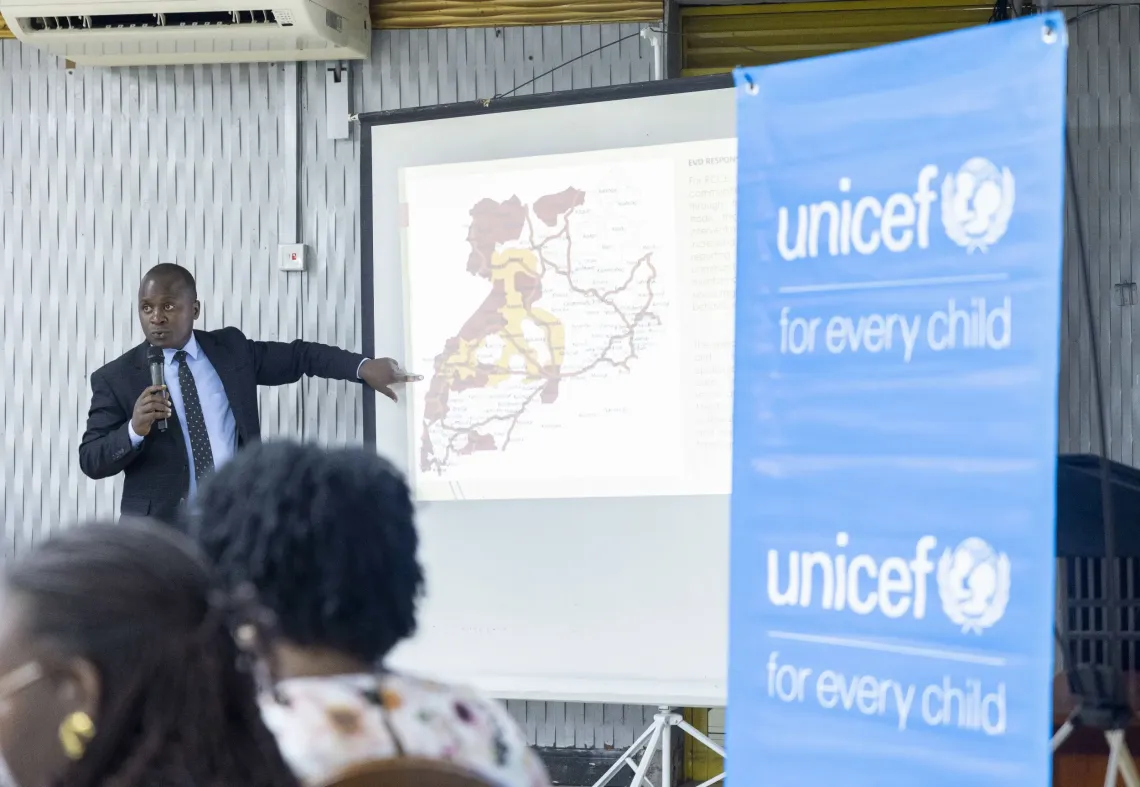
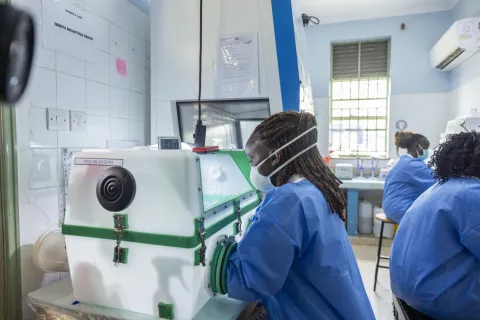
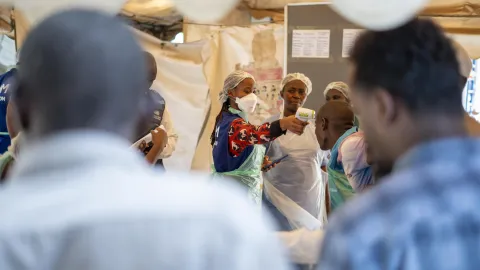
The lesson was straightforward. A disease outbreak is fought not only in hospitals, laboratories and treatment centres. It is also fought wherever people exchange information, on community radio stations, in village meetings, on WhatsApp, on social media and in conversations between friends.
If reliable information arrives first, people are more likely to recognise symptoms, seek treatment early and cooperate with health workers. When rumours take hold instead, confusion can delay care, undermine public confidence and make an outbreak harder to contain.
Jolly Twongyeirwe, a communication officer at the Ministry of Health, said that understanding changed the way she views her own role.
"The main purpose of this training was to engage fellow government communicators and bring them up to speed on what the Ministry of Health is doing in relation to public health emergencies," she said.
"But the biggest takeaway for me is the importance of communicating as one government."
Just 18 days after the training, Uganda declared the end of its 2026 Ebola outbreak. On July 28, the Ministry of Health announced the country was Ebola-free after completing the mandatory 42-day monitoring period with no new cases following the discharge of the last locally transmitted patient on 16th June.
For the government communication officers who took part in the training, the real test lies ahead: using their sharpened crisis communication skills to confront the next public health emergency before fear and misinformation can spread.
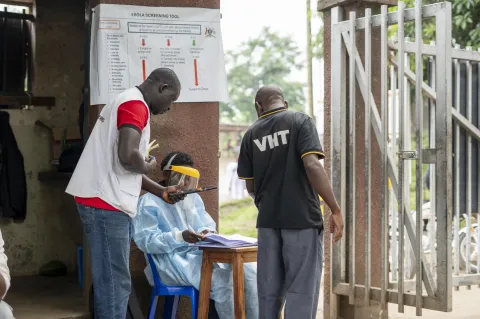
Government communication officers spend much of their time explaining policies, programmes and public decisions. During a disease outbreak, however, their work takes on a different urgency. The information they provide can influence whether someone reports symptoms, accepts quarantine, cooperates with contact tracers or seeks life-saving treatment before it is too late.
In other words, communication becomes part of the public health response itself. That shift in thinking was one of the defining themes of the training.
Rather than treating misinformation as an unavoidable consequence of a crisis, participants were encouraged to see it as something that can be anticipated, understood and challenged before it causes harm.
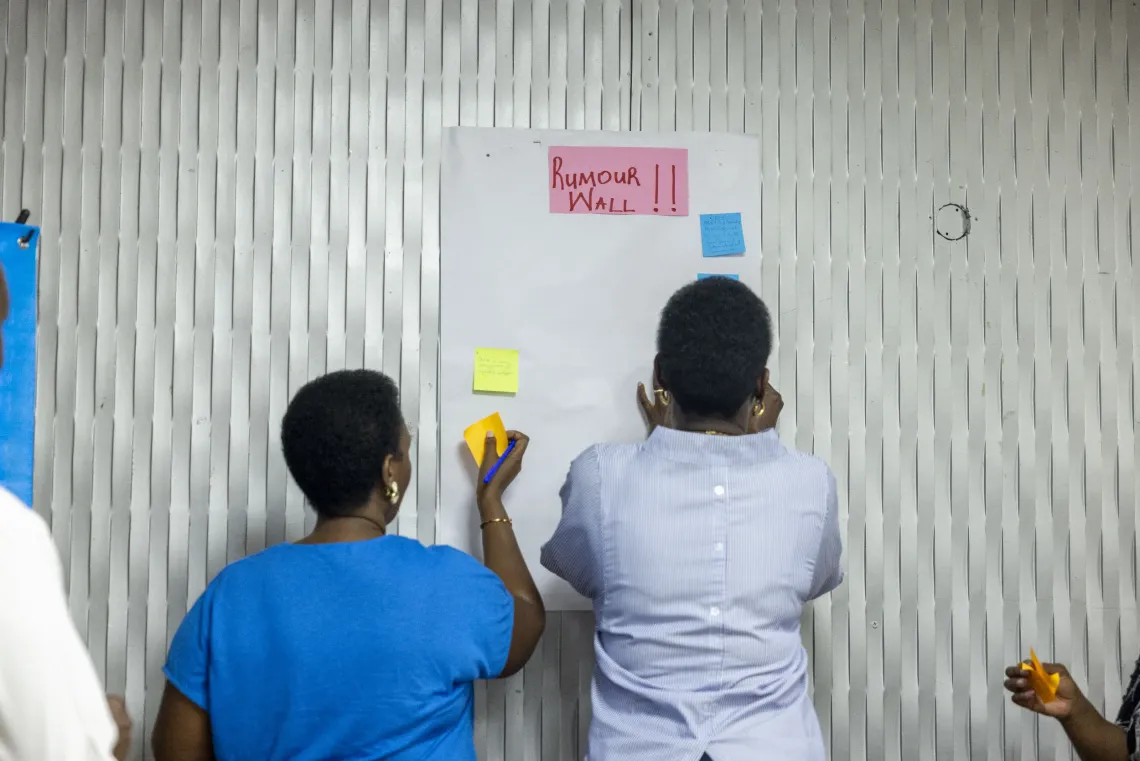
Every rumour, facilitators reminded the participants, starts with a misunderstood conversation, an old government notice recirculated online, a misleading social media post or a story repeated so often that people begin to accept it as fact.
The answer is not to dismiss people's concerns or ridicule those who believe them. It is to verify and respond with evidence before fear fills the information gap.
Communication had often been viewed as something that followed events, issuing statements after decisions had already been made or responding to questions once public concern had grown.
The discussions challenged that approach. Communication, participants came to understand, begins much earlier. It starts by listening carefully to communities, recognising the questions people are asking and addressing uncertainty before misinformation becomes entrenched.
Twongyeirwe believes that responsibility extends across government. "Before communicating anything, we must first establish the facts," she said. "We've encouraged all our colleagues to reach out whenever they come across information that is unclear or questionable."
Verification carries weight during a public health emergency, when information is shared rapidly and mistakes can have lasting consequences.
A misleading message posted online can be forwarded thousands of times before officials have an opportunity to respond. By then, correcting the record becomes far more difficult.
The officers gathered in Kampala were therefore learning far more than how to write statements or answer media enquiries.
They were learning how trust is built. For Jacqueline Kiyingi, Senior Public Affairs Officer at the Uganda Civil Aviation Authority, the discussions underscored how closely public confidence and public health are connected.
The aviation sector suffered the consequences of the 2026 Bundibugyo Ebola disease outbreak as some international travellers delayed plans to visit Uganda.
"I've learned a great deal from this engagement," she said. "One of the biggest lessons is the importance of verifying information. There are so many rumours circulating, especially during public health emergencies."
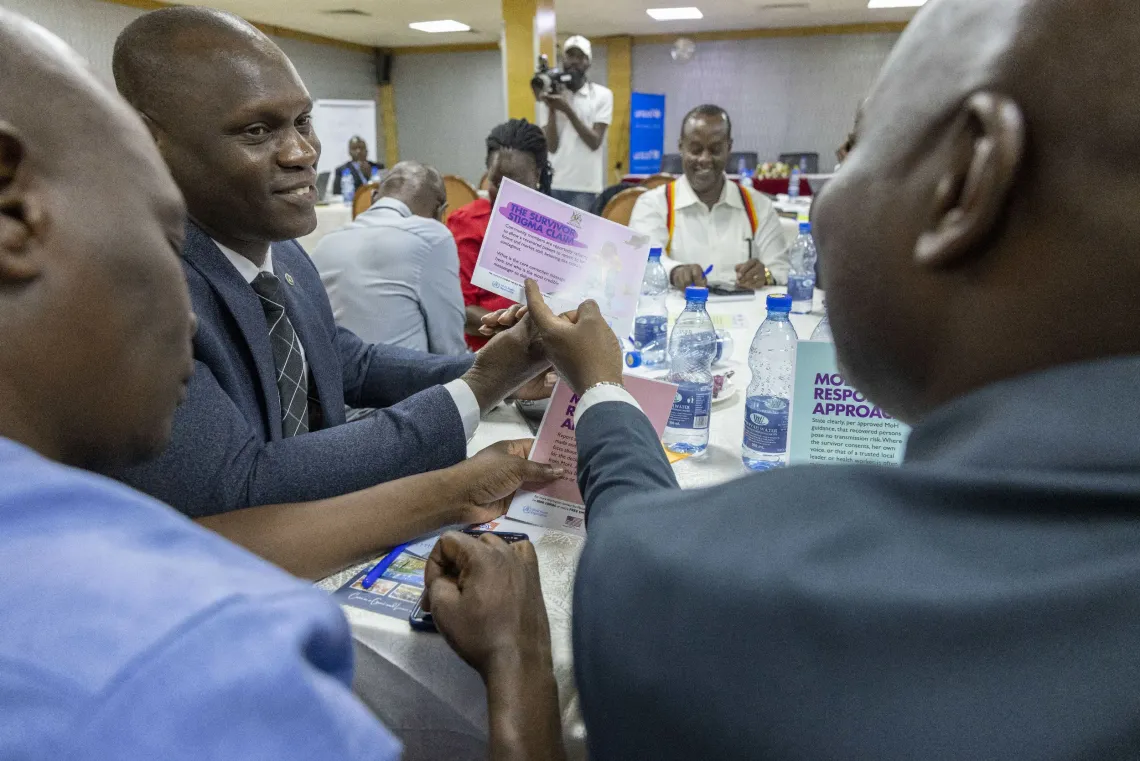
That message resonated across the room. The challenge was no longer simply how to answer difficult questions once rumours had spread. It was how to ensure reliable information reached communities first.
Emma Ainebyoona, Senior Public Relations Officer at the Ministry of Health, urged the officers to think differently about what happens when a rumour lands on their desk or flashes across a phone screen.
Every crisis communication plan, he said, should include a system for monitoring rumours because misinformation is inevitable during a public health emergency. Questions will be asked. Allegations will surface. Anxiety will create fertile ground for speculation.
"Your first responsibility is not to spread the rumour," Ainebyoona said. "It's also not to immediately post it on social media or share it in a WhatsApp group."
Instead, he encouraged them to slow the process down. If a claim concerns the Ministry of Health, call the Ministry. If it involves another institution, contact the people responsible before saying anything publicly. If the facts are still being established, tell the public that verification is underway rather than allowing false information to gain momentum unchecked.
"The sooner we respond with credible information, the less space we leave for rumours to grow," he said.
That lesson struck a chord with Mariam Yusuf, Senior Communication Officer at the Ministry of Internal Affairs.
"The discussions on misinformation and disinformation were particularly useful because they reminded us that communication must always be based on verified facts. Before reacting to a rumour or sharing information, we have a responsibility to confirm that it is accurate."
"Engagements like this serve as an important refresher," she said. "They remind communication officers of the core principles and professional standards we should apply whenever we communicate with the public, especially during a crisis."
The discussion then moved to the broader machinery of government.
Denis Katungi, Deputy Executive Director of the Uganda Media Centre, reflected on more than a decade of supporting government communication during national emergencies.
"I can confidently say that this Ebola response has been one of the most effective I have witnessed," he said.
"One of the biggest reasons for that is the level of coordination in communication. There has largely been one clear, consistent voice, and that has helped reduce confusion among the public."
Katungi said the Centre operates several teams dedicated to monitoring online conversations and responding rapidly.
"Whenever false information begins circulating online, the team works to provide timely, accurate information and ensure that the public has access to verified facts," he said.