Prepared before the first patient arrives
How Uganda’s health system is building a strong defence against Ebola
At Bwera Hospital in Kasese, western Uganda, health workers are preparing for a threat they hope never arrives. Behind the walls of the Ebola Treatment Unit (ETU), isolation rooms and emergency teams stand ready, demonstrating how Uganda's preparedness, led by the Government of Uganda and supported by partners including UNICEF, is helping protect lives before the virus reaches communities.
The ETU is quiet. There are no confirmed Ebola patients, no emergency rush and no frantic activity. However, the facility remains fully operational. Whenever surveillance teams identify suspected cases, they are safely transported to the unit and only discharged after laboratory tests confirm they are Ebola-free.
Every room, every piece of equipment and every procedure has been designed to ensure that if Ebola strikes, health workers can respond immediately and safely. “For Ebola, preparation cannot wait until you have a patient,” says Anna Birra, Assistant Nursing Officer and Site Manager of the ETU at Bwera Hospital. “We have been trained and we have the personal protective equipment in place. We feel safe because we know what to do.”
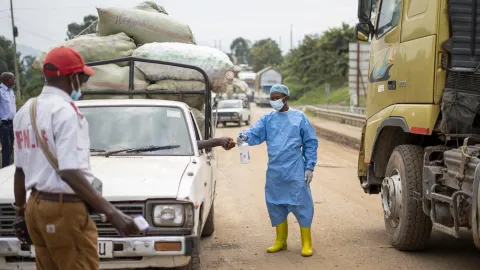
This readiness reflects Uganda's response to the current Bundibugyo Virus Disease (BVD) outbreak. Following confirmation of the outbreak by the Ministry of Health on 15 May 2026, the Government rapidly activated national and district emergency structures to strengthen surveillance, infection prevention and control (IPC), case management, laboratory services and emergency coordination, recognizing the continued risk posed by transmission in neighbouring eastern Democratic Republic of Congo (DRC).
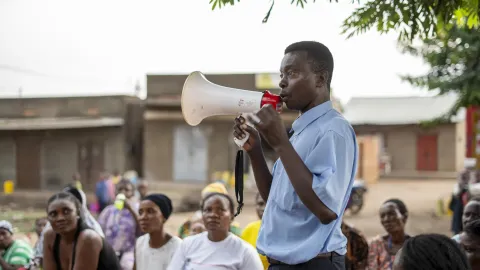
UNICEF is supporting this government-led response alongside WHO, IOM, Médecins Sans Frontières (MSF), the Red Cross, Baylor and other partners. Its support spans several pillars of the National Response Plan, including IPC, Risk Communication and Community Engagement (RCCE), surveillance, emergency coordination and the protection of essential health services.
As UNICEF Uganda's Chief of Communication, Advocacy and Partnerships Yves Willemont, explains the role of partners is to strengthen national systems. “The response is led by the Government of Uganda and UNICEF Uganda’s work around Ebola is supported by the Governments of US and Iceland and by Mastercard Foundation"

Protecting those who protect others
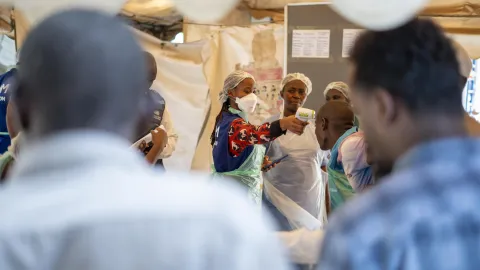
Protecting health workers is central to preventing Ebola transmission. At Bwera's ETU, strict infection prevention procedures govern every movement. Separate zones for patients and staff, controlled entry points and isolation rooms help minimise the risk of infection. “No one enters the red zone without proper protection,” says Anna. “If you enter without PPE, you put yourself at risk and you can infect others. We cannot take that chance.”
Health workers have been trained in the proper use of personal protective equipment, safe patient handling, environmental cleaning and management of suspected cases. “Ebola is a serious disease, but with proper prevention measures, we can control it,” adds Anna.
The ETU has already managed several suspected cases during the current response. Although all tested negative for Ebola, each case has provided an opportunity to test systems, reinforce staff confidence and improve preparedness.
A treatment unit designed for safety and dignity
Preparedness is about more than preventing transmission; it is also about delivering safe, dignified care.
The ETU has 11 single isolation rooms for suspected patients and a larger ward for confirmed cases, with separate spaces for male and female patients. Its design enables health workers to provide treatment while limiting unnecessary exposure. “When a case is reported, we collect the patient, screen them and determine whether isolation is required,” explains Anna.
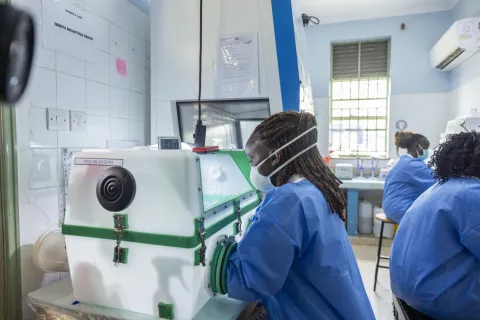
The unit is staffed by trained doctors, nurses, laboratory personnel, hygienists, security officers and other specialists. MSF has supported the facility with technical expertise, mentorship, medicines and infrastructure improvements.
Health workers emphasize that maintaining preparedness requires sustained investment in supplies, staff welfare and patient support to ensure safe, high-quality care throughout an outbreak.

Keeping essential services running
An effective Ebola response also means protecting routine health services.
At Bwera Hospital, UNICEF has supported improvements in maternal and newborn care, including the Neonatal Intensive Care Unit (NICU), ensuring that critical services continue even during public health emergencies. “We admit between 90 and 100 babies every month,” says Doreen Mbabazi, who manages the NICU.
Prematurity and birth asphyxia remain the leading reasons for admission, underscoring the need to safeguard lifesaving services while responding to disease outbreaks.
Preparedness built on experience
Uganda's ability to respond rapidly to Ebola has been shaped by years of experience managing previous outbreaks. Those lessons are reflected in stronger coordination, better-trained health workers and facilities that are ready before the first confirmed case appears.
At Bwera Hospital, every safety protocol, every trained professional and every piece of equipment reflects that preparedness.
The absence of confirmed Ebola patients does not mean the work stops. It means the system remains ready. “Everyone understands that Ebola requires seriousness,” says Anna. “We continue following the procedures because prevention is better than responding after the problem has grown.”
As transmission continues in eastern DRC, Uganda remains vigilant. Its strongest defence begins long before the first patient arrives, with trained and protected health workers, treatment facilities prepared to respond safely, coordinated government leadership and partners such as UNICEF strengthening national capacity to protect every life.