Ugandan Adolescents Embrace Nutrition and Physical Activity to Improve Their Future
A 2022 poll conducted by UNICEF, half of the U-Reporters surveyed reported encountering junk food advertisements in the media

In a world where the health and nutrition needs of adolescents are often overshadowed, a powerful movement for their well-being is gaining momentum in Uganda. Driven by the understanding that nutrition and physical exercise are fundamental to mental and physical well-being, adolescents and young children across the nation have taken up the mantle as change advocates, demanding a healthier future for themselves and their communities. Through their unwavering voices and determined actions, they are reshaping the narrative, calling for improved nutrition and increased physical activity, both in schools and beyond.
Alarming statistics underscore the urgent need for change. According to a 2022 poll conducted by UNICEF, half of the U-Reporters surveyed reported encountering junk food advertisements in the media, and yet unhealthy food advertisements and food environments strongly influence adolescents’ choice to consume unhealthy foods and beverages. Furthermore, only 46 percent affirmed engaging in daily physical exercise. These numbers reveal a significant information gap concerning healthy lifestyles, compounded by the financial limitations that hinder access to nutritious foods and opportunities for physical activity.
On the 18th of June, the National Day for Physical Activity in Uganda, adolescents, and young people stepped forward as champions, spearheading the campaign for enhanced physical activity and proper nutrition within their communities.
Notable among them was Siima Ngonzi, an eight-year-old primary three pupil from Golden Bell School in Kireka, Kampala. As a school prefect responsible for meals, Siima shared her success story, proudly stating, "My school now provides more nutritious meals for us." Her campaign for improved and healthier meals at her school had borne fruit.
However, not all experiences mirror Siima's triumph. Rebecca, a twelve-year-old primary seven student, voiced her concerns over the monotonous nature of school meals. "They feed us the same food every day, posho and beans, and they should change it," she passionately argued.
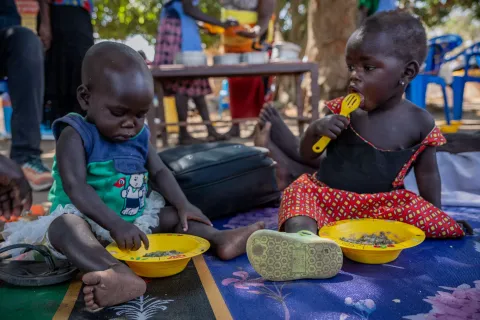
Rebecca is just one of over six million voiceless adolescents attending schools in Uganda, being served a diet consisting primarily of cereal (maize) and legumes (beans). This meagre provision falls far short of the diverse and balanced diet necessary for optimal growth and development during this critical age group.

Under the umbrella of the Uganda Scouts Association, nine-year-old scout Amarii emerged as an outstanding champion. Through her poem on the National Day of Physical Activity, she emphasized the interdependence of exercise and nutrition, proclaiming, "From climbing trees to kicking balls, active bodies stand tall and never fall."
Amarii further highlighted the importance of proper nutrition alongside physical activity, underscoring that one cannot thrive without the other. The scouts further encouraged their peers to embrace healthy eating habits by displaying an array of fruits and vegetables at the event.
Recognizing the intricate relationship between physical activity and proper nutrition, The Rendezvous Youth Group, comprised of refugee adolescents in Kampala, organized a fitness and nutrition event on the International Day of the African Child, with the support of UNICEF. Forty-two adolescents actively participated in exercises such as aerobics, while all attendees underwent nutrition assessments. The results revealed that 26 per cent of the participants fell into the overnourished category (overweight and obese), and 7 per cent were identified as undernourished. These adolescents benefited from nutrition counselling sessions, equipping them with the knowledge and tools for healthier eating.
With financial support from the Kingdom of the Netherlands, UNICEF’s commitment to continue advocating for and supporting policies, strategies and programmes that will ensure that school-age children and adolescents benefit from diets, services and practices that support optimal nutrition, growth and development.
In addition, UNICEF shall leverage the power of Adolescent and Youth Volunteers AYVs to educate and influence other adolescents in making healthy dietary choices across the country.
The prevailing perception in many Ugandan communities and schools marginalizes the significance of physical activity and proper nutrition. However, the resounding actions and voices of these adolescents serve as a wake-up call. They call upon adolescents, policymakers, school administrators, parents, guardians, communities, and healthcare providers to unite and act at all levels. Together, they must create an empowering environment that enables adolescents to embrace healthy nutrition and physical activity habits, not only within school premises but also in their wider communities.
As we witness this youth-driven movement, it becomes increasingly clear that the well-being of our adolescents demands prioritization. Investing in their future health and happiness is not just a responsibility; it is an opportunity to fuel their potential.