How Yonah turned HIV diagnosis into a life of purpose and prosperity
Orphaned and HIV positive, Yonah now leads youth to hope and health in Kamuli.
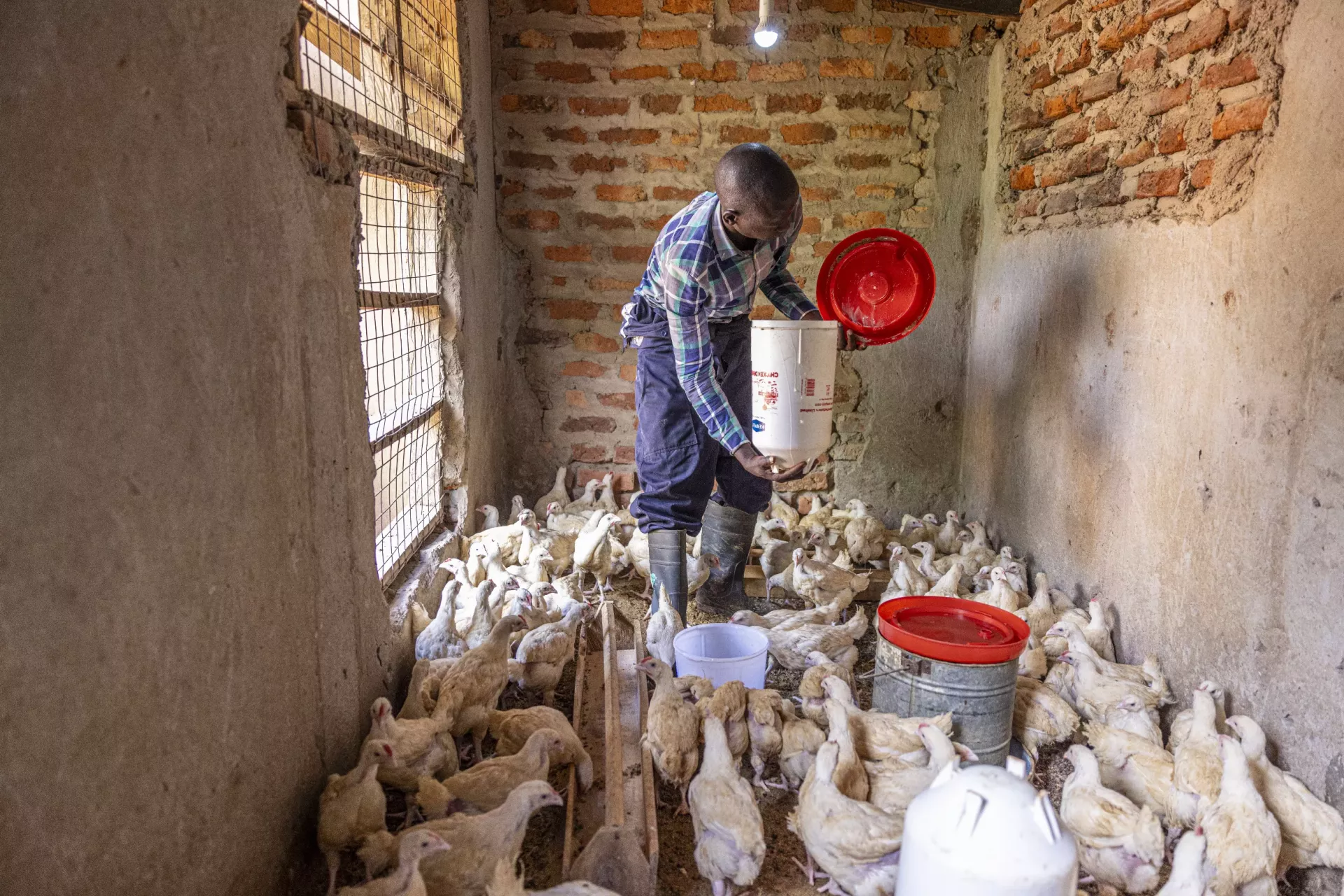
In the quiet village of Naluwoli, Kamuli District, a remarkable transformation is taking place – one led not by aid workers or politicians, but by young people living with HIV who have refused to be defined by their diagnosis. At the centre of this movement is 24-year-old Yonah, the determined chairperson of the Kamuli Network of Young People Living with HIV.
“I found out I was HIV positive after my parents died,” Yonah says softly. “I was taking the drugs, but I didn’t know why, until my aunt told me.”
Like many others, Yonah’s journey started in confusion and stigma. But he has since emerged as a symbol of hope and resilience for dozens of youths in his district. Today, he leads a group of 25 young people, most of whom are Young People and Adolescent Peer Supporters (YAPS), under a Ministry of Health UNICEF-supported initiative within the Joint UN 2gether 4 SRHR Programme.
Funded by Sweden and implemented jointly by UNAIDS, UNFPA, WHO and UNICEF, the 2gether 4 SRHR programme aims to empower adolescents and young people in Eastern and Southern Africa to access integrated, rights-based sexual and reproductive health services, enjoy a healthy and productive life. In Uganda’s Kamuli District, this vision has taken root through UNICEF's direct support to YAPS – capacity building, monthly stipends, psychosocial support by supervisors and mentors and economic empowerment.
“We were on medication, but others were dying,” Yonah recalls. “We decided to form a group to support one another. It started like a SACCO.”
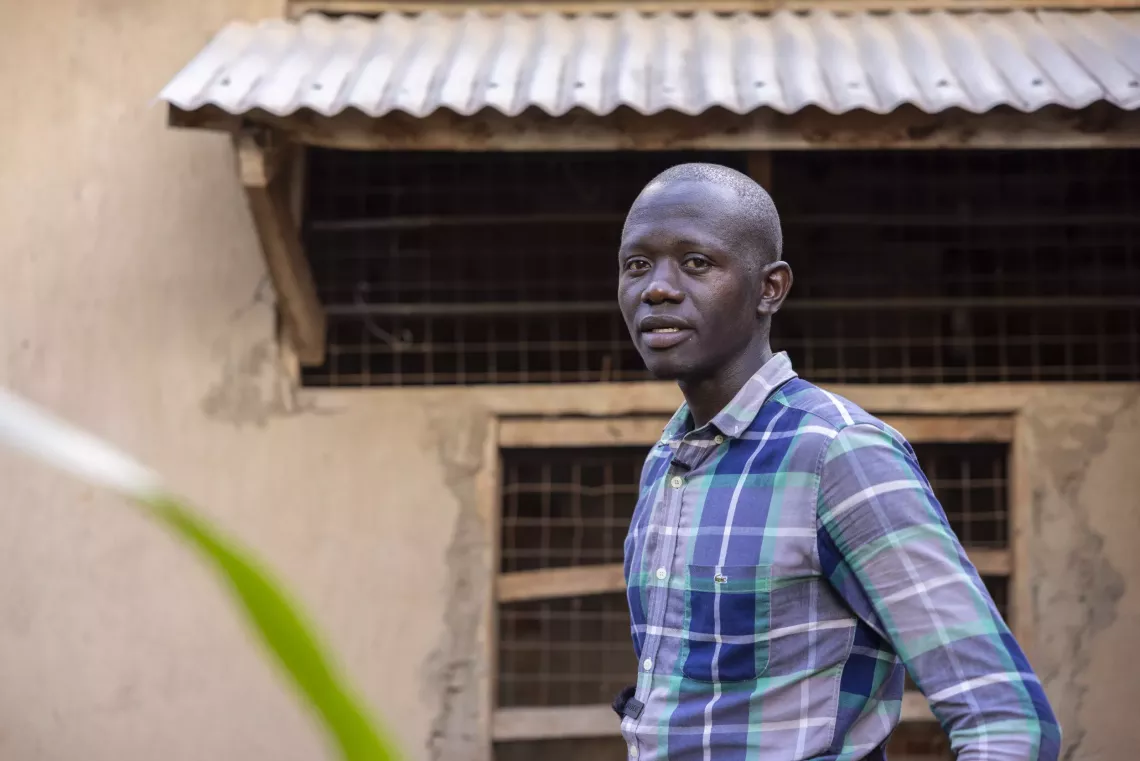
That small act of unity blossomed into a fully registered association in 2022. Yonah and his peers launched a poultry project that now boasts 400 birds in its third production cycle. They breed chicks to sell to other farmers and rear broilers for meat, operating from a rented site in Butansi Sub- County.
“We rear the chickens for four weeks and aim to have them sold out by the sixth week,” Yonah explains. “Beyond that, they eat into our profits.”
The enterprise does not just generate income; it restores dignity. “When I joined, I was renting,” Yonah says with a proud smile. “But I saved UGX2 million (US$546) and bought land. I later built a house. Now, I have a mobile money business and a kiosk that my wife manages.”
While the poultry project is their economic engine, the true soul of the group lies in their outreach work. They visit fellow young people living with HIV who are struggling to adhere to treatment, listen to their challenges, and offer peer-to-peer counselling. Thanks to these efforts, the viral suppression rates in the district have improved dramatically. “When we started, we would find maybe 10 out of 80 young people not adhering,” says Yonah. “Now it’s just 1 out of 80.”
This impact would not have been possible without UNICEF’s support. Through the YAPS programme, young people such as Yonah receive a quarterly stipend of UGX420,000 (US$115), which many reinvest in small businesses or save through group savings schemes. They have been trained in counselling, data collection using the Young People and Adolescent Peer Supporters Management Information System (YAPSMIS) and outreach strategies. With bicycles, gumboots and regular mentorship from health facility supervisors, they navigate long distances to reach remote peers, helping them confront stigma, misinformation and fear.
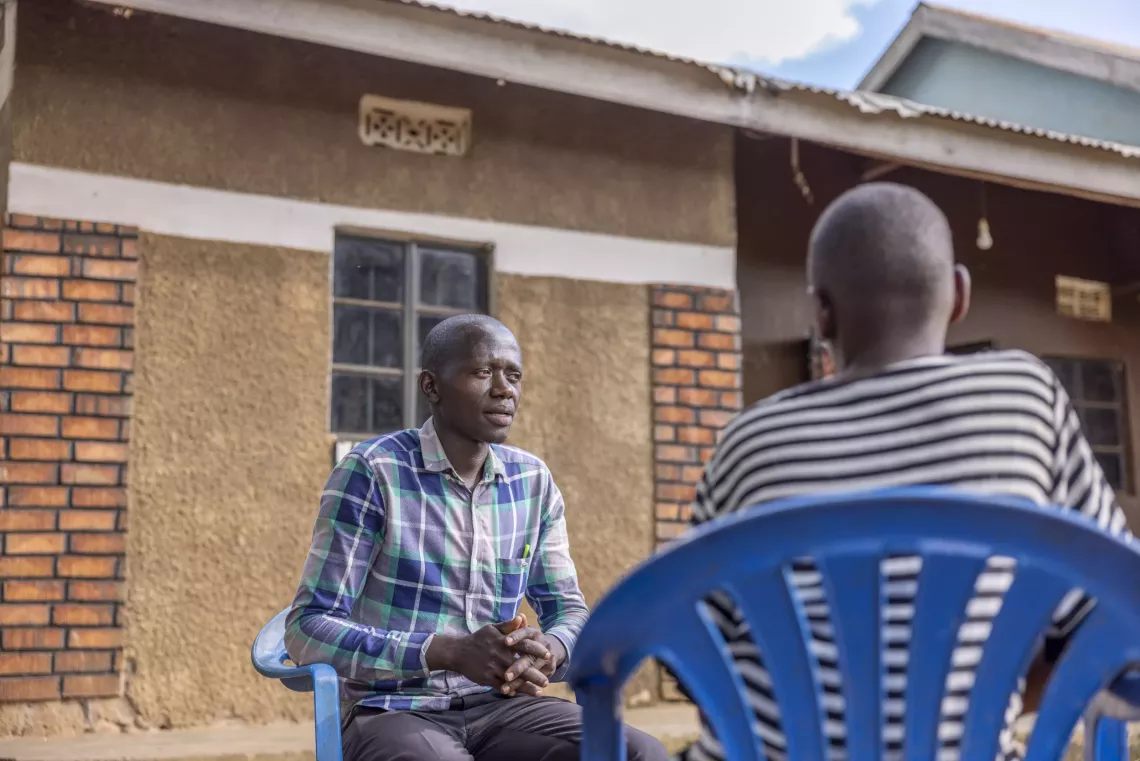
“We are now more networked. We have knowledge, and we can pass it on,” Yonah says. “People are beginning to see HIV differently, not as a punishment, but as a condition you can live with.”
Still, the journey has not been without setbacks. Some peers have dropped out after receiving stipends, lured by false promises or distracted by financial excitement. Others struggle with long distances or the emotional toll of peer support. But with weekly check-ins from mentors and supervisors, and a sense of community that runs deep, the group continues to grow in confidence and cohesion.
“Initially, adolescents feared to come out and say they were HIV positive,” says Aisha Abenakyo, the district YAPS mentor and a midwife at Nabirumba Health Centre III. “But today, the YAPS peers give health talks with confidence. They’ve overcome low self-esteem.”
The dream now is to scale the programme to all 22 sub-counties in Kamuli and ensure long-term sustainability. Yonah is optimistic. “This programme is growing,” he says. “Other young people are seeing the benefits and want to join. It’s helping us live with dignity.”
Yonah’s story is a testament to the transformative power of youth-led solutions, built on a foundation of solidarity, knowledge and strategic support from partners such as UNICEF. With continued investment and belief in their potential, young people, such as Yonah, are not just surviving; they are leading.