Leaders commit to triple elimination of vertical transmission of HIV, Hepatitis B, and Syphilis
Call to action urged AU Member States to develop and fund robust national plans, allocate sustained financial resources, ensure that 95 per cent of newborns receive a timely dose of the hepatitis B vaccine, and tackle systemic barriers like stigma
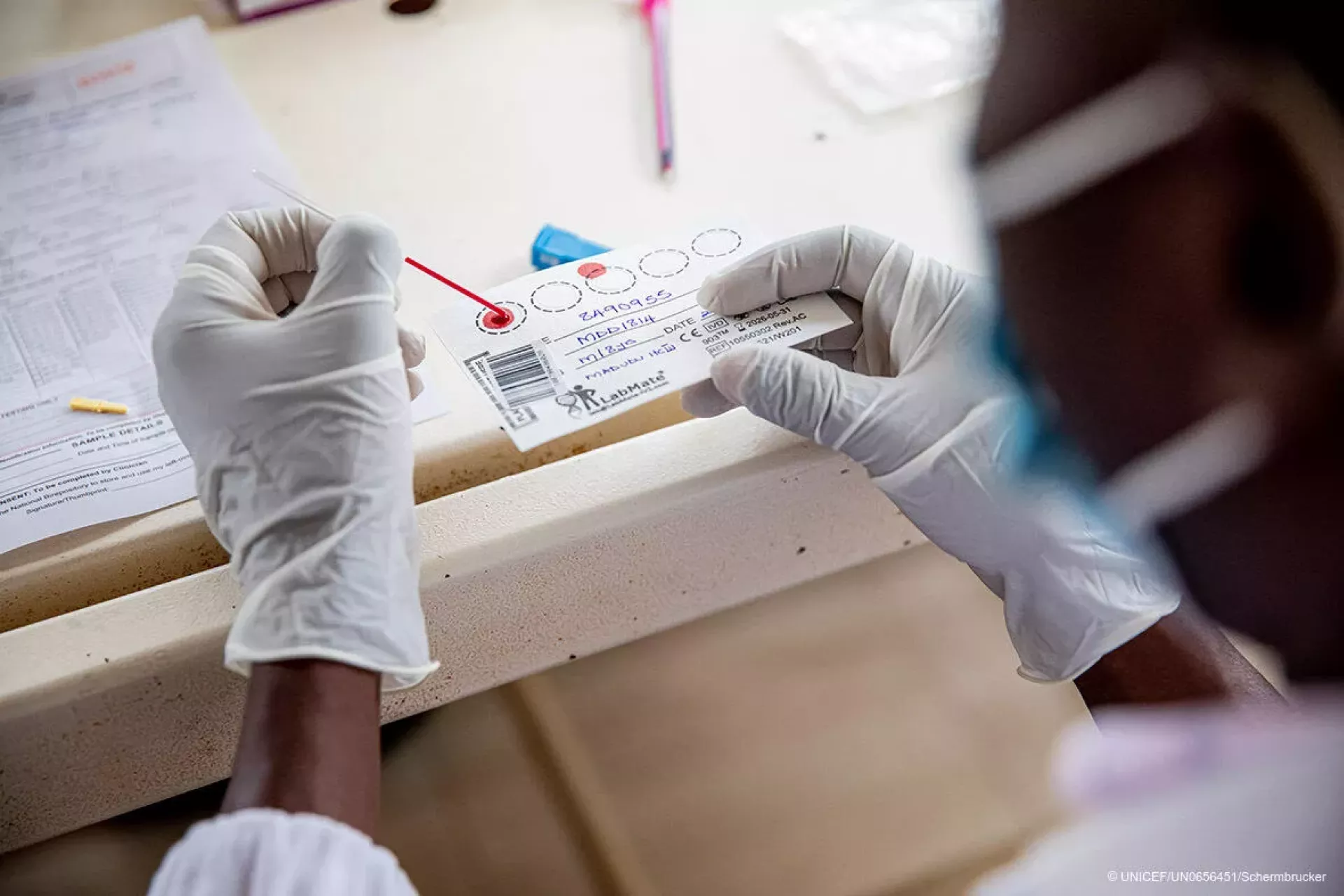
In July, Uganda hosted the three-day high-level ministerial conference on the triple elimination of HIV, Hepatitis B, and Syphilis at the Speke Resort Convention Centre in Kampala, an event aimed at creating a healthier future, bringing together a formidable coalition of African Union, ministries of health and finance, civil society organizations, donors, development partners, researchers, and community representatives from across Africa.
They convened to mobilize action and secure the high-level political commitment needed to end vertical transmission of these three diseases by 2030.
Representing the Chairperson of the AU Commission, H.E. Ambassador. Amma Twum-Amoah, the Commissioner for Health, Humanitarian Affairs and Social Development, spoke with conviction about the urgency of the moment. She highlighted that, “Africa remains disproportionately affected by these diseases that continue to weigh heavily on its public health system thus impacting our capacity to provide quality health care.”
She underscored the critical need for a unified front against these preventable infections that continue to threaten the lives of mothers and newborns.
This call for decisive action was powerfully echoed by the host nation. Speaking on behalf of H.E. Yoweri Kaguta Museveni, the President of the Republic of Uganda, H.E. Jessica Alupo, the Vice President, emphasized that the gathering was taking place at a pivotal time of evolving global health priorities and shifting funding landscapes.
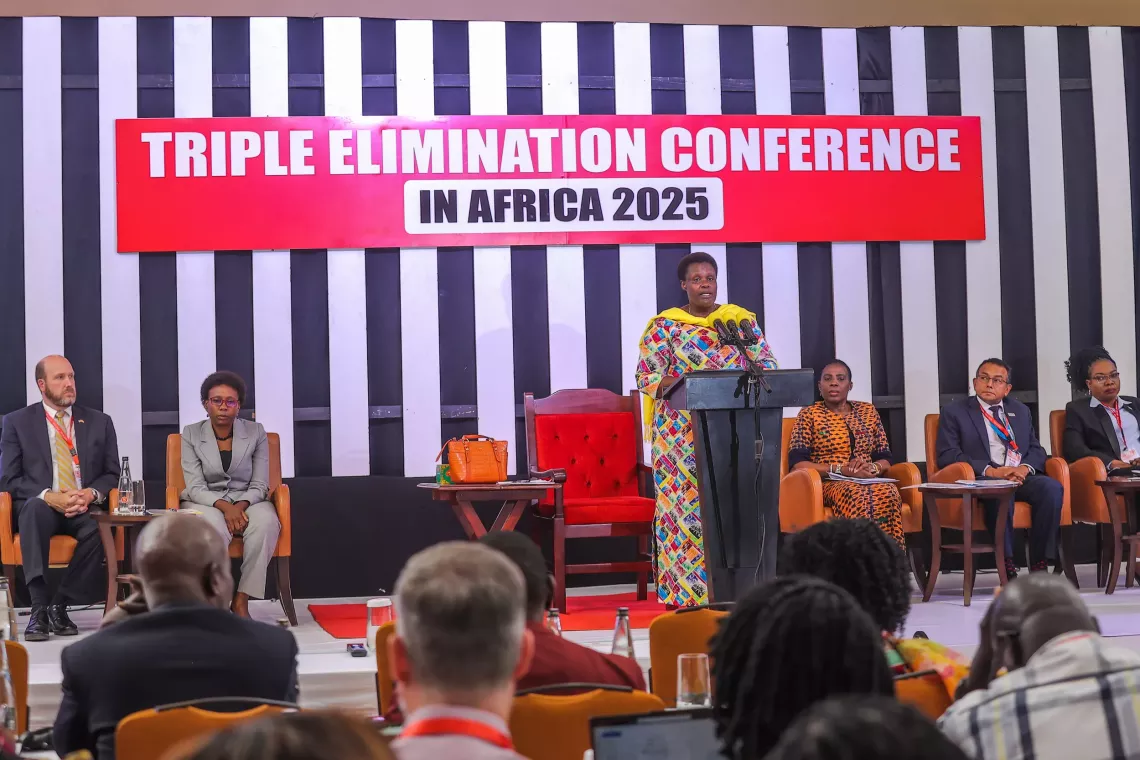
“This is not the time to scale back, it is the time to scale up, not the time to reduce ambition, but to reinforce our resolve.”
This set an ambitious tone for the conference deliberations.
As a key partner, UNICEF’s message resonated deeply with this call. The UNICEF Representative to Uganda, Dr. Robin Nandy, reminded the delegates that eliminating these diseases is not just a public health target, but a "moral obligation." His words, combined with a powerful video message from the UNICEF Executive Director Catherine Russell, reinforced UNICEF's unwavering commitment to stand with Africa, ensuring that the rights and health of every mother and child are at the centre of this movement.
In her video message, Ms. Russell stated, "We have a historic opportunity to end vertical transmission of HIV, syphilis and Hepatitis B in Africa. It will take partnership, it will take resources, and it will take political will, but together we can make a difference for generations to come. UNICEF is proud to be a strategic partner and thought leader in this effort, and will continue to work with governments, civil society and communities to ensure that every child has the chance to start life free from these diseases."
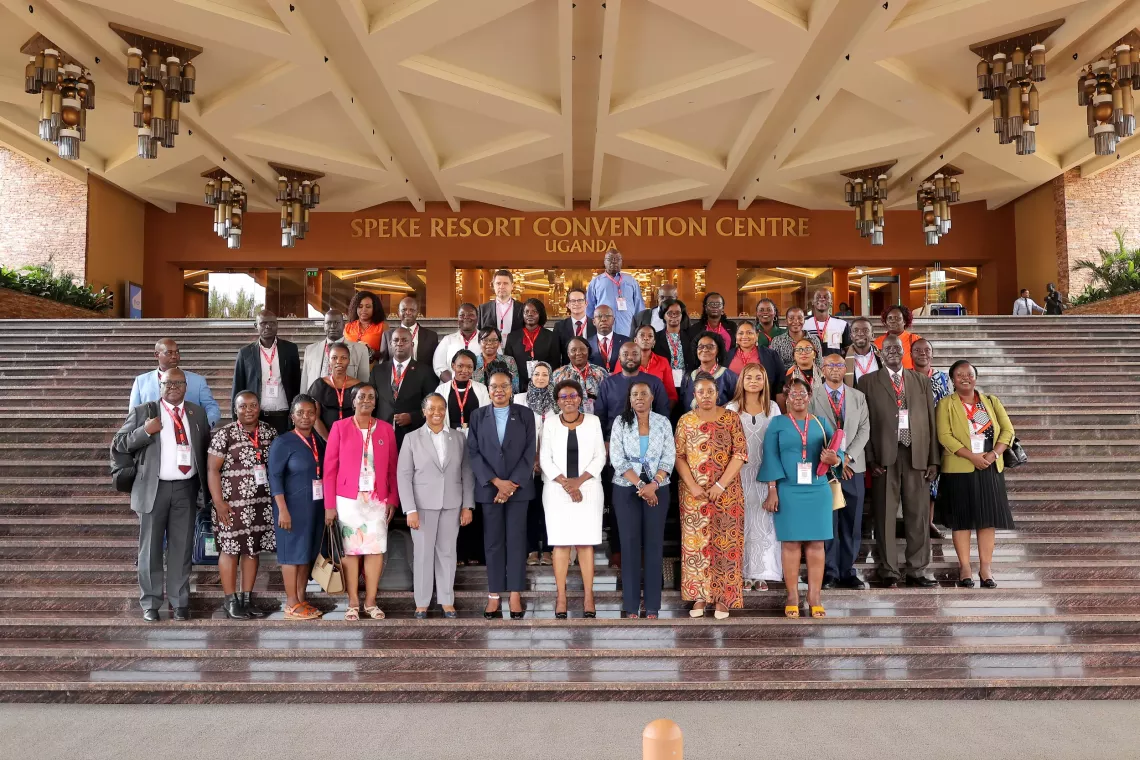
The three days of collaboration culminated in a landmark "Call to Action," a comprehensive roadmap for turning commitment into tangible results. In her closing remarks, Dr. Jane Ruth Aceng, Uganda's Minister of Health, celebrated the conference's success. “Over three days we have achieved the reaffirmed UNICEF, WHO, UN Family’s commitment to support member states, recognized the urgency for bold political commitment, welcomed innovations in diagnostics and learned from national experiences,” she highlighted.
The call to action now urges AU Member States to develop and fund robust national plans, allocate sustained financial resources, ensure that 95 per cent of newborns receive a timely dose of the hepatitis B vaccine, and tackle systemic barriers like stigma and gender inequality that limit healthcare access.
The responsibility for this historic undertaking is shared. The African Union Commission and other regional bodies were tasked with advocating for resources, establishing a regional hub for sharing best practices, and mobilizing political leadership for supportive legislation and local manufacturing of health products.
Development partners, civil society organizations, and UN agencies like UNICEF, WHO, UNAIDS and UNFPA were assigned the critical role of supporting member states in implementing their national plans, providing both financial and technical support, and advocating for the resources needed to overcome structural barriers like poverty and discrimination.