Empowering young people in Kamuli and Namayingo, Uganda
“Previously, we’d have around 80 to 90 mothers coming for antenatal sessions,” says midwife Sarah Mirembe. “Now we register up to 120 every month. And we’ve seen fewer cases of maternal malnutrition.”
From the golden shores of Lake Victoria in Namayingo to the red, fertile soils of Kamuli, a quiet revolution is transforming the lives of adolescents and young people in Eastern Uganda. Between 5-9 May 2025, a team led by UNICEF Uganda’s Communication, Advocacy and Partnerships (CARP) section travelled across the two districts to document the strides made under the Joint UN 2gether 4 SRHR Programme, a collaborative initiative implemented by UNAIDS, UNFPA, UNICEF and WHO, with funding from the Swedish Government through the Regional SRHR Teamto ensure that all people in Eastern and Southern Africa (ESA) are empowered and supported to exercise their SRH Rights, access quality, people centered integrated SRHR, HIV and GBV services to enjoy a healthy and productive life.
This is a testament of multisectoral and integrated programming and collaboration. It is a story of resilience, of teenage mothers reclaiming their futures, of out-of-school youth gaining life skills, and of entire communities learning to support and empower their young people. In the face of deeply entrenched social norms, limited services and economic challenges, young people are seizing new opportunities to grow, literally and figuratively.
Namayingo District: Kitchen gardens, healthy choices and hopeful futures
Namayingo District, with a youthful population of over 266,000, tells a tale of stark contrasts. The region faces persistent poverty, high teenage pregnancy rates (27 per cent among those attending antenatal care), high HIV prevalence of 5.7 per cent in the East Central region (regional prevalence is 4 per cent) and increasing vulnerability due to newfound gold mining and environmental degradation. But amidst the challenges, a new seed of hope has been planted, namely kitchen gardening.
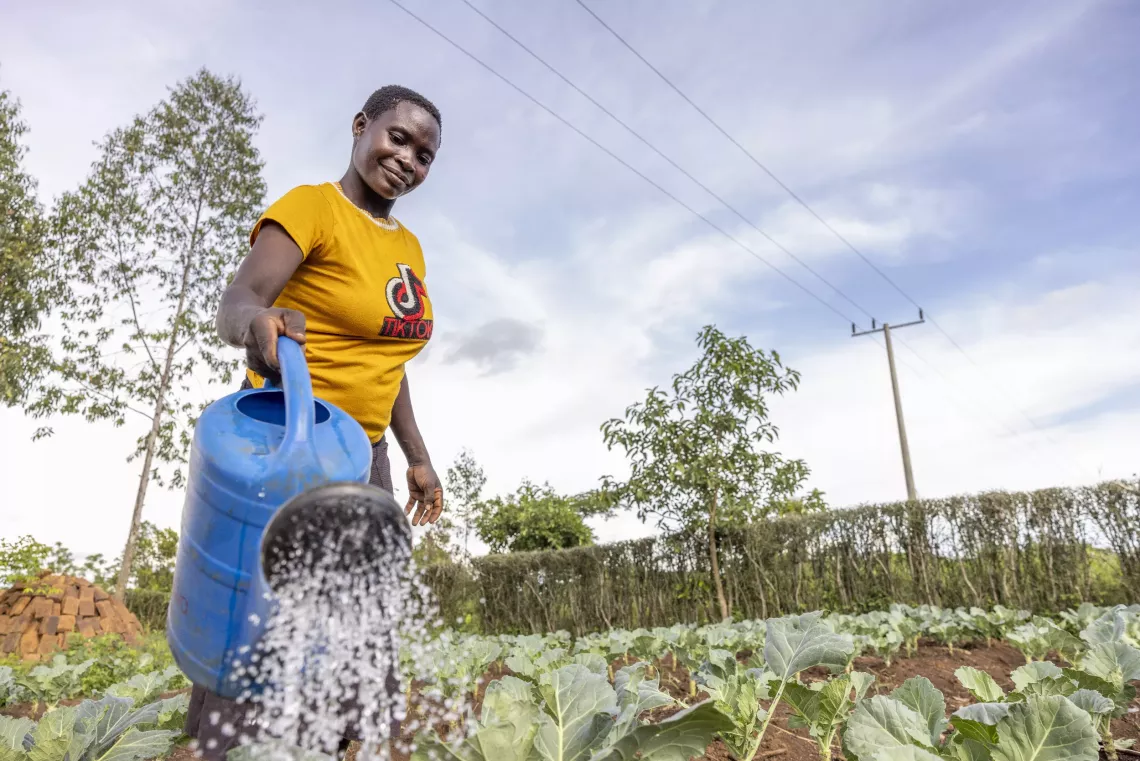
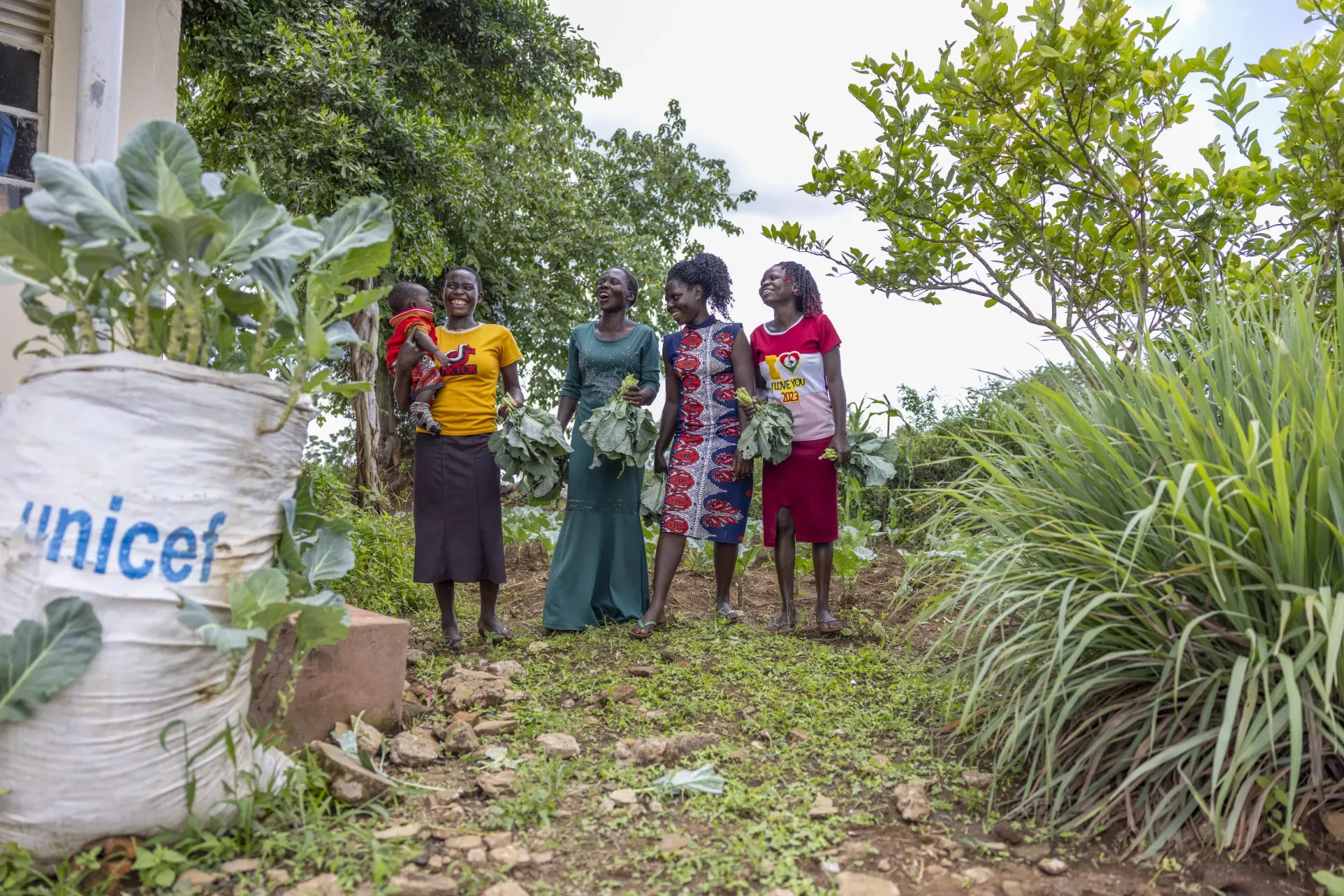
With support from the Swedish Government through UNICEF and technical guidance from the Namayingo District Production Department, health centres such as St Matia Mulumba Health Centre III and Bumooli Health Centre III have begun integrating nutrition into maternal and child health programmes (Group Antenatal Care -GANC services). Young and expectant mothers receive training on establishing and managing vegetable gardens, growing crops such as sukuma wiki (collard greens), spinach and eggplants, food preparation and basic financial skills.
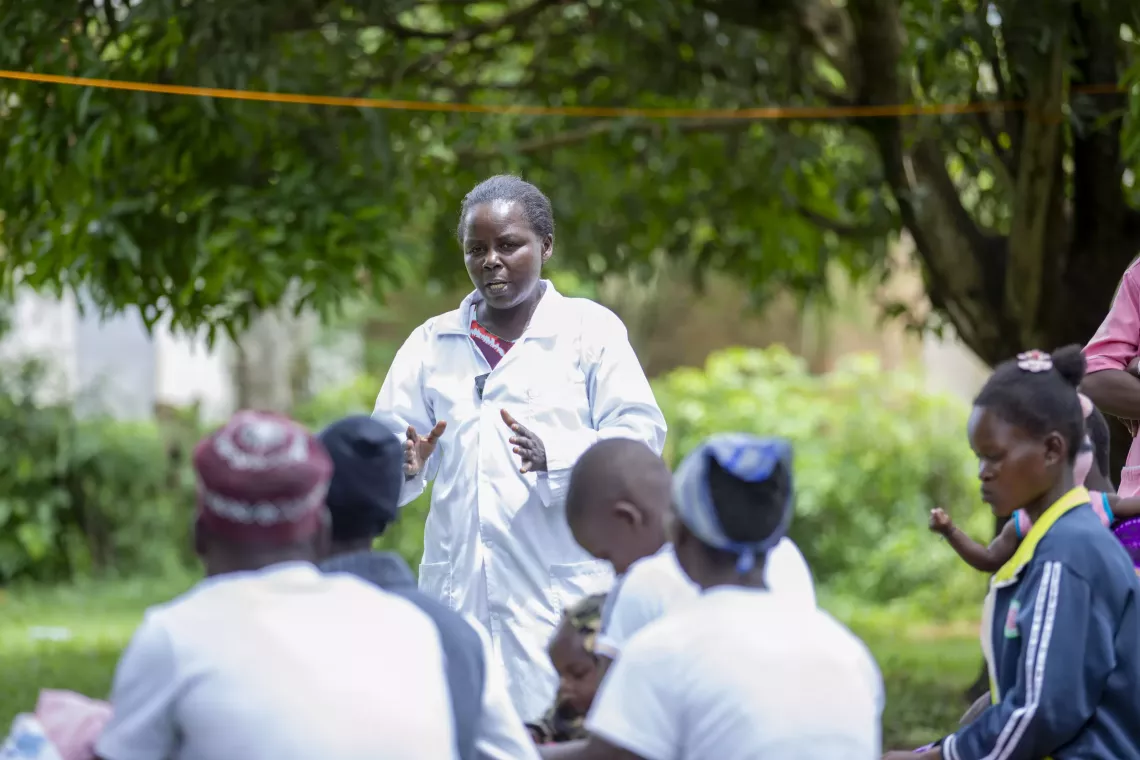
“When we treat babies, some mothers cannot afford to pay, or they turn to unregulated drug shops,” explains Sister Imelda Nafuna, the facility in-charge at St Matia Mulumba. “…we have grouped the mothers by age, showed them how to grow their own food, and now they can eat or sell vegetables to buy soap and other essentials.”
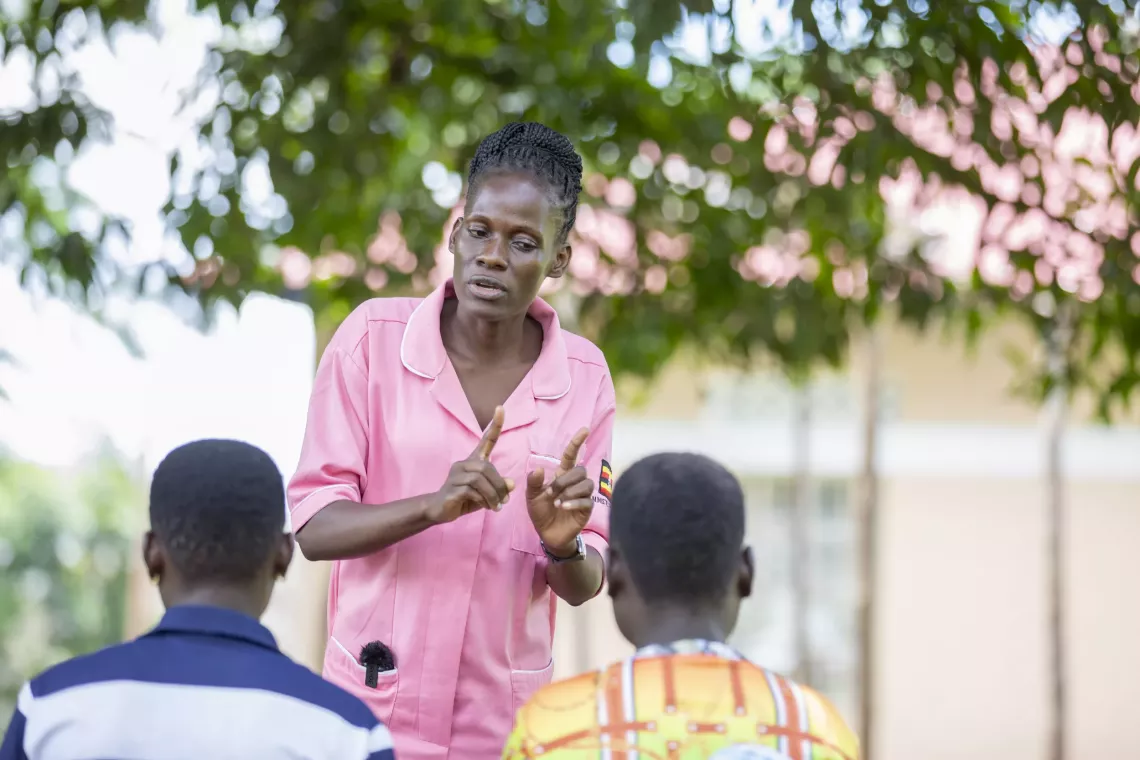
The approach is not only practical but also transformative for teenage mothers irrespective of their HIV status. Teenage mothers, previously isolated and stigmatized, now meet in safe spaces where they learn, share and grow together. This separation from older mothers fosters openness, boosts confidence and enhances service uptake. For the mother living with HIV, this initiative also aligns to the Global Alliance activities for ending AIDS in children in Uganda country priorities, closing the Prevention of Mother to Child Transmission (PMTCT) gap and addressing needs of pregnant and breastfeeding adolescents
“Previously, we’d have around 80 to 90 mothers coming for antenatal sessions,” says midwife Sarah Mirembe. “Now we register up to 120 every month. And we’ve seen fewer cases of maternal malnutrition.”
Eighteen-year-old Brenda Nafula from Bukwanja Village shared her journey:“I’ve made UGX13,000 (US$4) so far from selling vegetables. My baby is healthier, and I plan to grow more. I feel more hopeful.”
Her neighbour Jackline Nabwire, aged 24, adds: “I used to just dig to survive. Now, I understand nutrition and earn from it. People respect me more.”
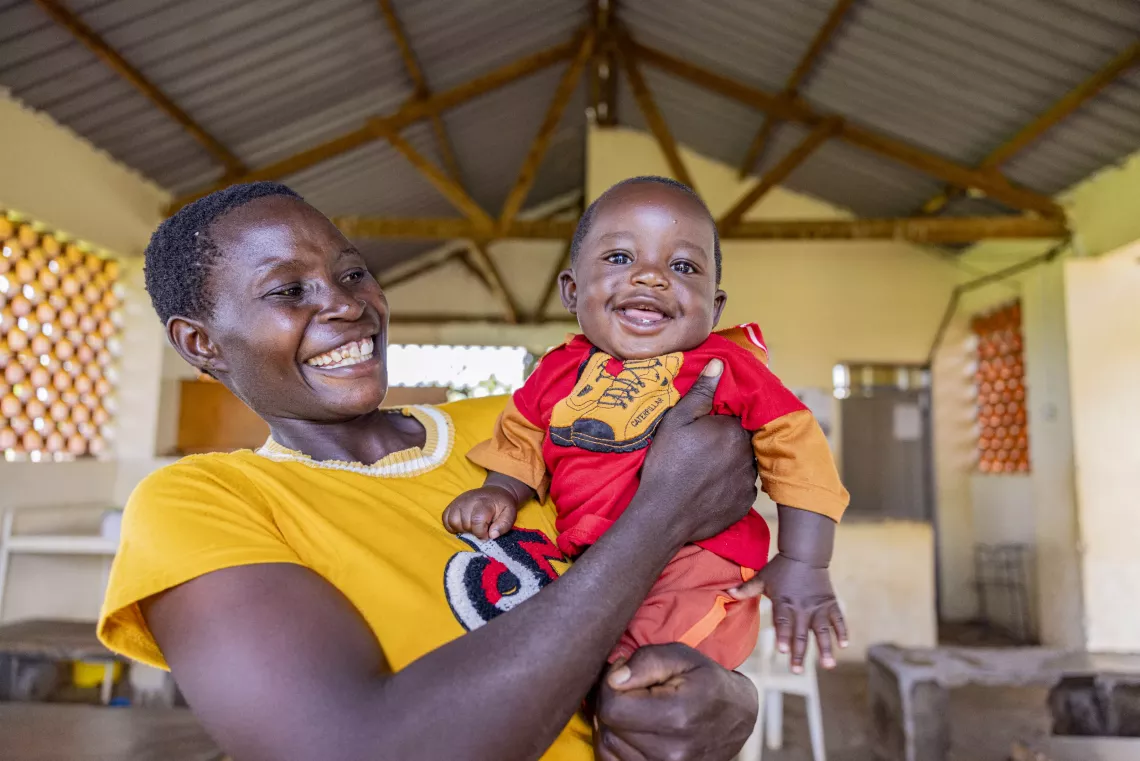
Behind these quiet triumphs stand committed district officers. Daniel Okeyoh Dembe, Senior Agricultural Officer, applauds the collaboration: “We trained the girls in nursery bed preparation, composting, and pest control. By combining agriculture, health and community development, we’re creating real impact.
Yet, the journey is not without obstacles. Betty Mwogererwa, Assistant District Health Officer for Maternal and Child Health, highlighted persistent issues: “Malnutrition and teenage pregnancies are still high. We need more enforcement, especially around illegal mining, and stronger community action.
Jaliat Namukose, District Health Educator, echoes the urgency: “We’re seeing unsafe abortions among girls as young as 14. Community sensitization and involvement of local leaders is critical.”
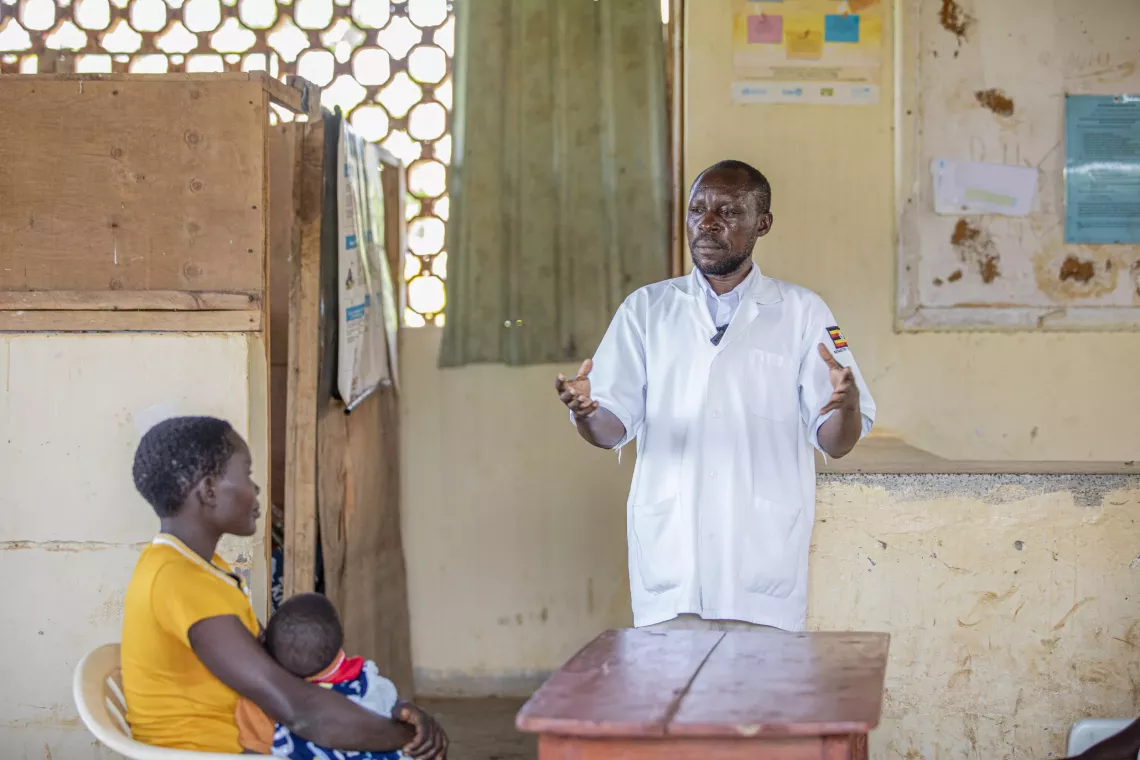
Still, the momentum is undeniable. At Bumooli Health Centre III, Sadat Mukasa, Assistant Nursing Officer, points out the multiplier effect of kitchen gardens: “We have used the nutrition as another opportunity to also discuss family planning and child spacing. Even men are starting to pay attention.”
Kamuli District: Poultry, peer support and economic empowerment
While Namayingo cultivates vegetables, Kamuli District nurtures potential through the Young People and Adolescents Peer Support Programme (YAPS), a flagship model by Ministry of Health supported under the Joint UN 2gether 4 SRHR Programme.
Here, empowerment wears many hats: poultry farming, psychosocial support by peer, financial literacy, economic empowerment and linkage into government economic initiative for sustainability like Uganda’s Parish Development Model (PDM). These elements converge to support young people, especially those living with or affected by HIV. This initiative also aligns to the Global Alliance activities for ending AIDS in children in Uganda country priorities, promoting cross sectoral collaboration, addressing barriers to service, stigma and discrimination and strengthening meaningful involvement of women, children and adolescents living with HIV
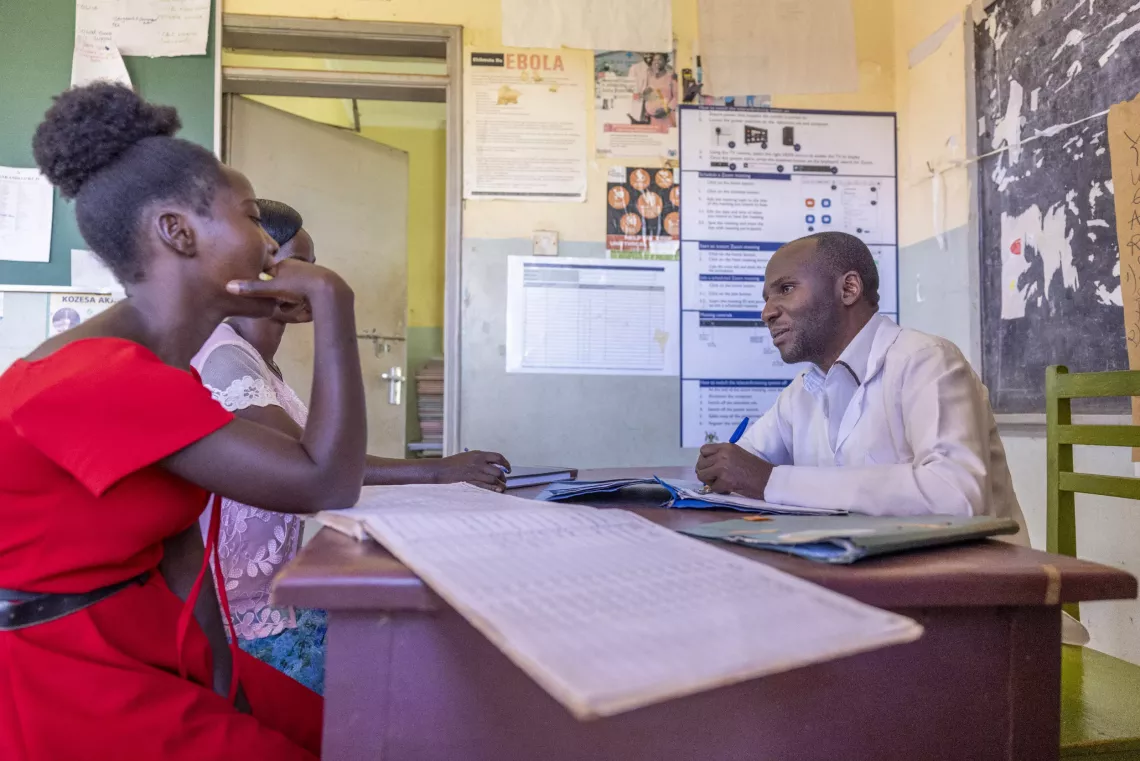
Through the peer led models (YAPS), the health and community development technical officers have empowered the YAPS as peers to provide psychosocial support, sexual health education and life skills to build trust and inspire behaviour change among adolescents in their communities irrespective of their HIV status. With technical support from health and community development officers, these peers.
The impact is visible; more young people are accessing SRHR services without fear, the adolescents are being retained in care which is contributing to the suppression of the virus leading to better quality of life. Some have returned to school; others have formed saving groups or small businesses.
Uplifting youth through knowledge, purpose and peer empowerment
Kamuli’s journey with YAPS began when the Ministry of Health adopted this peer led model to address the disproportionate HIV burden among adolescents. According to Moses Lyagoba, Assistant District Health Officer for Maternal and Child Health: “We realized the issue wasn’t just lack of treatment – it was stigma, poverty and silence. We had to act.”
With support from UNICEF, Kamuli has promoted the YAPS model to build the capacity and empowerment of the youth living with HIV to support peers on treatment adherence, self-esteem and community leadership.“Today, these youths are not just coping; they are leading and seen as champions in their communities,” Moses notes.
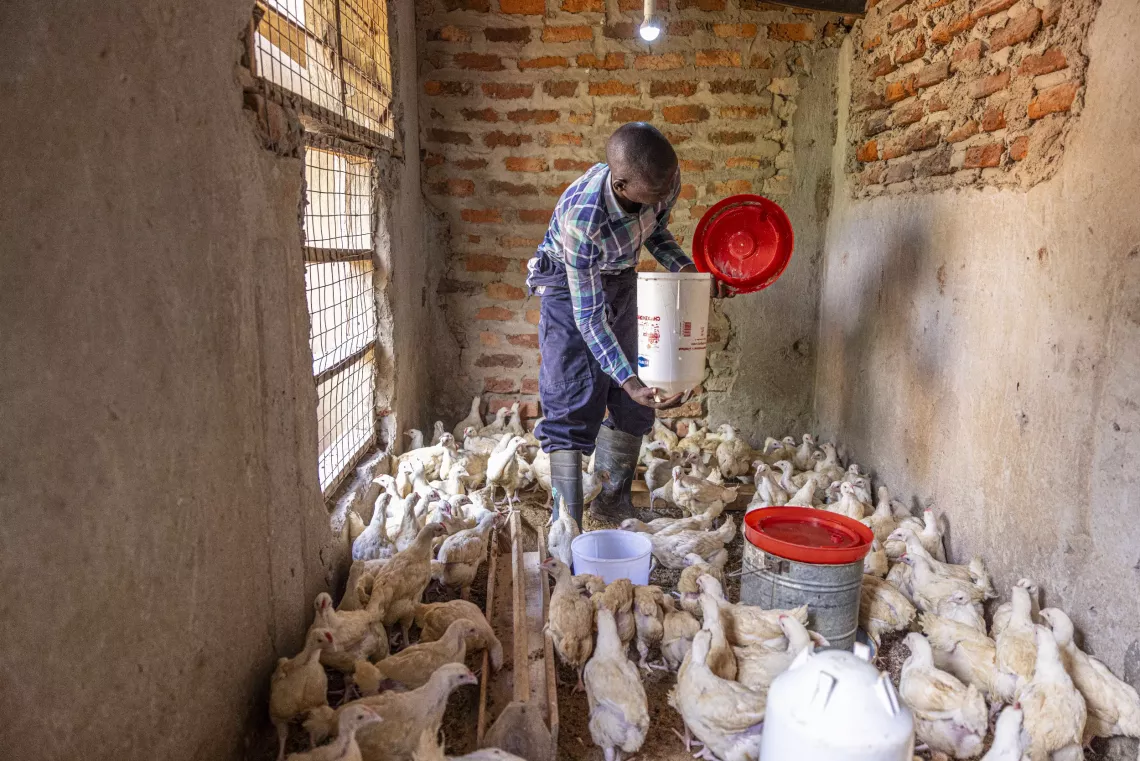
One of the programme’s shining examples is the Kamuli Network of Young People Living with HIV, which runs an economic poultry project of over 400 birds. It is more than an income source; it is a lifeline. “This programme is bound to grow more. It’s becoming more and more popular and helpful to the youth,” says Yonah Namayo, Chairperson of the Network.
Twenty-two-year-old Prossy Mirembe, a peer educator, symbolizes this transformation. By day, she mentors young people in her community. By evening, she runs a small salon and tends to her bull, Kayaayi she purchased through the PDM– a result of YAPS-linked support.
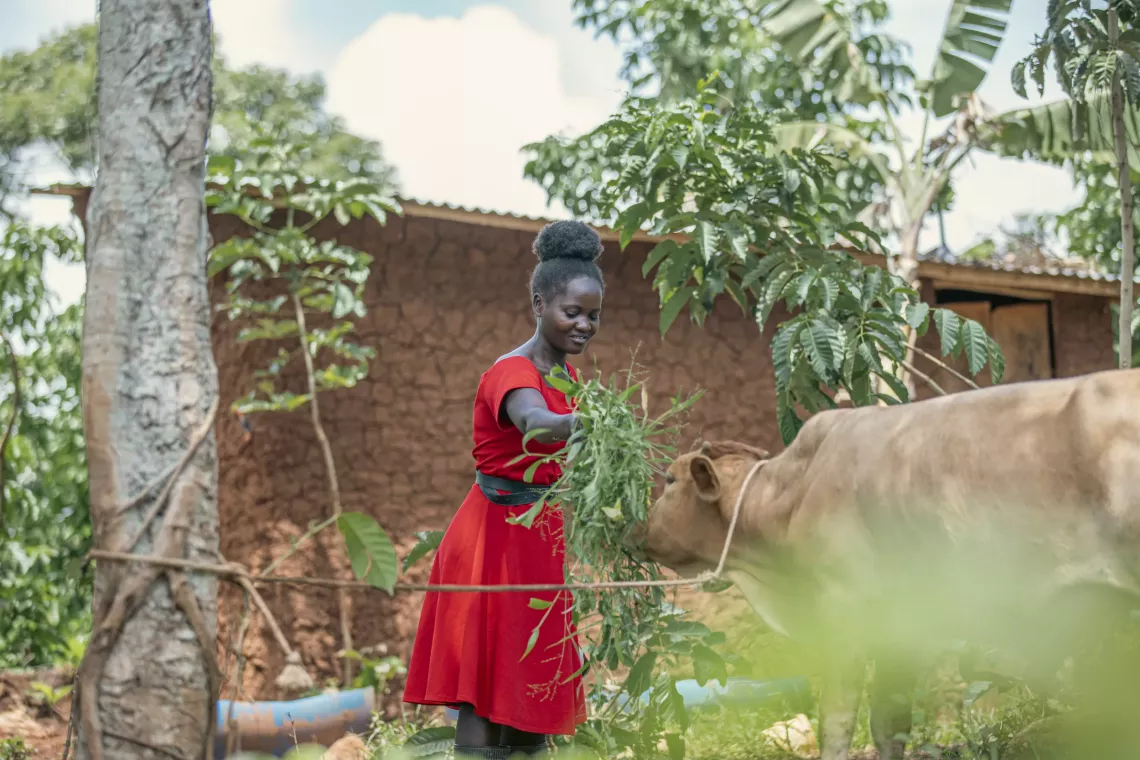
Aisha Abenakyo, District YAPS Mentor and midwife at Nabirumba Health Centre III, emphasizes the rigorous capacity building, mentorship and psychosocial support that underpin the programme’s success. “The facility supervisors and the district mentor monitor each mentor’s sessions, support them emotionally, and ensure data flows from community to health centre to district level and with the additional modest monthly financial support,” she said. “This is what sustains us.”
A future watered with possibility
Across Namayingo and Kamuli, the Joint UN 2gether 4 SRHR Programme, anchored by UNICEF and made possible through Sweden’s support, is rewriting what young people’s health looks like. From kitchen gardens to poultry coops, from peer mentorship to policy influence, a profound shift is underway.

UNICEF/UNI795706/Abdul
A family affair: Jackline and her children pick fresh leaves of sukuma wiki, Bukwanja Village, Buswale Sub-county, Namayingo District, 6 May 2025.
By integrating nutrition, economic empowerment and psychosocial support into SRHR, Uganda is moving closer to its Sustainable Development Goals; and even more importantly, putting power back in the hands of its youth.
“The information doesn’t just stop at the health centre; it reaches the community,” concludes Humphrey Oundo Makokha, Principal Health Inspector, Namayingo District. “And the community is responding.”
Thanks to the unwavering support of UNICEF, dedicated district teams and the Swedish taxpayers, young people once seen as vulnerable are now vibrant agents of change –growing hope, one seed, one conversation, one peer at a time.