Communities boldly tackle child marriage and Female Genital Mutilation
UNICEF-supported programmes are helping communities sing a different tune against female genital mutilation (FGM) and child marriage

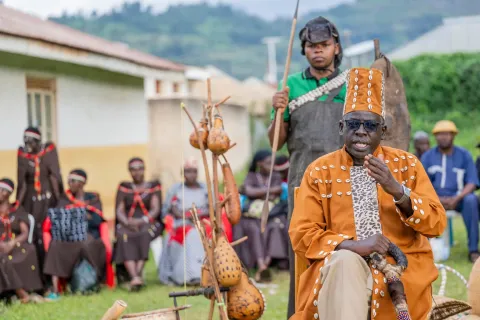
Singing the Sabiny cultural anthem alongside members of the Sebei Cultural Union, the Kingo of Sebei, Peter Swilike Kiisa, has made a firm pledge to end female genital mutilation in the region.
While the national prevalence of female genital mutilation (FGM) across Uganda stands at 0.2 per cent, the reality in eastern Uganda’s Sebei subregion is starkly different. Spanning Kapchorwa, Kween and Bukwo districts, rates climb from 13 per cent to over 50 per cent in some sub-counties. Child marriage follows a similar pattern, with 30 per cent of Ugandan women aged 20 to 24 married before age 18.
UNICEF baseline studies reveal a stark contradiction. Most people in Sebei privately oppose FGM and child marriage, and over 90 per cent of surveyed respondents say families expect girls to delay marriage. Yet both practices persist because of silent social pressure, poverty and fear of stigma. Koli Christine, child protection officer at UNICEF Uganda, explains that families often assume everyone else expects them to conform, trapping parents between what they know is right and what they fear the community will demand.
Through the UNFPA-UNICEF Joint Programme on the Elimination of Female Genital Mutilation and the Global Programme to End Child Marriage, UNICEF is supporting communities to turn private opposition into visible, collective action.
Saving for a different future
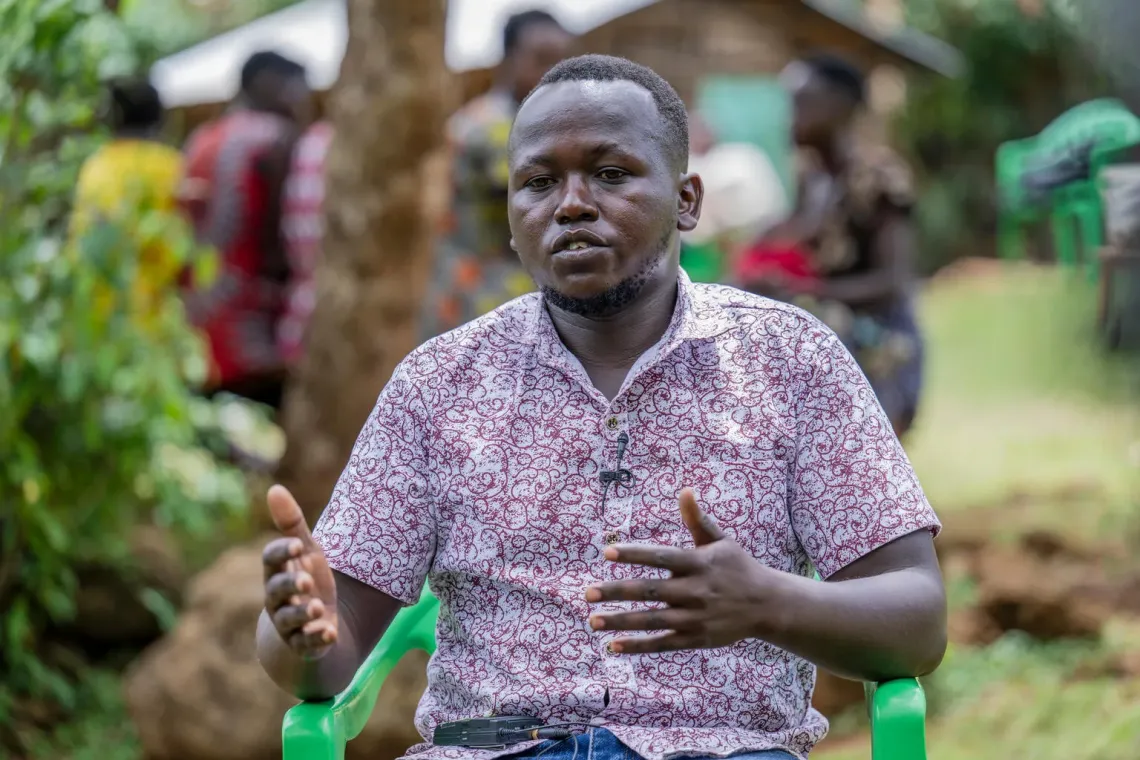
Walter Cherotich (right) and Clinton (left) are members of a youth savings group supported by UNICEF. While Walter provides leadership to the group based in Kaptandar Village, young men like Clinton are becoming crucial allies in the broader fight against child marriage. Clinton was once determined to marry an underage girl, but staying busy and learning about the devastating realities of early marriage has completely changed his stance.
Economic hardship often pushes families toward child marriage and FGM as a route to dowry and financial survival. The group chaired by Walter is building an alternative. Formed after a 15-day UNICEF-supported life skills training for 18 adolescents, including five boys, the group began pooling UGX 2,000 (US$0.48) per member each week.
By the end of 2025, the number had grown to 40 and their savings had reached UGX 4 million (US$956) funding small loans, goats and savings toward calves.
Choosing a different path
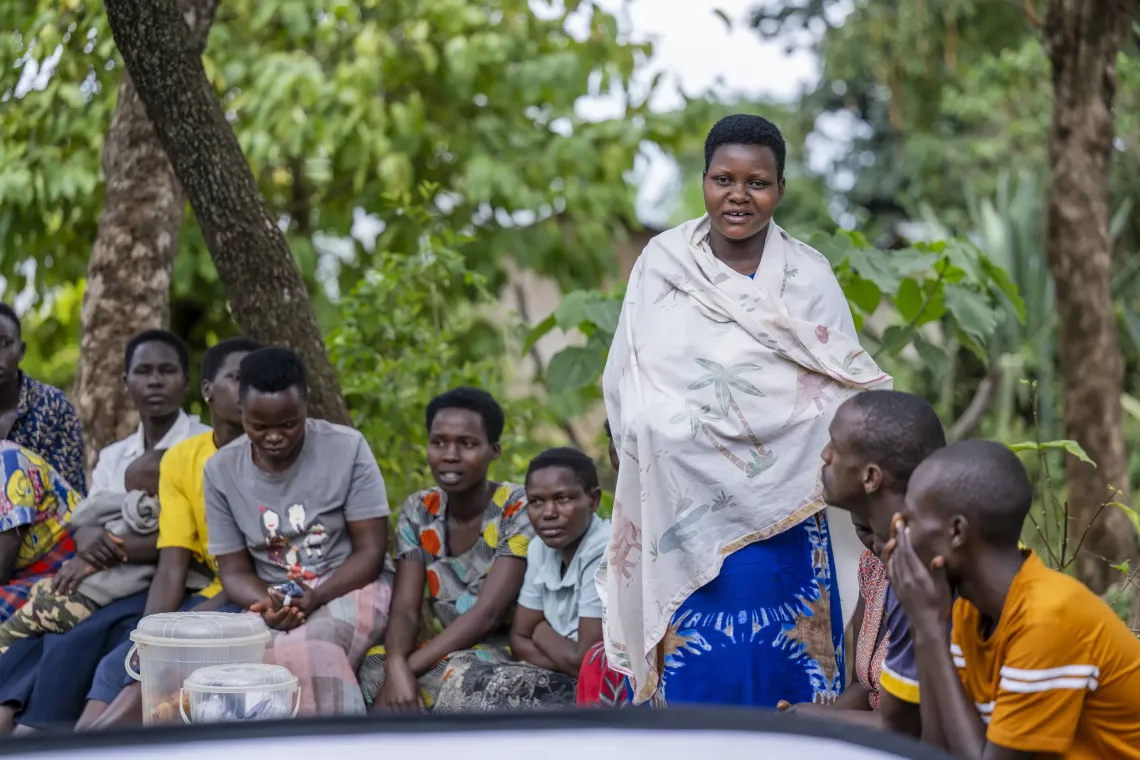
Winnie Chelangat speaks out at the group's weekly meeting. Adolescents face the highest risk of FGM and child marriage, yet they are often the least informed and least included in household decisions. Before joining a UNICEF-supported life skills training, Winnie had considered undergoing FGM. Learning about the health consequences changed her decision. Today, she raises goats with her youth group and earns her own income.
“I was considering going under the knife, but after the information I have received, I will never allow to be cut,” she says.
Changing mindsets from the ground up
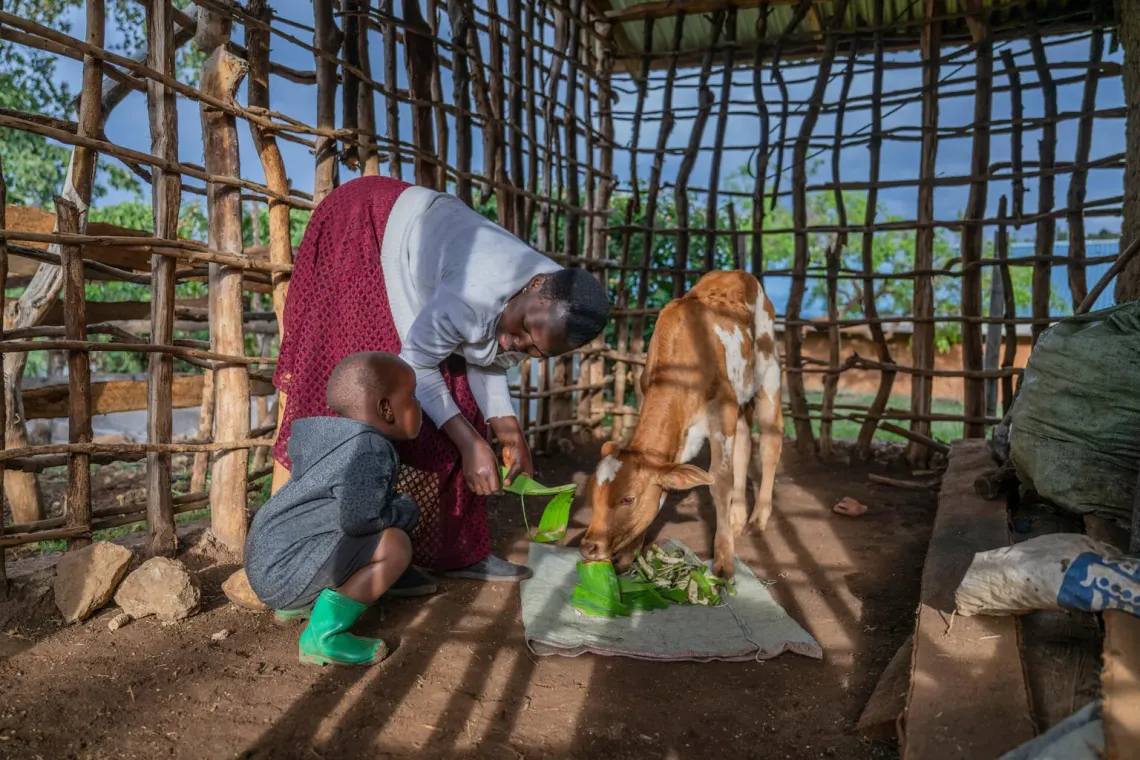
Fiona Chelangat feeds her calf as her son looks on. A member of the Matingot Model Parents Savings Group, she meets weekly with other parents identified and trained by Community Development Officers, with UNICEF support, using the national parenting manual of the Ministry of Gender, Labour and Social Development (MGLSD). The Model Parent approach equips caregivers with practical skills in positive parenting, child protection and non-violent discipline. By strengthening parents’ understanding of children’s rights and their role in protecting them, the approach helps create family environments where harmful practices such as FGM and child marriage are less likely to be accepted.
Through their savings group, members are already lending money to one another, with hopes of growing their savings and eventually purchasing cows.
Preserving culture without the cut
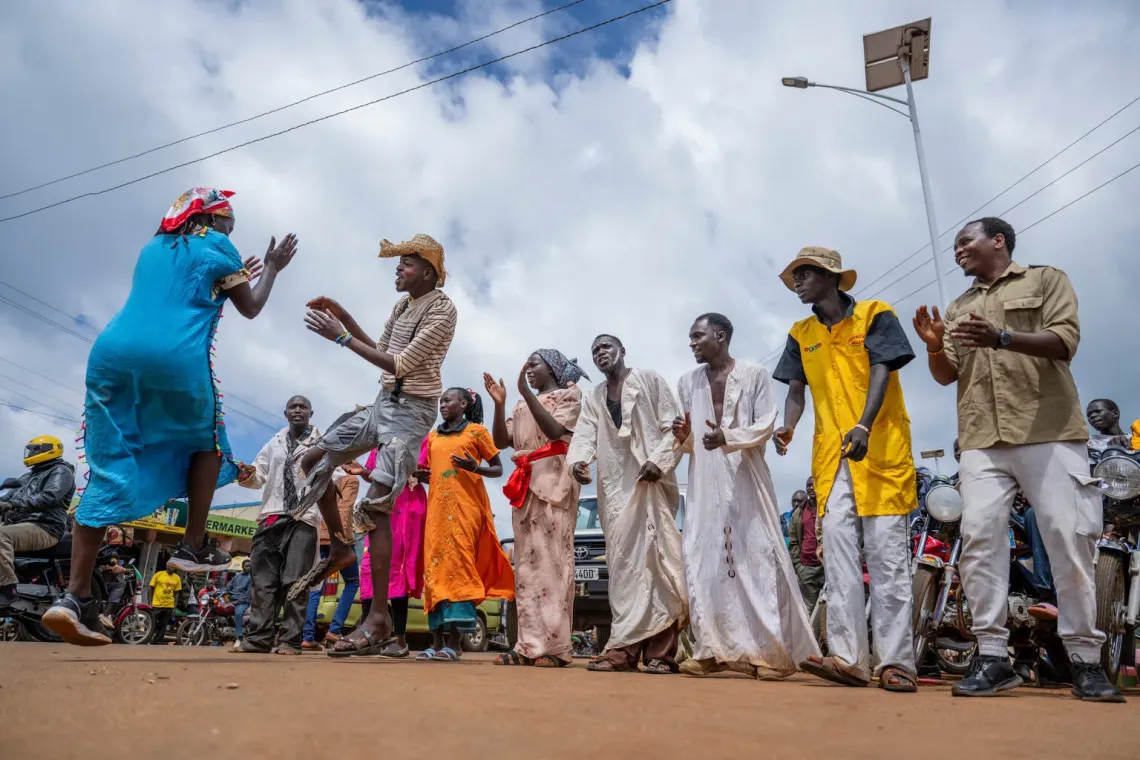
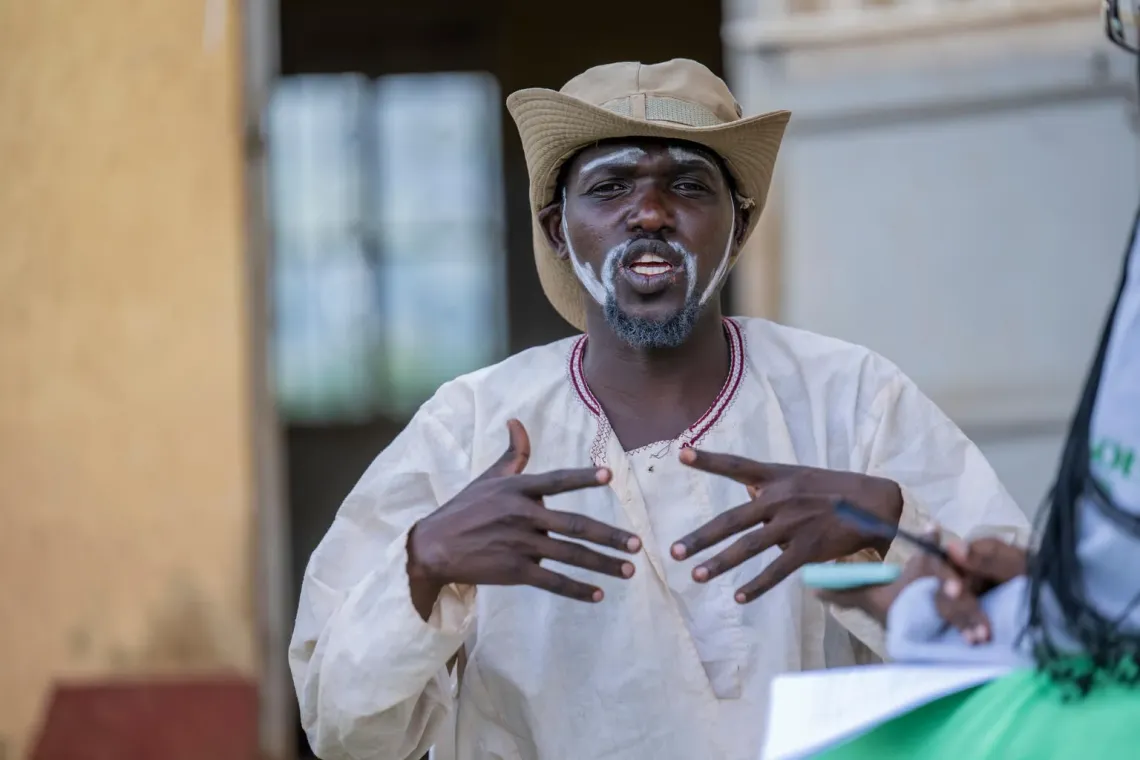
Sebei Cultural Storytellers, a music dance and drama group supported by UNICEF, participates in anti-FGM and anti-Child marriage drama sensitisation sessions in the middle of Kapchorwa Town.
UNICEF research indicates that mothers and peers frequently oppose FGM, yet fathers and clan authorities often hold final decision-making power. Engaging the community and traditional leaders is shifting that dynamic. Working with clan heads and UNICEF, the Sebei Cultural Union developed the Sabiny Women’s Alternative Rite of Passage (SWARP), a curriculum for girls aged 14 to 20 that retains positive cultural mentorship while teaching health, hygiene and practical life skills. Leaders now use weddings, funerals and public gatherings to speak openly against cutting.
The price of refusing the cut
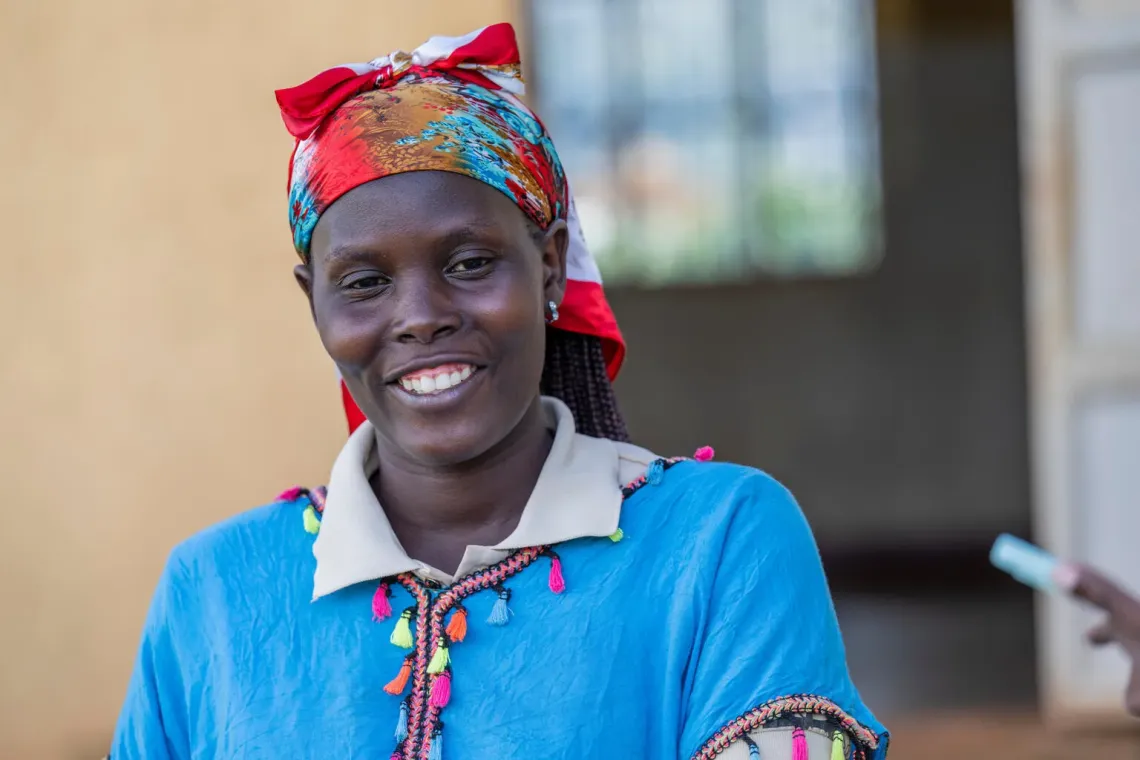
Rebecca Chebet (right) and Faith Cherotich (left), members of the UNICEF-supported Sebei Cultural Storytellers Drama Group, speak out against FGM.
For many families, the perceived cost of abandoning FGM, including social rejection, family conflict and reduced marriage prospects, still feels too high. Rebecca Chebet faces that stigma daily.
“We are considered dirty because we have not undergone FGM. My grandfather would rather send a younger girl to go to the granary instead of me. I don’t mind because I will not allow my body to be exploited as a source of income for circumcision surgeons,” she says.
Breaking that stigma, while challenging the financial incentives that sustain practitioners, remains central to UNICEF’s work with families and local leaders.
When cutting happens after childhood
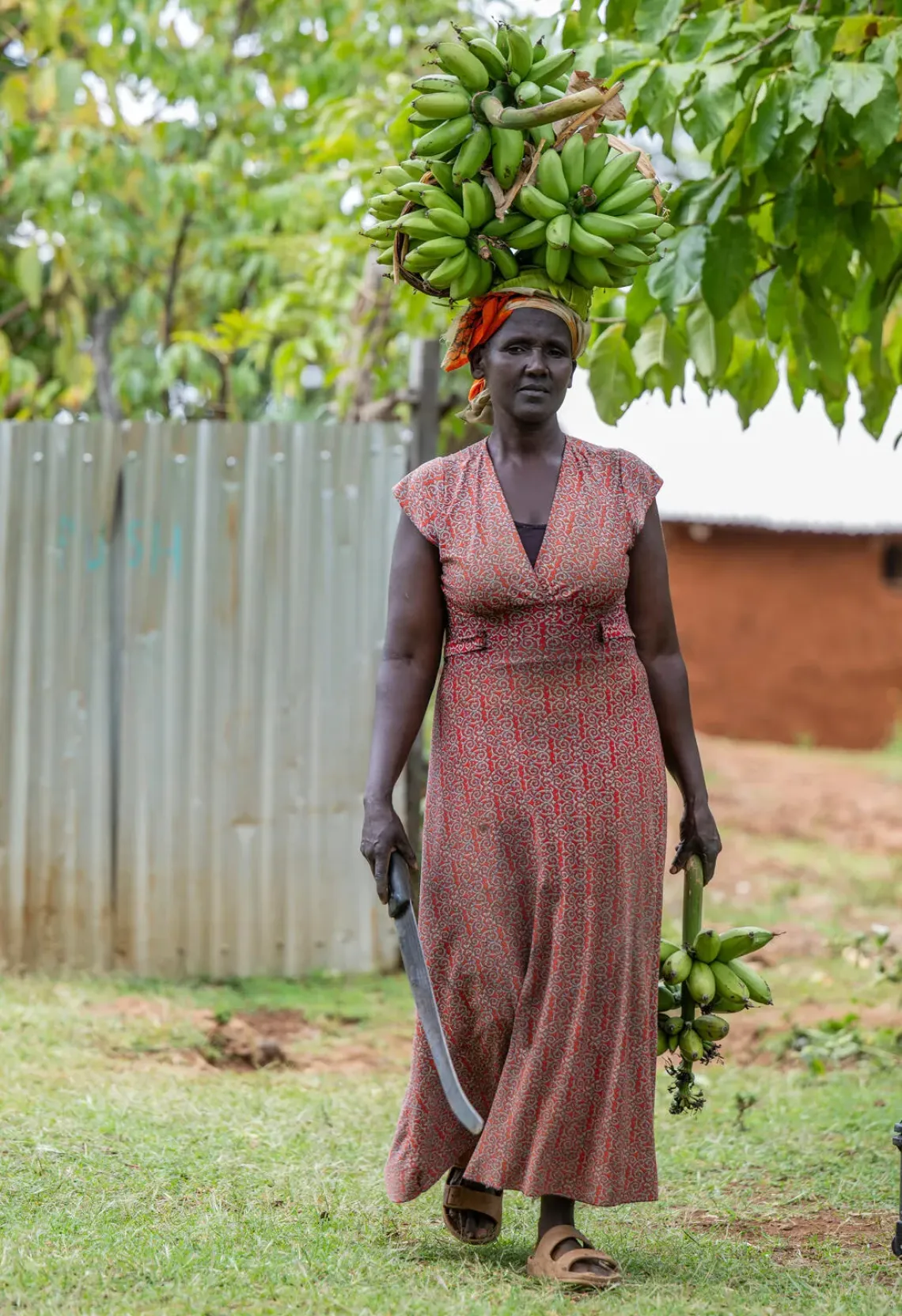
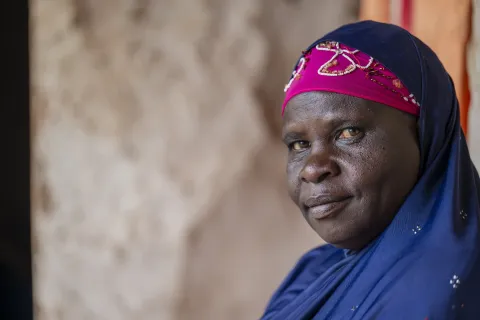
Immaculate Chepturok returning from her banana plantation with the day’s bounty. FGM in Sebei does not end in adolescence. Remembering being forced to undergo cutting after marriage, Immaculate recalls feeling worn down by persistent exclusion from her in-laws and other women. She also warns that some traditional birth attendants still pressure uncut women into undergoing the procedure during childbirth, when they are most vulnerable.
“I was forced into FGM after I got married because life became too hard for me. I was ostracised by my in-laws and fellow women,” she says.
Her testimony underscores why UNICEF supports stronger health and protection systems so adult women and girls alike are protected from coercion.
Men as allies for change