“Child marriage and FGM are twin vices that we are determined to stomp out,” say Sebei leaders
“The Sabiny are part of the Kalenjin ethnic group, which historically practised female genital mutilation. But as a community, we have agreed to do away with it," Peter Swilikei Kissa
Peter Swilikei Kissa delivered a message that would have been unthinkable a generation ago: the Sabiny must give up female genital mutilation (FGM).
As a cultural leader (Kingo) of the Sabiny, Kissa knows how deeply the practice is woven into local identity. Yet he insists that ending FGM is not about erasing his people’s heritage, but deciding which traditions belong in the future and which ones put children in danger.
“The Sabiny are part of the Kalenjin ethnic group, which historically practised female genital mutilation,” Kissa says. “But as a community, we have agreed to do away with it.”
Even with growing pushback from traditional authorities, the numbers show how stubborn both FGM and child marriage remain. While FGM affects less than 1 per cent of women across Uganda, UNICEF estimates that 200,000 girls and women in the country have undergone the cut, most of them in eastern border sub-regions like Sebei and Karamoja. In some rural sub-counties, prevalence still exceeds 50 per cent, and strict legal enforcement has pushed cutting into secrecy or across the Kenyan border to avoid arrest.
Child marriage is just as entrenched. According to the UNFPA–UNICEF Global Programme to End Child Marriage, Uganda is home to 5.5 million child brides, with roughly one in three girls married before their 18th birthday and 6 per cent before age 15.
FGM and the link to child marriage
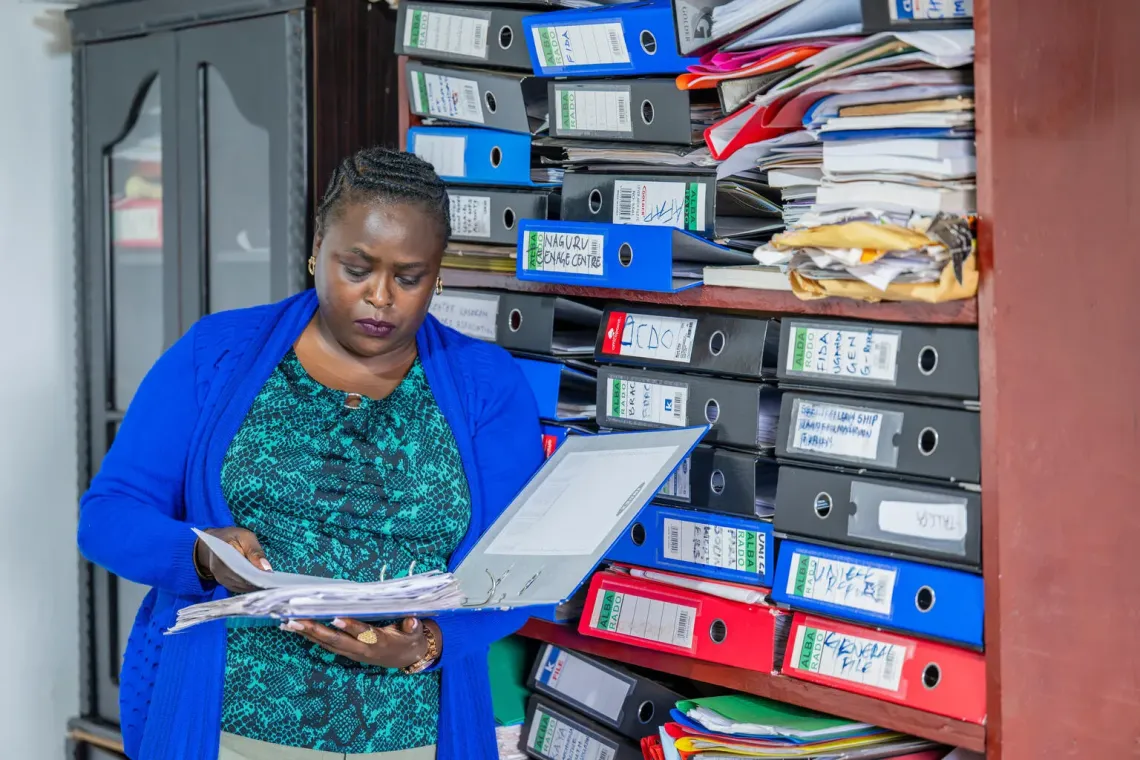
In Sebei, one often leads directly to the other. Harriet Aseko, Kapchorwa District’s Community Development Officer, explains that once a girl undergoes FGM, her community frequently views her as an adult ready for marriage, regardless of how old she is. Household poverty, the lure of bride price and a habit of prioritising boys’ schooling over girls’ only deepen that vulnerability.
Over two decades in community development, Aseko saw early on that laws alone would not stop a practice driven by social pressure. Lasting change had to begin inside homes and villages.
“We realised that the people harming and cutting children were their own parents, neighbours and cultural leaders, so we asked ourselves: what do we do? We sat down, designed community-led dialogues and went directly to the people.”
With support from UNICEF and partners, Kapchorwa District began hosting community dialogues where families, elders and religious leaders openly discuss the health and human rights toll of FGM and child marriage. Several communities have since made public declarations to abandon both practices, backing up those pledges through local radio shows and clan meetings.
Engaging men and boys
Bringing men and boys into those conversations has been essential. In a largely patriarchal society, men carry heavy influence over marriage and household decisions, while women who refuse the cut often face intense social backlash. Aseko still remembers interviewing women arrested over FGM in 2012 who had given in after being mocked by their husbands or shunned at community wells. Breaking that cycle, she says, only works when men and women reject the stigma together.
That push for accountability extends directly to law enforcement. With support from UNICEF, Kapchorwa Police’s Child and Family Protection Unit is strengthening efforts to prevent FGM and child marriage through officer training, community sensitisation and survivor referrals. Working with community leaders and other professionals, officers engage communities through radio programmes and outreach.
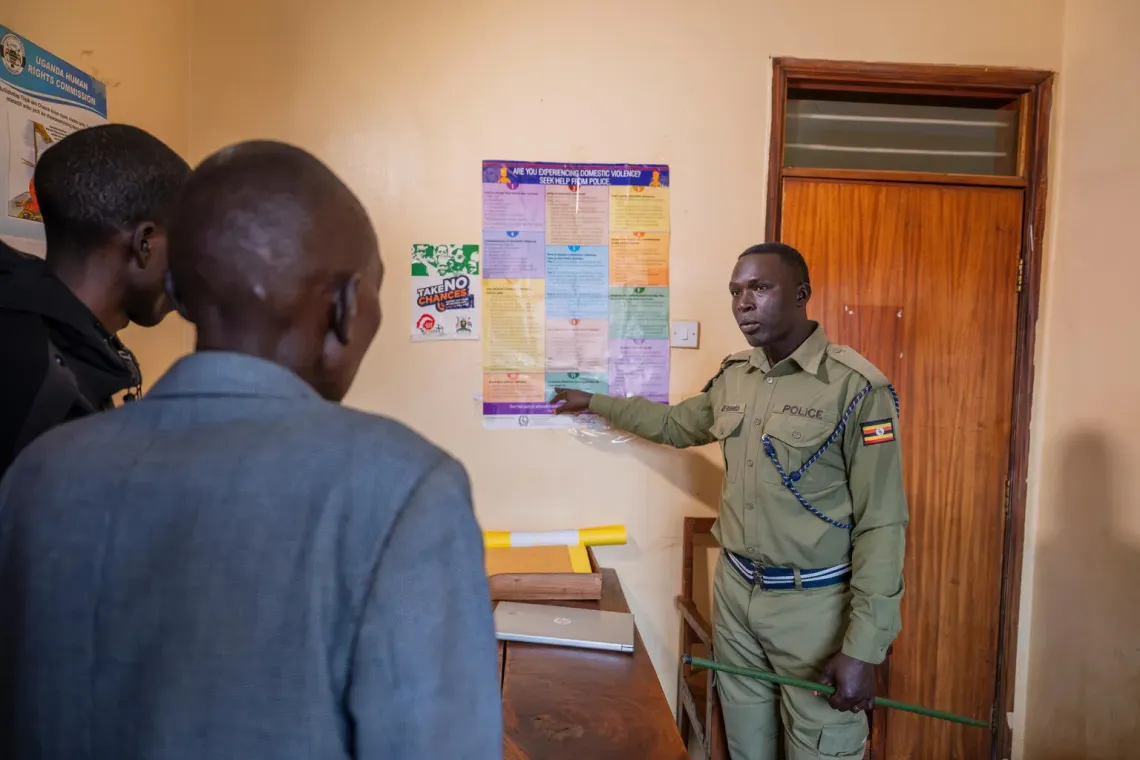
Sergeant Stephen Bushendich says the intervention is contributing to a reduction in FGM, although challenges such as inadequate transport and shelter continue to affect service delivery.
“Of late, we have been having trainings from UNICEF, which have actually helped Child and Family Protection to go outside for sensitisation. To me, I’m seeing that FGM has been reduced,” he says.
Offering alternative rite of passage
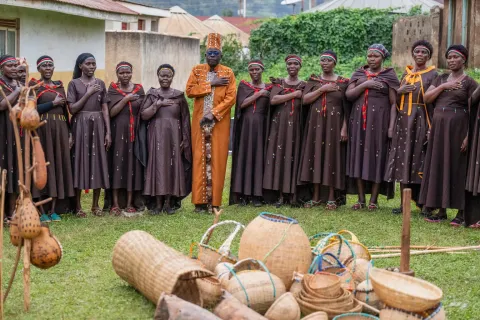
To keep girls from feeling excluded when they bypass traditional rites, the cultural institution introduced a safe alternative. Through UNICEF-supported engagements with the Sebei Cultural Union between 2025 and 2026, clan heads and elders rolled out the Sabiny Women’s Alternative Rite of Passage (SWARP).
Backed by a formal resolution from the council of clan leaders, the programme works with girls aged 14 to 20. It keeps the mentorship, cultural teachings and public celebration of stepping into adulthood while removing cutting altogether, pairing traditional guidance with practical sessions on health, hygiene and home economics.
For Kissa, lasting change depends on persuasion rather than force. “You cannot just impose it,” he says. “This is about mindset change.”
That shift is now reaching beyond clan leaders. Alongside cultural outreach, UNICEF-supported programmes in Kapchorwa work with youth drama groups and boda boda (motor cycle taxi) riders to curb teenage pregnancy and the sexual exploitation of schoolgirls, while quarterly Child Well-being Committee meetings bring police, judicial officers and local leaders together to coordinate protection cases.
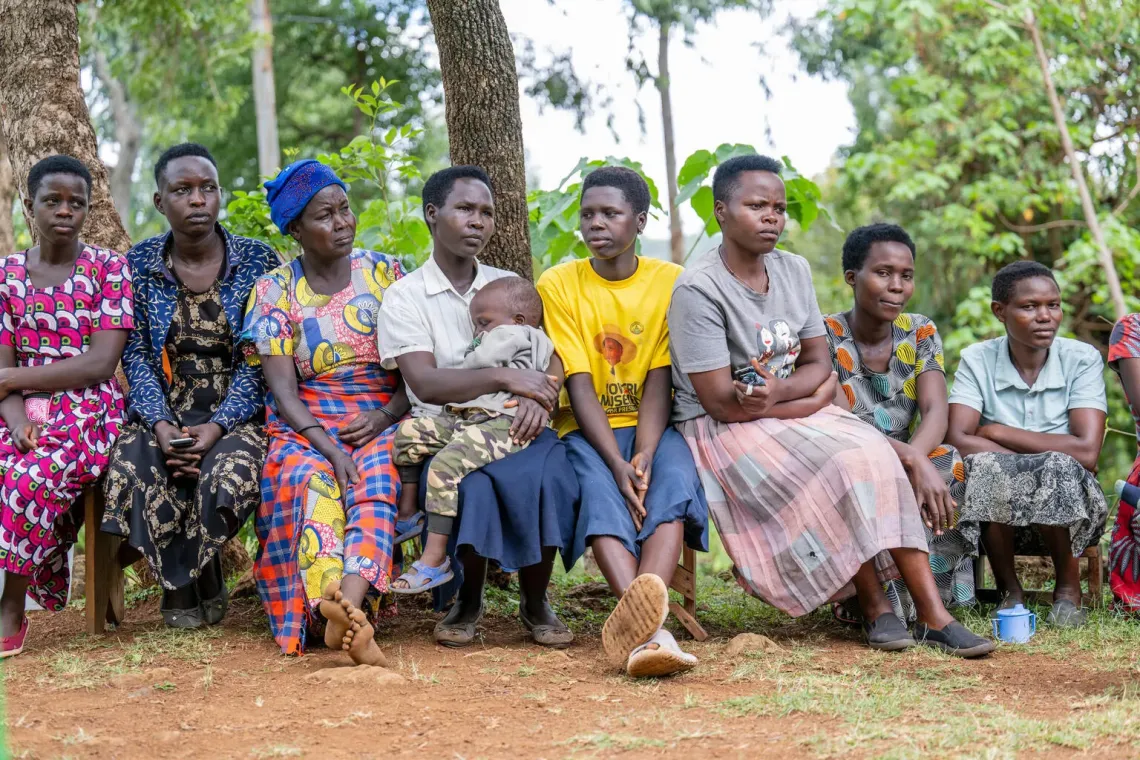
For Aseko, the clearest proof of progress is watching girls and survivors speak up. More students are reporting sexual harassment at school, while advocates like Kasifa Chebet, a popular FGM survivor who now campaigns openly against the cut, are determined to spare their daughters what they went through.
Uphill task awaits
Reaching every family, however, remains an uphill climb. Kapchorwa’s steep mountain terrain and scarce transport make it difficult to reach remote villages, and UNICEF-supported activities currently cover three sub-counties and two municipal divisions, reaching roughly 10 villages and 2,500 children.
Still, Kissa believes cultural pride and children’s rights can move forward together.
“With the resources we have, we are making a real impact, helping our people appreciate what is good in our culture while rejecting the parts that are harmful and no longer have a place,” he says.
Kapchorwa has set a target to end FGM and child marriage across the district by 2030. Meeting that deadline will take more than public pledges. It will mean keeping girls in classrooms, reaching the most isolated mountain villages and giving local leaders and families the support they need to protect every girl.