Bundibugyo Virus Disease (BVD)
Outbreak Response Plan and Updates
Highlights
Background
Uganda is facing a new Ebola outbreak caused by the Bundibugyo strain, confirmed by the Ministry of Health on 15 May 2026 after an infected traveller from the Democratic Republic of Congo (DRC). The outbreak is unfolding in a wider regional emergency centred in eastern DRC, where insecurity, high population movement and fragile health services are making containment more difficult.
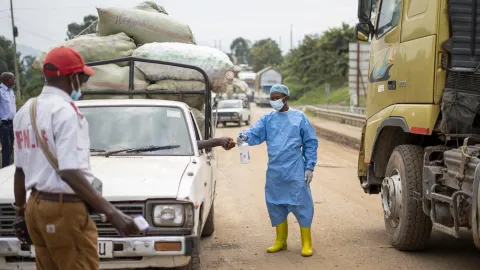
In Uganda, the immediate public health risk is heightened by the long and porous 800 km border with DRC, intense trade and family movement, and the possibility of further transmission in communities, health facilities and transport hubs.
Government Response
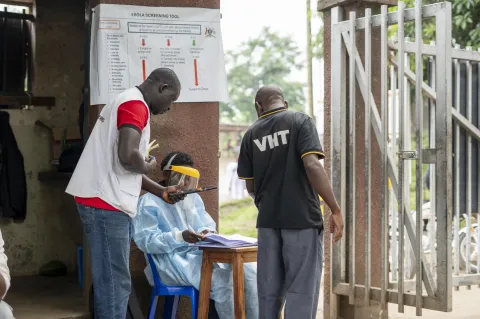
The Government has moved rapidly, activating national and regional emergency coordination structures, listing and following contacts, and launching its National Response Plan for the first three months of the outbreak. The plan focuses on the 37 districts along the DRC–Uganda border and the Kampala Metropolitan Area as the most at-risk locations.
Wider Impact on Essential Services
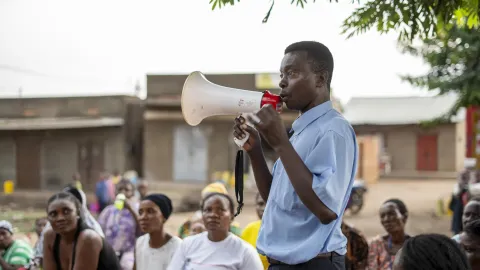
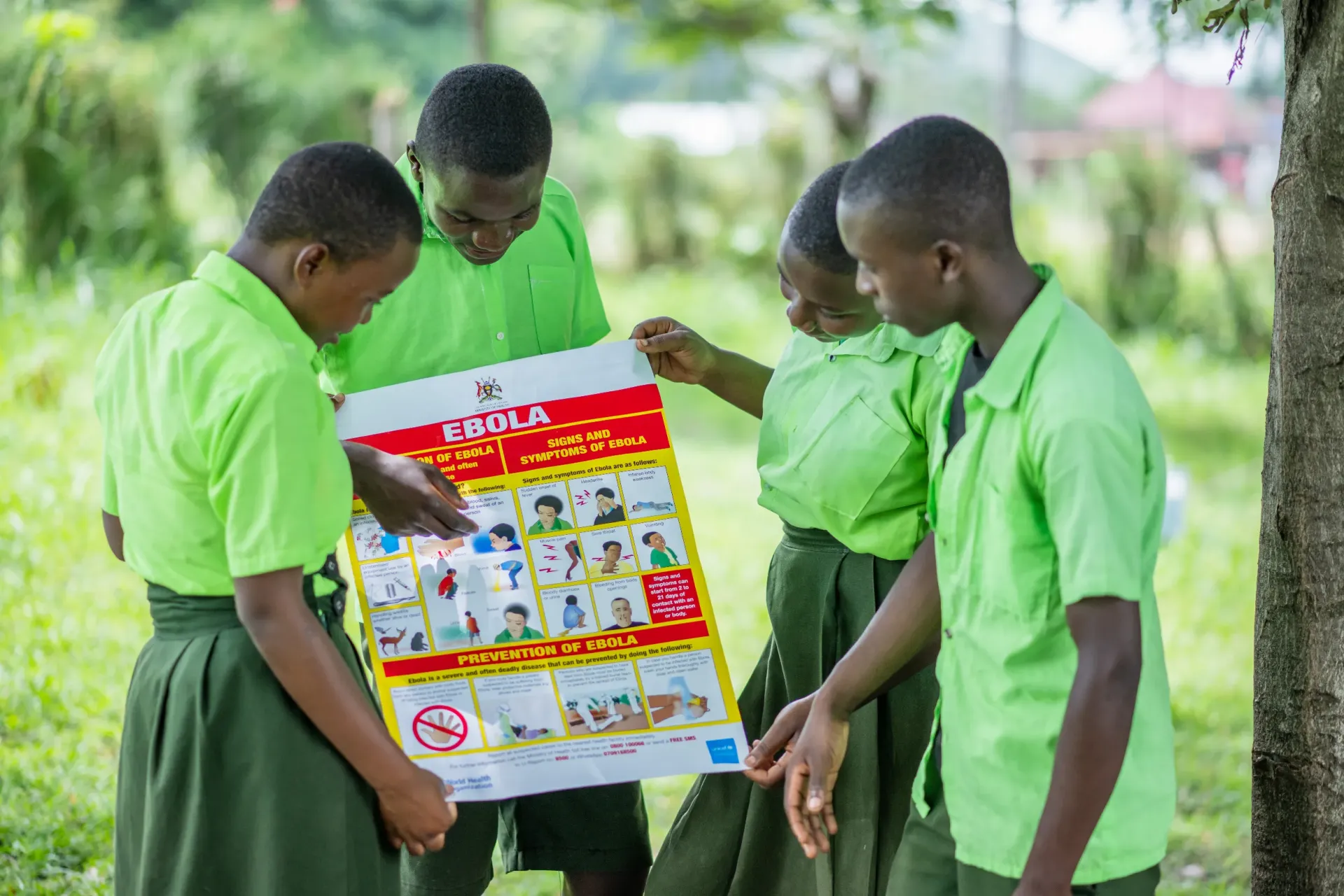
The threat goes beyond the virus itself. Ebola can disrupt routine health care, nutrition services, safe learning, water and sanitation, child protection and family livelihoods. Children are especially vulnerable when fear, stigma and service interruptions take hold. Early action is therefore critical not only to stop transmission, but also to protect essential services and prevent a wider social crisis.
Outlook
With timely support, Uganda has the experience and systems needed to contain the outbreak quickly. However, since the focus of transmission remains in the DRC, Uganda will remain at risk as long as transmission continues there. This is requiring intensified efforts in all border districts with DRC irrespective of the number of cases detected in Uganda.