Rebuilding Connections: Mothers Finding Their Voice in Kilis
Empowering displaced mothers to nurture and communicate effectively with their children
- Türkçe
- English
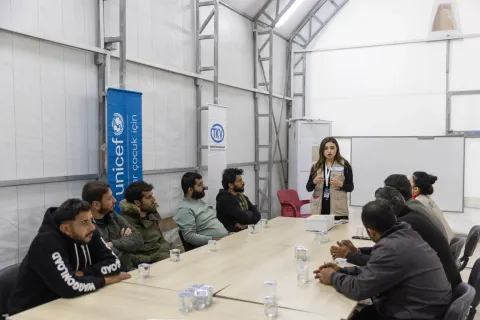
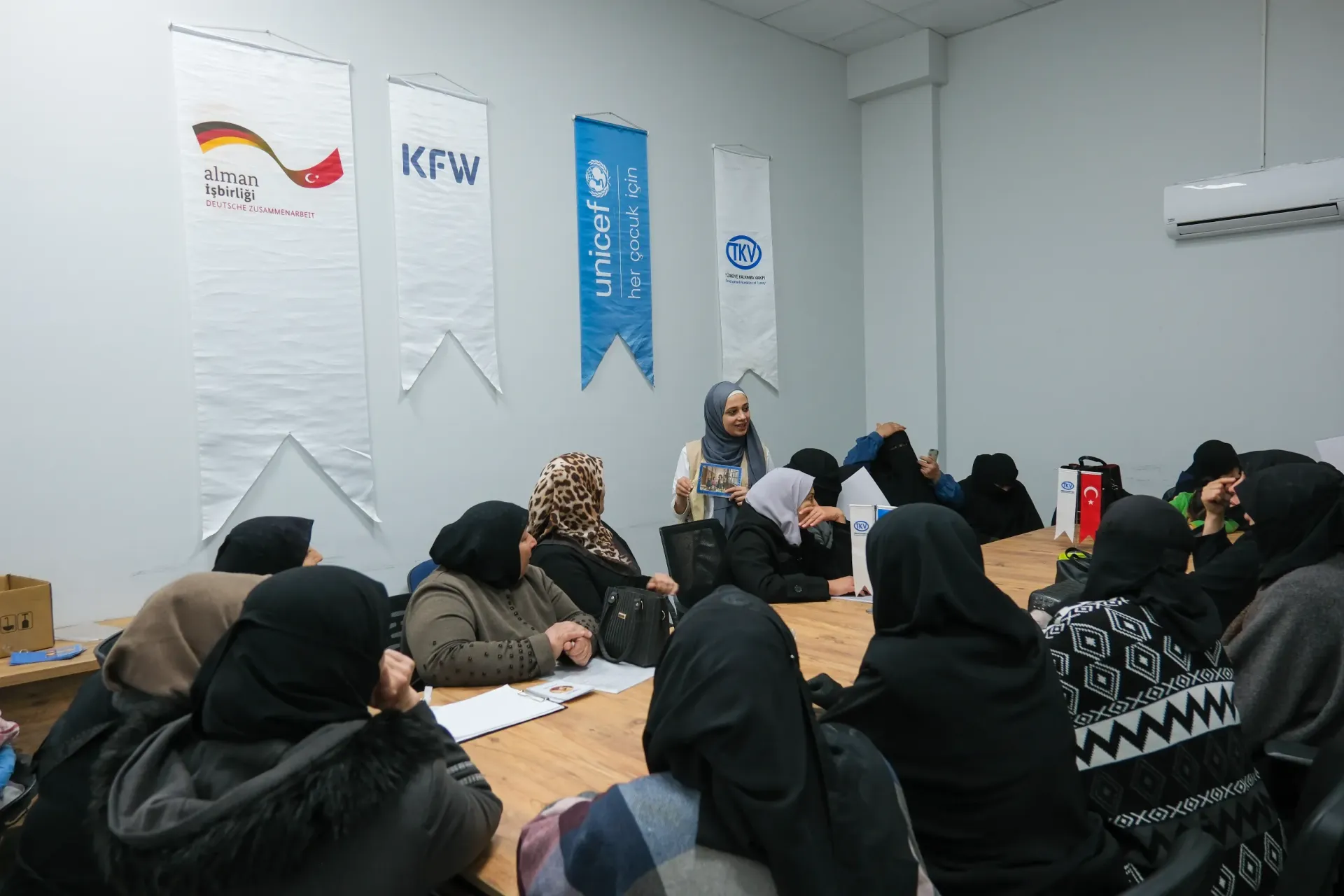
In a modest community centre in Kilis, mothers gather for weekly sessions supported by UNICEF and implemented by Development Foundation of Türkiye (TKV). Part of a broader Social and Behaviour Change (SBC) intervention, the programme engages parents and communities in developing context-specific solutions that promote early childhood education (ECE) and non-formal education (NFE) outcomes. The program is designed to strengthen parenting skills, build confidence, and foster healthy communication with their children. It also aims to shift social norms and behaviours that limit children’s access to learning and development opportunities, particularly for the most vulnerable.
Some are attending for the first time, Abir, mother of four children aged 10 to 20. Others, like Uruba who lost her husband last year and raises her sixth and youngest child, are more familiar with the space. Sara, mother of five who is expecting another child, is among those who attend regularly for support and learning. Despite differences in age, family size, and personal histories, they share the weight of displacement, trauma, and survival.
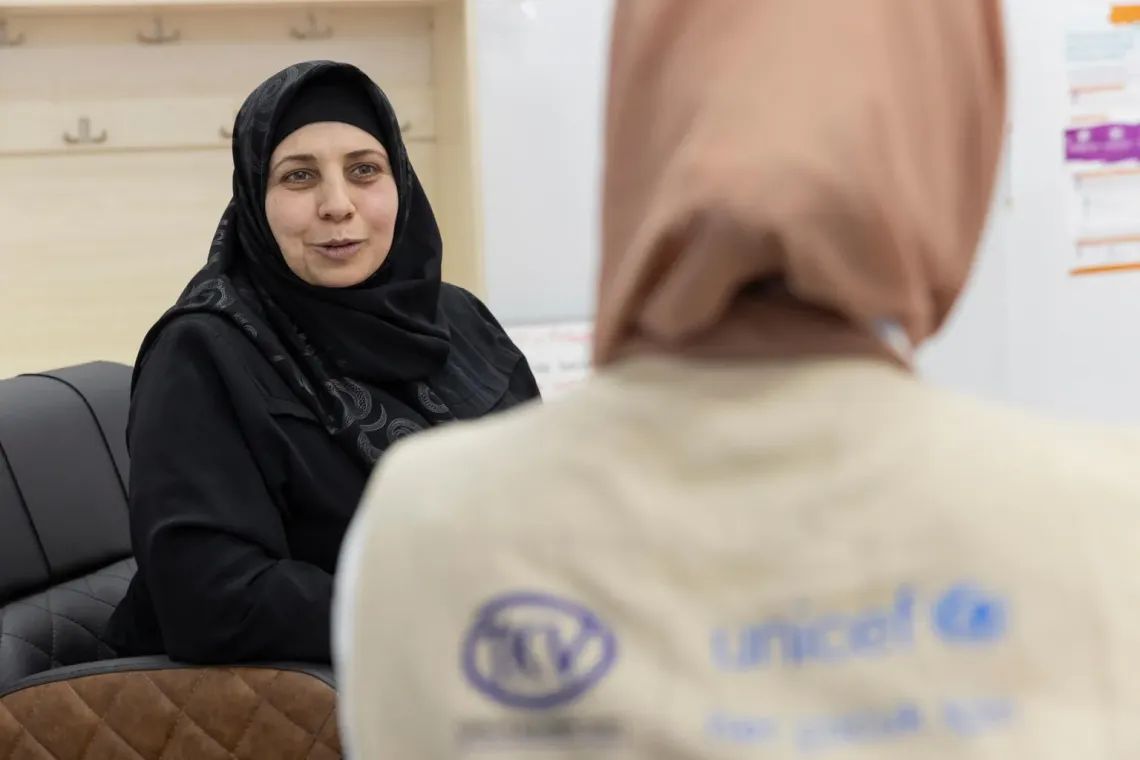
For many of these women, the past decade has been defined by conflict. One mother recalls life in Syria: “It was like a prison. We had to fight for everything, even for bread. We weren’t treated as human.” For others, the trauma is deeply personal. Uruba, having lost her husband, struggled to manage her household and maintain relationships with her children: “I didn’t know how to communicate with my son at all. Psychologically, I felt broken.”
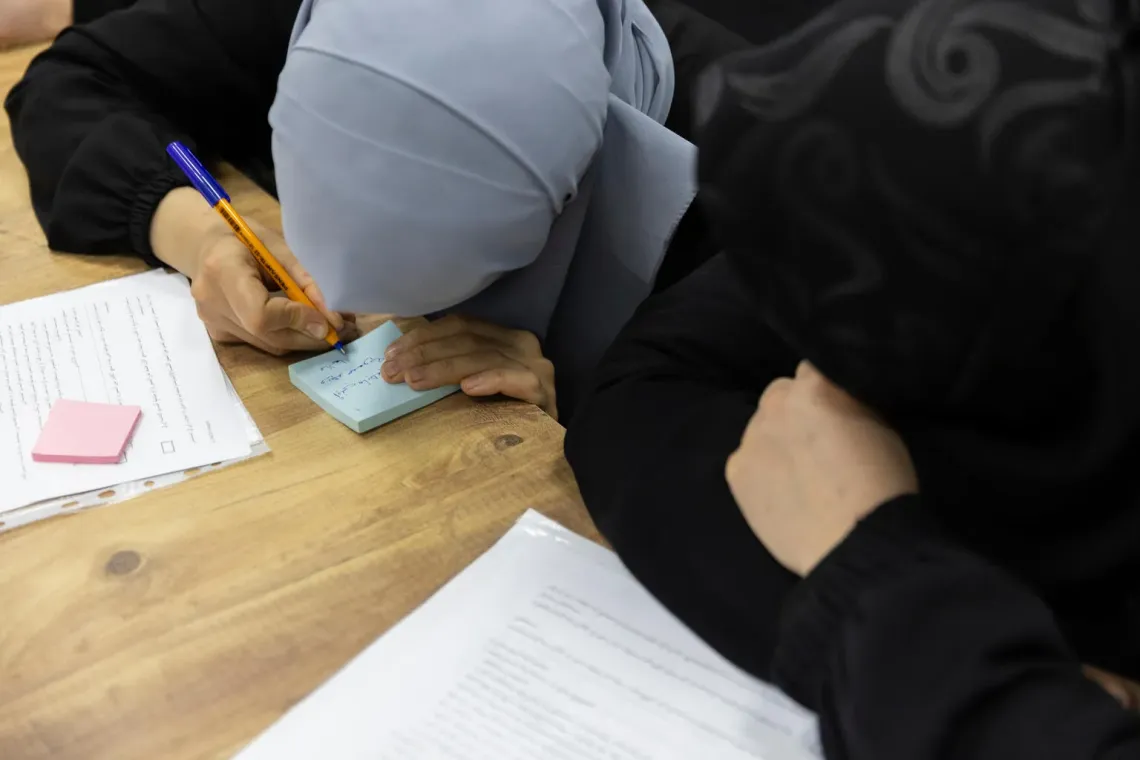
The sessions, facilitated by experienced social behaviour change staff including Yasemin, aim to address these challenges holistically. Yasemin, herself a survivor of two wars in Iraq and Syria, and a skilled educator, explains: “Our goal is to help mothers build healthy communication with their children. When parents are supported and aware, they can respond better to their children’s needs.” Using structured, evidence-based SBC approaches, the sessions combine observation, guided reflection, and peer learning to help parents recognize and adapt behaviours that affect their children’s well-being and development. Conducted under the guidance of UNICEF-supported curriculum and TKV implementation, the program observes interactions, encourages reflection, and guides mothers through emotional challenges, sometimes even calming them when difficult memories surface.
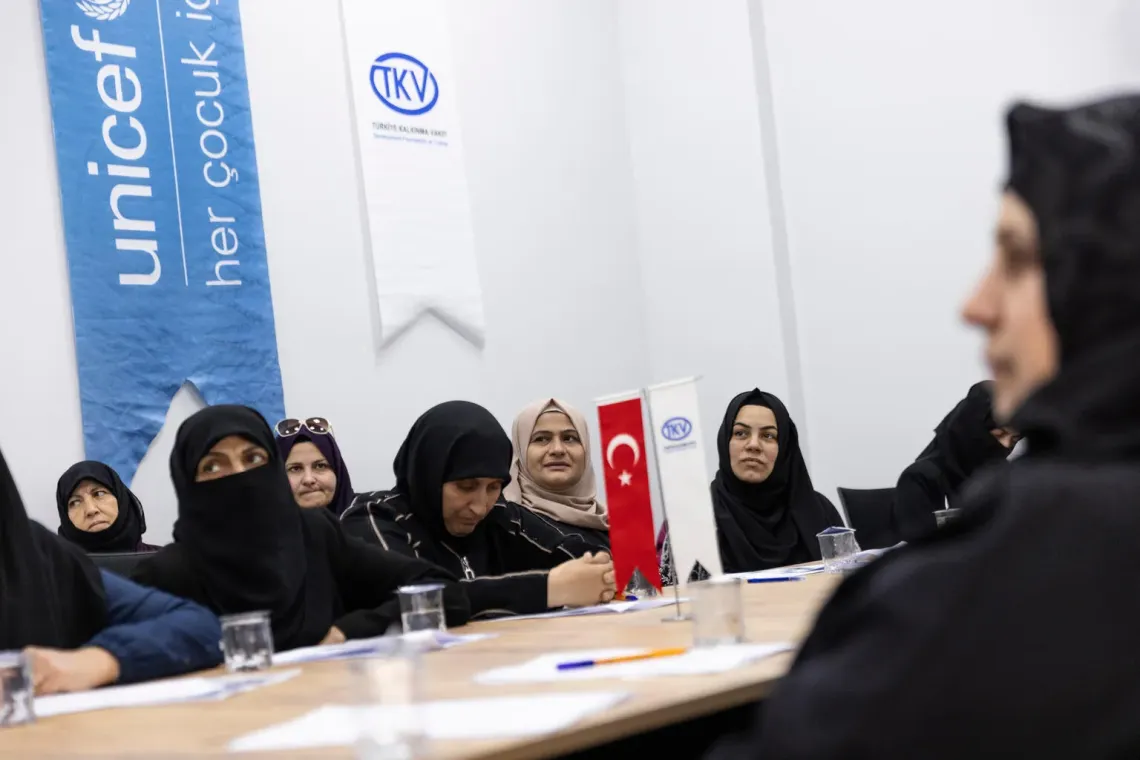
Gradually, the impact becomes visible. 48-year-old Uruba sees improvement in her 15-year-old son who struggled with school motivation and social interaction. “After the sessions, I realized I was doing some things wrong. Now, I communicate with him differently, and he is more open,” she says. Such changes reflect the programme’s goal of strengthening parents’ knowledge, attitudes, and practices to better support children’s learning, participation, and protection. Similarly, Sara, a mother of a five-year-old who had become resistant and defiant due to strict parenting learns to relax control, allowing her child to respond with curiosity rather than anger.
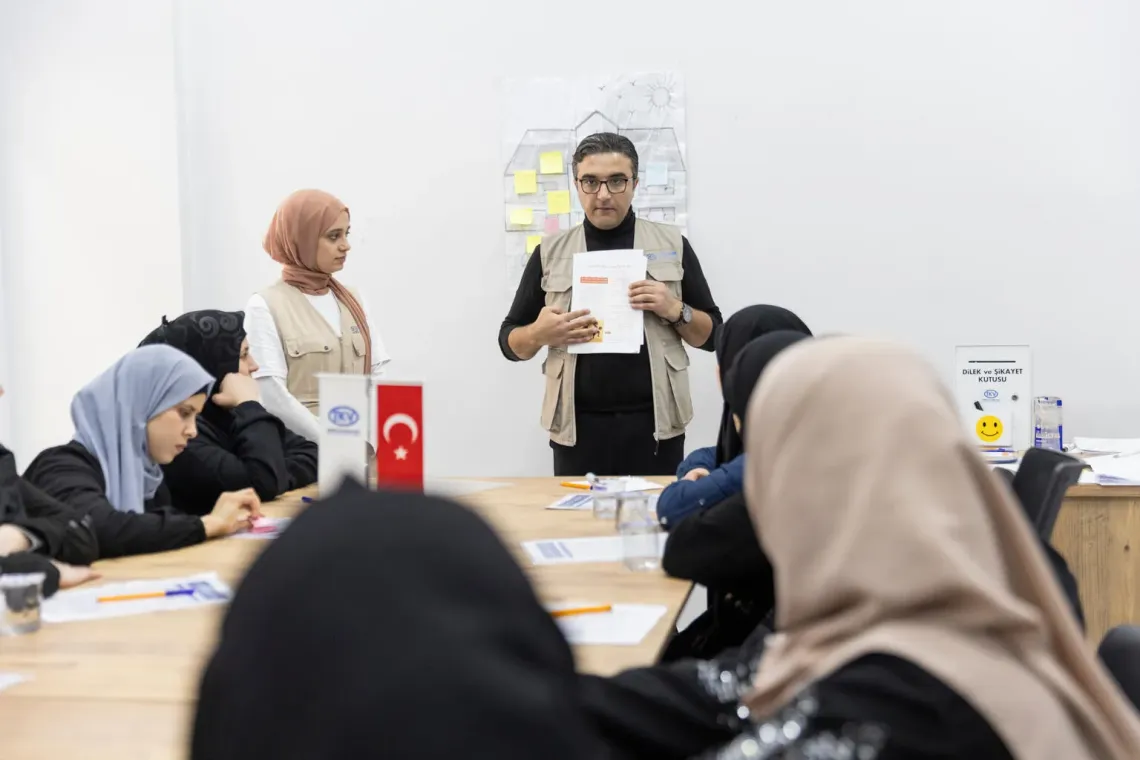
The sessions’ strength lies not only in individual learning but in shared experience. Mothers listen to one another, exchange advice, and recognize that they are not alone. “At first, I thought I was the only one struggling,” says 38-year-old Sara. “Hearing other women’s stories, I realized we all face similar challenges. Together, we learn better ways to parent.” The group setting fosters empathy, understanding, and practical problem-solving, reinforcing lessons from the facilitators and giving mothers confidence to apply them at home. By creating safe spaces for dialogue, the programme also encourages collective reflection on social norms and builds community ownership of change.
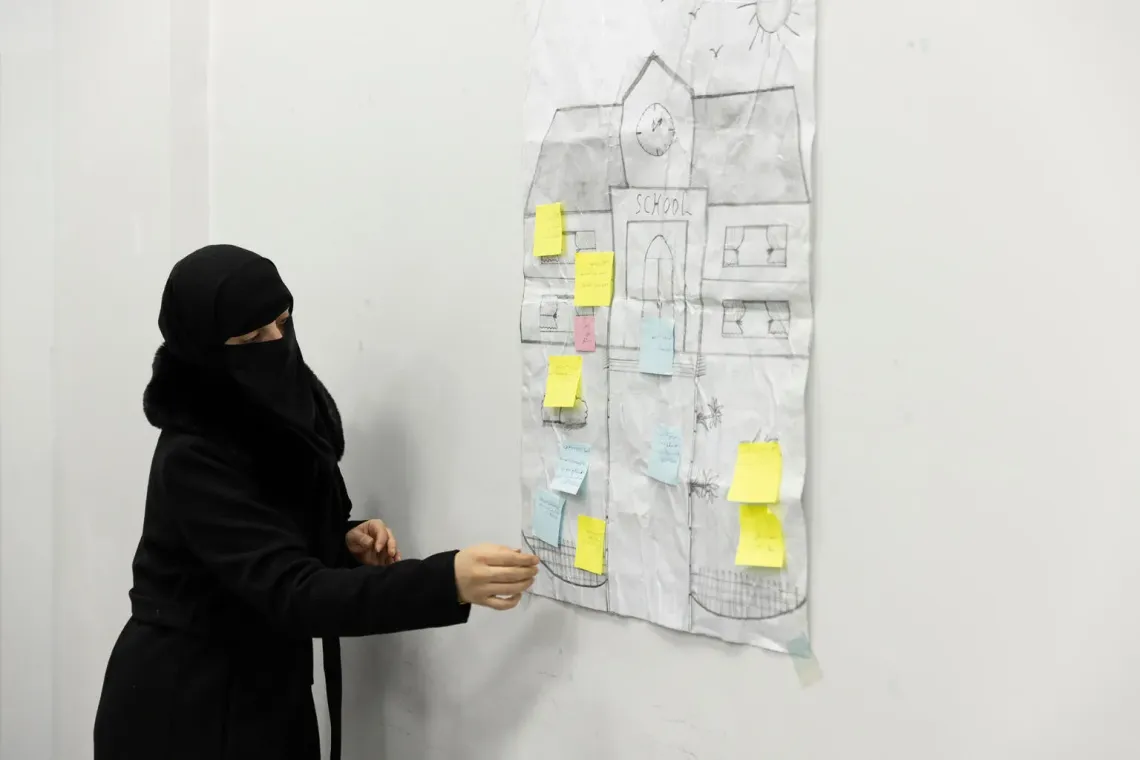
These gatherings also touch on broader themes of gender equality and family dynamics. Mothers reflect on shared responsibilities with fathers and other family members, navigating cultural expectations and transformative social norms. Engaging parents in discussions around gender roles and caregiving responsibilities is a key component of the intervention, helping to challenge norms that limit both women’s and children’s opportunities. Many express a desire for their husbands to participate or at least understand the principles behind healthy parenting, knowing that change in one household can ripple outward. As Yasemin notes, sometimes the cultural context makes it difficult for fathers to accept help, but small interventions and external support, like those provided by UNICEF and TKV, can bridge the gap.
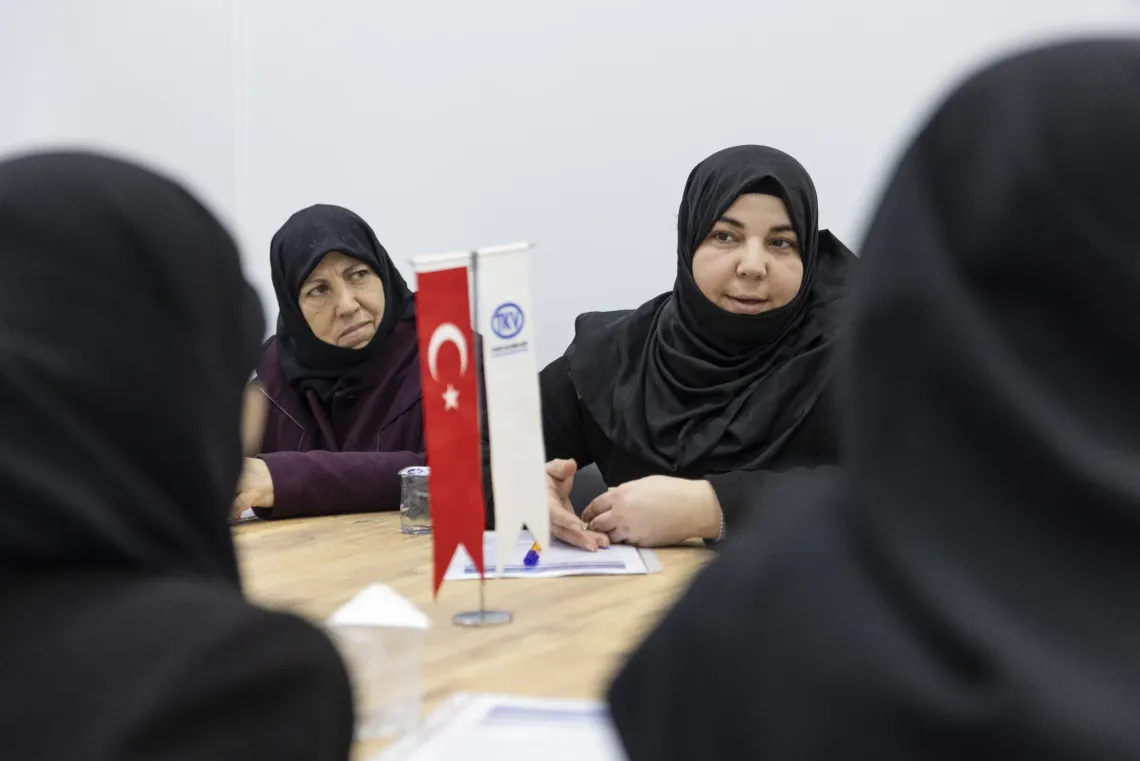
For the mothers, the sessions inspire hope and future planning. They envision children who are independent, resilient, and able to thrive without fear or exclusion. Abir, reflecting on her older children, says: “I want them to stand on their own feet. I hope they can live without fear, and without being made to feel diminished. Education offers them the chance to discover their strengths, a chance many of us never had.” For Sara, the vision extends beyond her family: “I hope my children can live in a just society where they have the chance to learn, grow and shape their futures without the burdens and barriers we experienced.”
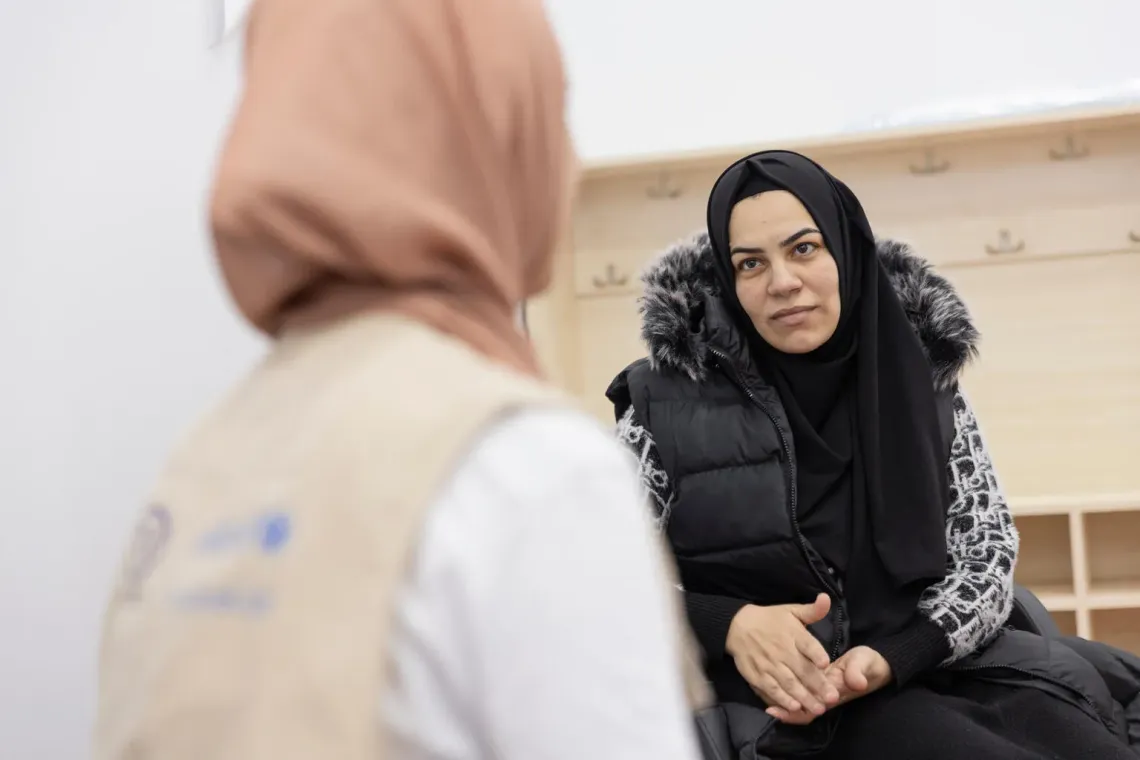
Despite the trauma and ongoing challenges, these women leave the sessions empowered. They gain practical parenting tools, emotional support, and renewed confidence, not only for themselves but for the children they raise under extraordinary circumstances. The sessions are more than lessons; they are lifelines that help families strengthen nurturing care at home. Equipping parents with the knowledge, skills, and motivation to support early learning and alternative education pathways, the programme contributes to improved access to ECE and NFE opportunities, particularly for children at risk of exclusion. It also encourages parents to engage, play, and learn with their children, reinforcing the goals of non-formal and early childhood education building confidence, connection, and the foundations children need to grow and thrive.
As one mother reflects, “We came here broken in many ways, but I leave feeling capable, understood, and hopeful. These sessions remind us that even after trauma, change is possible.”