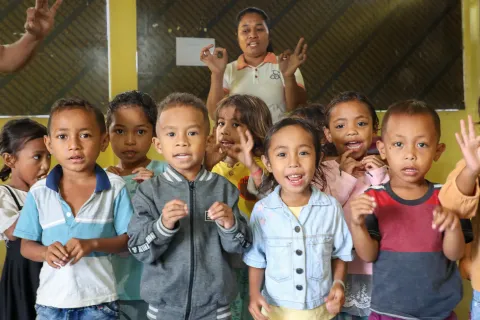
Improving teaching and transforming classrooms through teacher mentoring
Natercia is helping students become more active, confident learners in rural Timor-Leste

“I want every child to feel they can learn.” In a small school serving just 59 students in rural Timor-Leste, Natercia Laranjinha is quietly transforming the way children learn.
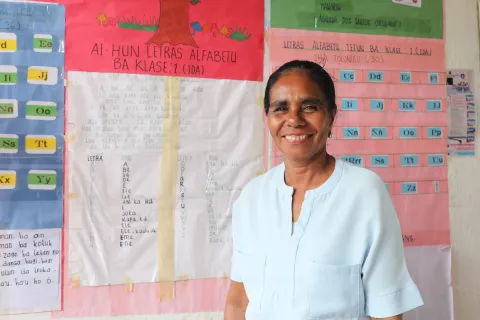
A teacher of mathematics, natural sciences, arts, and culture, Natercia has worked at Gari Uai Secondary School in Baucau Municipality for 18 years. She is now part of a mentorship programme, helping teachers strengthen their teaching across basic education, from Grades 1 to 9.
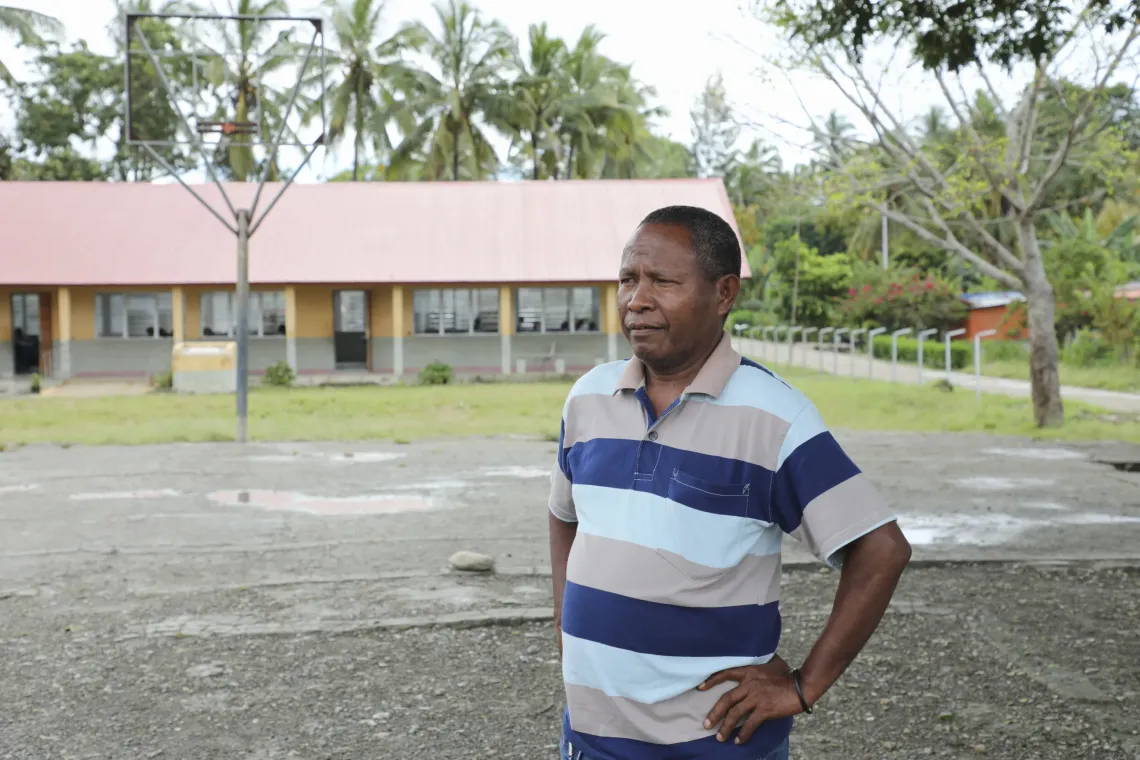
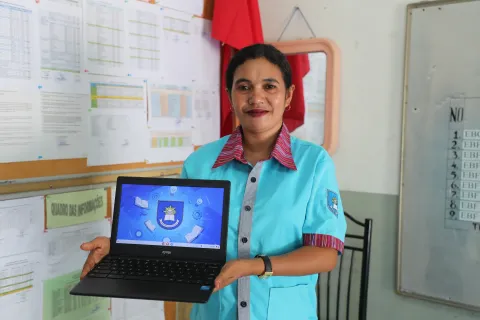
“I have been a School Coordinator since 2004. I coordinate between the Ministry of Education, local authorities, teachers, and parents,” Vitoriano de Jesus explains. “As a mentor, I ensure the curriculum is
being followed, I review lesson plans, and I observe how students are being taught. I also listen to teachers’ concerns and sit with them to discuss what I see.”
Natercia is one of 12 teachers receiving regular mentoring by Vitoriano, who has been the district mentor since 2023, through a programme by the Ministry of Education and UNICEF, with support from the Global Partnership for Education and Australia. The initiative is part of a broader effort to improve the quality of teaching and learning and to ensure that all children, including those most at risk of being left behind, can access and succeed in school.
Each month, Natercia meets one-on-one with Vitoriano, who observes her classroom and works with her to strengthen her teaching. “The most useful part is feedback,” she says. “I can discuss my challenges, and together, we plan how to move forward.” This type of school-based mentoring and feedback is central to the programme’s design, helping teachers adapt their methods to meet the needs of different learners and build more inclusive classrooms.
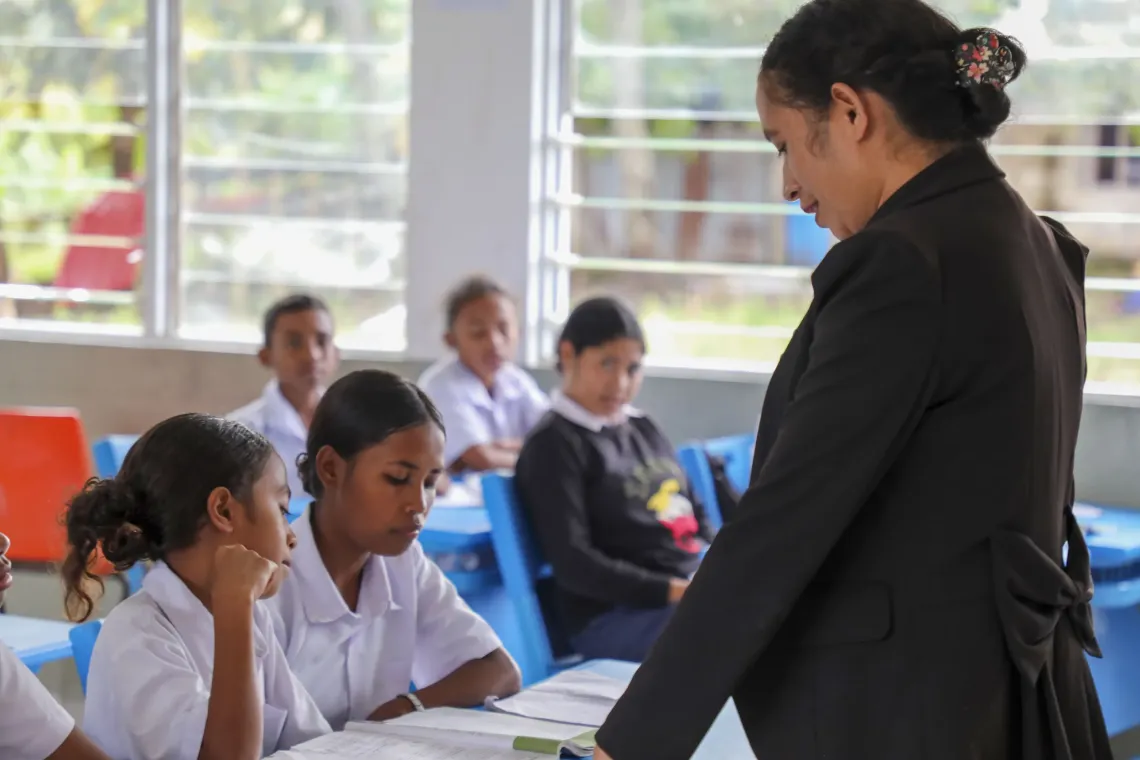
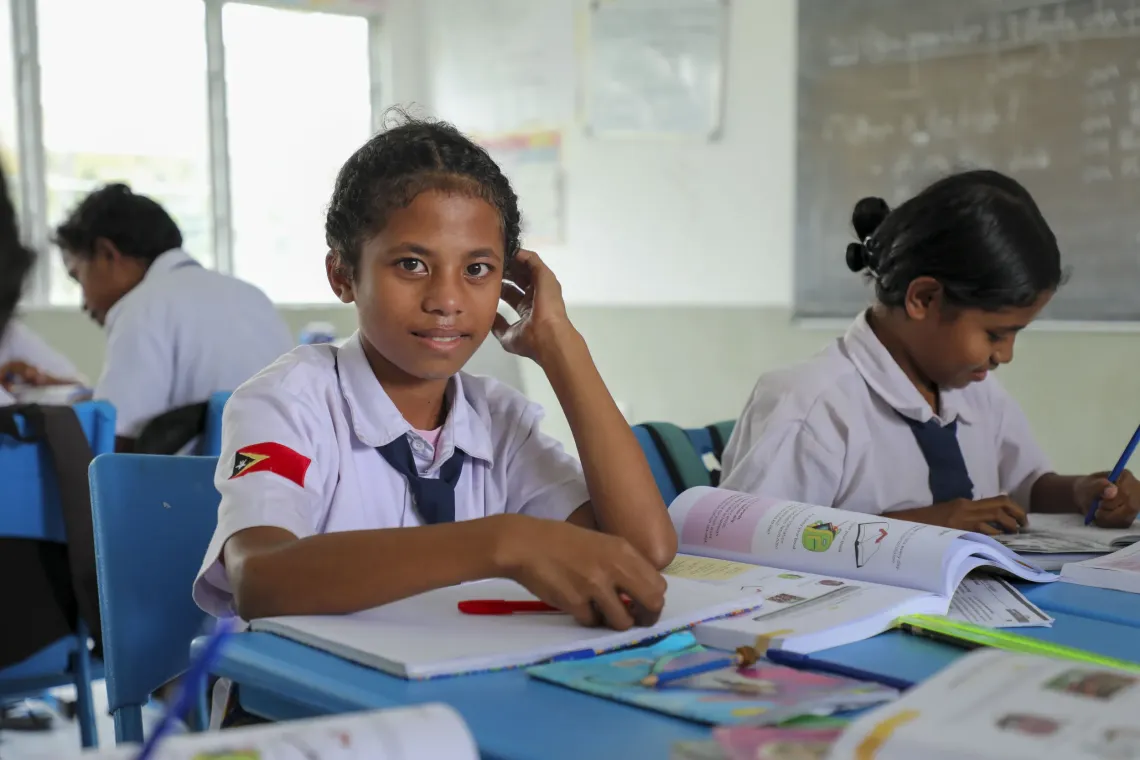
In Natercia’s classroom, the difference is clear. Students are no longer sitting quietly at the back. They raise their hands, talk to one another, and take part in lessons. Teachers at the school say students are more active and engaged than before.
She now uses inclusive methods, adapting her lessons so that every student can participate. She pays close attention to children who need more support, especially as learning becomes more complex in Grade 7, where many students begin to fall behind.
I don’t want any student to feel bad in front of others,” she says, and avoids putting struggling students on the spot. Instead, she quietly offers extra prompts and guidance so they can keep up without feeling embarrassed.
This approach is being made across the education system to strengthen teachers’ ability to support diverse learning needs, including students who may struggle due to language barriers, disabilities, or gaps in foundational skills. Natercia encourages students to help one another and creates opportunities for independent learning, allowing each child to discover their own abilities.
“When students believe they can learn, they become more active,” she says.
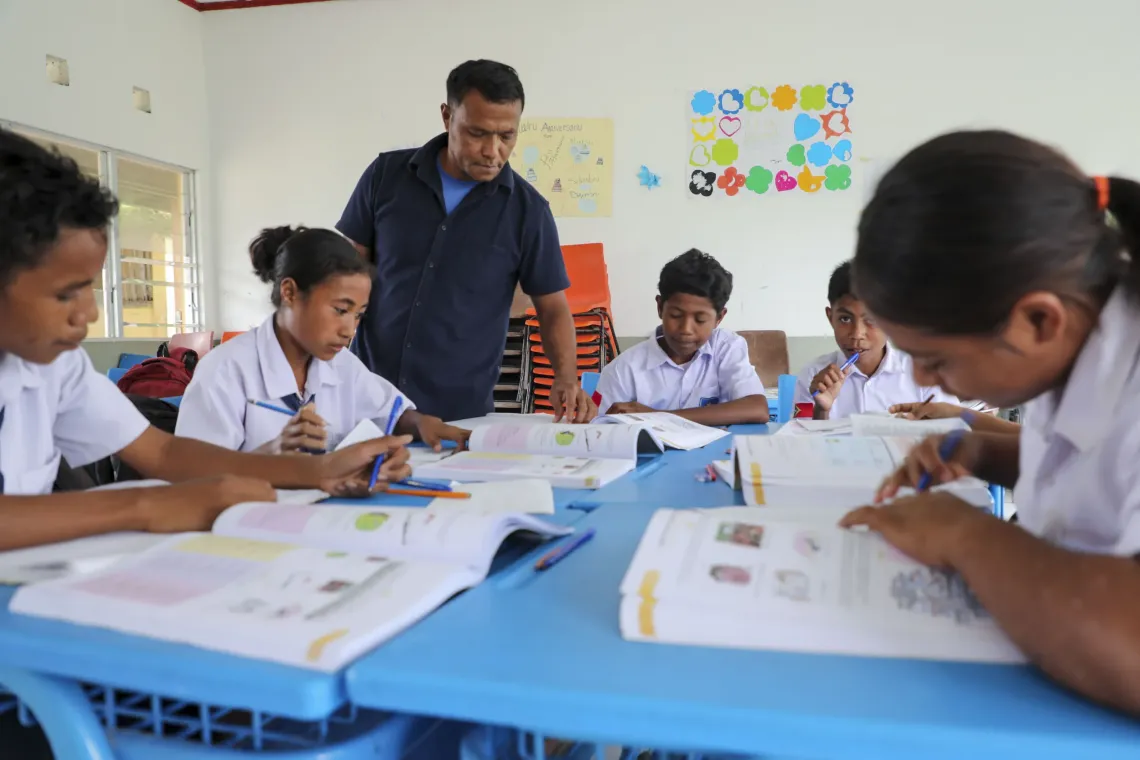
Also benefiting from the mentorship programme is teacher Jacob de Sousa Freitas, who has taught at 3֯ Ciclo Daitula Maukale since 2007 and volunteered many years before that. “I’m really driven by a deep motivation to contribute to the educational development of my home village,” he says. For Mr. Jacob, one of the biggest challenges has been helping children learn from textbooks that were often changed and filled with content beyond their level of understanding.
A recently introduced teaching manual is already making a difference. "The lessons are much clearer and easier for children to follow," he explained, noting that students are now more engaged and actively participating in class.
Mentoring has given him an opportunity to share his observations on improving school environments. He believes that while free education is an important achievement, children also need safe, well-maintained learning environments. "We need to observe the learning of the students. I feel they should get more time in Math class. Also, there is a need to keep improving the physical structure of the school to complement the recent improvements in curriculum materials."
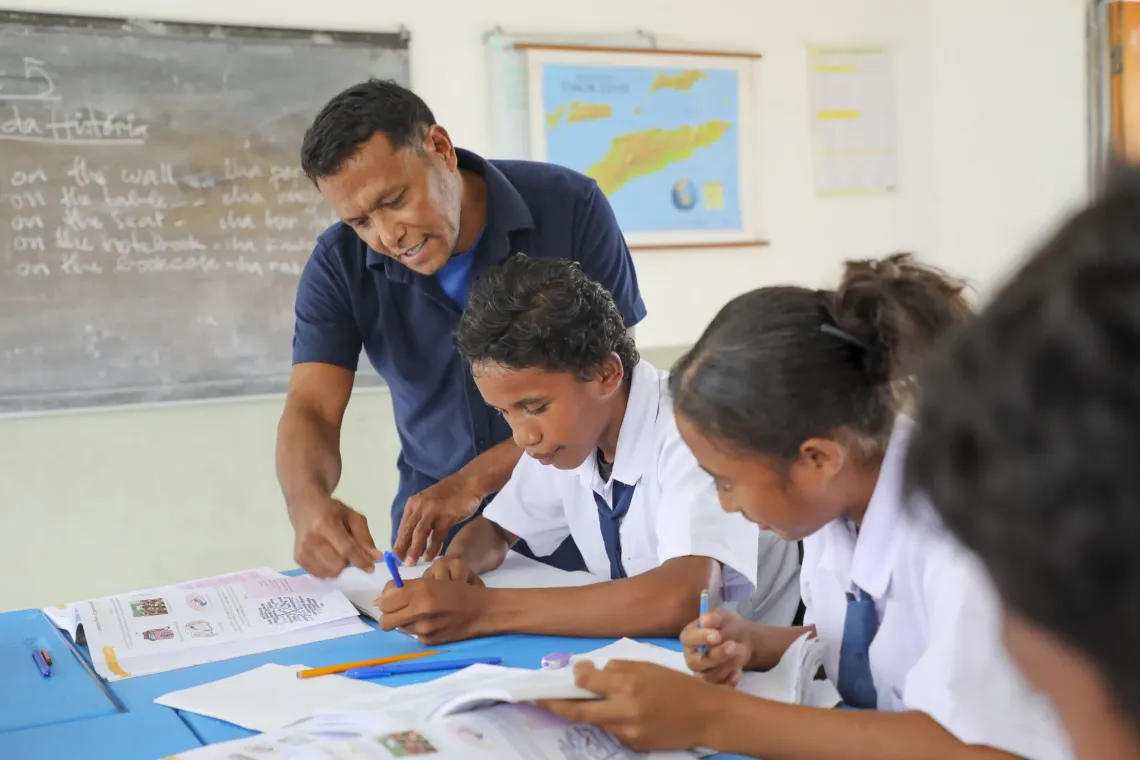
Across Timor-Leste, efforts to improve teaching quality are critical. While access to education has increased, learning outcomes remain a challenge, with many students struggling with foundational skills such as reading and numeracy. For teachers like Natercia, mentoring helps close that gap by providing practical tools to improve classroom practice and better support students.
For Natercia and Jacob, teaching is not just about delivering lessons or completing the curriculum. It is about making sure every child, no matter where they start, has the chance to succeed. And in this small rural school, that belief is already changing classrooms.