From chalkboards to Chromebooks: Teachers embrace digital learning
Teachers create more engaging learning and prepare students for a digital future

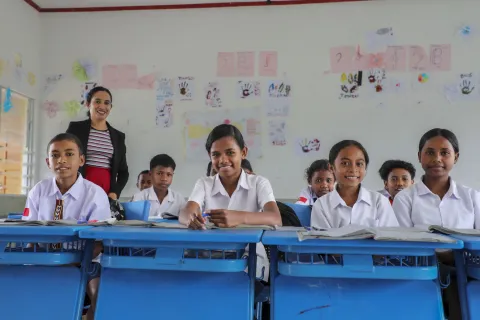
Every day, teachers at Central Basic Education School (EBC) 3 Maubara work to create meaningful learning experiences for their students despite limited resources, crowded classrooms, and a shortage of learning materials. For teachers like Martinha de Araujo and Jaime Serrão Nunes, teaching is more than a profession; it is a commitment to helping children build a brighter future.
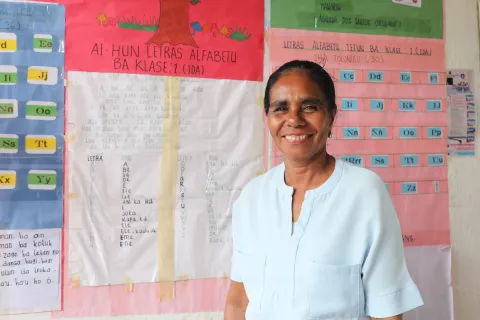
Martinha is a Tetum language teacher to students in Grade 7 who knows firsthand the challenges of teaching with limited resources. She holds the only Tetum textbook available for her class, while her students have none of their own. Her daily routine often involves writing entire passages and exercises on the blackboard by hand, explaining lessons line by line, and guiding students through activities before opening the floor for questions. In classrooms where learning materials are scarce and student engagement can be difficult to maintain, she constantly finds creative ways to keep her students focused and motivated.
"When students do not have their own learning materials, it can be challenging to keep everyone engaged. But having the right tools can change everything," says Martinha.
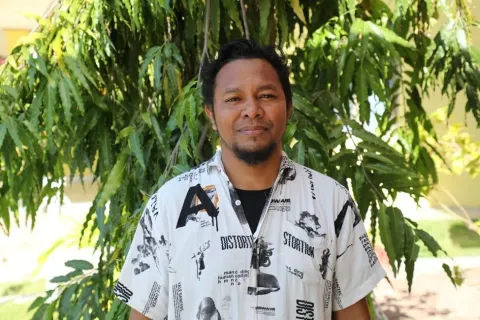
Like Martinha, Jaime has spent years finding creative ways to keep students engaged despite limited teaching resources. Having dedicated the past 25 years to education, he is currently teaching Health and Wellbeing, and Civic Education, Citizenship and Human Rights (ECCDH) to students in Grades 7, 8 and 9. His lessons are built around discussion and active participation, encouraging students to share ideas and learn from one another.
However, the shortage of textbooks and teaching materials has often required him to rely on limited digital resources and innovative teaching approaches to support learning.
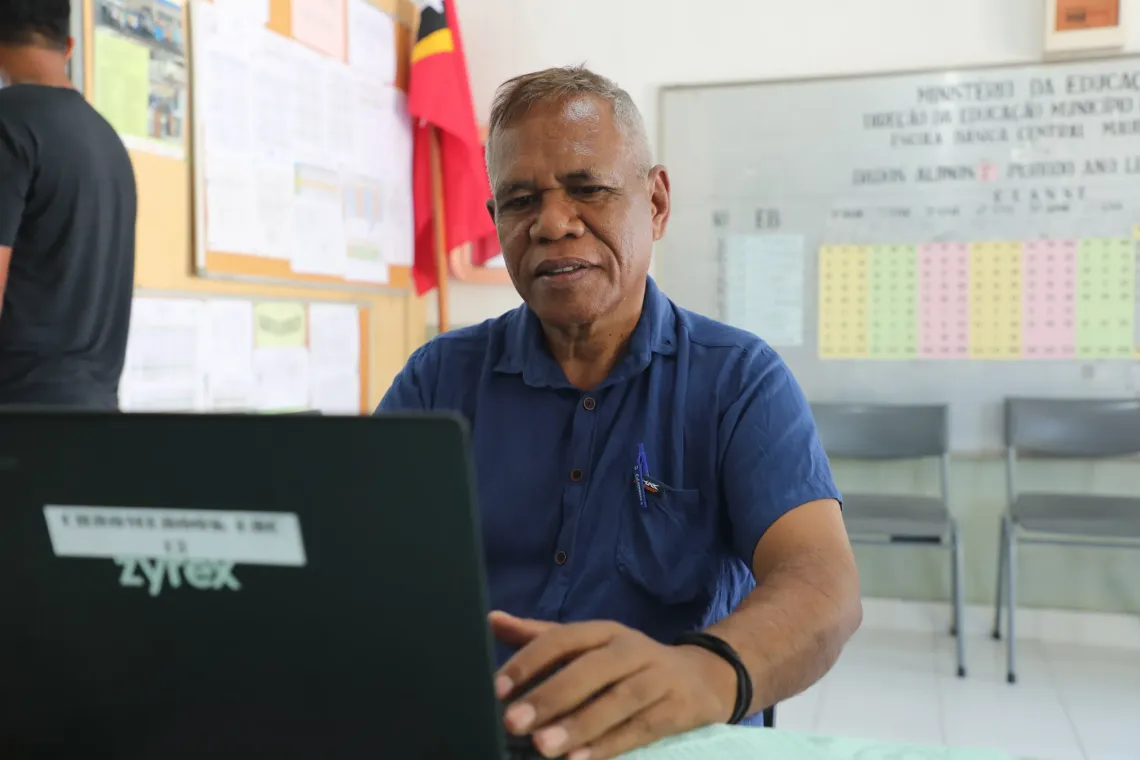
A new chapter began for Jaime, Martinha, and 17 other teachers from EBC 3 Maubara as they participated in an ICT in Education Training on Google Reference Tools using Chromebooks. Organized by the Ministry of Education in collaboration with UNICEF Timor-Leste, the training strengthened teachers’ digital skills and enhanced their ability to use Google tools for both administrative tasks and classroom instruction. Through this initiative, the teachers are better equipped to integrate technology into teaching and learning, creating more engaging and effective educational experiences for their students.
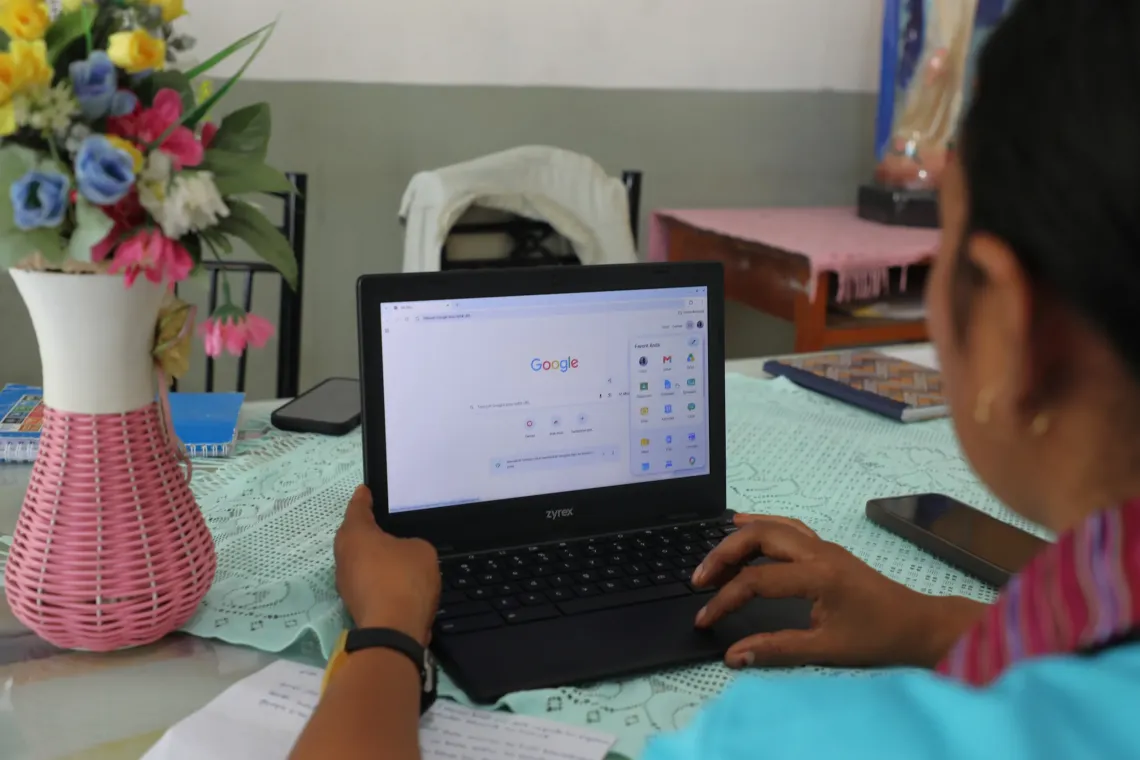
The training was delivered through four progressive phases, allowing teachers to gradually build their confidence and competencies in using digital tools. Participants learned how to use Google Chrome, Google Docs, Google Sheets, Google Slides, Google Classroom, Google Drive, and other digital applications that can support lesson preparation, classroom management, collaboration, and student learning.
For Jaime, the training opened his eyes to new possibilities.
"The training was incredibly important for us. It showed us how technology can make lessons more engaging and help students understand concepts more quickly," he says.
He believes digital tools can help teachers move beyond traditional teaching methods and create more interactive learning experiences.
"As teachers, we need to continue learning too. The digital skills we gained will help us prepare lessons more efficiently, share information more easily, and support students with different learning needs," Jaime explains.
For Martinha, the training was an opportunity to grow while preparing for digital education.
"I was so happy to attend this training. It is all about building my capacity and expanding my knowledge as a teacher so I can bring better learning experiences to my students in the future," she says.
The impact is already being felt across EBC 3 Maubara. Teachers are using digital tools to prepare assessments, create learning materials, participate in virtual meetings with municipal and national education authorities, and strengthen the school’s Education Management Information System (EMIS) data through platforms such as Google Sheets. School leaders also see technology as an important step toward improving efficiency and strengthening the overall quality of education.
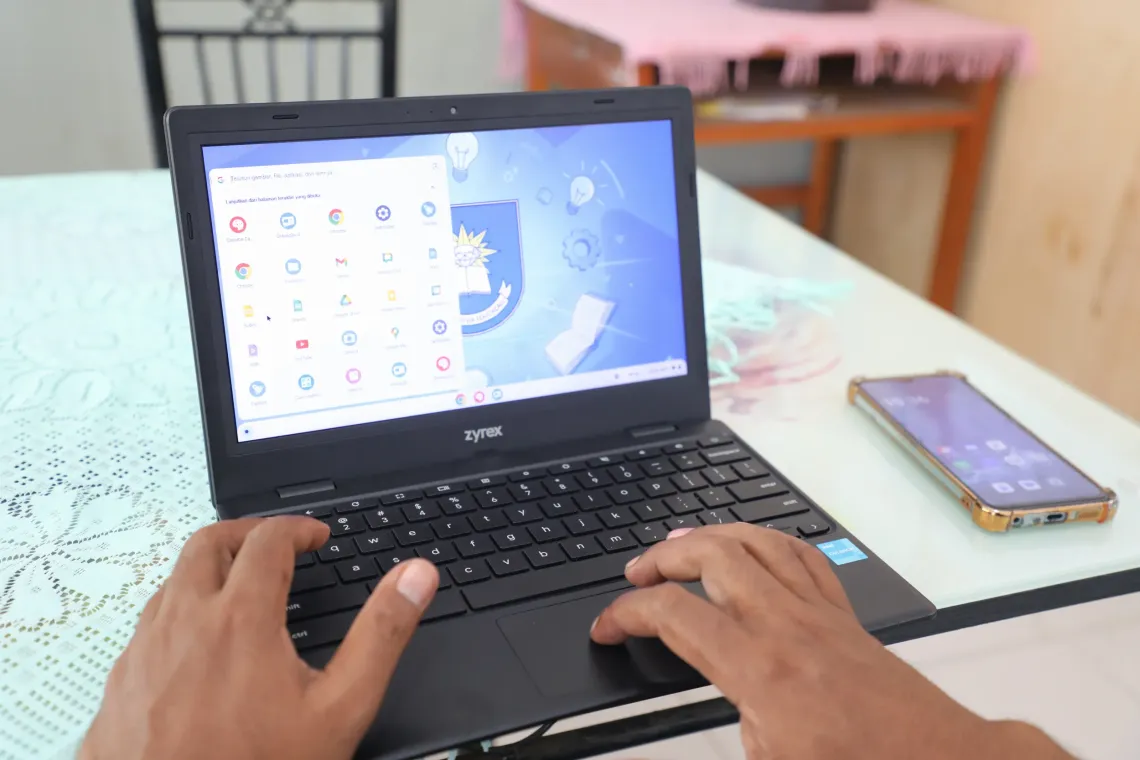
At the same time, challenges remain. Internet connectivity continues to be unreliable, limiting teachers' ability to fully utilize online resources and digital platforms. Teachers also recognize that students need opportunities to learn how to use Chromebooks effectively so that technology can become a meaningful part of classroom learning rather than simply a new device.
"The training has prepared us, but we also need strong internet access and opportunities for students to learn how to use the devices confidently," says Jaime. "When both teachers and students have the skills, technology can truly support learning."
For Jaime and Martinha, the goal is simple: to give every child the opportunity to learn, explore, and succeed.
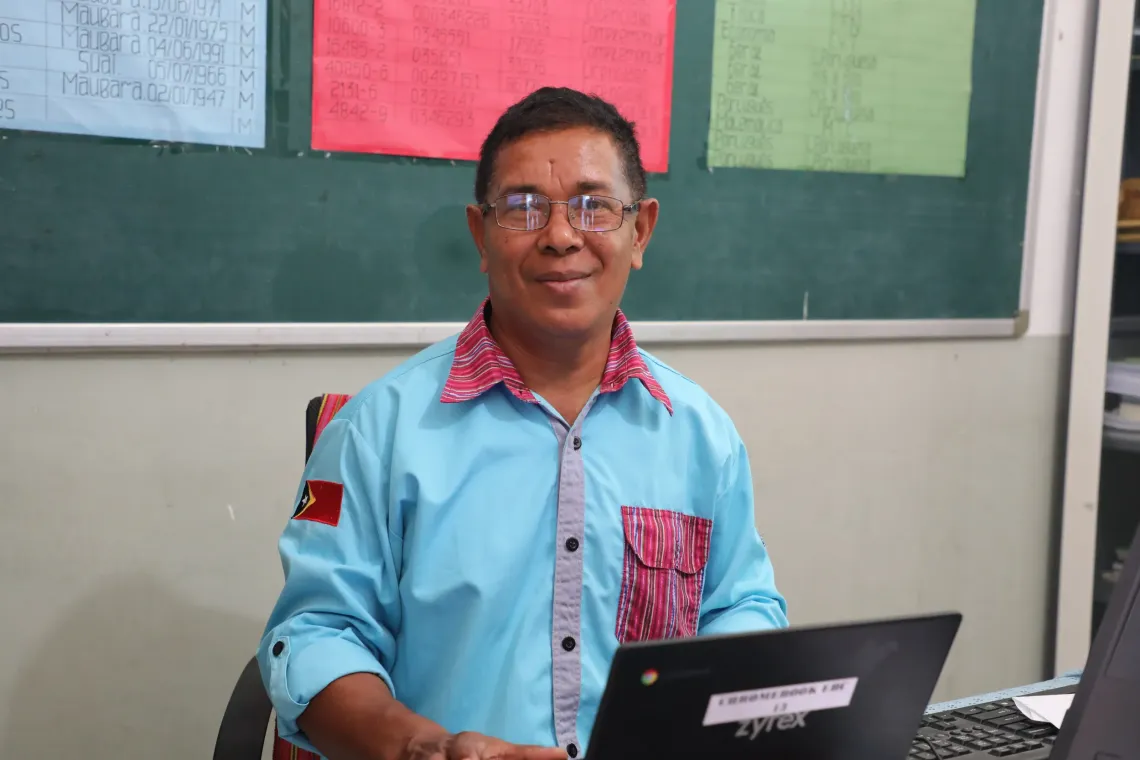
For School Director Mateus da Conceição, the investment represents more than new equipment; it represents a pathway towards a more modern and inclusive learning environment where technology supports both teaching and learning.
From lessons once delivered entirely through chalk and blackboards to classrooms increasingly supported by Chromebooks and digital tools, EBC 3 Maubara is taking important steps toward the future. While challenges such as connectivity and digital literacy remain, teachers are embracing change with determination and optimism.
As Timor-Leste continues its journey towards digital transformation in education, teachers like Jaime and Martinha are proving that when educators are empowered with the right digital skills, tools and support, they can open new doors of opportunity for every child.
This initiative was made possible through the generous support of the Australian NGO Cooperation Program through UNICEF Australia, and VINCI Energies through UNICEF France.