How Iringa Region advances public health with access to water and sanitation services

Empowering communities through sustainable WASH initiatives

Irene Marra and Athanas Makundi
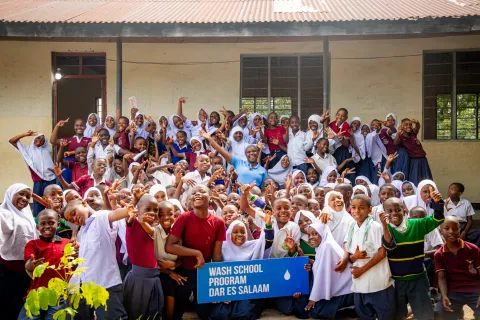
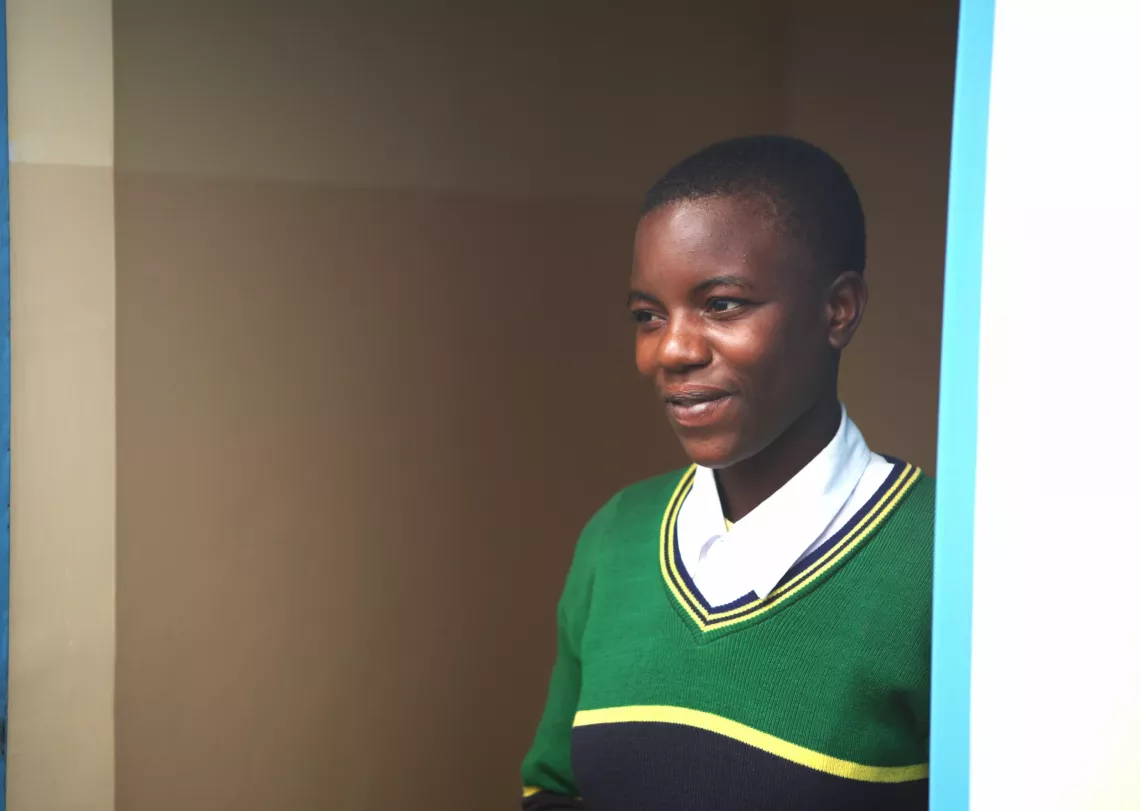
Amina, a student from one of the beneficiary schools in Iringa Region, beams with pride as she talks about the new facilities at her school.
Irene Marra
27 August 2024

Amina, a student from one of the beneficiary schools in Iringa Region, beams with pride as she talks about the new facilities at her school. She is one of many adolescent girls who once faced challenges in managing their hygiene due to inadequate facilities. However, with the recent installation of water, sanitation, and hygiene (WASH) facilities in school, things have changed dramatically.

"The new menstrual hygiene room is spacious and clean. It has made a huge difference for us girls. I no longer have to miss classes every month because I have everything I need at school” said Amina.
Amina
Irene Marra Amina is one of many adolescent girls who once faced challenges in managing their hygiene due to inadequate facilities.

This improvement in public health and child well-being is part of UNICEF’s Accelerating Sanitation and Hygiene for All (ASWA) phase two programme, launched in 2019 with support from the Government of the Netherlands. The programme installed WASH facilities in schools and healthcare centers and supported the National Sanitation Campaign across Iringa, Mbeya, Njombe, and Songwe regions in addressing sanitation challenges and preventing disease outbreaks.

“We are grateful for the generous support from the Government of the Netherlands and UNICEF. This partnership has made it possible to provide us with clean water and accessible sanitation for our communities. Now, we must ensure that these facilities are maintained for long-term impact”  said Kheri James Aomba, Iringa District Commissioner.  
How Iringa Region advances public health with access to water and sanitation services
Irene Marra Thanks to the Government of Tanzania, the Government of Netherlands, UNICEF and implementing partners, Iringa was named the first Open Defecation Free (ODF) region in the country, with every household having access to basic sanitation facilities.

Women and children are the most vulnerable to the effects of poor sanitation. Inadequate hygiene facilities can lead to health risks, undernutrition, and disruptions in schooling, especially for adolescent girls like Amina. The ASWA II programme addressed these challenges by constructing accessible, gender-separated, and disability-friendly WASH facilities in schools. The addition of menstrual hygiene cubicles has enabled girls to manage their hygiene with dignity, leading to improved school attendance.

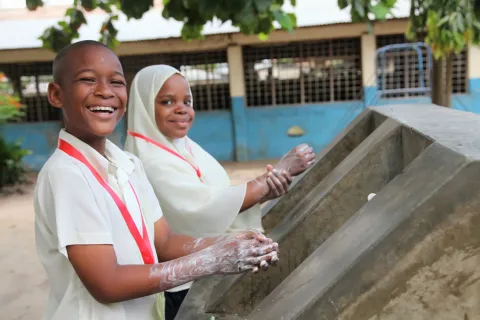
The programme has further made significant impact that has transformed the lives of over one million people in the Iringa Region. It has equipped 37 schools and 16 healthcare centres with WASH facilities and increased access to basic sanitation from 60 per cent in 2019 to 100 per cent by 2023. As result Iringa has become Tanzania’s first open defecation-free (ODF) region. Access to basic handwashing services also rose from 61 per cent to 88 per cent, highlighting the region’s progress in hygiene.

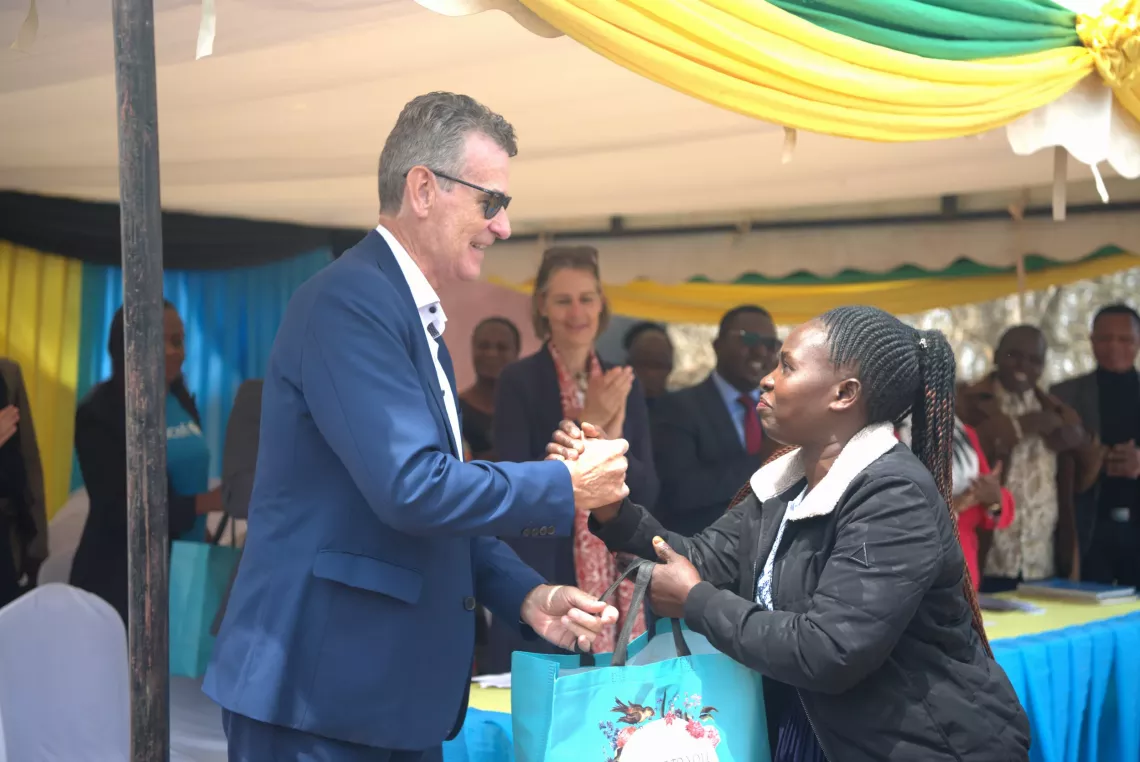
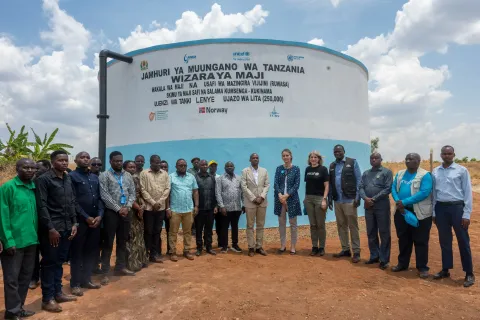
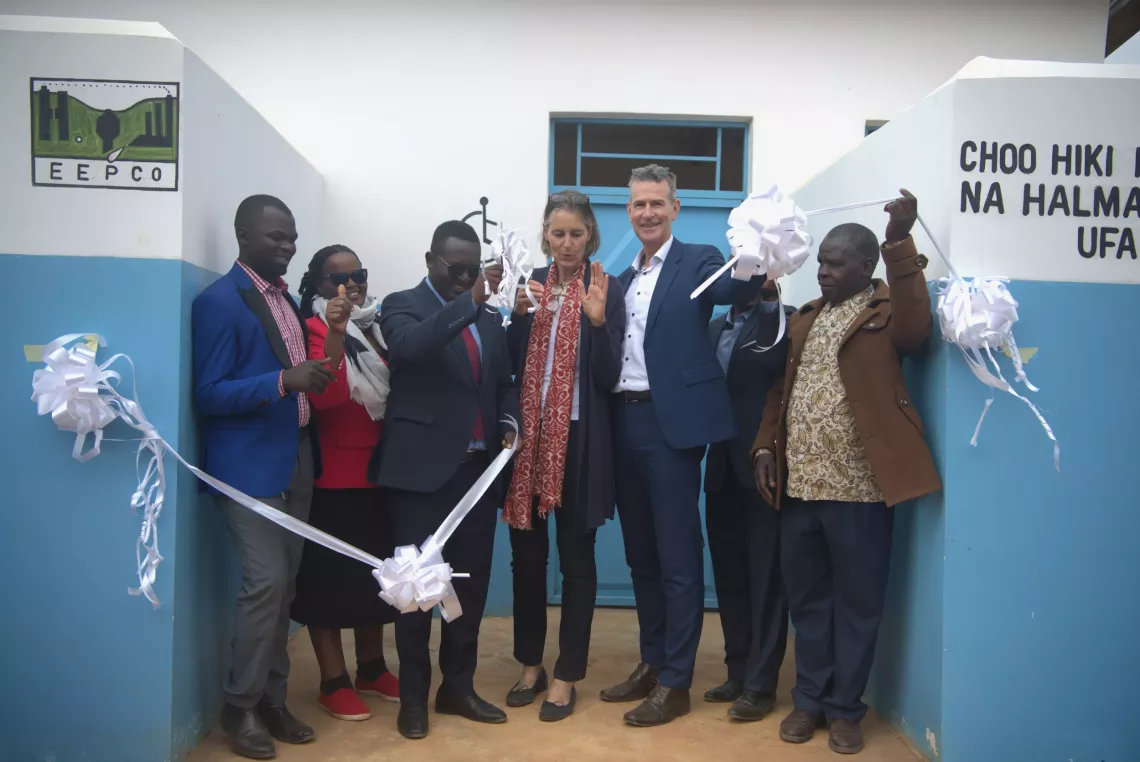
UNICEF officially inaugurates Water, Sanitation and Hygiene (WASH) facilities in 37 schools and 16 healthcare facilities in the Iringa Region, constructed under the ASWA II project funded by the Government of the Netherlands. UNICEF officially inaugurates Water, Sanitation and Hygiene (WASH) facilities in 37 schools and 16 healthcare facilities in the Iringa Region, constructed under the ASWA II project funded by the Government of the Netherlands.
Irene Marra UNICEF officially inaugurates Water, Sanitation and Hygiene (WASH) facilities in 37 schools and 16 healthcare facilities in the Iringa Region, constructed under the ASWA II project funded by the Government of the Netherlands.
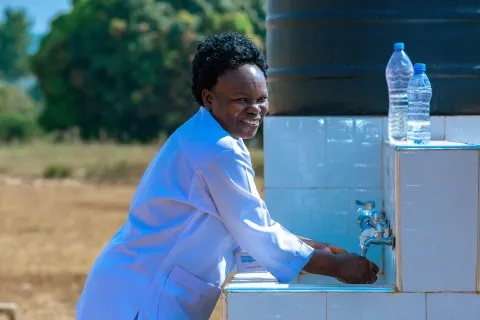
UNICEF officially inaugurates Water, Sanitation and Hygiene (WASH) facilities UNICEF officially inaugurates Water, Sanitation and Hygiene (WASH) facilities
Irene Marra UNICEF officially inaugurates Water, Sanitation and Hygiene (WASH) facilities in 37 schools and 16 healthcare facilities in the Iringa Region, constructed under the ASWA II project funded by the Government of the Netherlands.
UNICEF officially inaugurates Water, Sanitation and Hygiene (WASH) facilities in 37 schools and 16 healthcare facilities in the Iringa Region, constructed under the ASWA II project UNICEF officially inaugurates Water, Sanitation and Hygiene (WASH) facilities in 37 schools and 16 healthcare facilities in the Iringa Region, constructed under the ASWA II project
Irene Marra UNICEF officially inaugurates Water, Sanitation and Hygiene (WASH) facilities in 37 schools and 16 healthcare facilities in the Iringa Region, constructed under the ASWA II project funded by the Government of the Netherlands.
UNICEF officially inaugurates Water, Sanitation and Hygiene (WASH) facilities in 37 schools and 16 healthcare facilities in the Iringa Region, constructed under the ASWA II project UNICEF officially inaugurates Water, Sanitation and Hygiene (WASH) facilities in 37 schools and 16 healthcare facilities in the Iringa Region, constructed under the ASWA II project
Irene Marra UNICEF officially inaugurates Water, Sanitation and Hygiene (WASH) facilities in 37 schools and 16 healthcare facilities in the Iringa Region, constructed under the ASWA II project funded by the Government of the Netherlands.

As the ASWA programme enters its third phase, plans are underway to replicate this success in other regions of the country. Iringa’s achievements demonstrate that achieving access to WASH services for all children and adolescents, like Amina, is possible in Tanzania.