Japan grants nearly USD$2 million to UNICEF to improve child well-being through innovative sanitation and improved nutrition solutions in Zanzibar
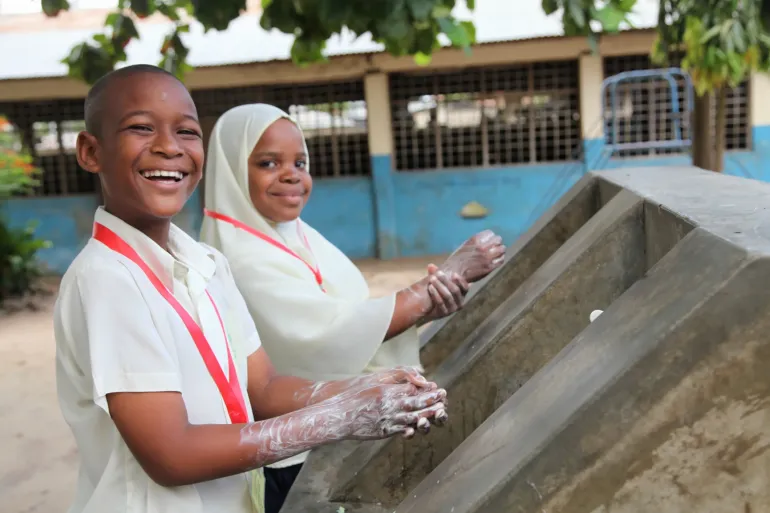
Dar es Salaam, Tanzania — 19 March 2026 In a major boost for child well-being in Zanzibar, the Government of Japan has allocated close to USD 2 million to UNICEF to accelerate access to affordable basic sanitation facilities through private sector engagement, and community mobilization for better nutrition and health in Pemba, Zanzibar.
The one-year initiative, which will be implemented through collaboration with the Revolutionary Government of Zanzibar, will benefit more than 200,000 people, including children, adolescents, parents and caregivers, through integrated sanitation and nutrition interventions at community level including services in pre and primary schools in Pemba Island. This support is critical, as more than 18 per cent of people in Pemba still practice open defecation and over 98,000 residents lack access to basic sanitation, contributing to repeated diarrhoeal diseases, child food poverty, and malnutrition, which are among the main threats to child survival, development and learning.
Japan’s contribution is part of the Ninth Tokyo International Conference on African Development (TICAD) with the theme ‘Co-create innovative solutions with Africa’ and builds on the long-standing partnership between Japan and UNICEF. It will help Zanzibar strengthen cholera prevention, improve community-based nutrition, and expand access to improved sanitation in communities and in schools.
"Japan is honored to support this initiative to expand access to sanitation in Zanzibar. We hope this initiative will contribute to protecting the people of Pemba from preventable diseases and to fostering healthier communities. We are also pleased to see the use of innovative and cost-effective Japanese technology, which we expect will contribute to the sustainability and long-term impact of these sanitation efforts,” said H.E. Mikami Yoichi, Ambassador of Japan.
The initiative leverages UNICEF’s successful partnership with LIXIL Corporation, a global leader in sanitation technology whose affordable toilet and hygiene solutions have supported notable progress in Tanzania, including contributing to Iringa Region achieving Open Defecation Free (ODF) status. Lessons from this collaboration will be applied in Pemba to strengthen sustainability and expand the use of affordable, market-driven sanitation products and services.
"We greatly value this innovative partnership with the Government of Japan and appreciate this timely and strategic investment in the well-being of children in Zanzibar. For so many children and their families, access to a nutritious diet and safe sanitation is not merely a service, it is dignity, hope, and the promise of a healthier future,” said Elke Wisch, UNICEF Representative to Tanzania. “Through innovation, partnership with the private sector, and strong community leadership, we can lift these barriers and bring real, lasting change to children and their families,”
To strengthen local markets, the initiative will train artisans and local entrepreneurs in sanitation construction and supply chain development, while expanding access to affordable hygiene products through local hardware stores. Community Water and Sanitation committees and local leaders will be engaged to promote sustained behaviour change and community ownership and will support the improvement in access to WASH facilities in primary and pre-schools.
In addition, more than 25,000 children under five will benefit from growth monitoring and nutrition screening, while 25,000 parents and caregivers will receive guidance on breastfeeding, complementary feeding and safe food preparation and support 1,200 households to establish climate-resilient kitchen gardens, helping diversify diets and strengthen household food security.
Media contacts
About UNICEF
UNICEF promotes the rights and wellbeing of every child, in everything we do. Together with our partners, we work in 190 countries and territories to translate that commitment into practical action, focusing special effort on reaching the most vulnerable and excluded children, to the benefit of all children, everywhere.
For more information about UNICEF Tanzania and its work for children, visit www.unicef.org/tanzania.