From outbreak response to resilience
How reliable water strengthened patient safety and preparedness at Biharamulo District Hospital.

During the Marburg Virus Disease (MVD) outbreak in early 2025, nurse Aloysia Emmanuel Bakuza knew that one of the most effective tools for preventing infection was also one of the simplest: water.
Working at Biharamulo District Hospital, the district's designated treatment facility during the outbreak, Aloysia and her colleagues depended on water every day for handwashing, cleaning and disinfection, among the critical measures for protecting patients, caregivers and health workers from infection. Yet the hospital relied on an unreliable water authority supply that was available only about three days each week.
"With a disease like Marburg, appropriate hygiene practice is not optional," Aloysia recalls. "Every hand washed, every surface cleaned and every piece of protective equipment washed contributes to preventing infections. Water is at the centre of everything we do."
At the time, the hospital depended on an unreliable water supply. According to district authorities, water was available for only about three days each week. With just 18,000 litres of storage capacity, the hospital often struggled to meet the needs of its 168 beds, 45 health workers, hundreds of patients and caregivers, and an average of 205 deliveries each month.
“We needed water constantly to wash our hands, clean wards, disinfect surfaces and maintain a safe environment for patients,” says Aloysia. “Whenever the supply was interrupted, many routine activities became more difficult. During the outbreak, that was a serious concern.”
The hospital had toilets, handwashing stations and other sanitation facilities in place, but without a reliable water supply, they could not always be used as intended. For health workers like Aloysia, the shortages made even the most basic infection prevention and control measures more challenging at a time when they were needed most.

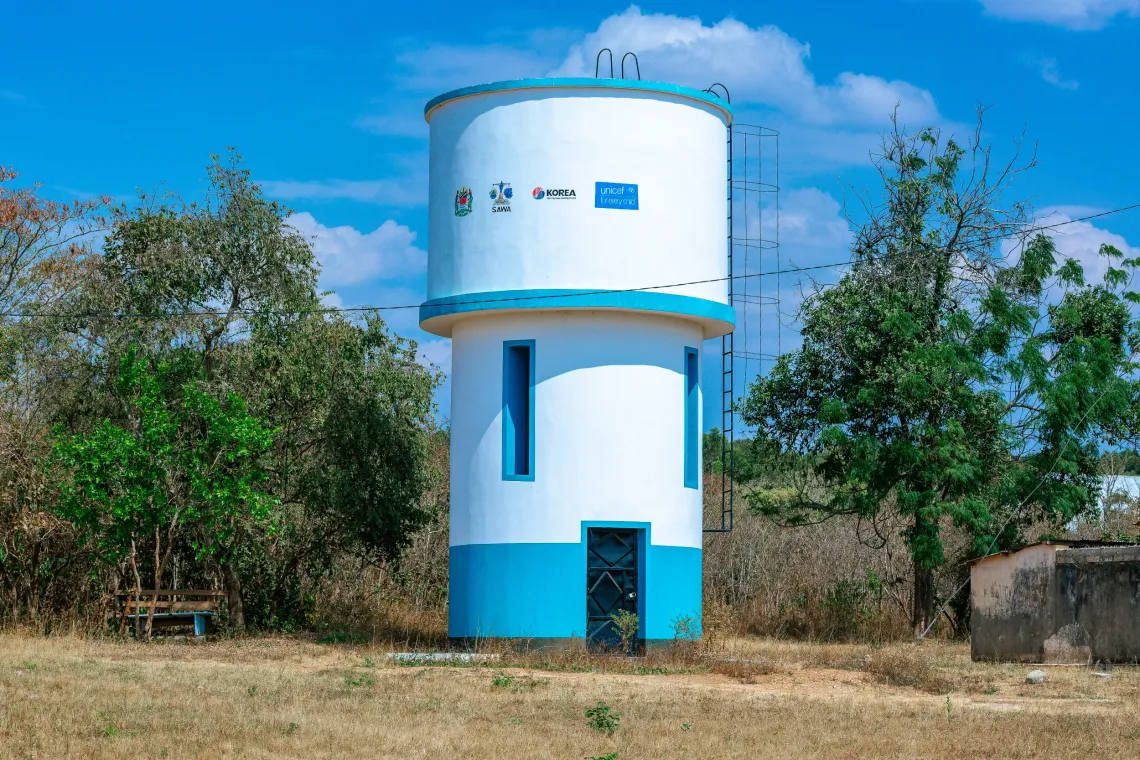

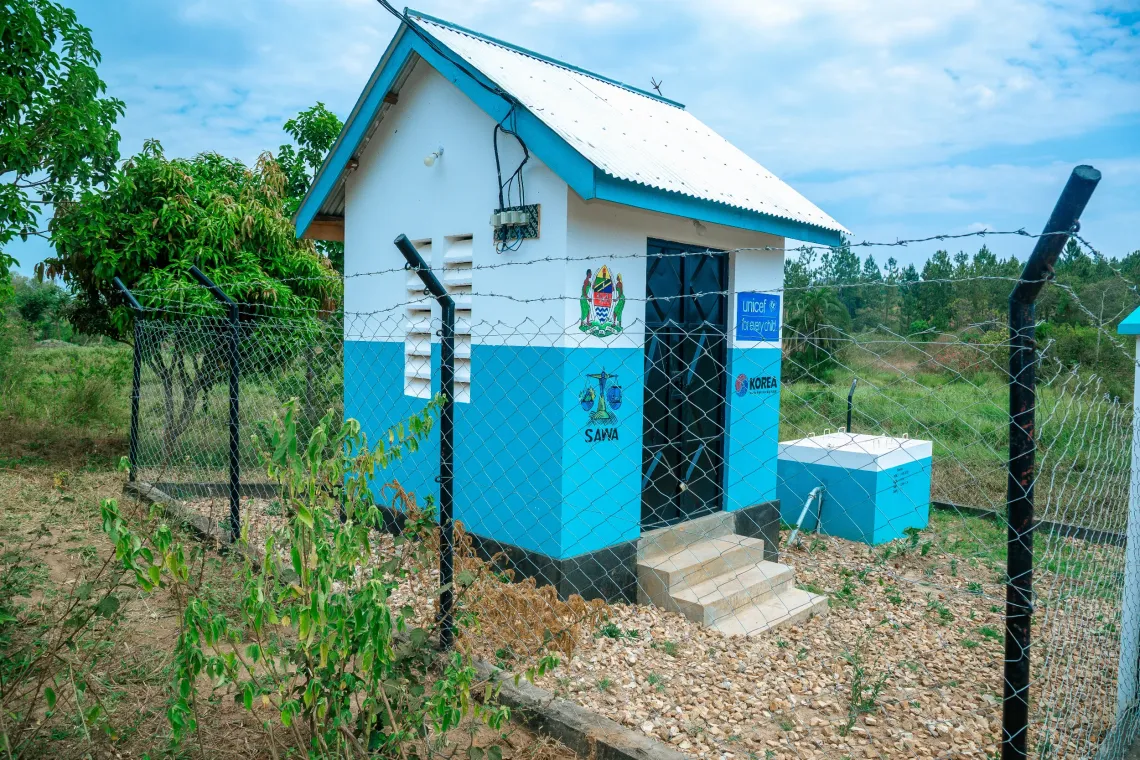
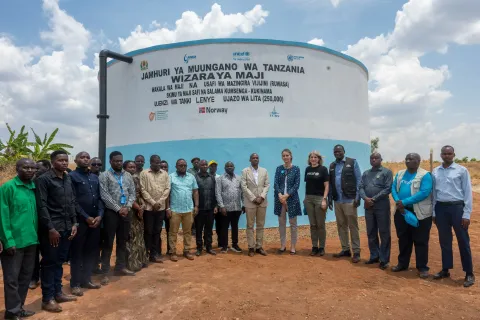
To address this challenge and strengthen the hospital's resilience, UNICEF, with funding from the Republic of Korea, partnered with the Government of Tanzania and its technical partner, Sanitation and Water Action (SAWA), to improve water, sanitation, and hygiene services at the facility. The support included drilling a 105-metre borehole, installing a high-capacity pump, constructing a 50,000-litre elevated water storage tank, laying 738 metres of water distribution pipelines, and installing handwashing stations in key service areas, including the hospital's main entrances.
Today, reliable water is available throughout the hospital, strengthening infection prevention and control, environmental cleaning, and patient care.
"Now when I come to work, I know water will be available when we need it," says Aloysia. "That gives us confidence. We can maintain hygiene standards consistently and focus on caring for patients."
The upgraded water system supports 45 health workers and helps ensure safer care for patients and caregivers accessing services at Biharamulo District Hospital, a 168-bed facility serving
The benefits are also felt by patients and caregivers, Adivera Baltazari, who recently spent two weeks caring for a relative recovering from a caesarean section, says access to water has made the hospital environment more comfortable and dignified.
"You only walk a few steps and find water," she says. "When water is there, you have hope."

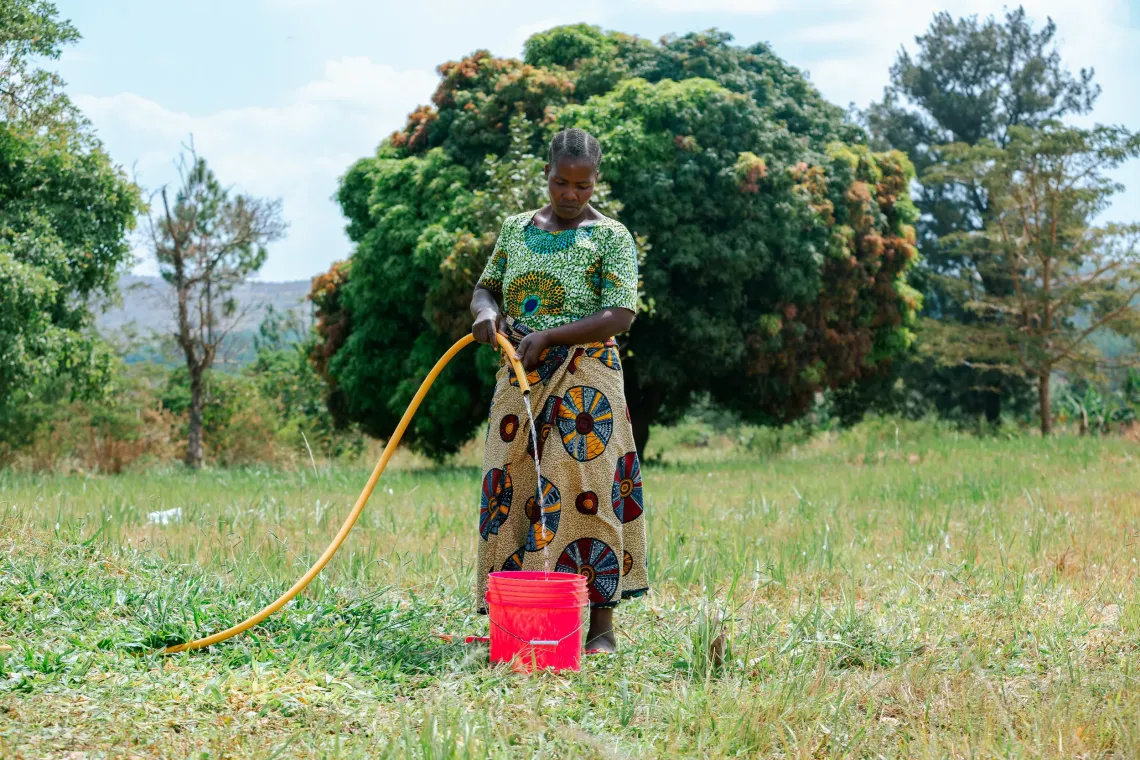

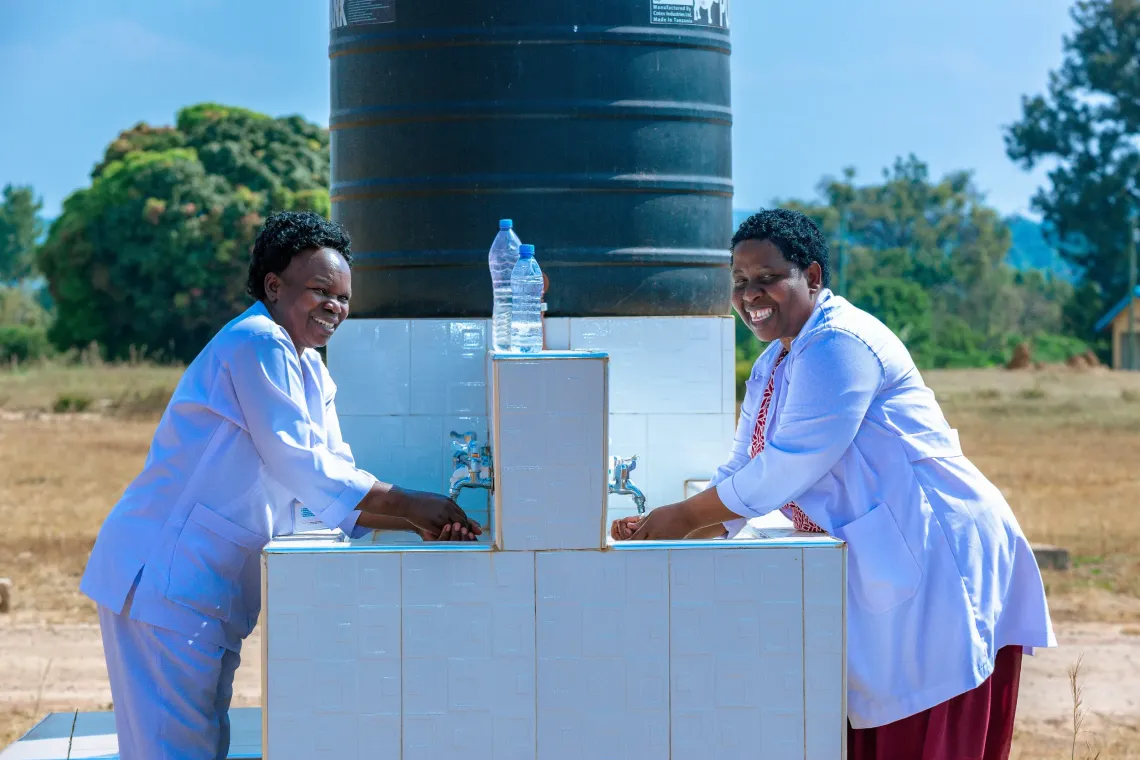
For Aloysia, the change is measured in ordinary moments that no longer feel uncertain.
“The Marburg outbreak showed us how important reliable water is,” she says. “Today, we can protect our patients, protect ourselves and continue providing essential services. We are much better prepared than before.”
At Biharamulo District Hospital, turning on a tap is no longer a question of chance.
It is a reminder that one of healthcare's simplest necessities can also be one of its strongest defences. By investing in reliable water, sanitation and hygiene services, the Government of Tanzania, with support from UNICEF and the Republic of Korea, has helped strengthen safer care today while building a more resilient health system for the emergencies of tomorrow.