Childhood in 2050
Our Vision for a Tanzania Where Every Child Thrives

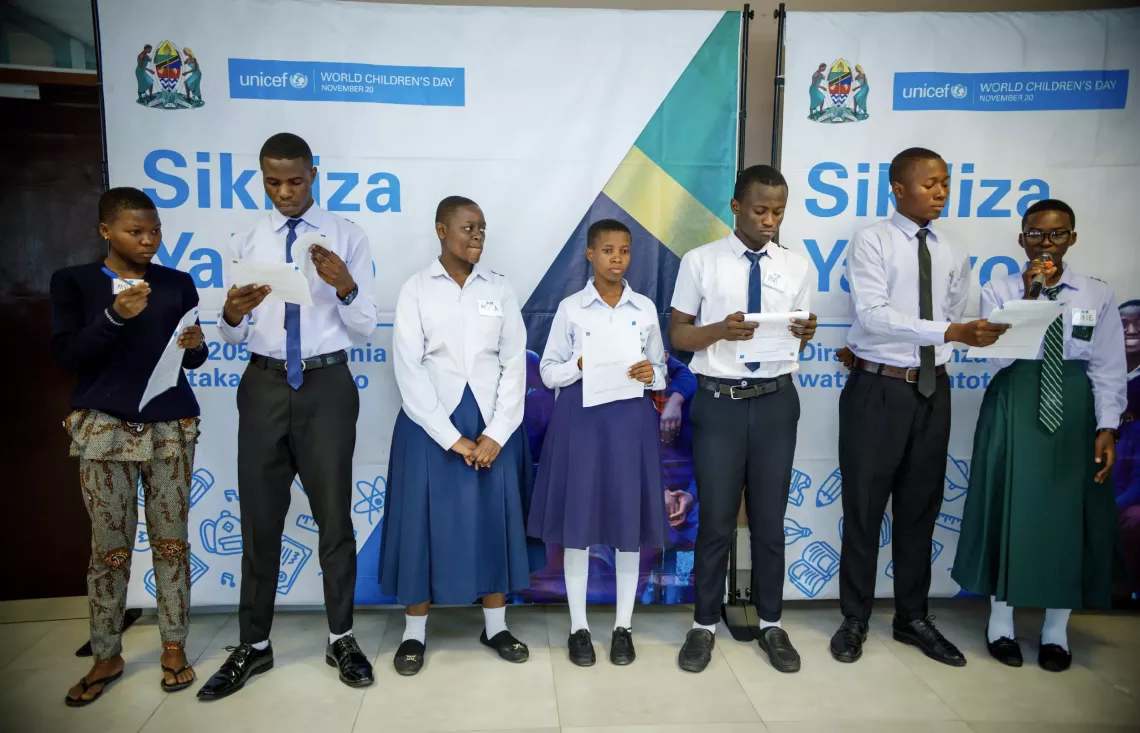
World Children’s Day, commemorated globally on 20 November, marks the anniversary of the adoption of the United Nations Convention on the Rights of the Child (UNCRC)—the most widely ratified human rights treaty in history. Tanzania was among the first countries to ratify the UNCRC, reaffirming its commitment to upholding the rights of every child. This year, the theme for World Children’s Day is “Listen to the Future,” emphasizing the critical need to amplify children’s voices on key issues affecting their lives, including education, protection, climate change, and participation in decision-making. UNICEF’s flagship report, State of the World Children, launched in conjunction with World Children’s Day, highlights children in sub-Saharan Africa face heightened risks in a rapidly evolving world shaped by extreme climate events, shifting population dynamics, and widening technological divides.
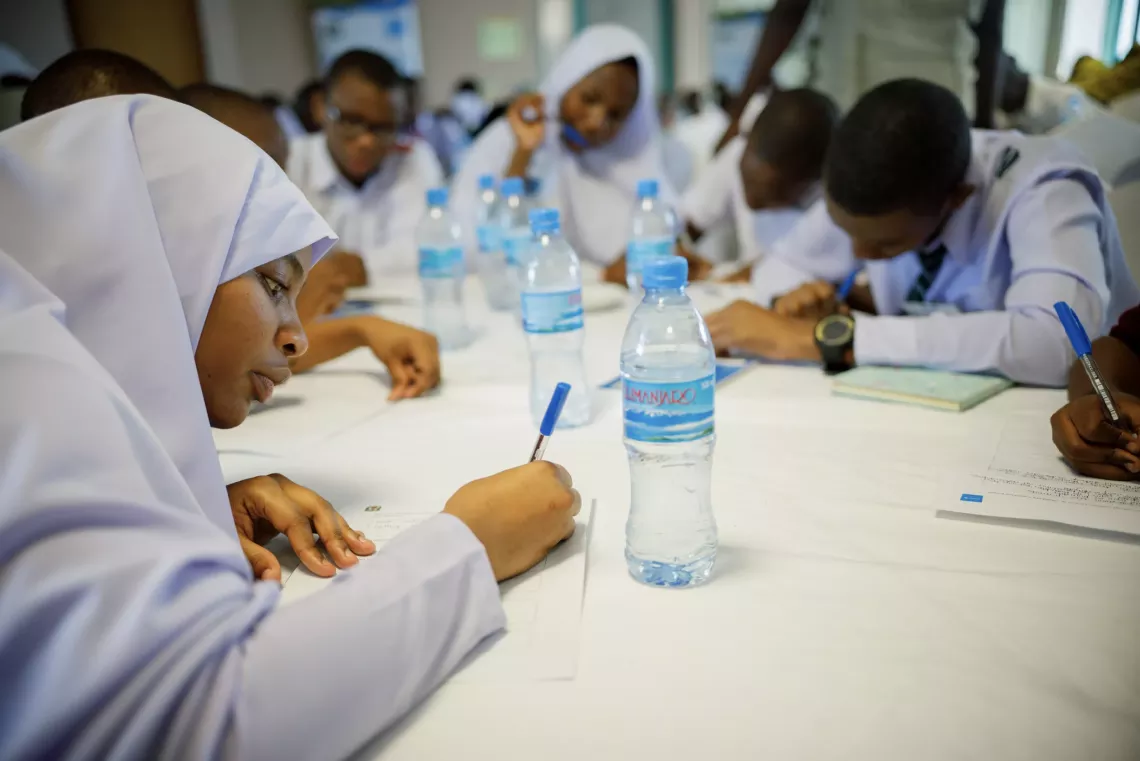
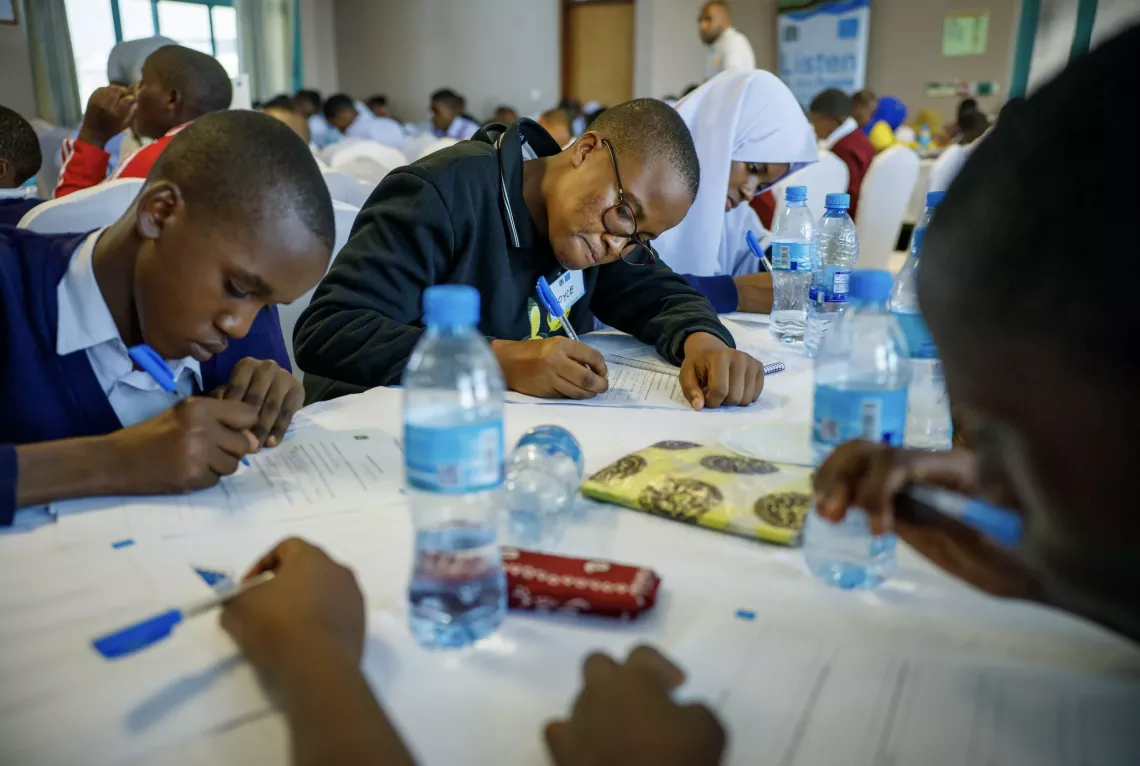
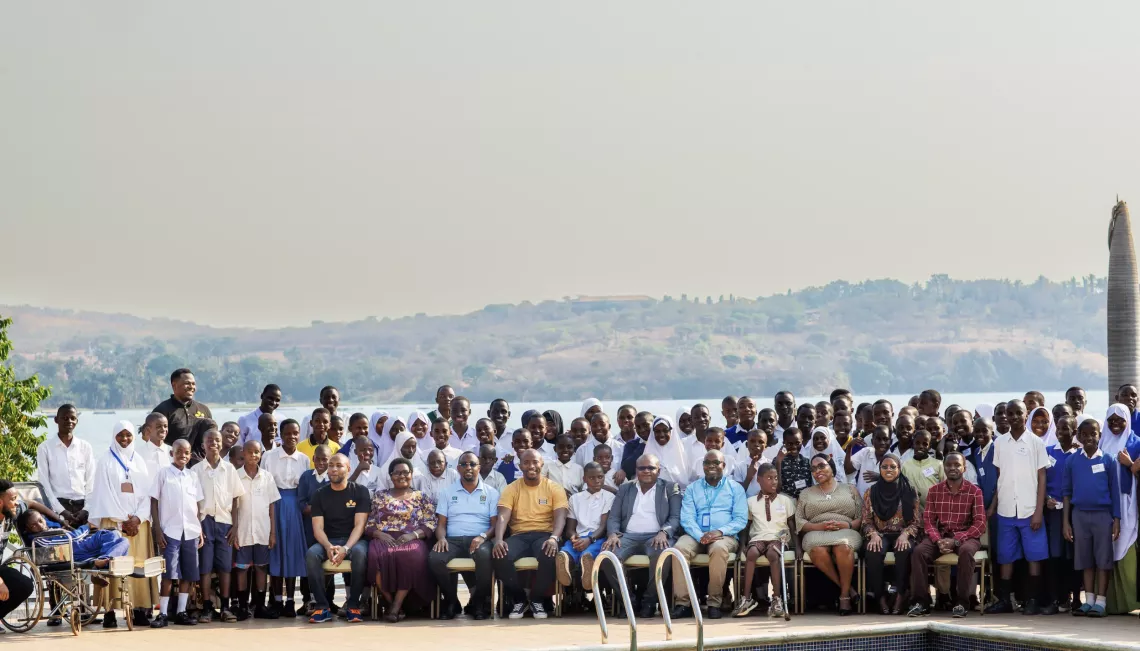
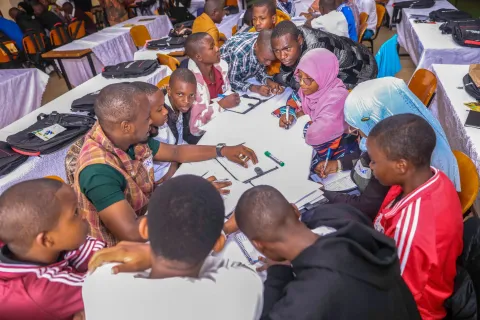
In Tanzania, the theme aligns with the ongoing consultations for the Tanzania Development Vision 2050. Earlier this year, UNICEF, in collaboration with the Ministry of Community Development, Gender, Women, and Special Groups, and the President’s Office Planning Commission, organized nationwide consultations with more than 14,000 children to gather their views on the Vision 2050. These consultations, conducted both online and offline, provided children an opportunity to share their perspectives on the country’s long-term development goals, and these views were submitted to the President’s Office Planning Commission. As part of the consultation, children wrote letters to adults about the Tanzania they would like to see in 2050.
Dear Adults,
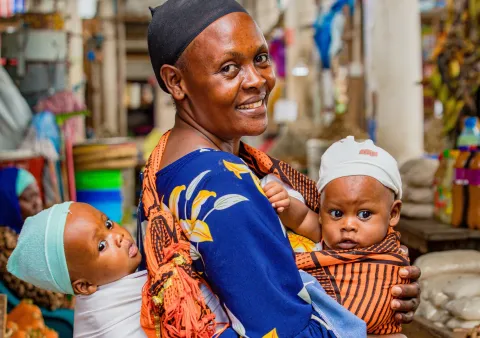
We are children of Tanzania, and we want to share our dreams for the future. When we imagine life in 2050, we see a country where every child has what they need to grow up healthy, happy, and hopeful from the moment they are born. In 2050, we dream of a Tanzania where every child has enough food to eat and clean water to drink. Whenever a child is sick, they’ll be able to see a skilled doctor and receive the medicine they need. It won’t matter where they come from—everyone will have access to these basic child rights.
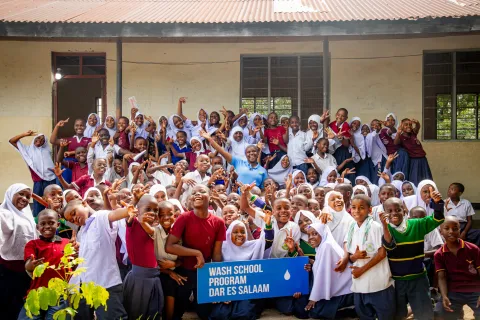
We hope that all children will grow up in loving families and safe homes. When it’s time to start school, education will be free for everyone. We picture schools with the best teachers, libraries filled with books, computers for every student, clean toilets with water, and free meals provided for children learning in public schools. We dream of schools with facilities that support children with disabilities, so no one is left behind.
We imagine a Tanzania where education prepares adolescents and youth for the future by teaching practical skills and using technology. Education in 2050 won’t just be about sitting in a classroom—it will be about learning things that help us find good jobs and contribute to the country’s progress.
Most importantly, we see a Tanzania in 2050 where every child is safe. No child will have to fear violence or abuse, and strong laws will protect us. Communities will work together to keep children safe, and there will be no child marriages, no early pregnancies, no harmful practices, and no corporal punishment in schools.
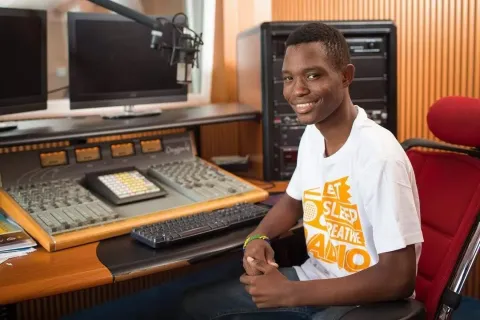
We also hope that children like us will have a voice in decisions that affect their lives. From our homes to our schools and communities, in meetings, events, and even national conferences, our opinions will be valued and used to shape the future of Tanzania.
In 2050, we dream of a Tanzania where every child feels loved, safe, and valued from birth through adulthood. Tanzania will be a country where we are healthy, educated, and ready to face the future with confidence.
This is the Tanzania we hope to see when we grow up.