Improving School Environments
For Safer and Healthier Learning in Tajikistan

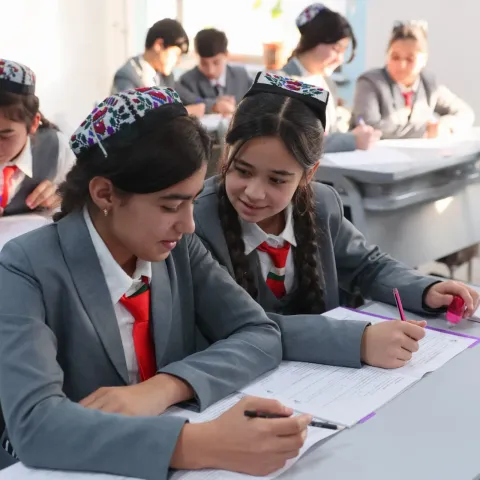
Varzob and Rudaki districts, Tajikistan – In two schools in rural Tajikistan, recent improvements are helping create safer, healthier, and more comfortable environments for children to learn.
At School No. 3 in Varzob district and School No. 66 in Rudaki district, students and teachers had long faced challenges linked to aging infrastructure. During winter months, classrooms were often cold due to poor insulation and outdated windows, while unreliable electricity and limited ventilation affected both comfort and air quality. Through a pilot initiative led by UNICEF Tajikistan under the Regional Business Model Initiative (BMI), these schools have undergone targeted upgrades to improve safety, energy efficiency and overall learning conditions.
Children in Tajikistan are increasingly exposed to the effects of climate change. Millions face risks linked to extreme temperatures and air pollution, which can affect both their health and education. Many school buildings, particularly in rural areas, lack adequate heating, ventilation and insulation. These conditions can make it difficult for students to concentrate and fully participate in lessons.
To respond to these challenges, UNICEF supported a Whole School Approach, selecting two schools from an initial group of eight with active Eco-Clubs. The selected schools underwent energy audits and safety assessments to identify priority areas for improvement.

UNICEF/Tajikistan/Manucher Ruziev
UNICEF/Tajikistan/Aziz Akhmedov
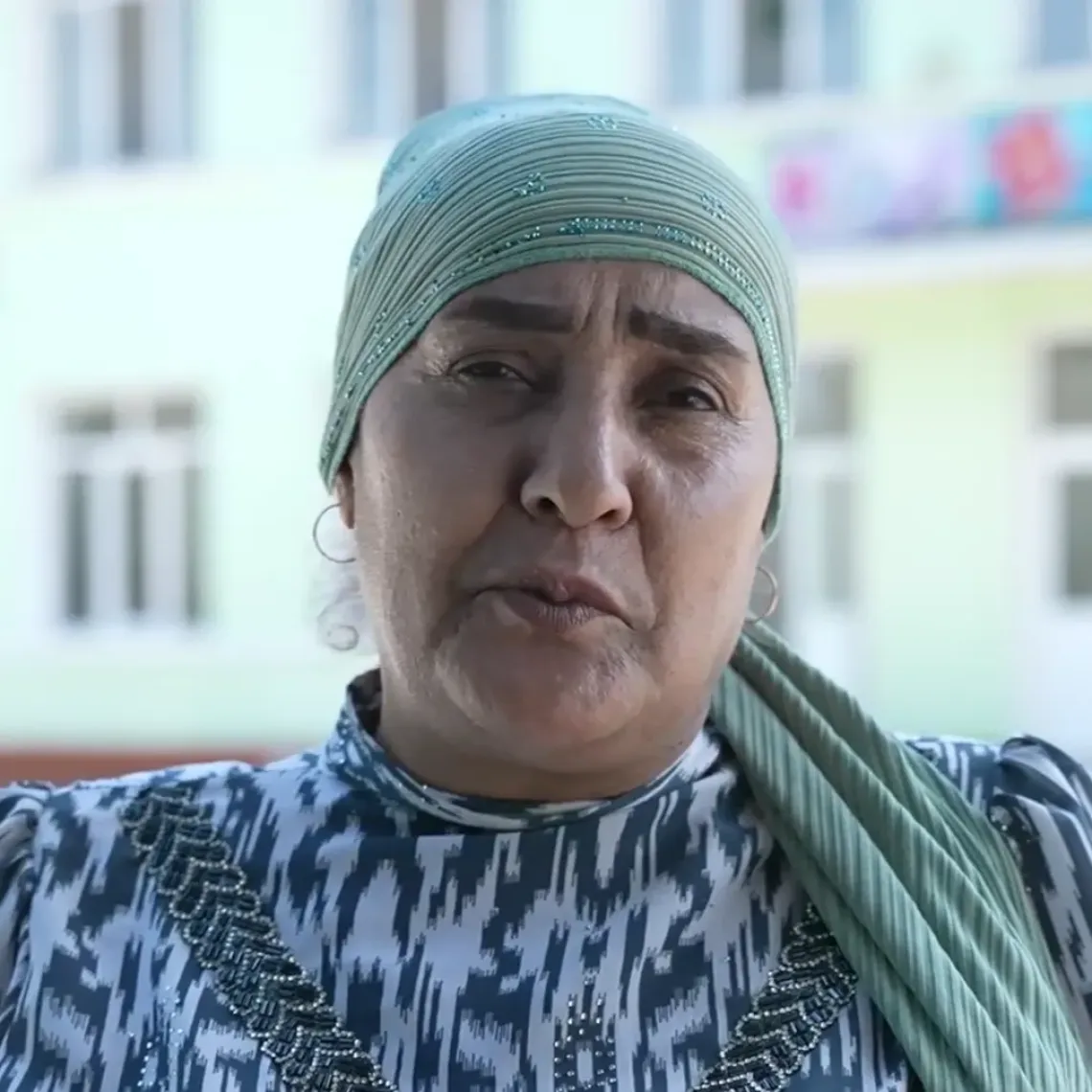
“As a parent, I am very happy with the improvements,” says Rasulova Shamigul, a parent from Rudaki district whose two children attend School No. 66. “Parents and children are very satisfied because previously winters were harsh and classrooms were cold, especially when there was no electricity. Now the conditions are much better for learning.”
Practical improvements in schools
Based on the assessments, a range of practical improvements were introduced to enhance both the safety and energy performance of the school buildings. New double-glazed windows were installed to improve insulation and reduce heat loss during colder months, helping maintain more stable classroom temperatures. Off-grid solar photovoltaic systems, equipped with battery storage, were introduced to provide reliable lighting even in areas with unstable electricity supply. In addition, lighting systems were upgraded to energy-efficient LED solutions, improving visibility for students while reducing energy consumption.
Indoor air quality was also addressed through the installation of air-cleaning systems, creating healthier classroom environments. In School No. 3, new safe outdoor stairs were constructed leading to elementary classes and kindergarten, to reduce physical risks and improve overall safety for students and staff. Electrical systems were further adjusted to ensure safe and stable operation across the upgraded infrastructure. Together, these improvements contribute to more comfortable, secure and reliable learning spaces for children.

For families and teachers, the changes are equally meaningful
Teachers and school leaders say the improvements are already making a difference.
“In the past, during winter, we faced many difficulties due to electricity shortages and very poor, outdated windows,” says the Sattorzoda Sunatullo Nizomi, Director of School No. 3, Varzob District, Khushyori Village. “There were also no proper stairs for children and teachers to access the kindergarten and the football field safely. Now everything is new and safe. The school environment has improved significantly for both students and teachers.”
Teachers report that students are now more comfortable and able to focus better during lessons.
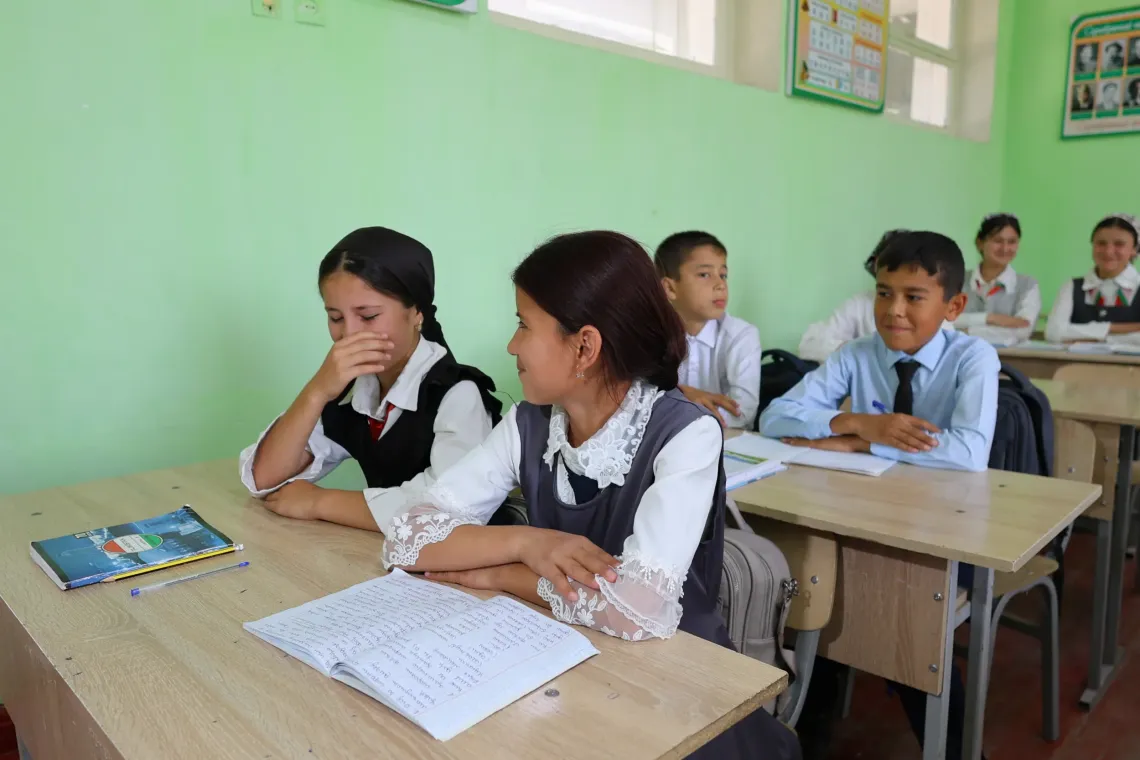
“Students are more comfortable now, especially during colder days,” says one teacher. “It is easier for them to stay focused and participate in lessons.”
A model for climate-resilient schools
While these upgrades directly benefit around 2,000 students and teachers in the two pilot schools, their importance extends beyond these locations. The initiative is designed as a practical model to inform wider efforts to improve school infrastructure across Tajikistan, where many education facilities face similar challenges related to climate exposure and aging construction.
The experience from Varzob and Rudaki is helping generate evidence on how targeted, climate-smart investments can improve learning conditions while strengthening resilience to environmental risks. Early observations suggest that improved insulation, cleaner air and more reliable energy systems can contribute not only to greater comfort but also to better student engagement and reduced disruptions during winter months.
The lessons learned, including technical designs, cost considerations and user feedback, will support the development of national standards and scalable approaches to school retrofitting. In this way, the pilot contributes to longer-term efforts to ensure that schools across the country are safer, more energy-efficient and better adapted to a changing climate.

Linking schools, climate and children’s futures
The initiative also contributes to wider efforts to strengthen Tajikistan’s response to climate change, including integrating climate resilience into education systems and infrastructure. By demonstrating practical solutions at the school level, UNICEF is supporting national partners to develop scalable models that protect children while improving the quality of education.
As the world marks World Children’s Day, the experience of these schools is a reminder that children’s rights must remain at the centre of decisions about education, climate action and public infrastructure. Every child has the right to learn in an environment that is safe, healthy and supportive of their development. In the face of a changing climate, protecting this right also means making schools more resilient, energy-efficient and better prepared for environmental challenges. By investing in practical solutions that improve children’s everyday learning conditions, initiatives such as this help translate children’s rights into tangible improvements in their lives and contribute to a more sustainable future for every child.

Looking ahead
The improvements in these two schools show how relatively targeted interventions can make a meaningful difference in children’s daily learning experience. As Tajikistan continues to address the impacts of climate change, creating safe, resilient and supportive school environments will remain essential to ensuring that every child has the opportunity to learn and thrive.