

Learning for the Future
New Textbooks Help Students in Tajikistan Build Skills for Life
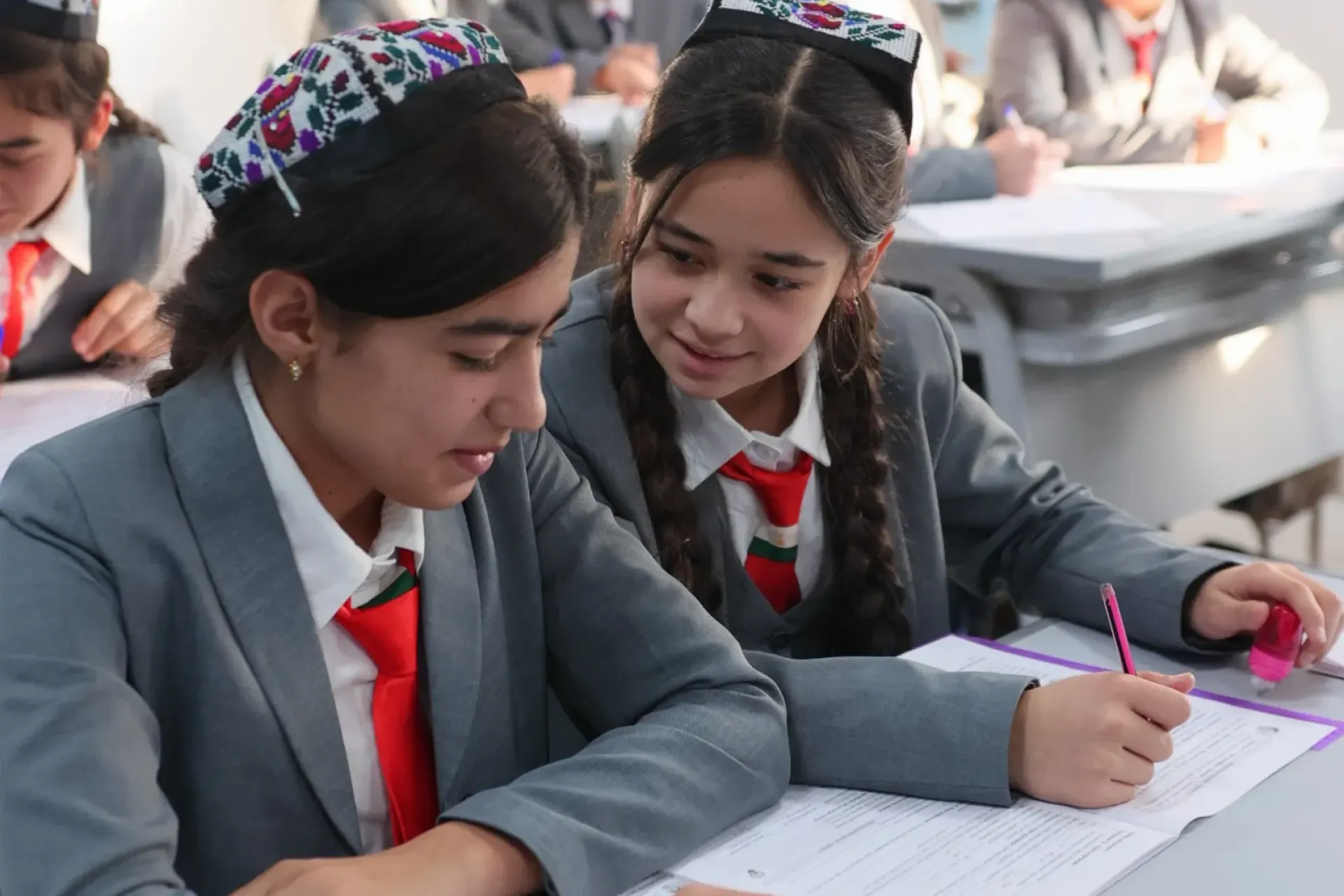
Dushanbe, Tajikistan – In classrooms across Tajikistan, learning is beginning to look and feel different. Mathematics problems now reflect real-life situations, Tajik language lessons are more interactive, and students are engaging with materials designed to strengthen critical thinking, creativity, and problem-solving skills.
These changes are part of broader national efforts to modernize education and better prepare children for the demands of a rapidly evolving world and labour market. To support this transformation, the Ministry of Education and Science of the Republic of Tajikistan, in collaboration with the Islamic Development Bank and with support from UNICEF, has been developing a new generation of teaching and learning materials for students in grades 6–9 in mathematics and Tajik language. This initiative is supported financially by the Islamic Development Bank (IsDB), with complementary technical and system-strengthening support from UNICEF and aligned with broader education sector priorities supported by the Global Partnership for Education (GPE).
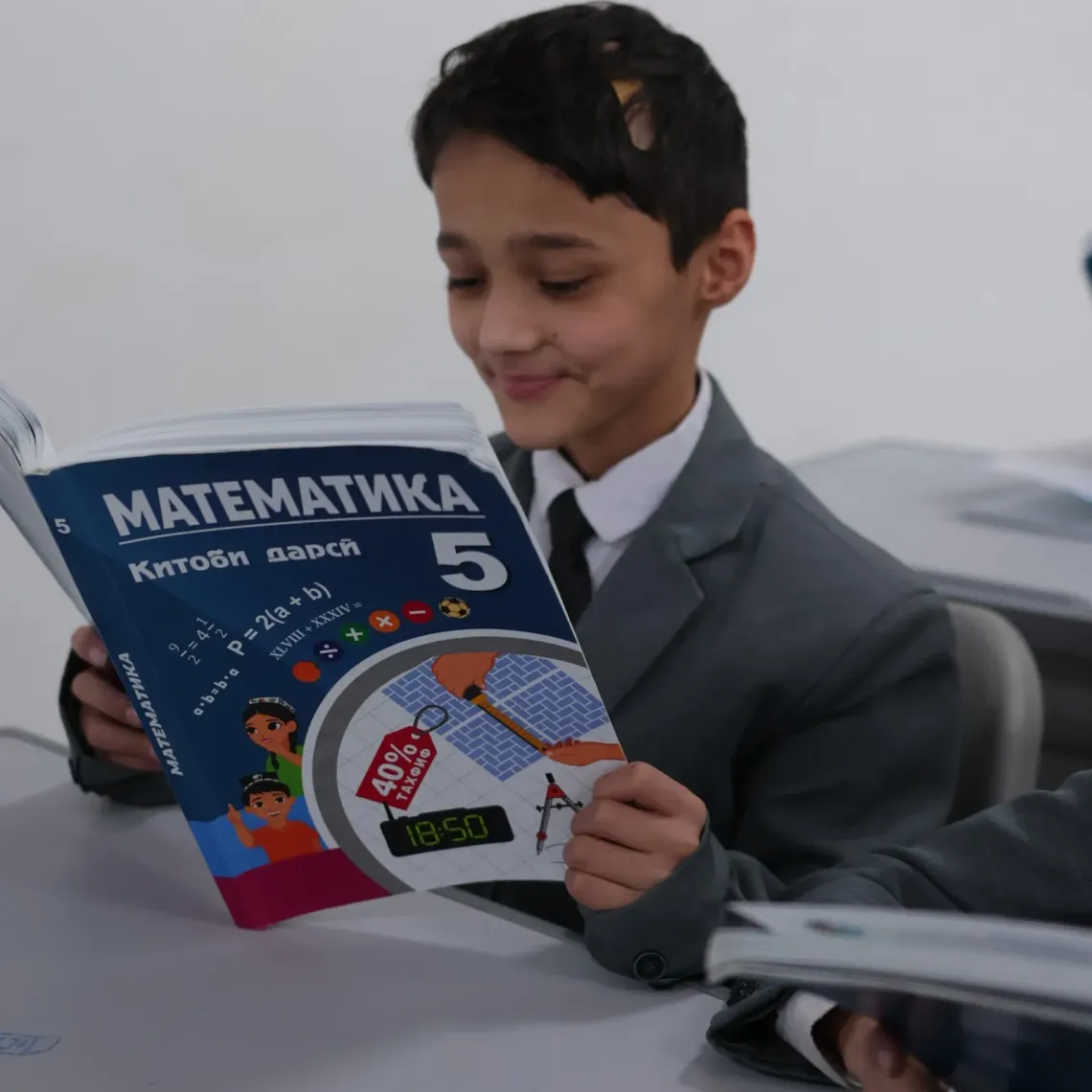
Unlike older textbooks, the new materials emphasize practical application. Lessons include interactive exercises, visual illustrations, reflection tasks, and real-life scenarios that help students see the relevance of what they are learning.
For Ruqniya, a Grade 6 student at Secondary School No. 13 in Dushanbe, the difference is clear.
“I like the new mathematics textbook and workbook more than the previous one,” she says. “It contains interesting illustrations that make examples and exercises easier to understand. With this book, we learn more easily and discover new geometric shapes. The tasks are connected to our daily lives, which helps us find solutions with greater understanding and confidence.”
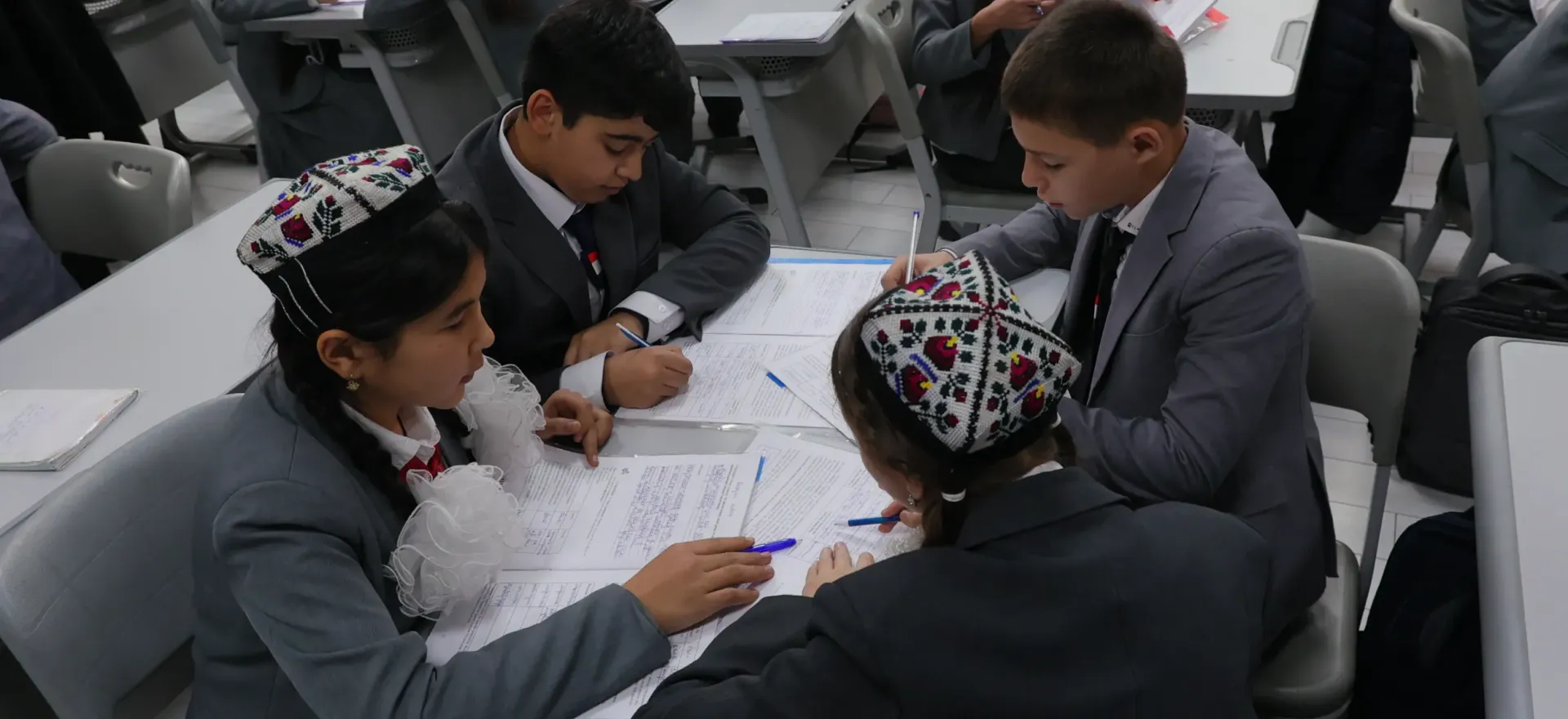
UNICEF/Tajikistan/Kumushoy Murtazakulova
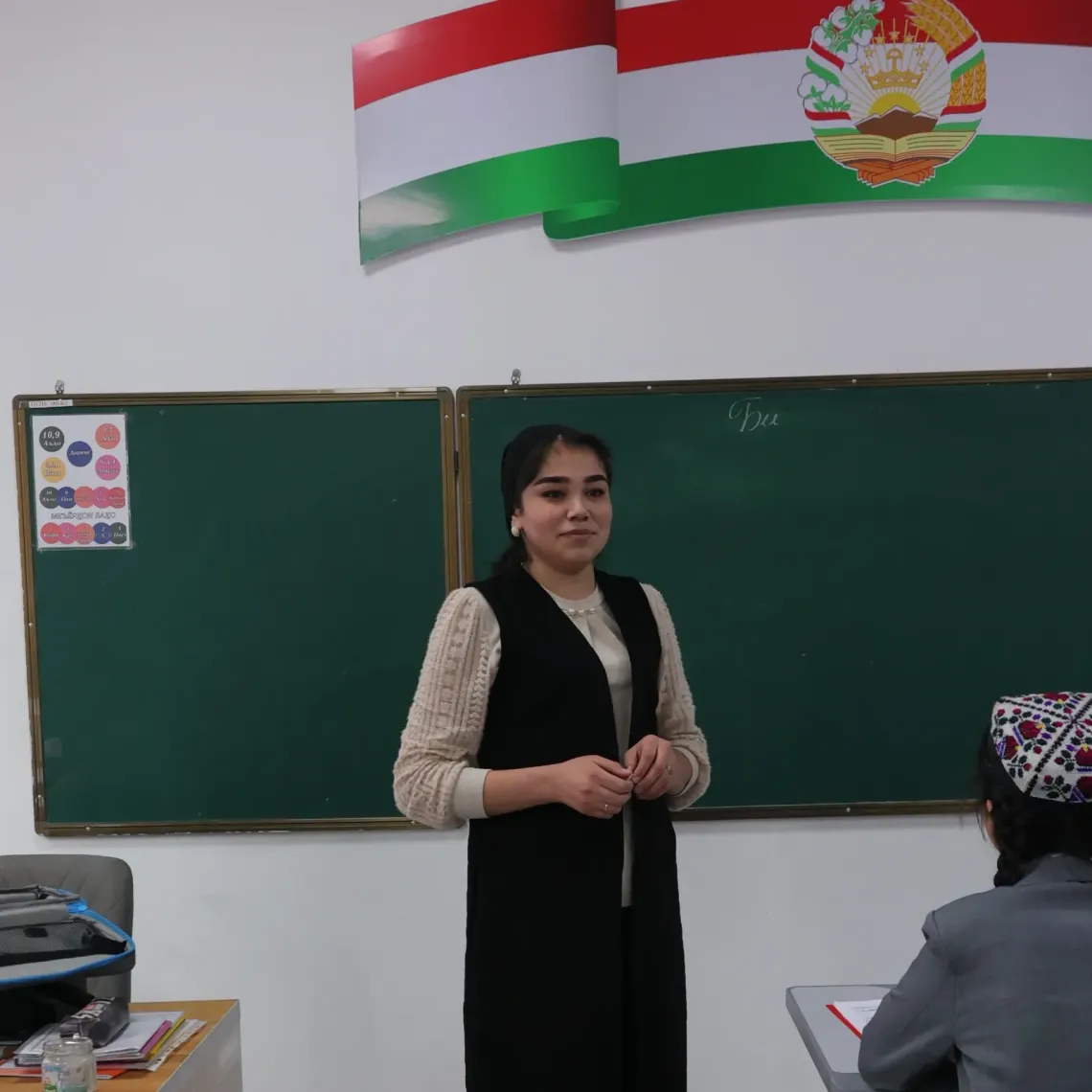
UNICEF/Tajikistan/Kumushoy Murtazakulova
“Competency-based education helps students not only memorize information, but also apply knowledge in real life, think critically, and express their ideas with confidence,” says Mirzoeva Ibodat, who has been teaching Tajik language and literature at School No. 52 in Dushanbe since 2019. She is among the pioneering teachers implementing #competency-based education (CBE) in 6th grade classes. She reflects on how these new teaching materials are changing the thinking of the children and their creativity.
Her experience reflects a broader shift toward student-centred learning, where children are encouraged not only to absorb information but also to think independently and apply knowledge in meaningful ways. The development of the new materialso has brought together a wide range of stakeholders, including teachers, curriculum specialists, academic institutions and international experts.
The development of the new materials has brought together a wide range of stakeholders, including teachers, curriculum specialists, academic institutions and international experts.
Grade 6 materials in mathematics and Tajik language have progressed through drafting, institutional review and final design stages. To strengthen quality, the review process was expanded to include the Academy of Sciences and the National Pedagogical University. Their contributions helped ensure stronger alignment with national standards, improved technical accuracy, and greater pedagogical relevance.
At the same time, Grade 7 materials entered pilot testing in 30 schools across the country. Joint teams of national and international experts conducted classroom observations, engaged with teachers and students, and assessed how effectively the materials support learning in practice.
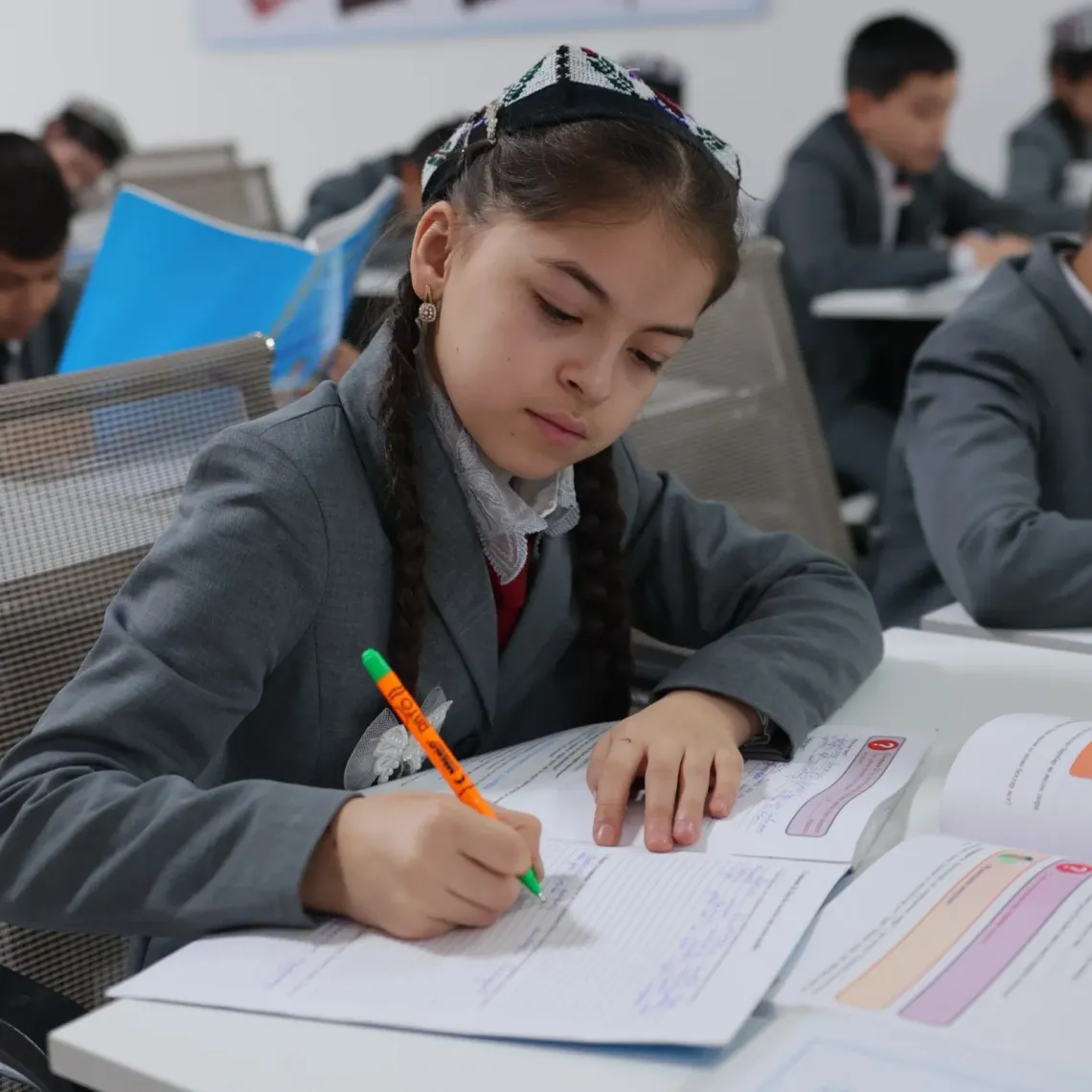
Teachers participating in the pilot phase report that the updated materials are easier for students to understand, more engaging during lessons and better suited to modern learning needs.
Importantly, the materials introduce reflection activities at the end of each unit. These encourage students to think about what they have learned, how they learned it, and how they can apply it beyond the classroomб an essential skill for lifelong learning.
Feedback from pilot schools is now being used to finalize the materials before printing and nationwide rollout. The initiative represents a significant step toward strengthening the quality and relevance of education in Tajikistan.
For UNICEF, this work is part of a broader commitment to ensure that every child has access to inclusive and quality education, education that not only supports academic achievement but also equips children with the confidence, adaptability and skills they need to thrive in the future.
Through sustained partnerships, including the financial support of the Islamic Development Bank (IsDB) and alignment with system-wide priorities supported by the Global Partnership for Education (GPE), Tajikistan is moving closer to an education system where every child can succeed.


