Clean Water and Safe Care
How WASH Is Transforming Health Facilities in Tajikistan

Across Tajikistan’s 3,297 health care facilities (HCFs), basic water supply, sanitation and hygiene (WASH) services were alarmingly limited. Only 36 per cent of facilities had access to basic water services, and just 1 per cent met basic sanitation standards – indoor and outdoor facilities that are sex‑separated, accessible for people with disabilities, and equipped for menstrual hygiene. Handwashing stations with soap were available in only 12 per cent of health facilities, leaving both patients and healthcare workers vulnerable to infection.
These gaps had serious consequences. Without safe water, sanitation, and proper waste management, HCFs struggled to prevent healthcare-associated infections, undermining the quality of care and public trust. The challenge was compounded by limited data, outdated standards, fragmented institutional responsibilities, and significant financing gaps – with annual investments falling far short of what is needed to meet SDG 6.1 and 6.2.
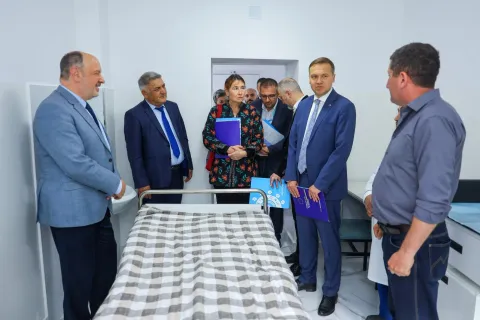
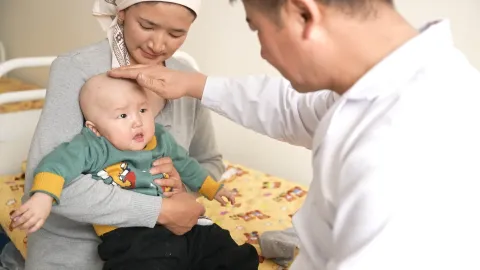
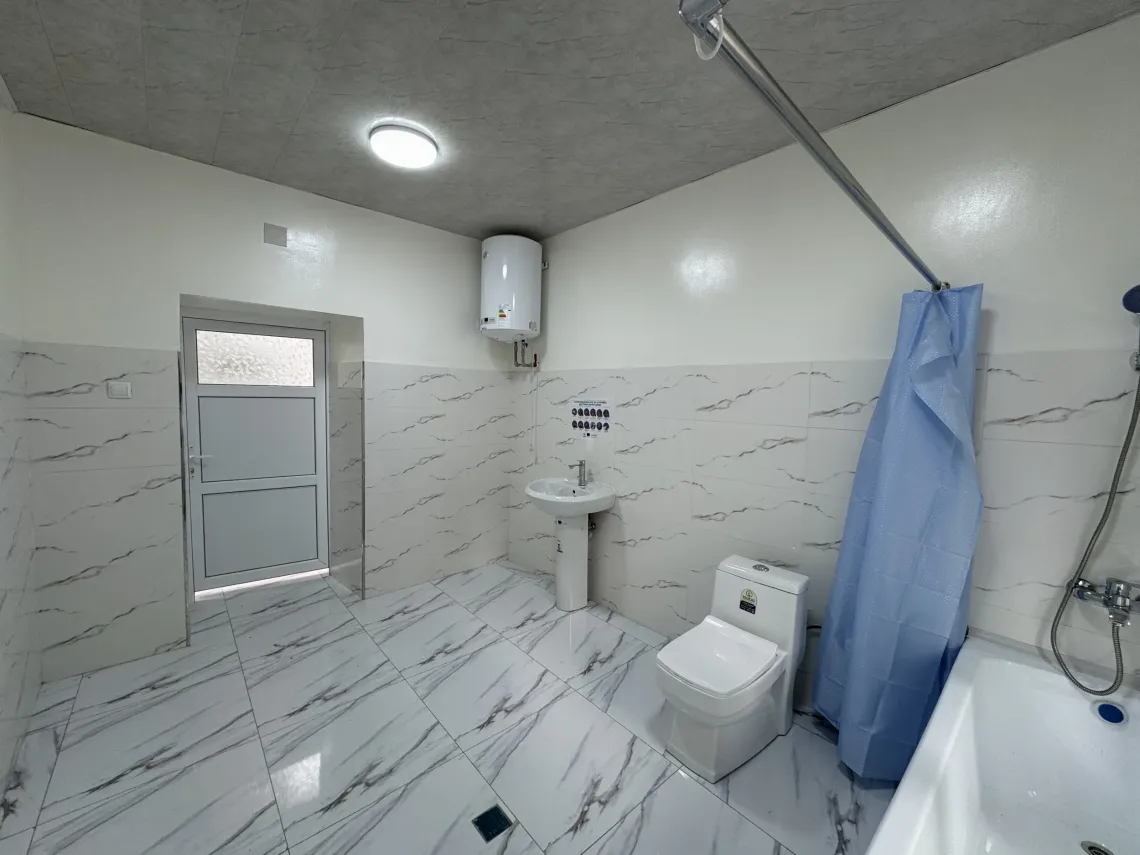
Thanks to the generous financial support of the European Union, communities across Tajikistan have gained access to improved water, sanitation and hygiene (WASH) services and safe drinking water. In close partnership with the Ministry of Health and Social Protection of the Population, health-care facilities throughout the country have undergone a remarkable transformation, ushering in a new era of safer, cleaner and more dignified care for children, women and families.
UNICEF/Tajikistan/Manucher Ruziev
UNICEF/Tajikistan/Manucher Ruziev
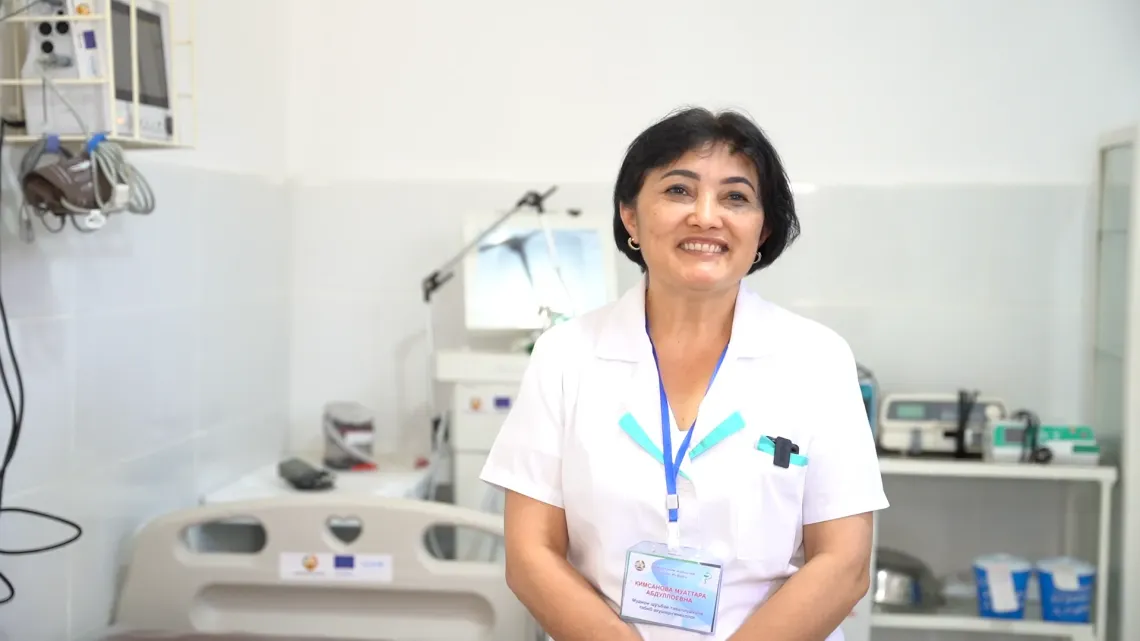
Muatarra Kimsanova, the Head of Maternity Department of the Isfara Central District Hospital in Tajikistan, says “Before rehabilitation indoor WASH facilities were lacking, keeping the hospital clean felt like an impossible task. For mothers arriving with newborns or children with fever, the lack of basic water, sanitation, and hygiene services often meant added risk at a time when safety mattered most."
Recognizing the urgency, UNICEF, in close collaboration with the Ministry of Health and Social Protection of the Population (MoHSPP) and partners, began working to change the story of WASH in HCFs in Tajikistan. The first step was understanding the scale of the problem. A comprehensive nationwide WASH in HCFs (WinHCFs) assessment, funded by JICA and led by WHO in partnership with the MoHSPP, provided the country’s first complete picture of WASH conditions in health facilities. Building on this evidence, UNICEF with the support from European Union developed the WinHCFs Investment Case, helping decision‑makers see not only the gaps – but the solutions. For Muattara and thousands of other healthcare workers, this shift from fragmented data to coordinated planning marked a turning point.
As climate change brings heatwaves, cold spells, and increased disaster risks, UNICEF worked with the government to ensure that new WASH solutions are climate‑resilient, gender‑sensitive, and inclusive. Updated WinHCF standards now address not only access and quality, but also sustainability, resilience, and dignity for patients and staff alike. For instance, with the support from “Al Abdulla Family” fund from UAE, the climate resilient WinHCFs project implementation resulted with 6 Primary Healthcare Centers (PHC) in villages of Solehon, Sarichashma, Navobod, Kipchok, Dusti, and Mehrbakhsh of Vakhdat district have been rehabilitated reaching 18,050 people, including 7,200 children, 10,800 adults and 50 healthcare staff.
“I have been working in this PHC for almost fourteen years now. During this time, small rehabilitation works were done here. But now, we have everything that safeguards us and our patients. In particular, we have the alternative sources of energy and new water filtration system which provides us with fresh drinking water of high quality standard” says Nasiba Abdulhojaeva, Chief of the Sarichashma PHC in Vahdat District.
In some of Tajikistan’s most water‑scarce and vulnerable areas, innovative solutions are being tested. In 2026, UNICEF Tajikistan Country Office, through partnerships with young innovators supported by the UNICEF’s Office of Innovation, Farkhor and Dusti Central District Hospital are targeted to install technologies such as LifeBox (LifeBox | UNICEF Office of Innovation), which provides affordable access to clean energy and water. These innovations are helping clinics remain functional even in extreme conditions.
During 2021 – 2025 UNICEF Tajikistan has been implementing a EUR 30 million project, supported by the European Union. EUR 10.4 million including USD 1.2mln (400,000 for WASH) as UNICEF contribution to this initiative, was allocated for improving WASH services in 37 secondary‑level and 1,500 primary‑level health care facilities, reaching 1.8 million people, nearly half of them children.
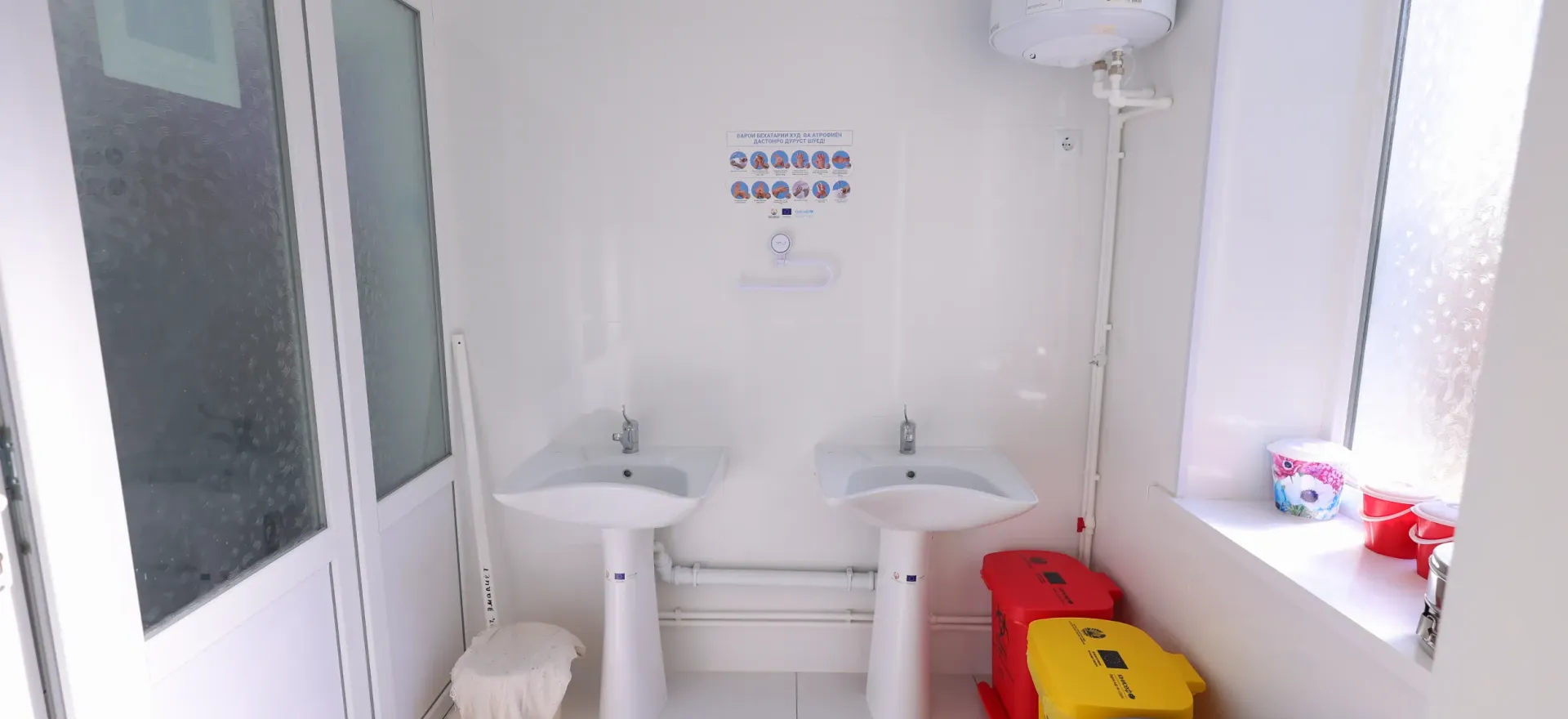
For Muattara, Nasiba and many more healthcare workers and patients, the impact is tangible. Their HCFs now have running water, handwashing basins and stations with soap, and clear cleaning protocols. Health care waste is managed safely, and staff have been trained in hygiene practices. “We feel more confident,” she says. “We know we are protecting our patients – and ourselves.”
Progress is also happening at the national level. Tajikistan has committed to doubling public expenditures on WASH, announced at the 2023 UN Water Conference. A WinHCFs Coordination Platform, led by the MoHSPP with UNICEF’s technical support, now brings together government and development partners to align efforts. The country’s first‑ever WASH Joint Sector Review, conducted in 2022, is paving the way for sustained accountability and coordination. Referring to the WinHCFs Investment Case, the funding requirement to achieve WinHCFs access targets is between $27.7mln ~ 51.6 yearly. In 2024 – 2025, the allocations made by the government, development partners, private sector and communities equal TJS 467.8mln (US$50.8mlm as of December 2025 exchange rate).
Tajikistan’s experience shows that improving WASH in health care facilities is not only about infrastructure – It is about people, systems, and resilience. Lessons learned are now shaping future priorities: integrating climate-smart WASH into national climate plans, digitizing WASH data within the health management information system, strengthening hygiene behavior change, and ensuring long‑term operation and maintenance of facilities.

For healthcare workers like Muattara, working in the secondary-level HCF and Nasiba at the primary healthcare level facility, these changes mean safer workplaces. For mothers and children, they mean dignity, protection, and better care. And for Tajikistan, they represent a critical step toward universal, equitable, and resilient health services – where clean water and safe sanitation are no longer a luxury, but a human basic right.