Helping mothers on their breastfeeding journey
A doctor in Rural Damascus raises mothers’ awareness on the importance of breastfeeding

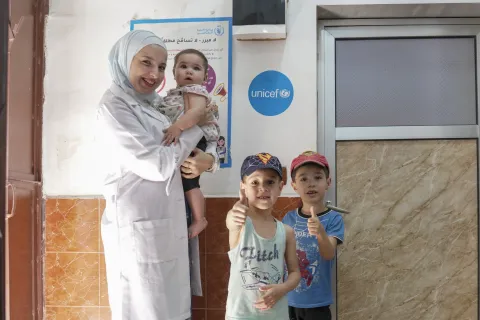
Rural Damascus, Syria - “Breastfeeding is not easy. It requires effort, time, and patience, but it is worth going all the way,” said Dr Randa Alsamman. She is a paediatrician at a UNICEF-supported health and nutrition centre in Harasta, Rural Damascus, Syria. “Mothers need encouragement and support to take this journey,” she added.
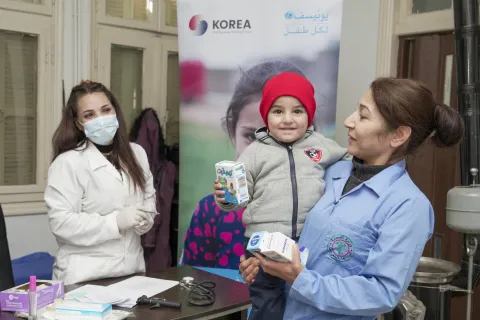
Dr Alsamman meets children with their mothers in a small clinic every day. Besides check-ups for the children, she uses the opportunity to provide mothers advice and awareness about breastfeeding.
“Sometimes mothers feel tired from breastfeeding. They might be in pain, suffer from inflammation, or have doubts about how critical their breastmilk for their babies. These reasons may discourage them and stop them from breastfeeding. Our role is to support these ladies to overcome the challenges they face,” elaborated Dr Alsamman.
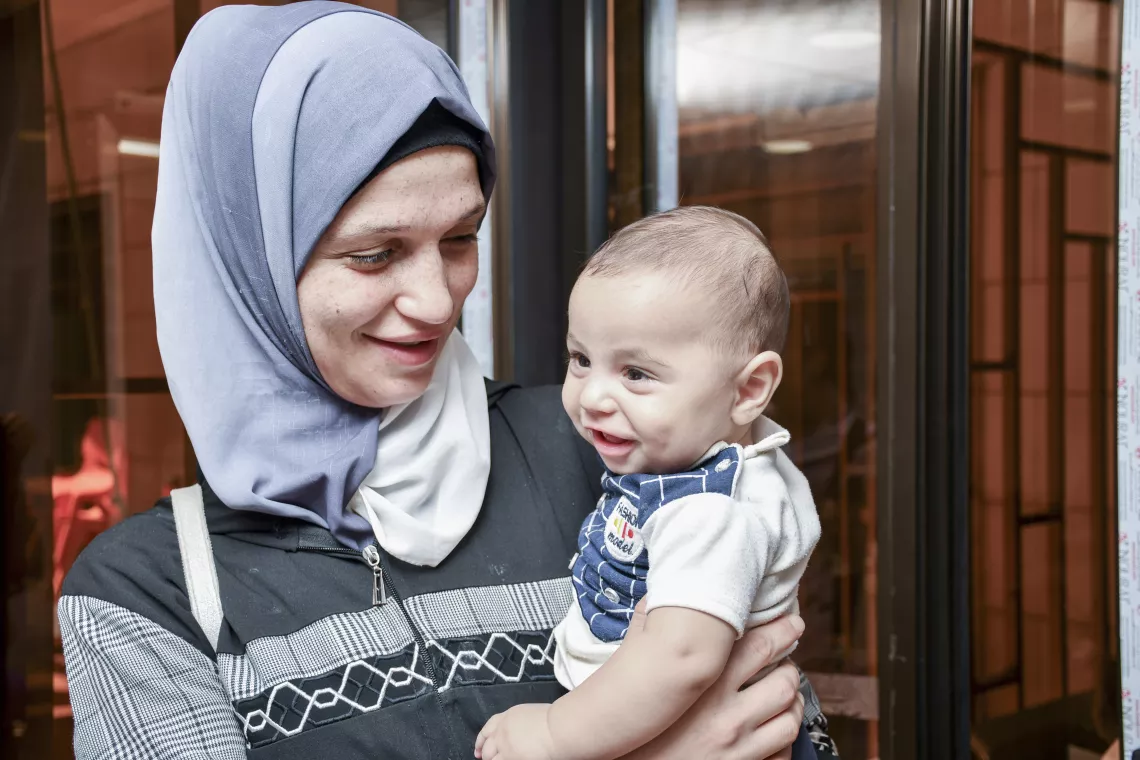
Momina
“A while ago, I suffered from an inflammation while breastfeeding. A local gynaecologist, whom I visited, advised me to stop breastfeeding and start giving my baby formula,” said Momina, 35. She visited the clinic with her three-month-old son Zein. “I did what the doctor advised me to do even though I was not happy with it. I knew it could cause Zein digestion problems and expose him to germs,” Momina added.
A month ago, she approached the UNICEF -supported centre to check-up on her son who had diarrhoea. During the consultation, Dr Alsamman advised Momina on how to speed up her recovery and resume breastfeeding. “I felt a big relief. We are barely able to make ends meet and can’t afford buying baby milk,” Momina explained. Currently, she breastfeeds her son exclusively and regularly visits the UNICEF -supported centre to check up on his growth and health.
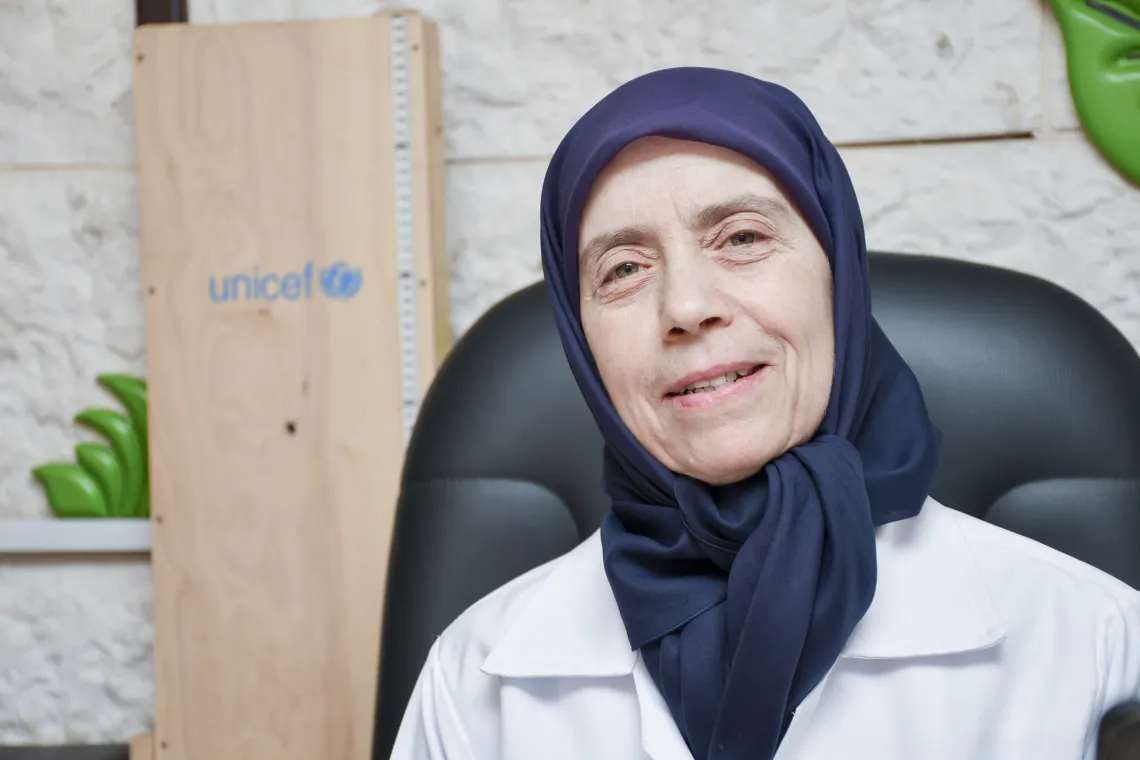
“Most of the community here is suffering from financial hardship. Most people don’t have the means to sanitise milk bottles or they cannot afford to pay for the formula. It sometimes forces parents to dissolve an insufficient portion of the formula into the water or revert to other unhealthy alternatives, such as mixing sugar or starch with water, to feed their babies. Breastfeeding is the solution.”
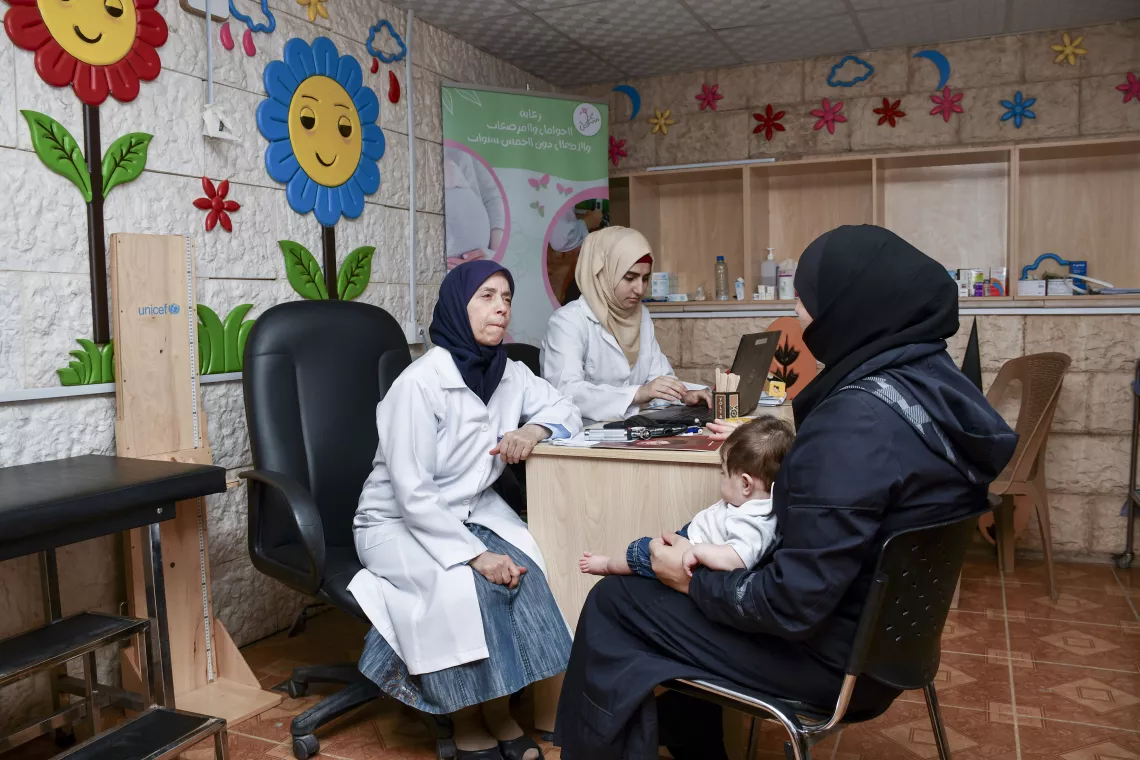
Khadija
“My daughter used to cry a lot. Some friends suggested giving her baby formula and I followed their advice. When I visited Dr Alsamman, she talked to me about the benefits of breastfeeding. I was convinced and stopped feeding my daughter with the bottle and went back to breastfeeding,” said Khadija, 43. She is another patient of Dr Alsamman’s. With her three-month-old daughter Aseel, Khadija attended awareness-raising sessions about breastfeeding at the UNICEF -supported centre. She returned to breastfeeding her daughter a month after visiting the centre.
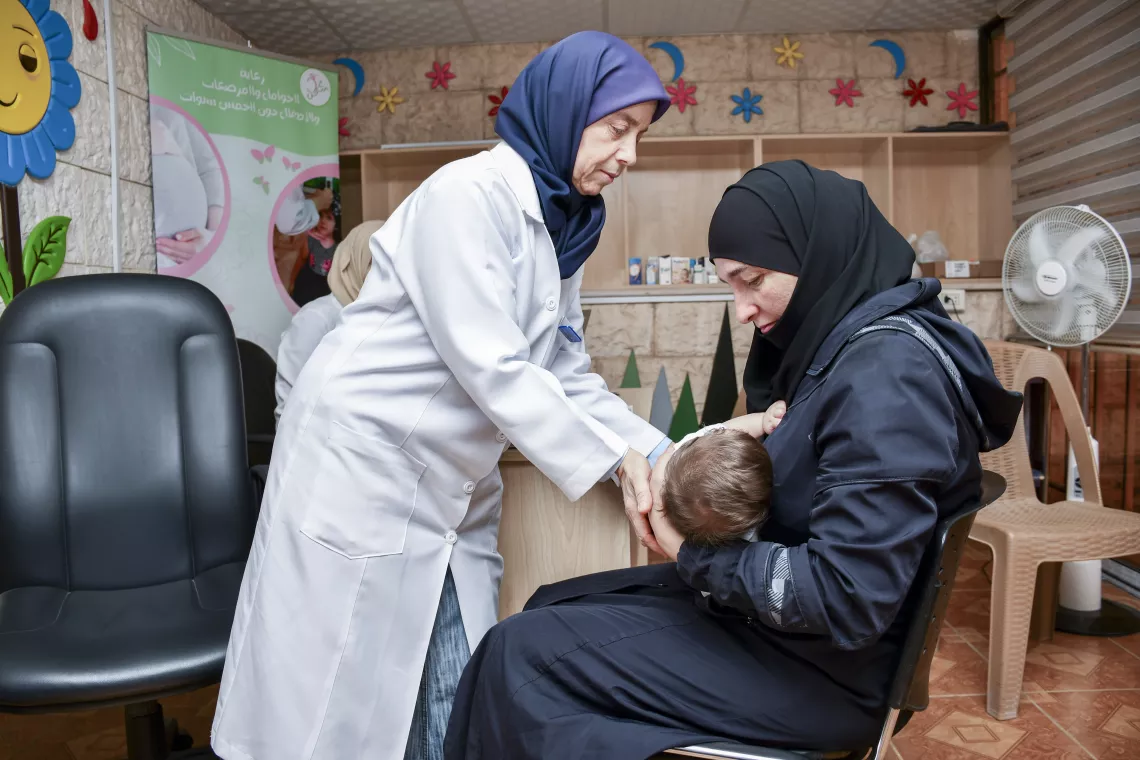
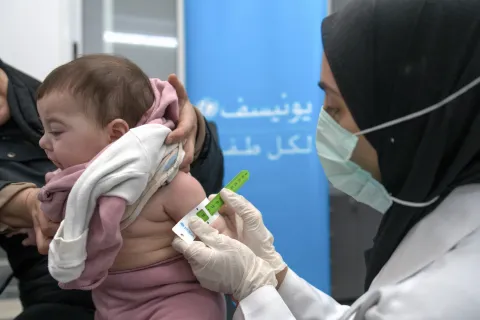
“She was examined today. It is great to see that she gained one kilogram, only because of my milk!” said Khadija. She intends to continue breastfeeding Aseel until she turns two and regularly visits the centre for awareness and counselling sessions about various subjects related to the feeding infants.
“We have a significant role to play in spreading awareness in the community,” said Dr Alsamman. “Besides lactating women, we also need to reach the people around them who might impact them with inaccurate information or misconceptions linked to breastfeeding,” she added.
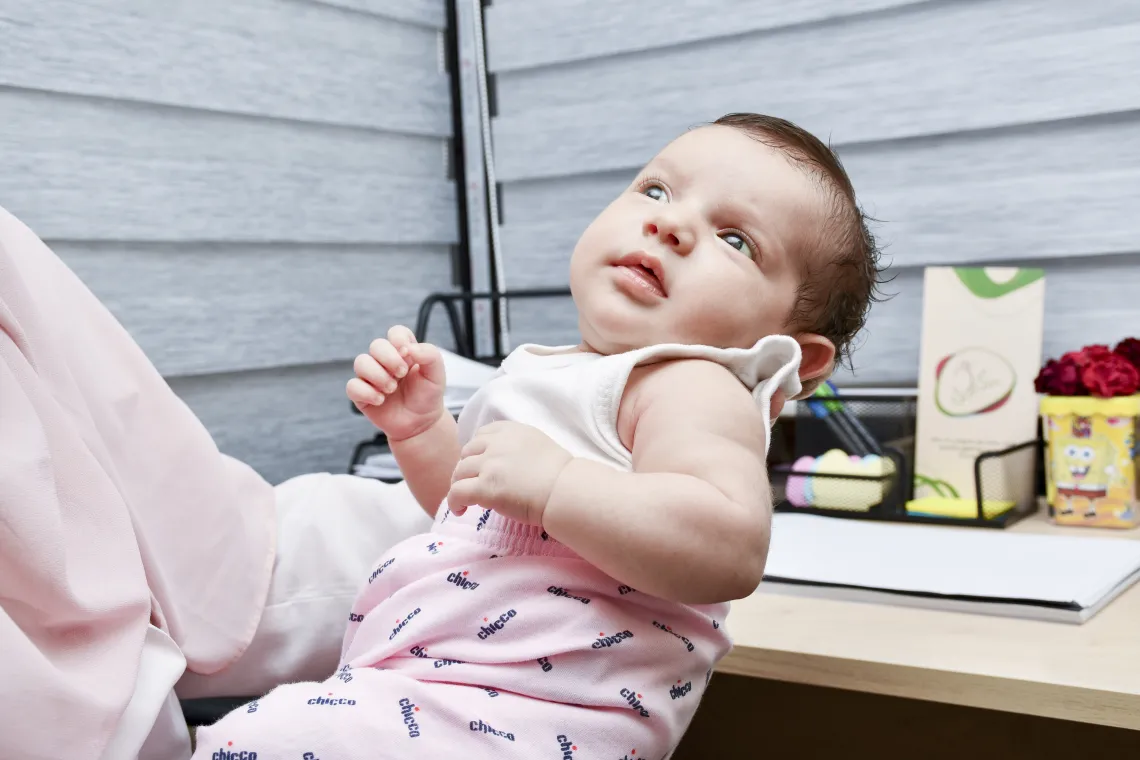
Ghofran, a receptionist at the centre, has recently become a mother and brought her one-month-old daughter in for a medical check-up. “Working here has helped me to understand the importance of breastfeeding. It is especially important in building a strong immune system for my daughter,” she said. “I hadn’t realised how much love and tenderness I would pass to my daughter when I breastfeed until I did it for the first time,” she added.
“I don’t have kids myself, but I feel responsible towards helping every child who enters through my clinic’s doors. I want to make sure they have the chance to grow and be healthy as if they were my own,” said Dr Alsamman.
Since 2022, in Syria, UNICEF has reached 1.7 million caregivers with guidance on optimal infant and young child feeding practices. As part of the nutrition programme in Syria, UNICEF has also screened 2.1 million children under the age of five and pregnant and lactating women for malnutrition and reached over one million mothers and children with micronutrients. During the same timeframe, more than 10,000 children under five years were admitted for treatment of severe acute malnutrition. The activities were funded by the Bureau for Humanitarian Assistance (BHA/USAID); Governments of Australia and Canada; Syria Humanitarian Fund; UNICEF’s National Committees for Germany and Poland; UNICEF’s Global Humanitarian Thematic Fund; and United Nations Central Emergency Response Fund.