Wasting in their sight
Sudan’s malnutrition crisis through mothers’ eyes

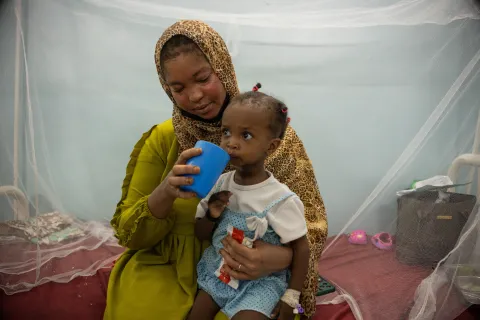
Halima looks at her children helplessly as she feeds her youngest a nutritious paste from a mobile health team. The family has just arrived after spending days on the road, fleeing the conflict in Al Fasher. It’s not the first time they have been displaced.
“We have been displaced six times to different locations until the fighting reached us,” Halima shared.
“We are living through extremely difficult circumstances.”
The conflict has pushed millions into displacement, cutting them off from healthcare, nutritious food, shelter, and water. Children continue to suffer.
“We are hungry and tired,” she continued quietly.
The deadly combination of displacement and food shortages is visible in the tired, frail bodies of thousands of children, including Halima’s.
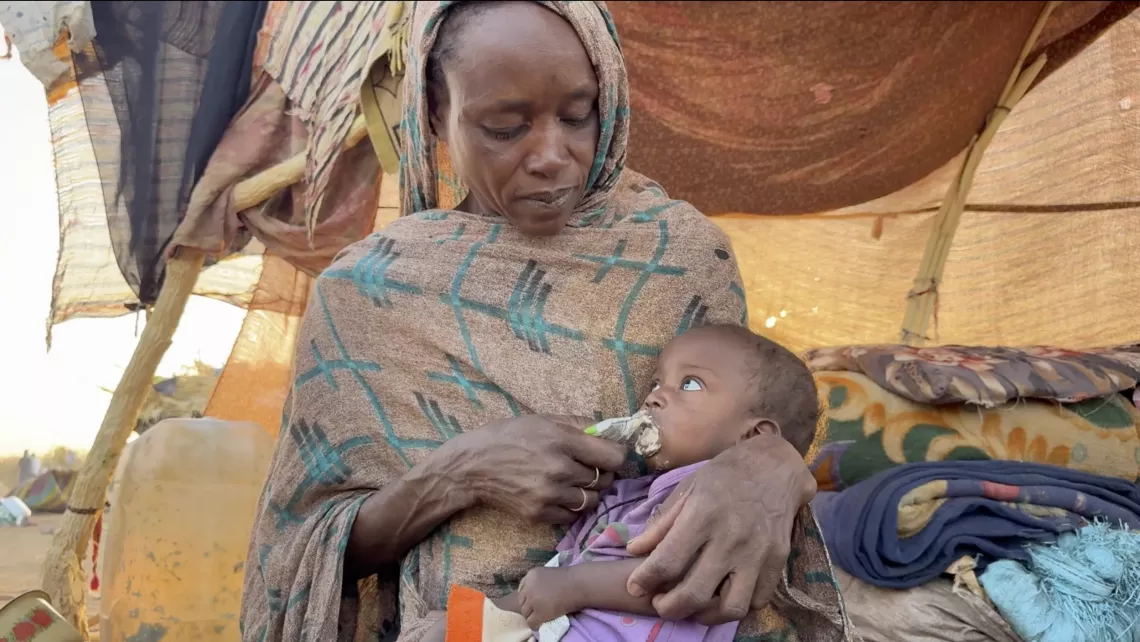
“Our children are not eating enough. The food available isn’t sufficient. That’s why they are becoming thin and sick. Most children are surviving on just one meal a day,” Halima echoed with sadness.
Halima’s story is a reality of millions of mothers who continue to watch their children waste away each day as the Sudan’s malnutrition crisis deepens.
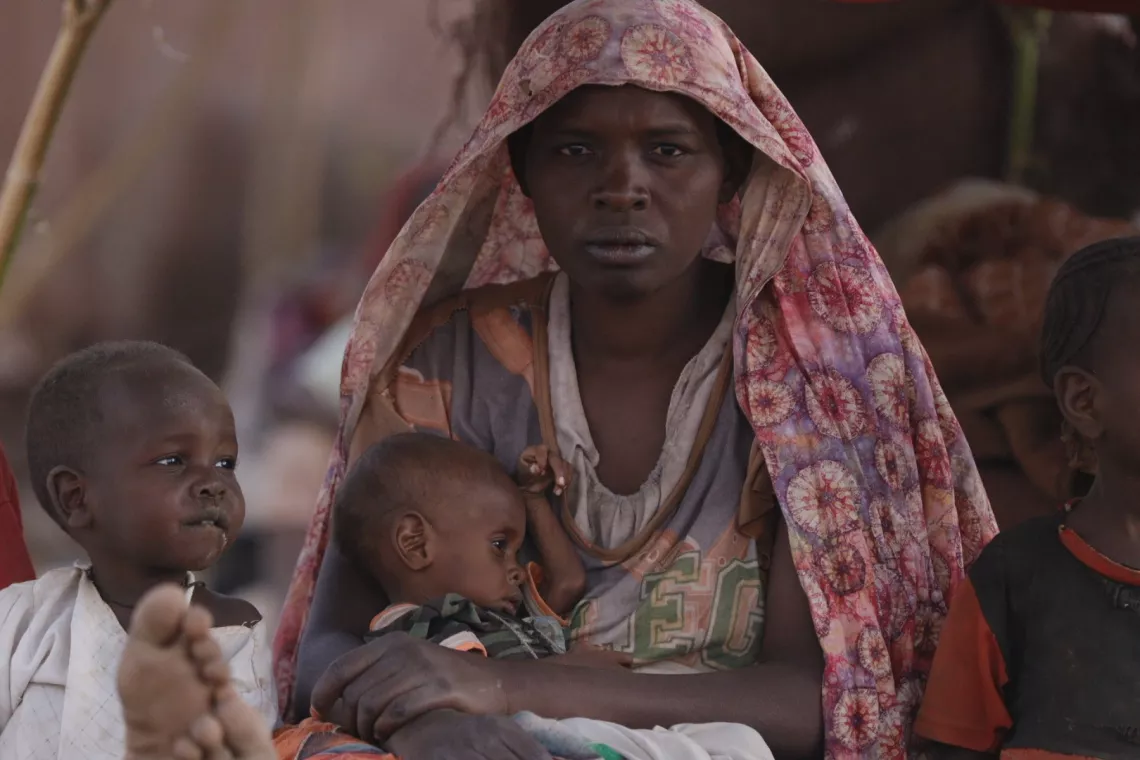
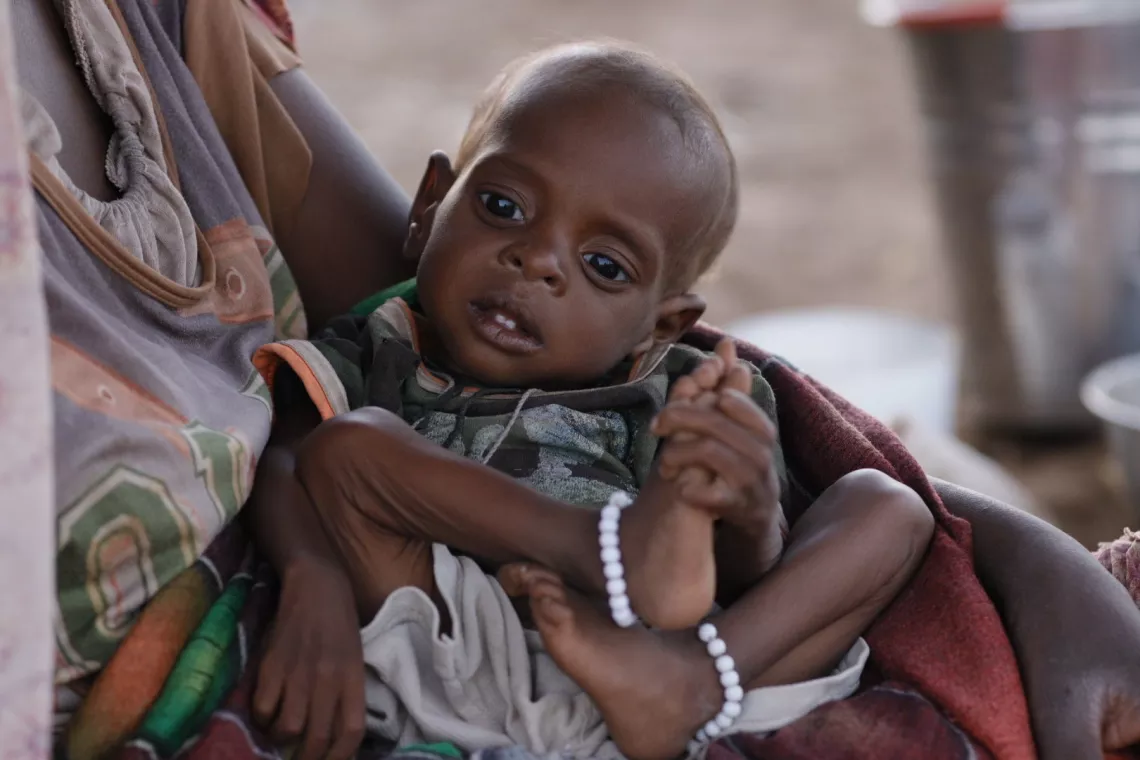
Hawa, another mother, had to flee the hospital where her youngest son, Waleed, was being treated for malnutrition. The relief of seeing her child finally receive ended abruptly when the hospital was hit.
The interruption of Waleed’s treatment and the three-day journey that followed, with little or nothing to eat, made his already fragile body even weaker. While now out of immediate danger, Waleed’s health is deteriorating, and without urgent support, he may not survive.
“We have nothing. Nothing to eat or money to buy food for the children,” Hawa said.
The situation
Sudan is currently experiencing one of the world’s worst nutrition and food security crises, driven by the ongoing conflict that began in April 2023. Access to food and nutrition for millions is deteriorating, with soaring malnutrition rates and alarming hospital admissions for children suffering from severe acute malnutrition.
Disease outbreaks and conflict are compounding the crisis, pushing food insecurity closer to famine levels. Limited access to basic services, low crop yields, and restricted humanitarian access have intensified the crisis, leading to famine in 10 areas, with risks increasing across the country.

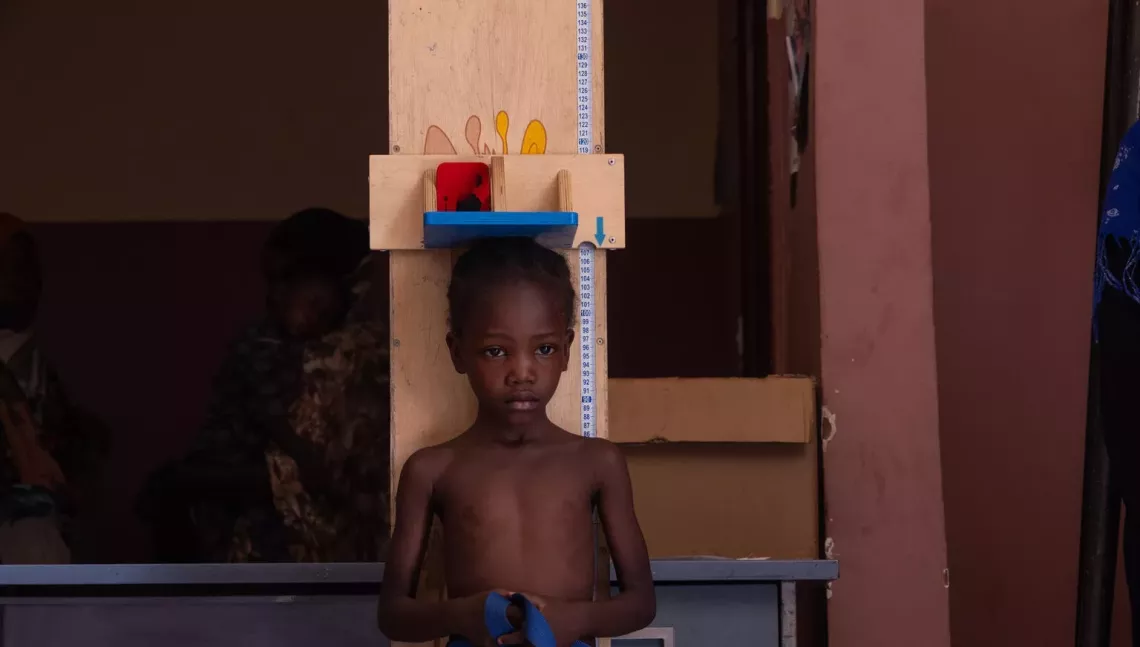
Hiba Abdullah, a volunteer at the Zamzam camp in Tawila, has joined a mobile clinic reaching displaced and vulnerable families in their temporary shelters. She screens children for malnutrition, but many fall below the healthy weight-for-height scores. The urgency of reaching these children drives Hiba, who has been working tirelessly since mass displacements from Al Fasher started a few months ago.
“In some families, four or five children are suffering from acute malnutrition,” Hiba said with concern. “But we also see many cases of both severe and moderate malnutrition.”
Together with her team, she provides nutrition support and treatment to children between 6 months and 59 months old, reaching thousands, yet many more remain in need.
“Several mothers have told us: our children are not eating at all.”

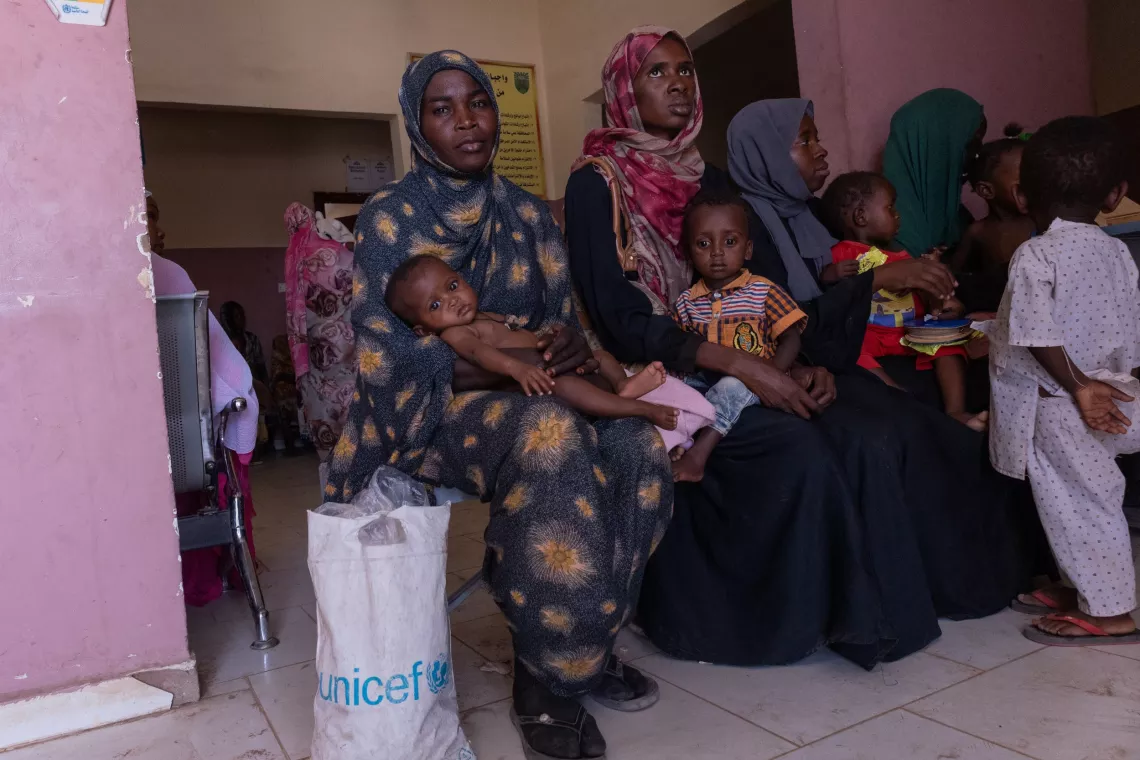

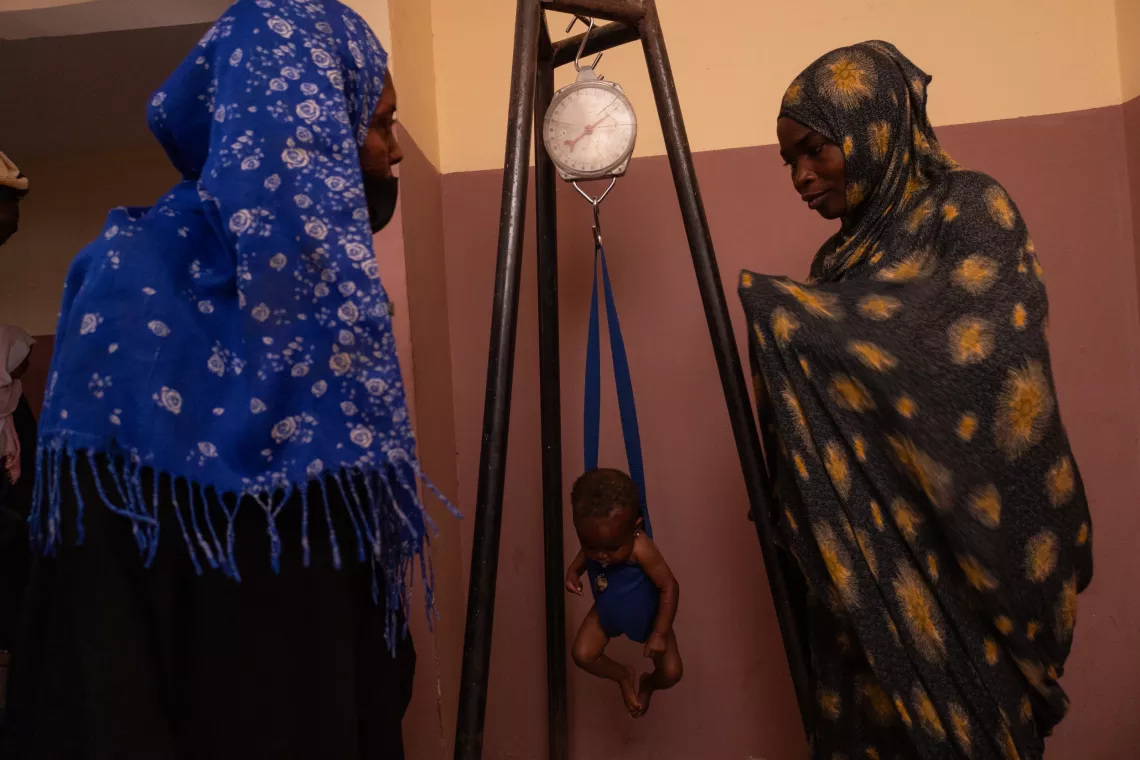

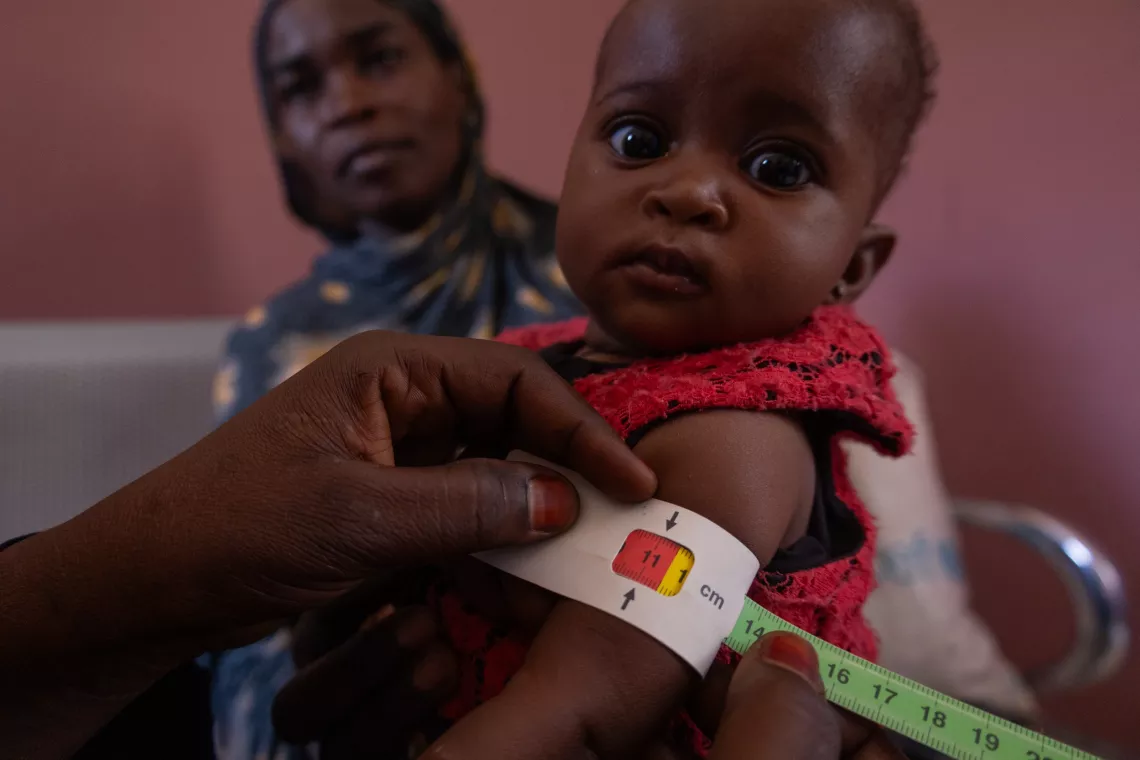
As more places become accessible, some families have returned to Khartoum. However, a cholera outbreak presents another threat, as basic services, including clean and safe water, remain scarce. Although the cases are declining, the disease continues to endanger malnourished children.
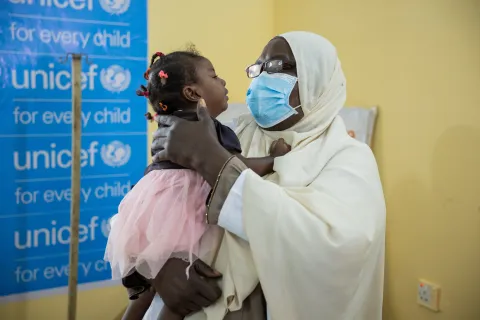
At the UNICEF-supported nutrition centre in Khartoum, Rasha brings her daughter Amina for treatment. The number of malnourished children enrolled in the programme continues to rise, with an average of 50 new cases each day.
“My daughter was sick, and her body was very thin,” she shared.
After a few visits and treatment, Amina is bouncing back and her weight up by more than two kilograms.


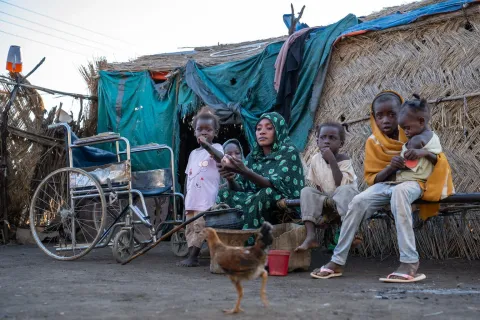
Mariam, a displaced mother of six children, struggles daily to feed her children.
“We have nothing to eat — it’s so hard on us. We need many things — shelter from the rain, protection from mosquitoes. We need food and water,” she said while cooking porridge for the family. It will be their only meal for the day.
Her son, Ali, is malnourished and receiving treatment.
“His condition was very bad at first, but after receiving treatment at the health centre, he’s getting better. They gave us energy biscuits — two every morning and one in the afternoon. Now, he’s much better.”
Ready-to-use-therapeutic food: a lifeline for malnourished children.
Nine-months old Janat was born in displacement after her family fled Khartoum. Illness has marked much of her short life. Two months ago, she was diagnosed with malnutrition and enrolled in a nutrition programme at the UNICEF-supported temporary clinic in Al Fao, Gedaref state. Her recovery progressed well until she recently contracted diarrhea. Today, her mother Amina will join other mothers in a nutrition counselling session, receiving both treatment and ready-to-use-therapeutic food for Janat.
While Janat and Ali have been reached with life-saving treatment, millions more remain out of reach and in dire need. UNICEF is scaling up efforts to prevent, identify early, and treat acute malnutrition, delivering integrated nutrition interventions through more than 2,200 health facilities and 90 mobile teams. However, without sustained and unimpeded access, especially in conflict hotspots like the Darfurs and Kordofans, many children suffering from malnutrition are missing out and might not make it.