Seleen is getting stronger
Timely nutrition care is helping 18-month-old Seleen recover from severe acute malnutrition in Omdurman

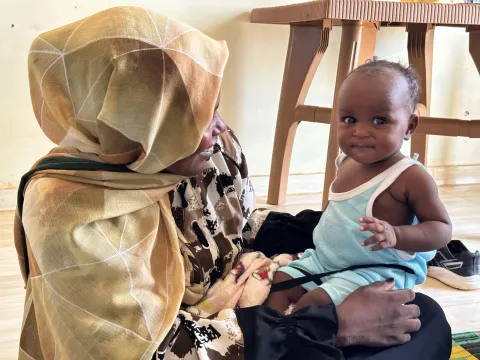
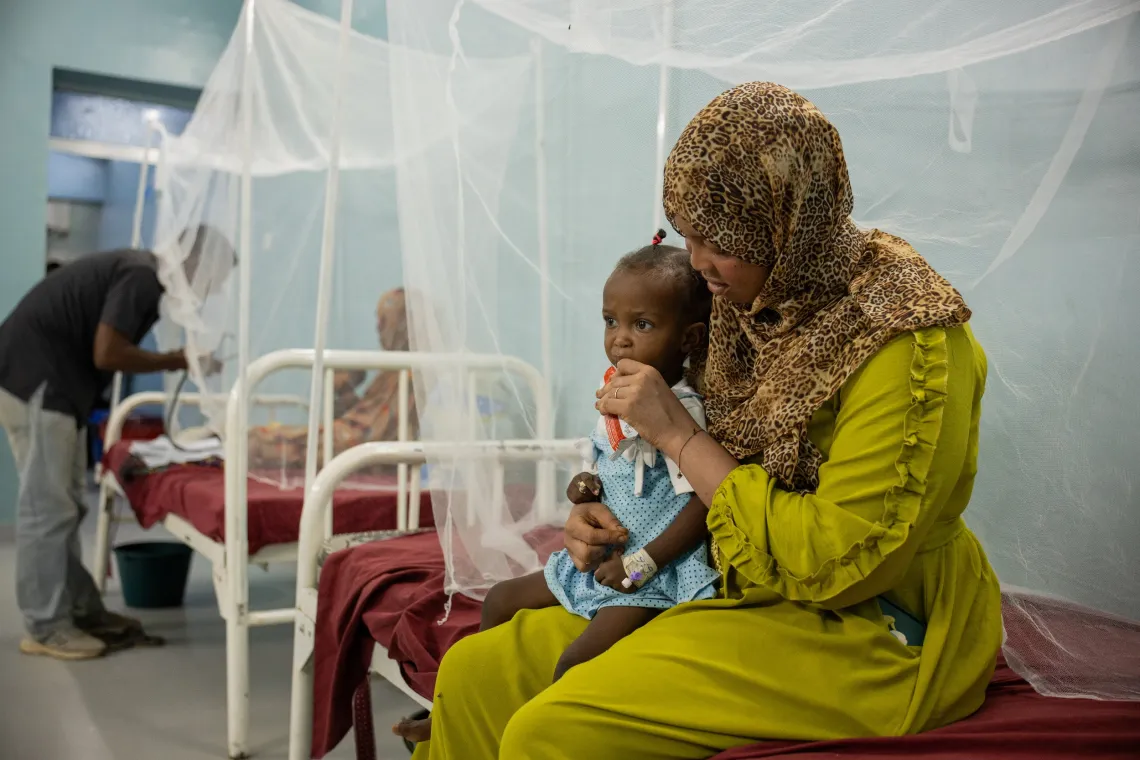
At the stabilization centre in Albuluk Hospital, Wasila feeds her 18-month-old daughter, Seleen, a nutrient-rich paste used to treat children with severe acute malnutrition. She takes small bites at intervals and occasionally sips water.
Just a few days ago, Seleen was too weak to sit on her own. Today, every bite is helping her regain strength.
Seleen was recently admitted with a high fever, poor appetite and severe acute malnutrition.
“She was not eating, her fever kept increasing and she was sleeping a lot,” Wasila said.
When complementary feeding became a challenge
Seleen breastfed well for the first six months of her life. When her mother introduced complementary foods, however, she had difficulty eating them. Introducing nutritious complementary foods after six months is important to support a child’s continued growth and development. Seleen preferred breast milk and ate very little of the new foods, although breast milk alone was no longer enough to meet her nutritional needs.
Over time, Seleen lost weight. When she developed a fever a few weeks ago, her condition worsened.
“She couldn’t open her mouth to eat anything.” “She was so weak that she couldn’t sit on her own.”
“I was very afraid, so I rushed to the health facility to save my child.”
At a nearby health facility, Seleen received treatment and was enrolled in a UNICEF-supported Outpatient Therapeutic Programme (OTP) in Omdurman, Khartoum. These programmes, located close to communities, provide treatment for children with severe acute malnutrition (SAM) who do not have medical complications.
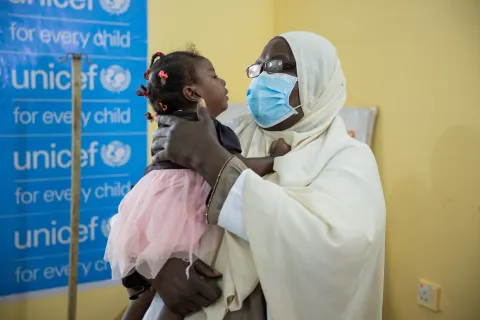
Because of her high fever, Seleen was referred to the stabilization centre in Albuluk Hospital, where children with SAM and medical complications receive specialized, lifesaving nutrition care and treatment.
Seleen is getting stronger
After five days at Albuluk Hospital, Seleen is noticeably stronger and feeling much better.
Sitting on her bed with coloured ribbons carefully rolled in her hair, she enjoys a playful moment with her mother. Her treatment has progressed from therapeutic milk to ready-to-use therapeutic food (RUTF), a nutrient-rich peanut paste used to treat severe acute malnutrition.
Her mid-upper arm circumference (MUAC) measurement has moved from the red range to yellow, a sign of improvement. Every day, she receives two sachets of RUTF, which she now eats easily.
Keeping lifesaving nutrition supplies available
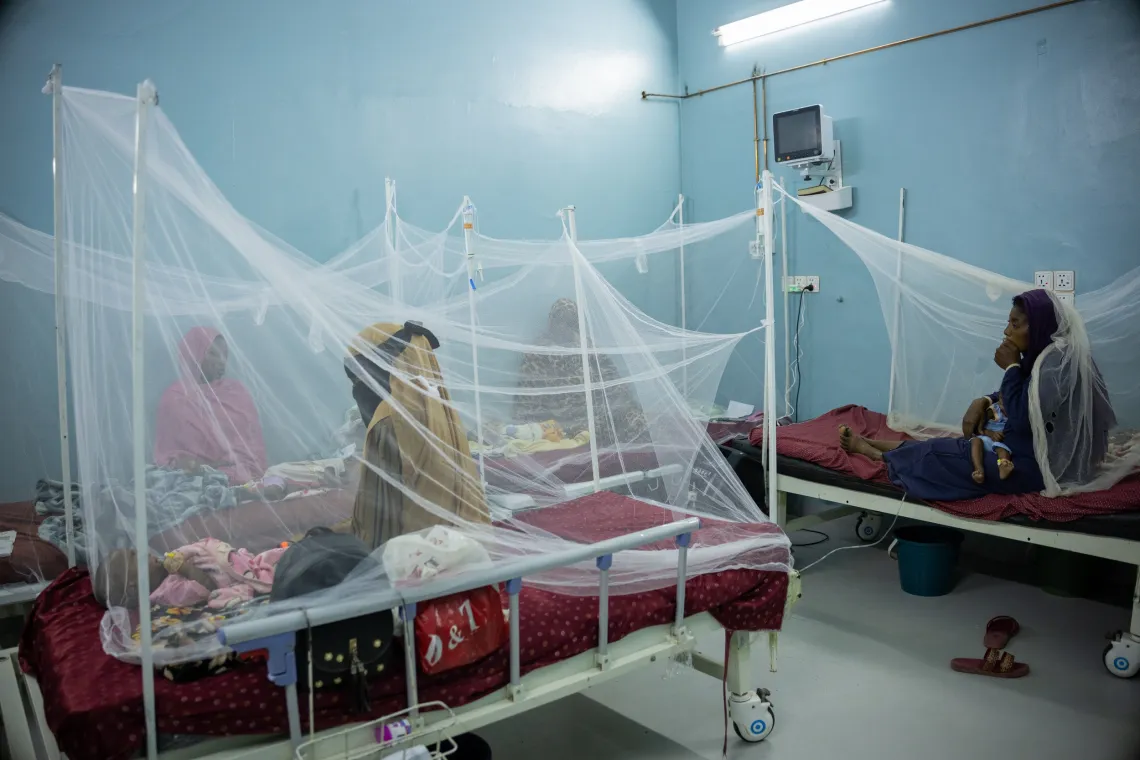
Across the ward, other mothers care for children being treated for severe acute malnutrition. While admissions at the stabilization centre have fallen from 169 cases in 2023 to 16 in 2026, children continue to arrive for urgent, lifesaving care and treatment.
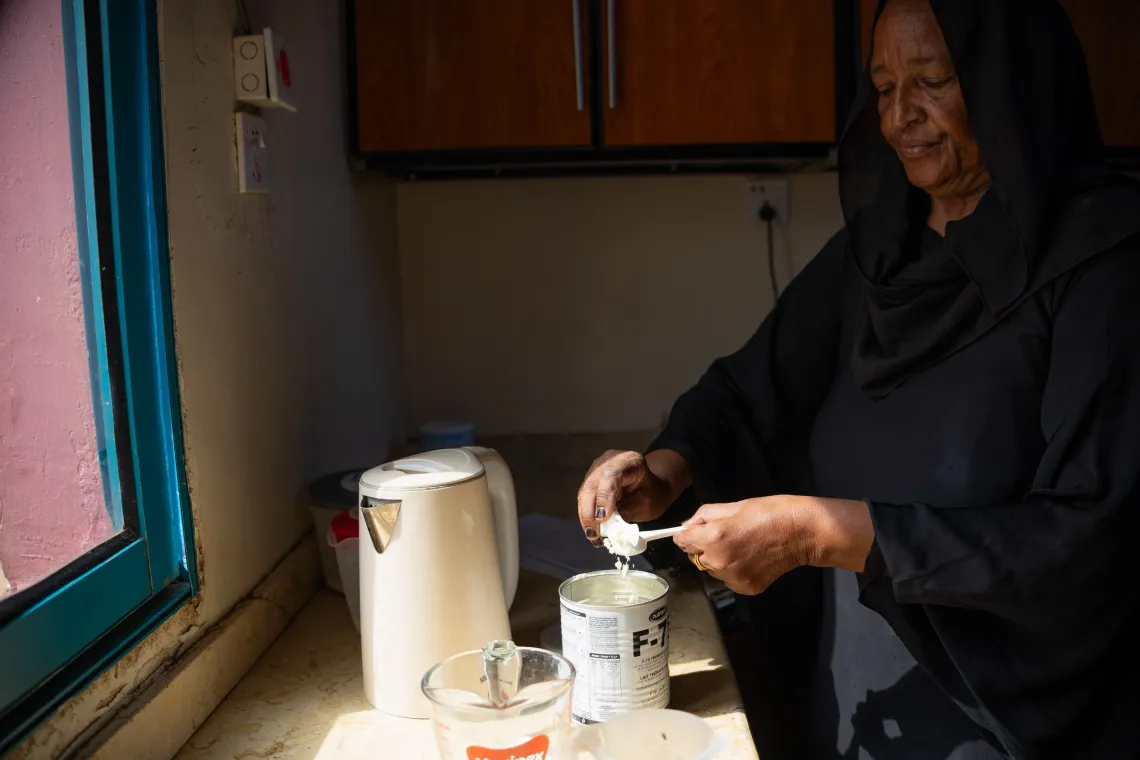
UNICEF provides the hospital with essential nutrition supplies, including therapeutic milk, ReSoMal, RUTF and SAM treatment kits, to support the treatment and recovery of children with severe acute malnutrition.
UNICEF has also trained 83 health workers, equipping them with specialized skills that have helped improve the quality of care for children. These efforts have contributed to a reduction in the mortality rate at the stabilization centre from 26 per cent in 2023 to 2.6 per cent in 2026.
Looking ahead
The rainy season in Sudan often brings an increase in illnesses such as malaria and diarrhoea. These illnesses can quickly worsen a child’s nutritional status.
The rainy season also coincides with the start of the lean season, a period between harvests when household food supplies run low. During this time, caregivers may also spend long hours in the fields planting for the next season, reducing the time available for childcare and feeding.
In anticipation of a rise in cases of severe acute malnutrition, Albuluk Hospital has stocked sufficient nutrition supplies and expanded its bed capacity to accommodate more children who may require treatment.
Across Khartoum, UNICEF has also established 182 OTP centres closer to communities, with nutrition supplies available so children can access timely treatment and nutrition services near their homes.
Wasila is encouraged by her daughter’s progress. Referring to RUTF as “vitamins”, she said:
“I am happy because I can see that she is getting better.”
“She was not playing or talking before, but since yesterday she has started walking, playing with the phone, and telling me, “I’m hungry, I want to eat.”
Before returning home, Wasila is also receiving counselling from health workers on infant and young child feeding practices, including how to provide balanced, age-appropriate meals that will continue to support Seleen’s recovery.
Why this support matters more than ever
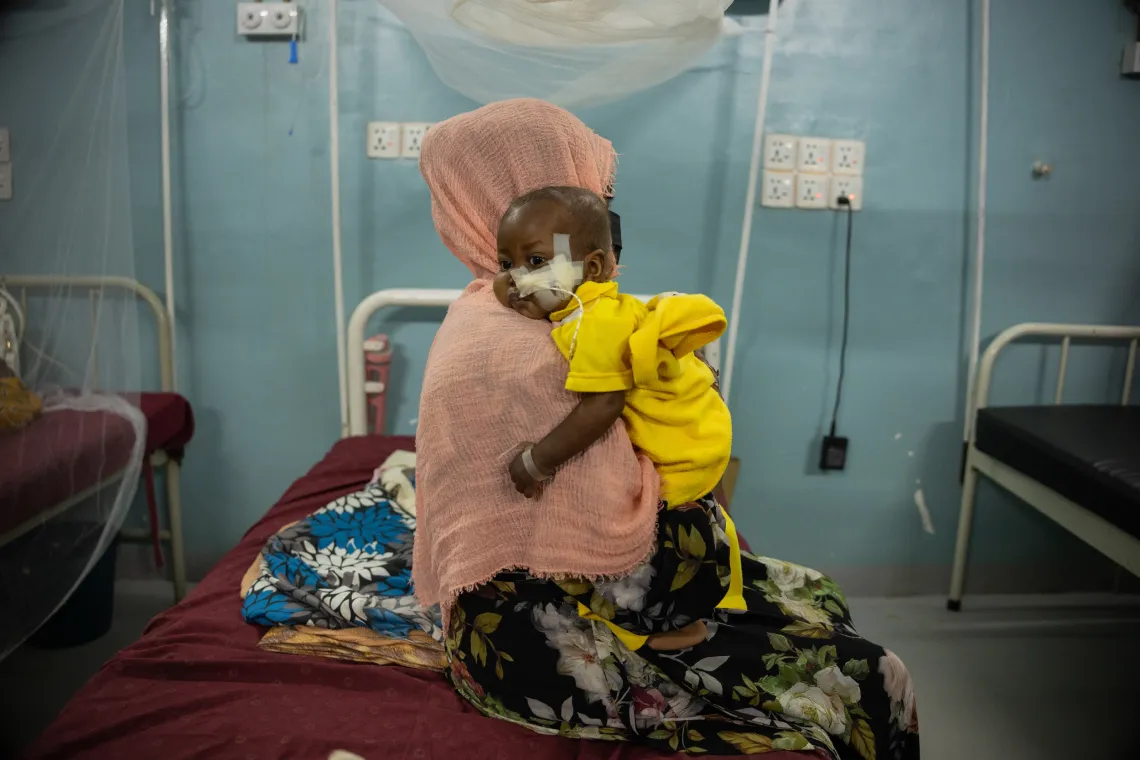
According to the 2026 Integrated Food Security Phase Classification (IPC) analysis, Sudan continues to face a severe nutrition crisis. An estimated 825,000 children under five are expected to experience severe acute malnutrition (SAM) in 2026, representing a seven per cent increase compared with 2025 and a 25 per cent increase over pre-conflict levels recorded between 2021 and 2023.
Without treatment, severe acute malnutrition can be life-threatening.
In Sudan, UNICEF is strengthening its emergency nutrition response to help ensure that nutrition supplies, including ready-to-use therapeutic food (RUTF), reach children in communities facing barriers to access, including hard-to-reach areas. These supplies are supporting lifesaving treatment for children with severe acute malnutrition in outpatient treatment programmes and stabilization centres.
For children like Seleen, timely access to treatment, including the RUTF in her mother’s hand, can mean the difference between life and death.
...............................................................................
The delivery of high-impact malnutrition treatment services by UNICEF and its partners is made possible through the generous support of the governments of the United Kingdom, the Netherlands, Canada, France, and the United States, as well as the Sudan Humanitarian Fund, the European Union Humanitarian Aid Department (ECHO), the Central Emergency Response Fund (CERF), KfW Development Bank, and the World Bank.