Safe, but not safe yet
After fleeing conflict in West Kordofan, one family encounters the dangers of unexploded remnants of war in Khartoum

“When I reached my son, he was bleeding heavily, and his hand was badly injured.”
Najeh Abdul-Hai recalls the painful moments after an explosion shattered his son Omer’s hand.
In 2025, 10-year-old Omer and his family fled the conflict in Al Nuhud, West Kordofan, seeking safety in Khartoum. Armed men had entered their home, killing Omer’s grandfather before their eyes. The family fled to a neighbouring village, but even there, they were not safe.
What followed was a long and exhausting 28-day journey to Khartoum, much of it on foot.
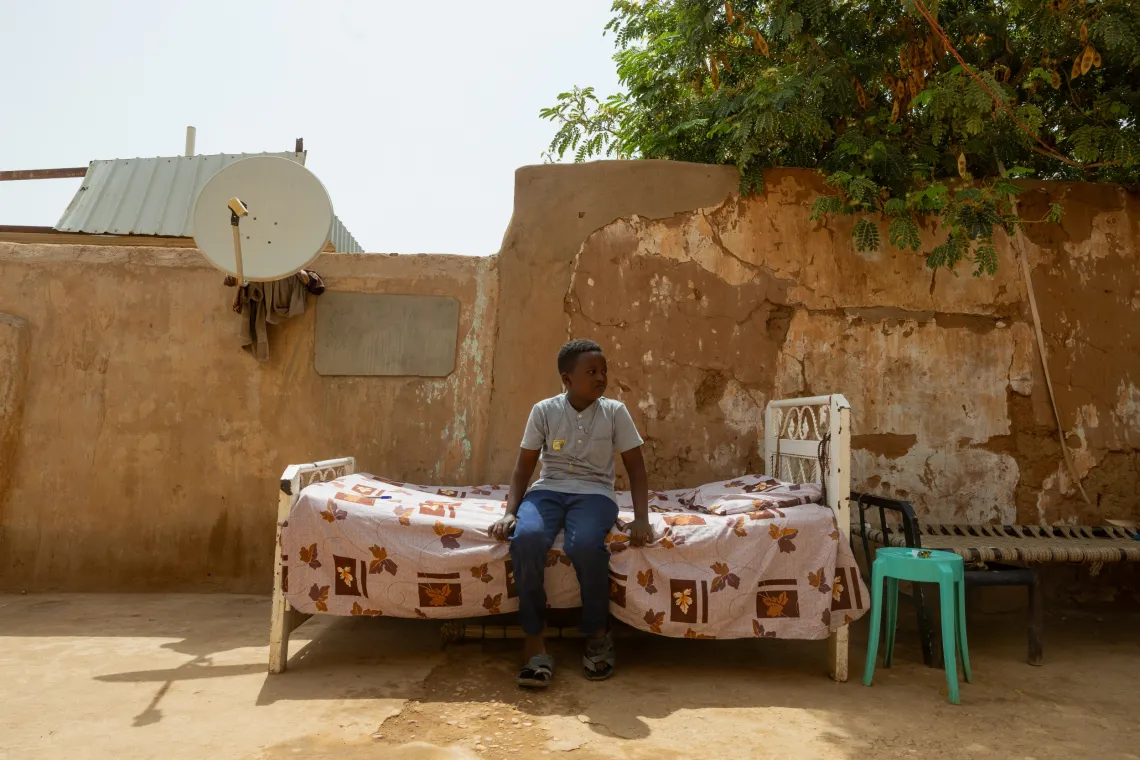
A new life in Khartoum
When they arrived, the fighting in Khartoum had subsided and families were gradually returning home. Others from conflict hotspots such as Kordofan were also moving to relatively safer areas. Omer’s family was among them.
Young Omer was finally happy to be somewhere he felt safe. The family found a new home in Omdurman, a few kilometres from central Khartoum.
Omer and his siblings quickly adapted.
They made new friends and played with whatever they could find- stones, empty bottles, metals, and more- creating their own toys. When schools reopened, they enrolled in a nearby school, where Omer quickly excelled, finishing top of his third grade class.
What the family didn’t know was that the area where they had settled, once safe for people to live and play, had become dangerous. Although the fighting had subsided, unexploded ordnance and other explosive remnants of war remained scattered across many neighbourhoods where families were returning and rebuilding their lives.
One day, while playing in the neighbourhood, Omer and his friends found a small piece of metal lying on the street. It looked strange but harmless to them. They often played with scrap metal back home, but this one was different. Unaware of the danger, Omer carried it home. As the day ended, he placed it outside next to the waste basket.
Later that night, after the rest of his family went to sleep, Omer picked up the ‘new toy’ out of curiosity. He began playing with it, holding it in his hands.
The explosion
What followed was a loud explosion that shook the house.
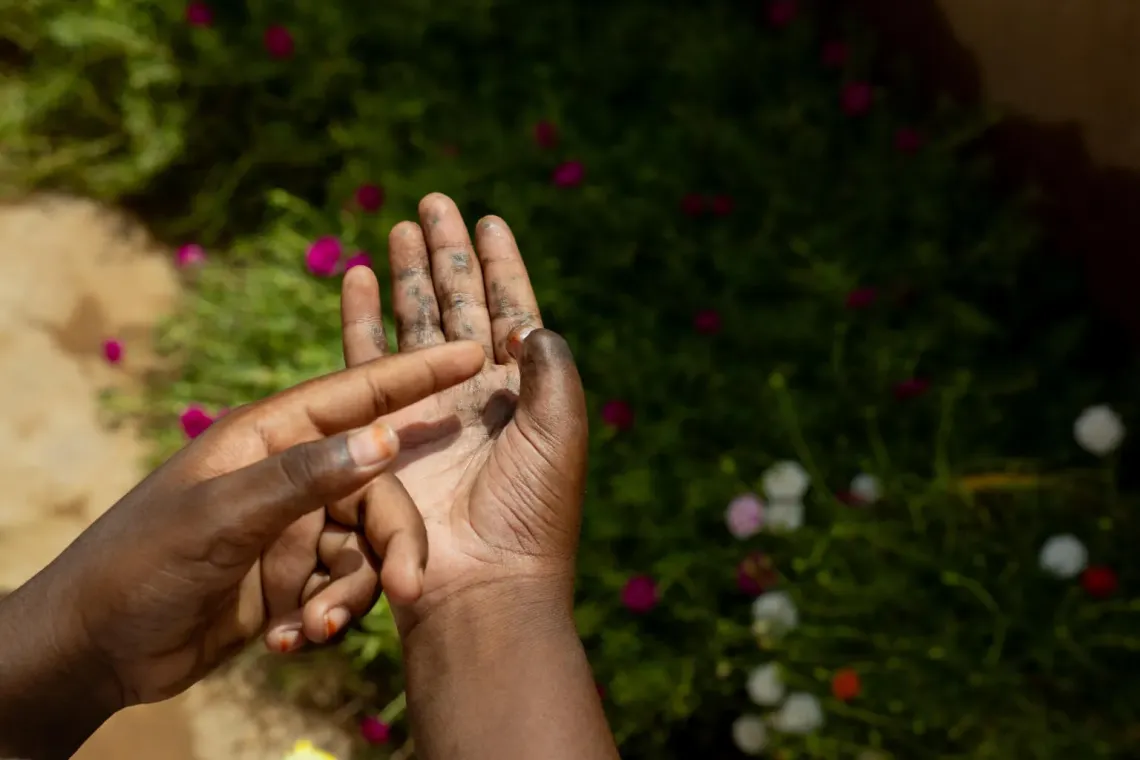
The object exploded, severely injuring Omer’s hand.
“The sound was terrifying,” Najeh recalls. “I thought the house had been bombed.”
The pain in Najeh’s voice reflects the ongoing danger posed by explosive remnants of war in conflict-affected areas.
With the whole family in shock, Najeh rushed his son to the nearest hospital, where doctors managed to save his fingers. Today, Omer continues to receive treatment and rehabilitation to restore movement in his hand.
A lasting impact
Beyond Omer’s physical injuries, the incident deeply affected the entire family. Witnessing the blast left lasting psychological scars on Omer’s siblings and parents. They are now afraid to leave the house, fearful of what may still be hidden in their surroundings.
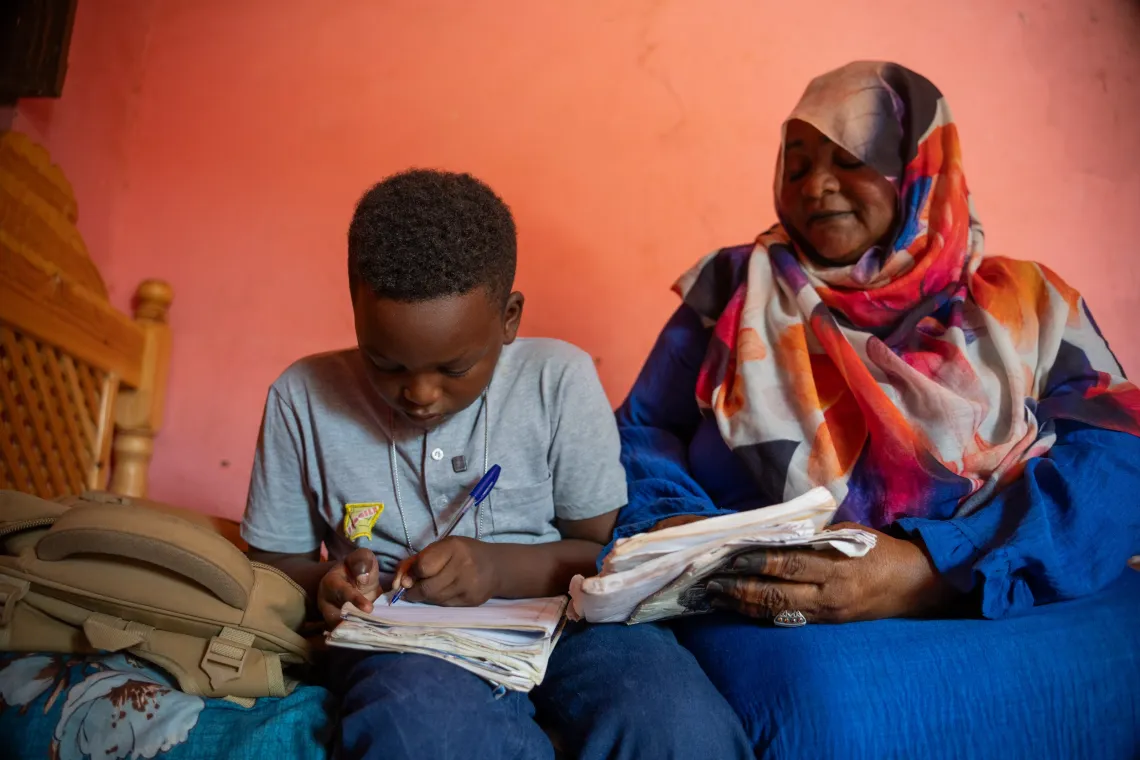
Omer’s recovery remains long and challenging, but his determination continues to inspire those around him He spends his time studying his old notes and learning how to write with his left hand, copying assignments from friends so he does not fall behind his studies.
How UNICEF is responding
UNICEF, in partnership with the National Mine Action Centre (NMAC) and other humanitarian partners, is supporting children and families affected by the dangers of unexploded ordnances. Together they are:
- Providing psychosocial support.
- Delivering case management and victim assistance services.
- Facilitating medical referrals and follow-up support throughout survivors’ recovery.
- Training and deploying Explosive Ordnance Risk Education (EORE) teams and community volunteers to deliver life-saving prevention messaging in affected communities.
As Omer recovers from his injuries, NMAC and EORE teams continue to work closely with his family to reduce emotional distress and support his recovery.
Omer dreams of returning to school, playing football with his friends and using his hand freely again without pain.
Looking at his son, Najeh reflects on the traumatic experience.
“We had escaped the war hoping to protect our children. Then the war followed us here through these dangerous objects.”
Since the onset of the conflict, UNICEF has been strengthening both prevention and response to landmines and unexploded ordnance (UXO) hazards in conflict affected and hard-to-reach areas across Sudan, thanks to funding from European Union Humanitarian Aid (ECHO), German Federal Foreign Office (GFFO), German Cooperation through KfW Development Bank, the Governments of the United States of America, Sweden and Norway and UNICEF global humanitarian thematic funding.