A better Environment for Education in Sudan
In preparation for schools reopening, UNICEF is supporting the rehabilitation of classrooms and latrines in Sudan

- English
- العربية
Over 8.1 million children across Sudan have been negatively affected with the closure of schools due to the COVID-19 pandemic and natural disasters. In September 2020, Sudan experienced the most devastating floods across most of its states. It ranks among the most severe floods recorded in the region, and one of the worst in Sudan in over 100 years.
In Sudan, the floods affected the communities in numerous ways, as many schools were either damaged or destroyed by the floods and families lost their houses, personal belongings and even their livelihoods ,and this resulted in further impoverishment and increased the inability of families to cover the cost of education for their children, and the schools’ capacity to enroll children was jeopardized. All of that could have resulted in huge numbers of dropouts and more out-of-school children in a country where over three million children aged 5-13 years are not in the classroom.


Children that are out of school for prolonged periods of time are at risk of mental health deterioration that may result in physical, emotional, and sexual violence. They are also vulnerable to child labor and exploitation.
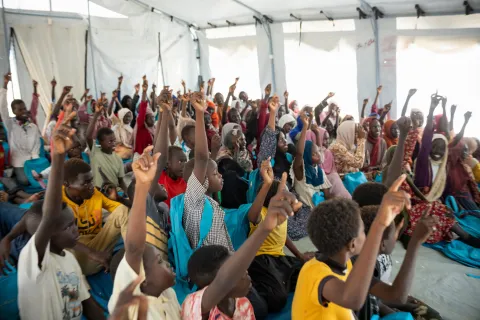
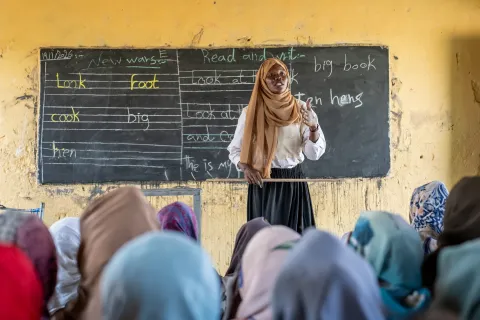
The Sudan Humanitarian Fund (SHF) aimed to tackle the damage caused by the floods and the impact of the pandemic as it provided a number of supplies for children, teachers and schools such as tents, mats, seating, teachers’ kits, students’ kits and blackboards. It also worked on rehabilitating damaged classrooms and latrines in the affected schools to resume the education of children.
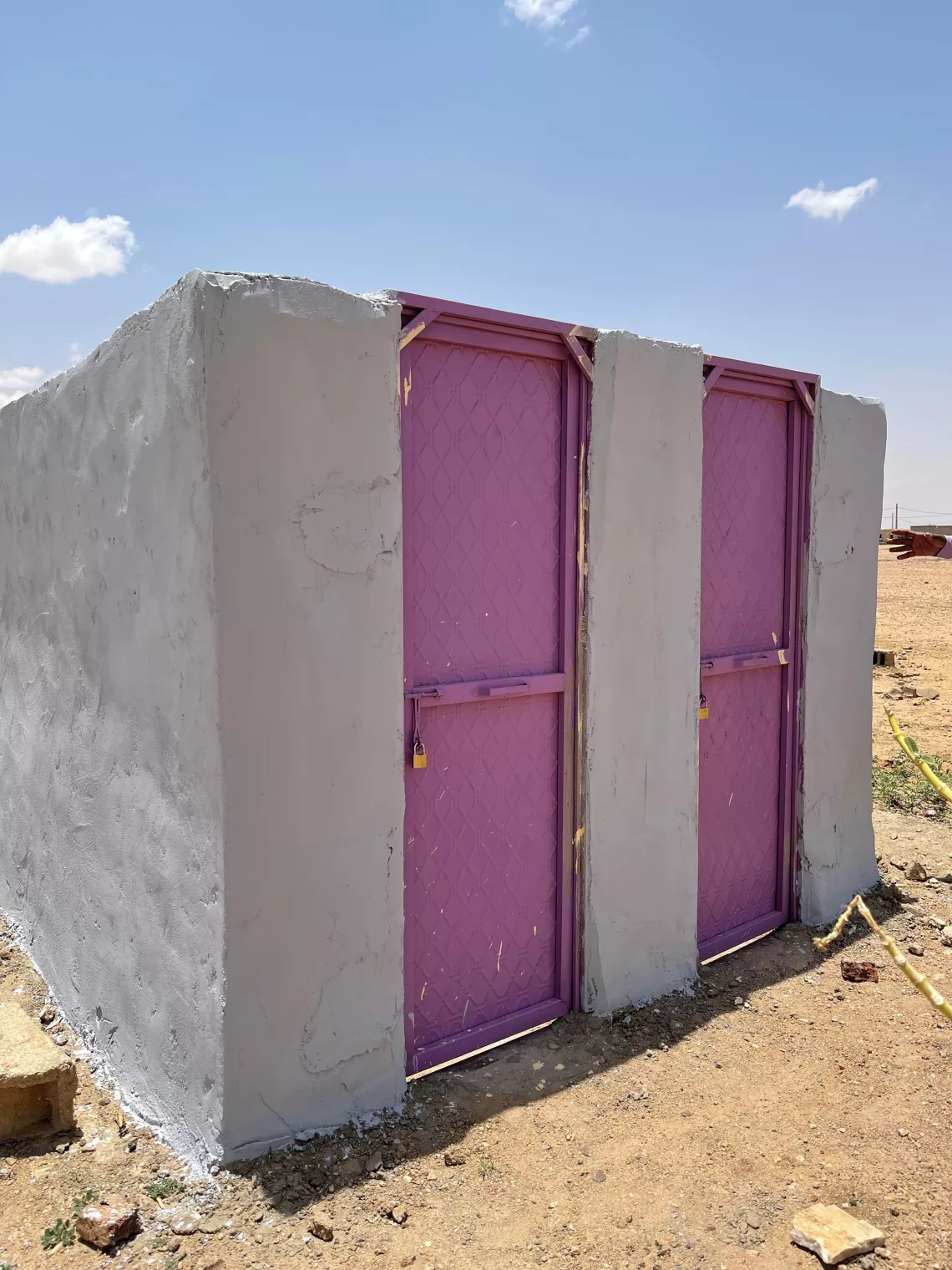
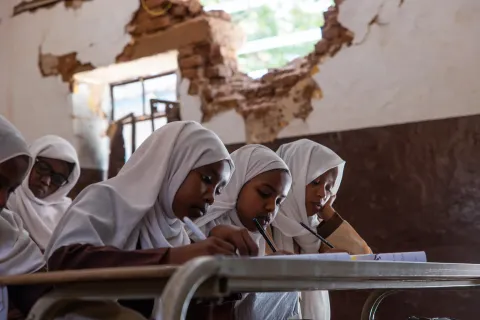
With the support of the SHF, UNICEF was able to minimize potential risks by the construction and rehabilitation of 49 damaged classrooms and 10 latrines in flood-affected schools across Sudan.
Moreover, UNICEF conducted workshops on life skills in emergency – including psychosocial support for 640 Parents and Teachers Association (PTA) members.
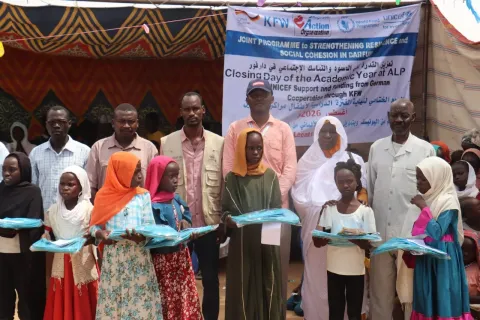
In preparation for the school reopening in September 2021, UNICEF in collaboration with the Federal Ministry of Education, purchased and distributed teaching and learning materials to 26,214 girls and boys in the flood-affected schools. The materials included student kits, recreational kits, teachers’ kits, blackboards, plastic covers, tents and plastic sitting mats.
These interventions are crucial to help children enroll and ensure a safe return to school.
With the generous support and funding from the Sudan Humanitarian Fund (SHF), UNICEF will continue to deliver life-saving services to the most vulnerable communities while facing multiple emergencies in Sudan.