From Al Fasher to Al-Afas
Amidst loss, trauma and fear, 11-year-old Widad finds hope again

Just weeks ago, Widad’s life looked very different. In Al Fasher, she and her family lived through relentless shooting and bombing.
“I was scared because people were being killed,” she whispered.
“Bombs were falling everywhere. People were dying.”
With violence escalating around them, the family fled—spending days on the road until they reached Addabah in River Nile State. Today, in Al-Afas camp, far from home, they are finally safe and trying to rebuild life one day at a time.
“I am happy that we arrived safely,” Widad said softly.

UNICEF 2025
“Bombs were falling everywhere. People were dying.”
A day with Widad
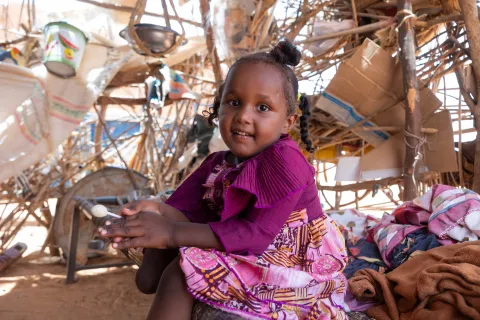
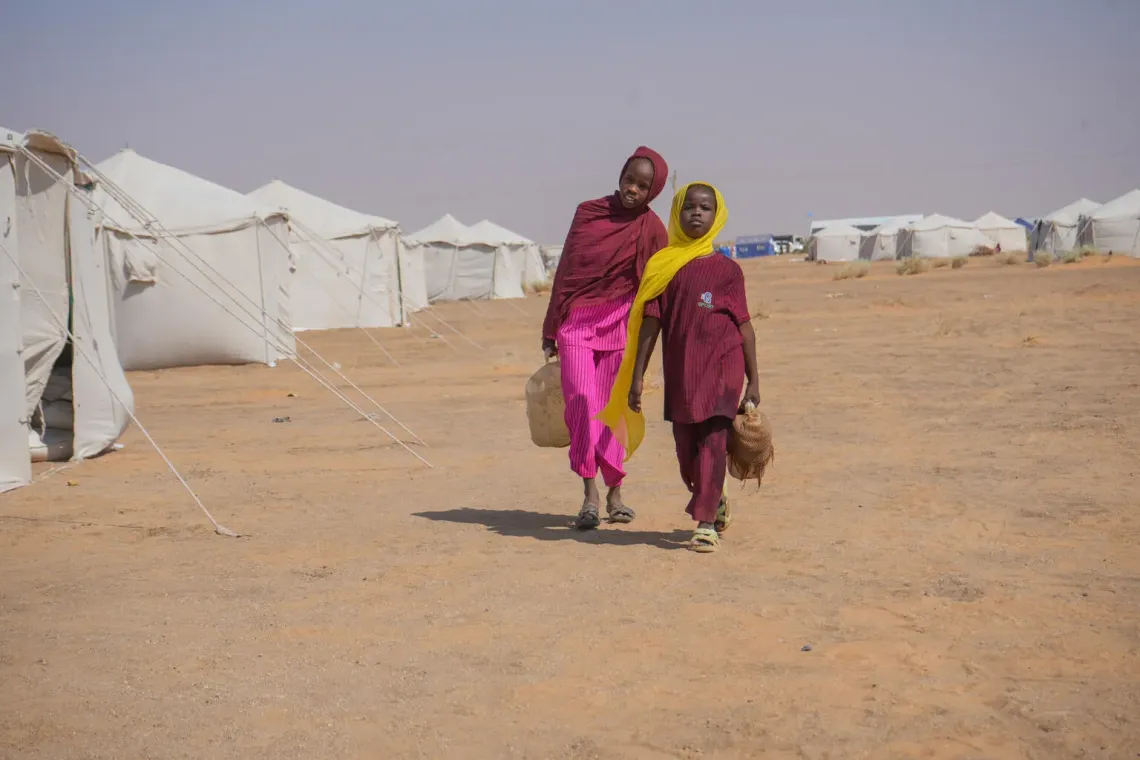
The family left almost everything behind. Their belongings now fit into just a few plastic bags. In their new shelter, they have safety and shade, but little—not even proper bedding.
“We only have one small piece of cloth that we spread on the ground and sleep on,” she said.
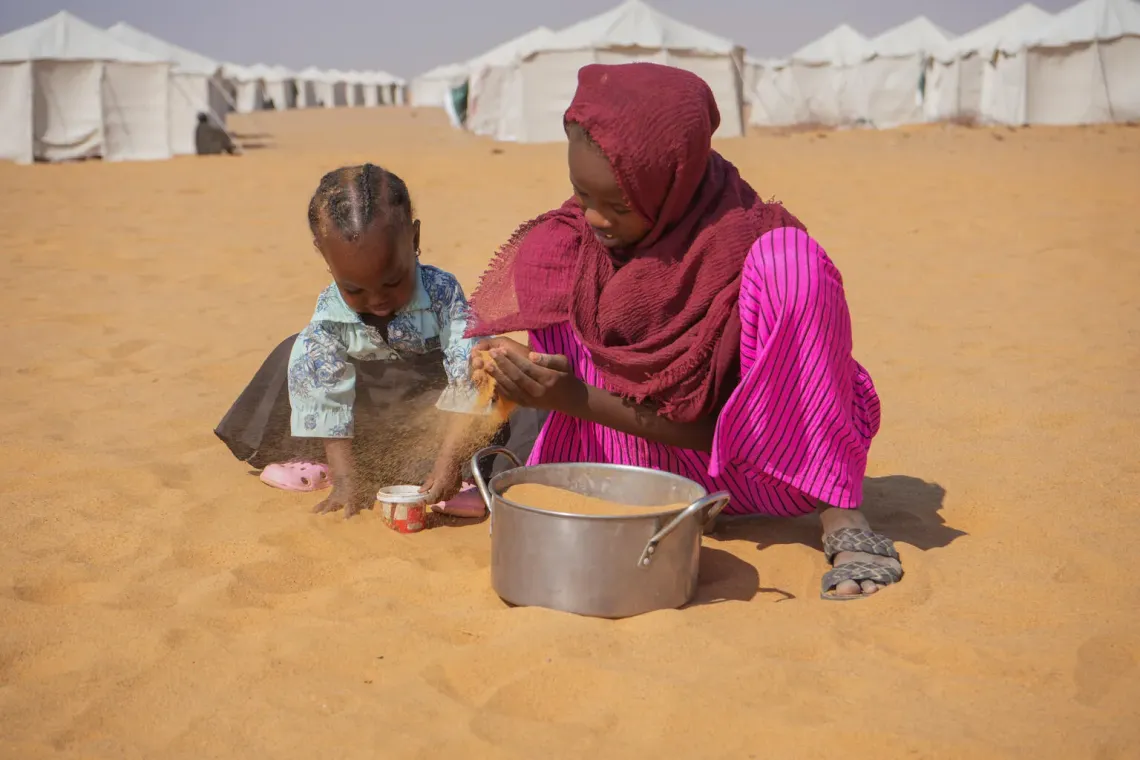
Every morning, Widad and her siblings tidy their tent by spreading sand over the ground to make it cleaner. It is a small ritual of dignity in a place filled with loss.
Morning routine: water, work, and worry
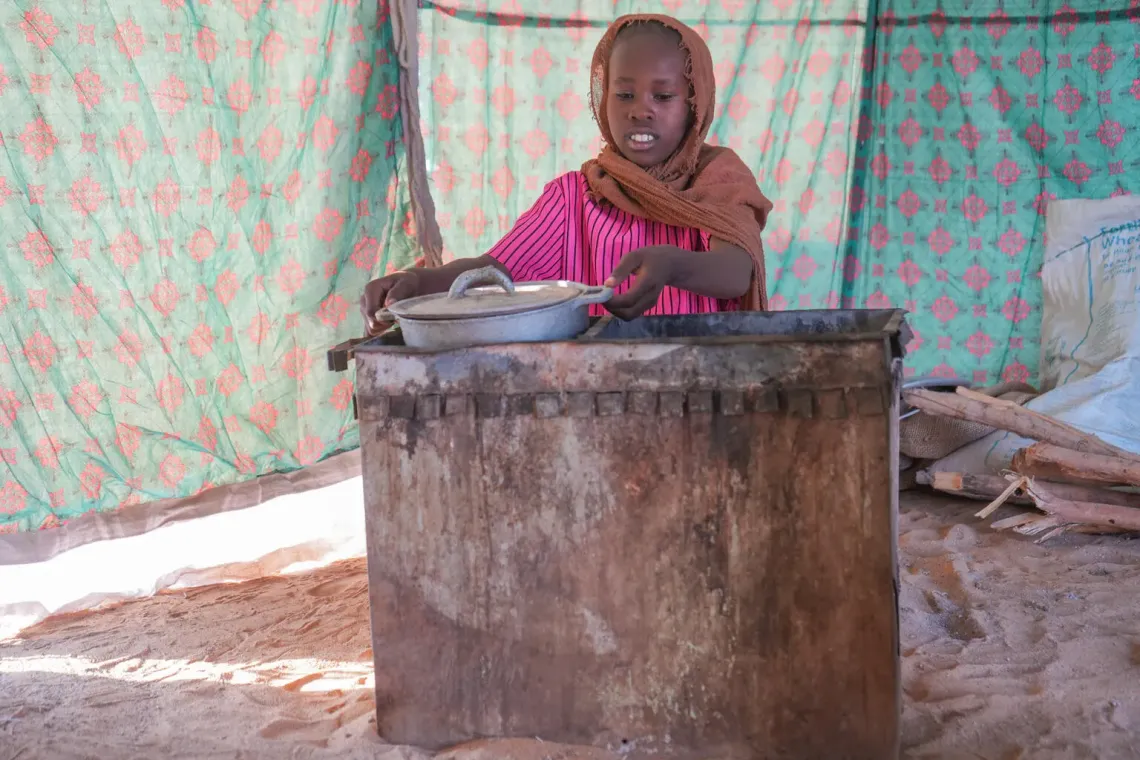
Widad’s days are filled with chores: fetching water, washing dishes, cooking, and helping to care for her younger siblings.
Together, they walk long distances in search of water—sometimes resorting to unsafe sources when queues at designated points stretch too far.
“We need more containers to store water,” she explained.
When the jerrycans are finally full, they prepare a simple breakfast with whatever they have.
Life without school
For three years, Widad and her siblings have not been to school. Like millions of children in Sudan, conflict and repeated displacement have stolen their education, deepening an already severe learning crisis.
“I don’t go to school — we don’t have one here.”
“I wish we could have one.”
Shattered friendships
The loss of friendships weighs heavily on Widad.
“I don’t have friends,” she said quietly.
“I remember my friends and neighbours — we used to play together. But since the war came, we were separated.”
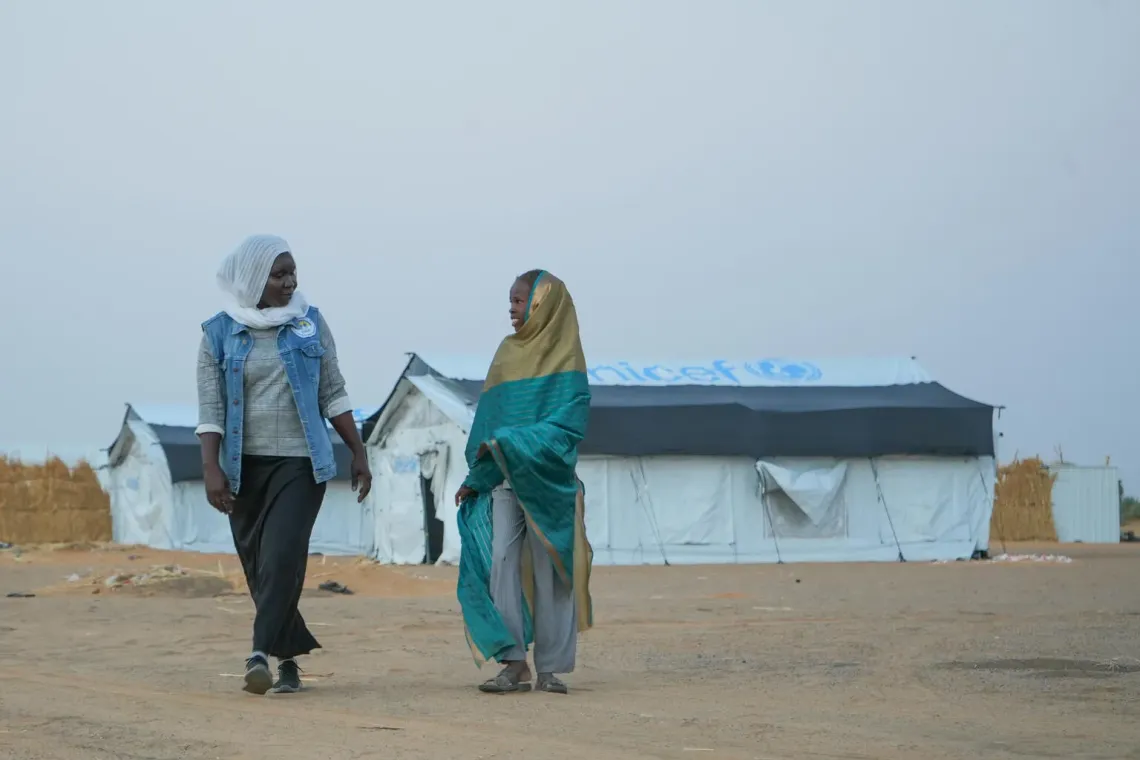
Conflict uproots children from family, friends, and the familiar rhythms of childhood. With the support of trained counsellors and social workers, children in the camp are learning to cope with the pain of losing not only loved ones, but also their homes and sense of belonging.


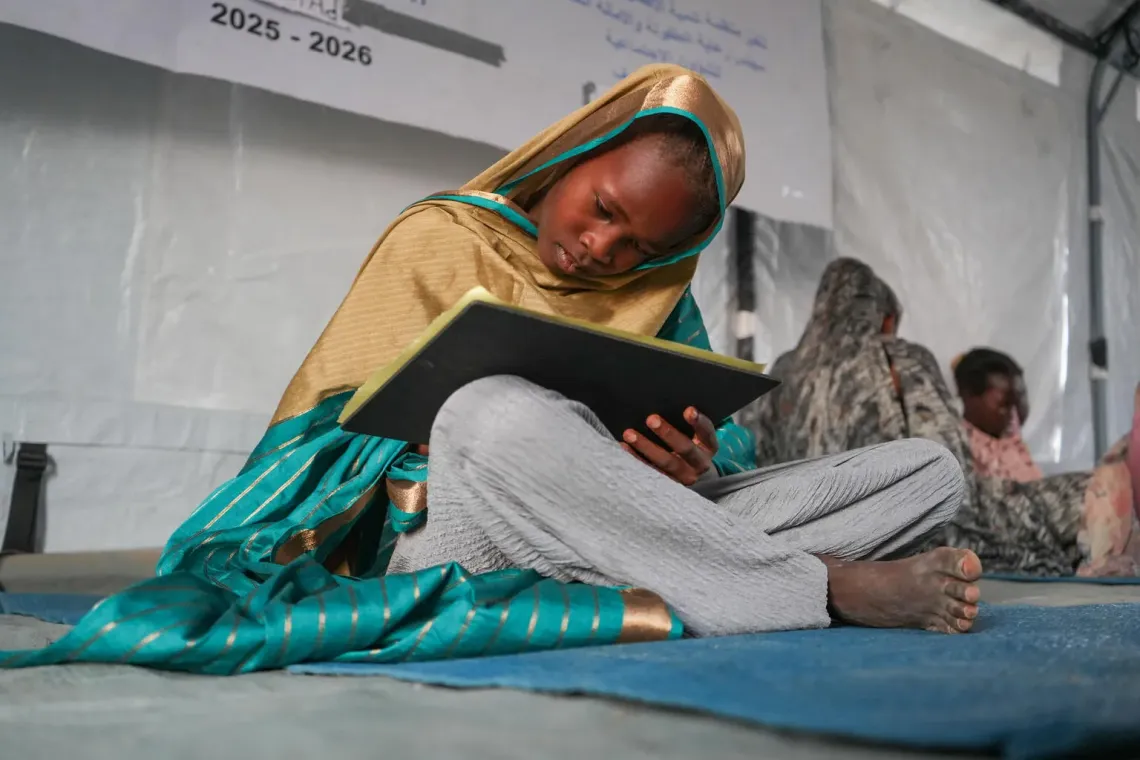


A safe space to heal
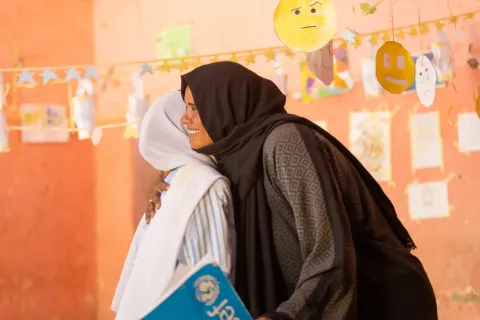
In Al-Afas camp, UNICEF has set up a Child-Friendly Space — a safe haven where children can play, dance, draw, and begin to heal.
Widad and her siblings come every day.
“What I like most are the games, so I come here to play,” she said.
“I told my parents that I was happy here.”
The activities remind her of home.
“In Al Fasher, we used to play sports games, draw, and jump rope. I want to play those kinds of games here too.”
For children who have survived unimaginable fear, play is not just play — it is a pathway to recovery.
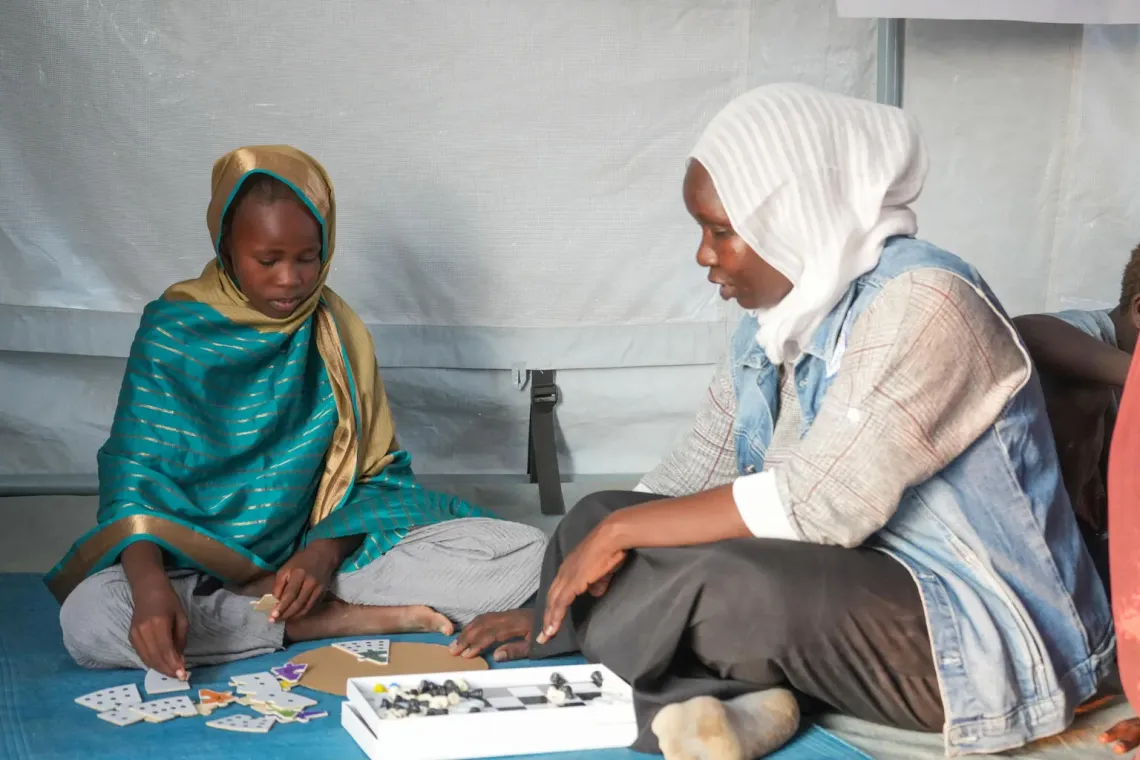
“When a child first comes to the CFS, they are scared, anxious, stressed, and introverted,” said Magdoline, a facilitator. “But with simple games, activities, and counselling, they begin to feel comfortable and safe.”
At the CFS, after months of living in terror, children can laugh again — and simply be children.
Looking toward the future
Despite the hardships she has faced, Widad stands tall, hopeful, and determined. She dreams of returning to school, and she dreams of a future.
“I want to become a lawyer,” she said.
Widad — along with thousands of children who survived the recent escalation of violence in Al Fasher — may now be safe, but their lives remain uprooted. For normalcy to return, they need peace.
UNICEF and partners are scaling up emergency support across health, water, sanitation and hygiene, nutrition, and child protection to meet the needs of children and families wherever they have fled, including in Addabah in River Nile State.