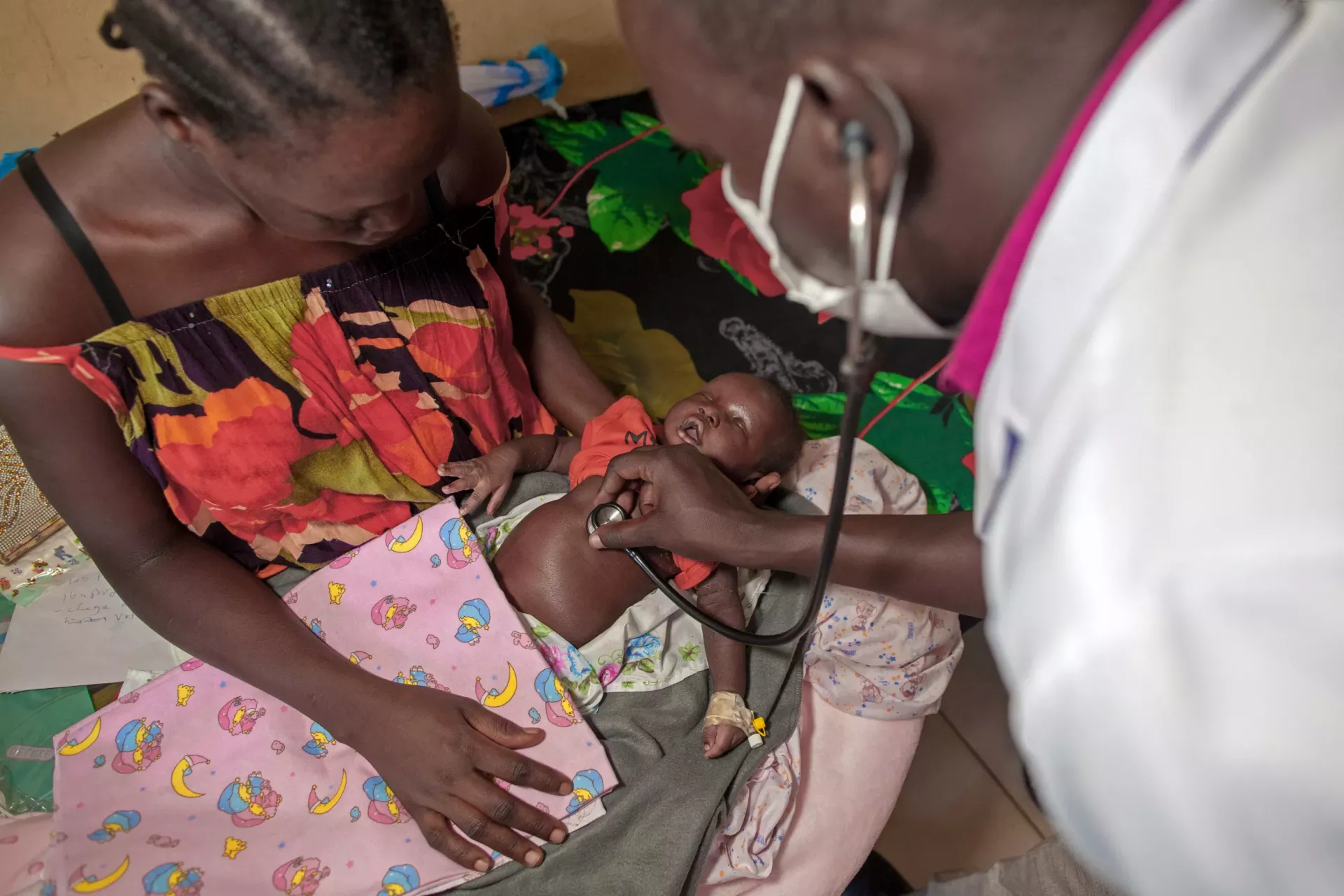
We no longer refer patients to Juba
Improving maternal health and child health services at Bor State Hospital through community resilience projects
In a region where secondary-level healthcare challenges have often seemed insurmountable, Bor State Hospital in Jonglei State has greatly improved its ability to deliver better quality healthcare to the population of the bustling regional city and surrounding region.
Thanks to the "Bridging Emergencies to Resilience in South Sudan Project," funded by the Korea International Cooperation Agency (KOICA), the hospital has significantly enhanced its maternal and child health services through crucial equipment donations and the hiring of senior maternal and child health specialists and experts.
The three-year project implemented by UNICEF, which concludes this year, has been a game changer for building the resilience for thousands of inhabitants in the Greater Jonglei region. Aimed at establishing an enabling environment for resilient water, education, and health services, the project has not only bolstered the hospital’s capacity but also provided vital training and support to its staff.
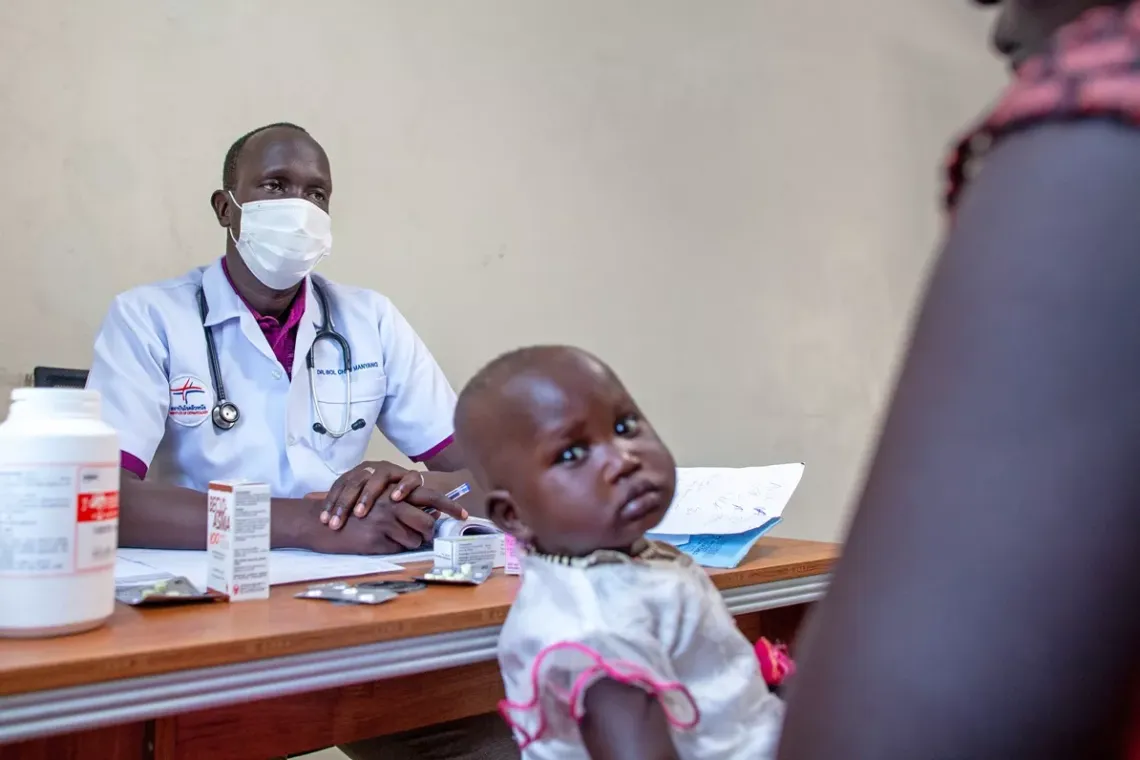
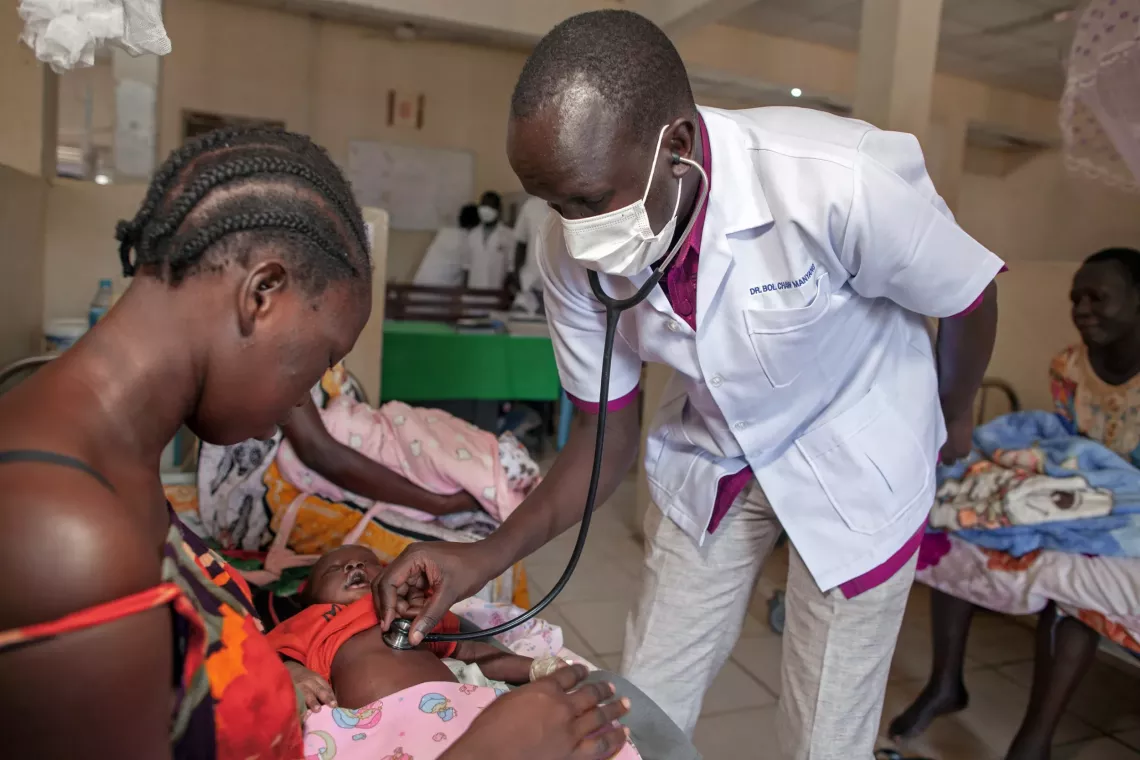
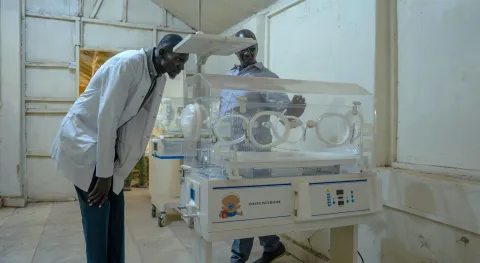
One of the most notable advancements is the delivery of 57 specialist medical equipment packages, supplies, and sundries to Bor State Hospital. Among this essential equipment are oxygen concentrators, incubators, patient monitors, surgical operating sets/tables, state-of-the-art tools that have transformed the hospital’s ability to diagnose maternal and newborn conditions quickly and accurately as well as improve patient care.
The project also focused on building the technical capacity of the hospital staff. Eighteen medical personnel were trained in Basic Emergency Obstetrics and Newborn Care and two senior health experts - Dr. David Tor, Obstetrician/Gynecologist and Dr. Hakim Koma, General Surgeon were hired to provide on-the-job mentorship and coaching. Their expertise has been invaluable in elevating the hospital’s secondary-level standards of care.
Mayen Mayol, Associate Clinician and head of the Gynecology and Obstetrics Department at Bor State Hospital, which sees an average of 40 patients and handles over 5 deliveries per day, expressed his gratitude for the specialists' training.
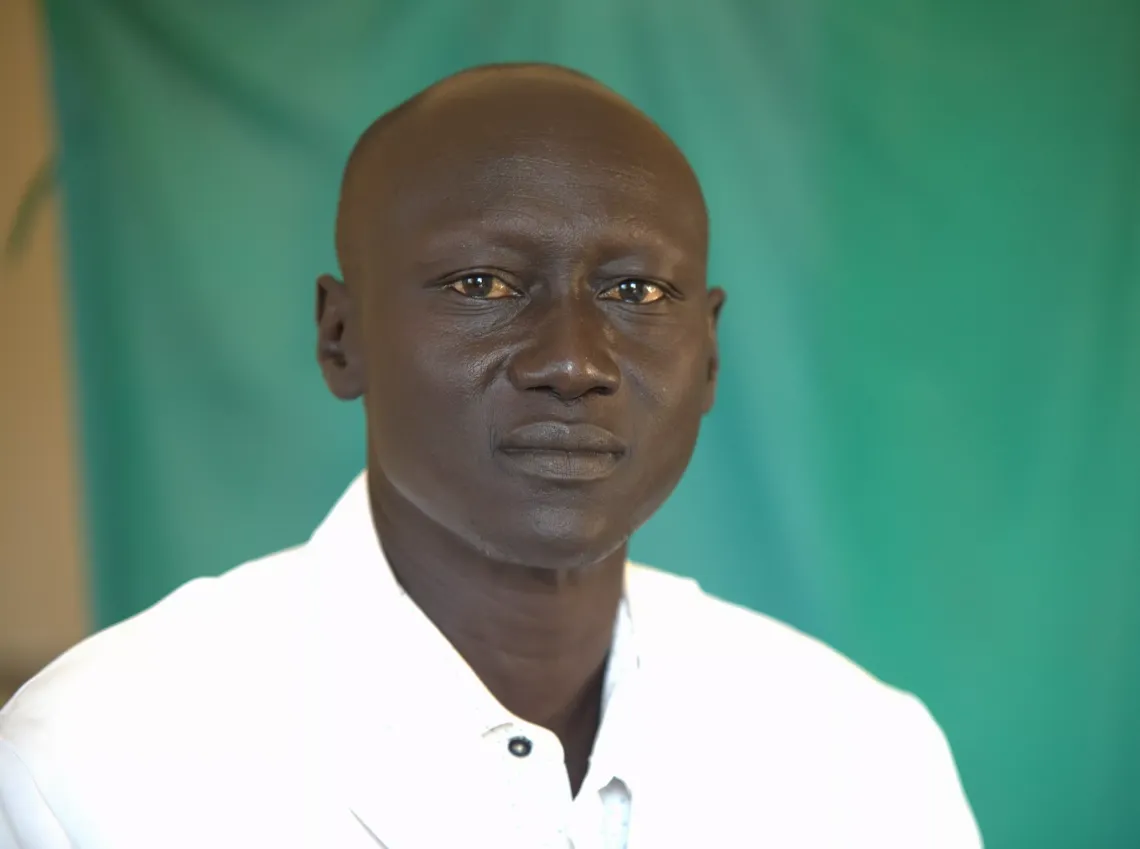
The two experts mentored us on complex procedures like hysterectomy and fourth-degree tear repairs. Their presence has not only improved our operations but also reduced my workload, allowing me to focus more on our patients. For instance, we no longer must refer mothers with complicated cases to Juba for expert care.
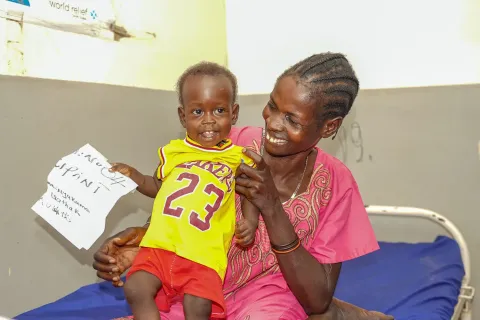
The impact of these improvements is perhaps best illustrated by the experiences of patients like Lith Jok, a 33-year-old mother who had suffered severe bleeding during previous deliveries.
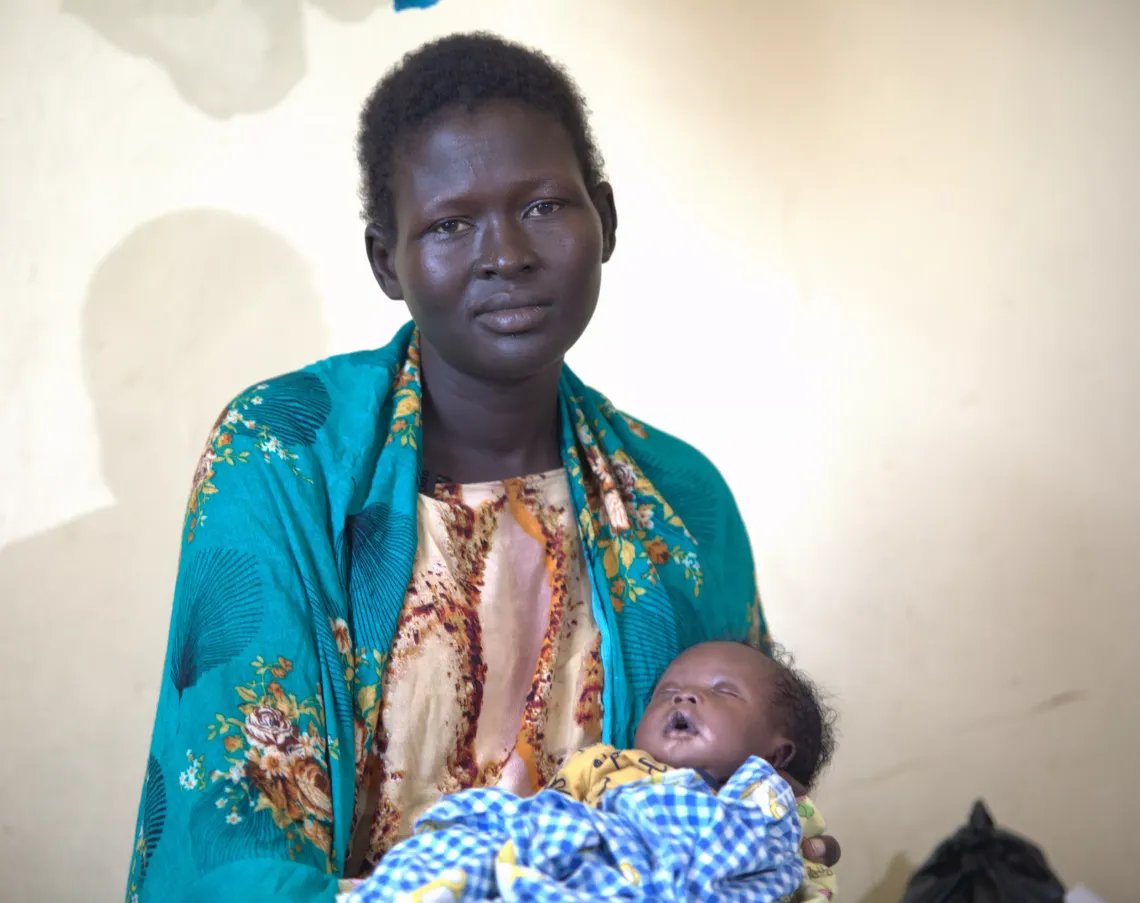
In the past, I delivered my children at home with the help of traditional birth attendants, and each time, I experienced severe bleeding that nearly cost me my life. But since discovering Bor State Hospital, I have chosen to deliver here. Yesterday, I gave birth to a healthy baby without any complications. I feel great, and my baby is thriving.
According to the Jonglei State Ministry of Health data, the project that complemented the World Bank funded health project has had a profound impact on Bor State Hospital’s capacity, with patient admissions increasing from 4,518 in 2021 to an impressive 30,421 and 28,496 in 2022 and 2023 respectively.
The KOICA project has not only strengthened Bor State Hospital's ability to provide critical care but has also instilled confidence in the community it serves. By reducing the need to refer patients to Juba, the hospital is now better equipped to meet the needs of its population, ensuring that more mothers like Lith can experience safe, successful deliveries close to home.