Three midwives reviving safe births in Nyong
From 150 to 232 deliveries: midwives and community ignite Nyong's safe birth surge

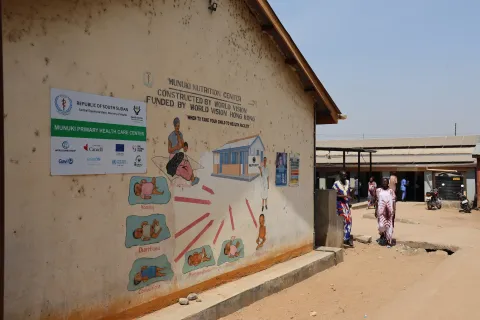
At Nyong Primary Health Care Centre (PHCC) in Torit County, Eastern Equatoria State, a silent transformation is occurring, one propelled by community leadership and bolstered health staffing.
Nyong PHCC now serves nearly 20,000 residents and records between 1,000 and 2,000 consultations each month. Behind these figures lies a story of renewed trust between the community and its health facility.
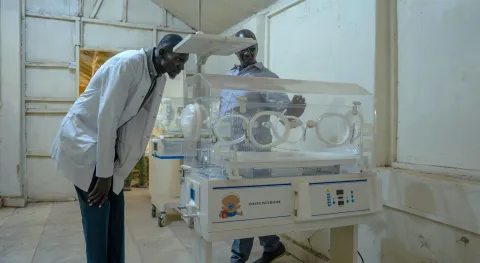
Before the Health Sector Transformation Project (HSTP), the facility operated with only 13 staff members and a single midwife struggling to meet the needs of expectant mothers. Today, the PHCC has 23 health workers supported under HSTP, including three midwives whose presence has significantly improved maternal care services.
According to Obaldo Zacharia, the Facility In-Charge at Nyong PHCC, the improvements have made a noticeable difference in the community. “Under the previous Health Pooled Fund, we had only one midwife,” he recalls.

With HSTP support, the number increased to three. Now we have midwives working in shifts, morning, evening, and night. Mothers know someone is always available, and this has built trust in the facility.
That confidence is reflected in the figures. In 2024, the facility recorded 150 deliveries. By 2025, deliveries had increased to 232 as more women chose to give birth at the health centre rather than at home.
For many mothers, access to consistent care has made a life-changing difference. Monday Ousman, a 25-year-old mother of two who is six months pregnant with her third child, arrived at the facility for her routine antenatal care visit feeling seriously unwell.


I came for my regular ANC appointment, but I was ill. After testing, I was diagnosed with malaria and typhoid and received treatment. I feel much better now. When I arrived, I had to be carried, but now I can walk back home.
Her experience demonstrates increasing community trust in the services offered at Nyong PHCC. In addition to the health workers, the facility’s development is also driven by a dedicated Community Health Committee. Clara Budi, a 50-year-old chairperson of the 14-member committee, has held this position for two years. "I took on this responsibility because the community asked me to help since I live nearby the facility,” she explains. “Our task is to monitor the PHCC and identify what is missing".
When she took on leadership, several gaps impacted service delivery. The committee raised concerns with partners, from the lack of chairs for the facility’s staff to the need for improvements in the water system, and solutions soon followed.
Clara believes that the increase in safe deliveries is due not only to improved staffing but also to robust community engagement.

The presence of electricity has helped, but we also conduct awareness activities. We speak to families and mothers who want to deliver at home and encourage them to come to the facility. Many now understand the importance of safe delivery.
However, she makes an appeal for better protection of the facility, emphasising that a fence is necessary to secure the premises and protect its property.
Nyong PHCC’s progress reflects the wider impact of the Health Sector Transformation Project, which supports more than 700 health facilities across South Sudan. The project is funded by a consortium of partners including the World Bank, Global Affairs Canada, the Global Fund, Gavi, the Vaccine Alliance, the European Union, and the UK’s Foreign, Commonwealth & Development Office (FCDO).