Roots of resilience in Malakal
Health, learning, and protection led by families returning from conflict

When the fighting broke out in Sudan in April 2023, families carried their children across borders with little more than courage and hope. Among them were two brothers, Youjwok Albino, just four years old, and his younger sibling Moijwok, only two. Their parents were lost to the violence, leaving the boys in the care of their grandmother, who refused to let despair define their future. She had already worked hard as a cleaner to provide for them, and even when her job ended, she continued to fight for their survival with determination that belied her age.
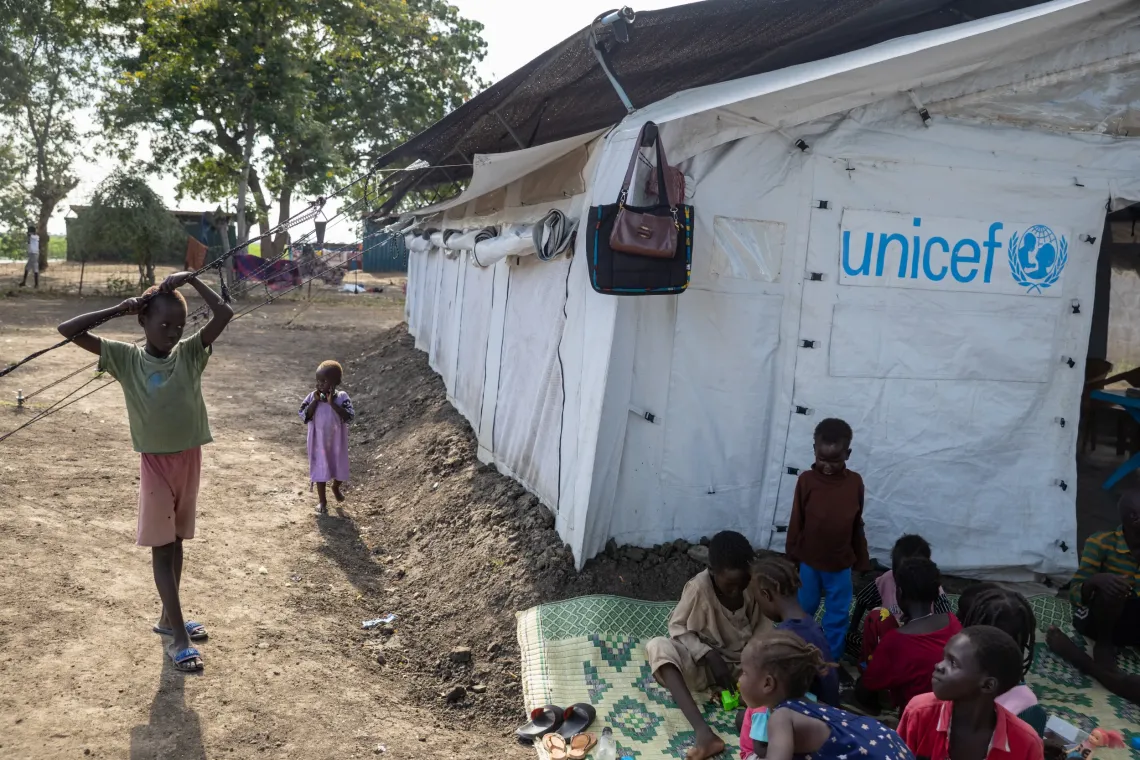
Arriving at the Bullkat Transit Center in Malakal, the children were frail and malnourished. Their grandmother remembers the fear she felt, but she also recalls the resolve that kept her moving forward.
The children were very weak, and I could hardly believe they would survive. At my age, I am unable to provide enough food for them, and I feared I would lose them.
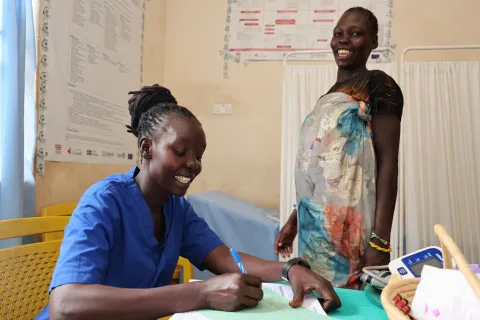
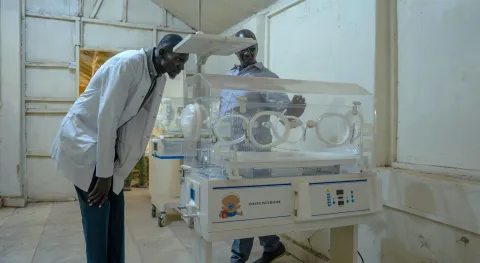
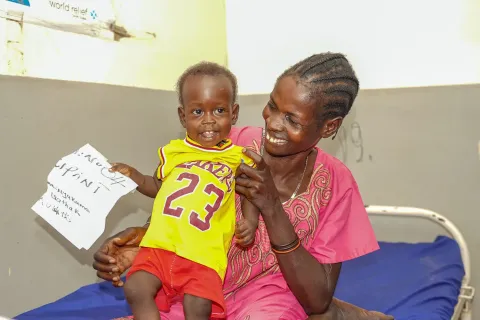
Yet she never stopped seeking help, ensuring they were noticed, listened to, and cared for. Her persistence led to their admission at MSF Hospital, where they received nutritional support that slowly restored their strength.
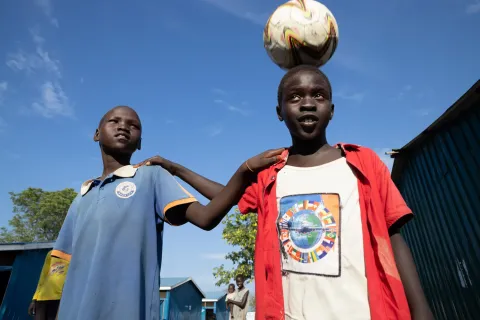
As the boys recovered, their grandmother made sure they joined daily activities at the Child-Friendly Space near their shelter. There, they played, learned, and began to rediscover joy. Youjwok, with a spark of ambition, told visitors, “I want to go to school and would like to be a doctor.”
His words carried the weight of a child who had seen loss but still believed in possibility. Moijwok followed his brother’s lead, finding comfort in play and learning.
The family’s resilience was amplified by community solidarity. Neighbors at the transit center shared food, stories, and encouragement, creating a network of support that strengthened everyone.
Organizations such as NIDO (Nile Initiative Development Organisation), MSF (Medecins sans Frontieres), and World Vision partnered with families like theirs, offering case management, health services, and education opportunities. UNICEF’s support with generous funding from the Republic of Korea made these services possible, but the true drivers of change were the families themselves, their persistence, their voices, and their dreams.


Months later, the Albino brothers had regained their health. Their grandmother’s strength and their own determination had carried them through the darkest times. Now, with education support on the horizon, Youjwok’s dream of becoming a doctor feels closer to reality. Their story is not one of passive survival but of active resilience, showing that even in displacement, families are shaping their futures with courage and vision.