Solar-powered fridges revolutionise cold chain management for vital vaccines in remote South Sudan
The solar system solution for the cold chain, ushering in a new era of vaccine storage

In South Sudan’s Western Bahr el Ghazal state (WBeG), solar-powered fridges are transforming vaccine storage in remote areas, ensuring reliable cold chain management that preserves life-saving immunisations and lowering fuel costs for cold chain fridges.
The advent of the new generation of solar fridges is vital to ongoing efforts to immunise South Sudan’s children and mothers against diseases. UNICEF and GAVI, the Vaccine Alliance, have invested in and deployed these solar systems at health facilities across South Sudan for childhood immunisation programmes.
Each solar-powered fridge has two compartments: one for storing vaccines and the other for preparing ice packs.
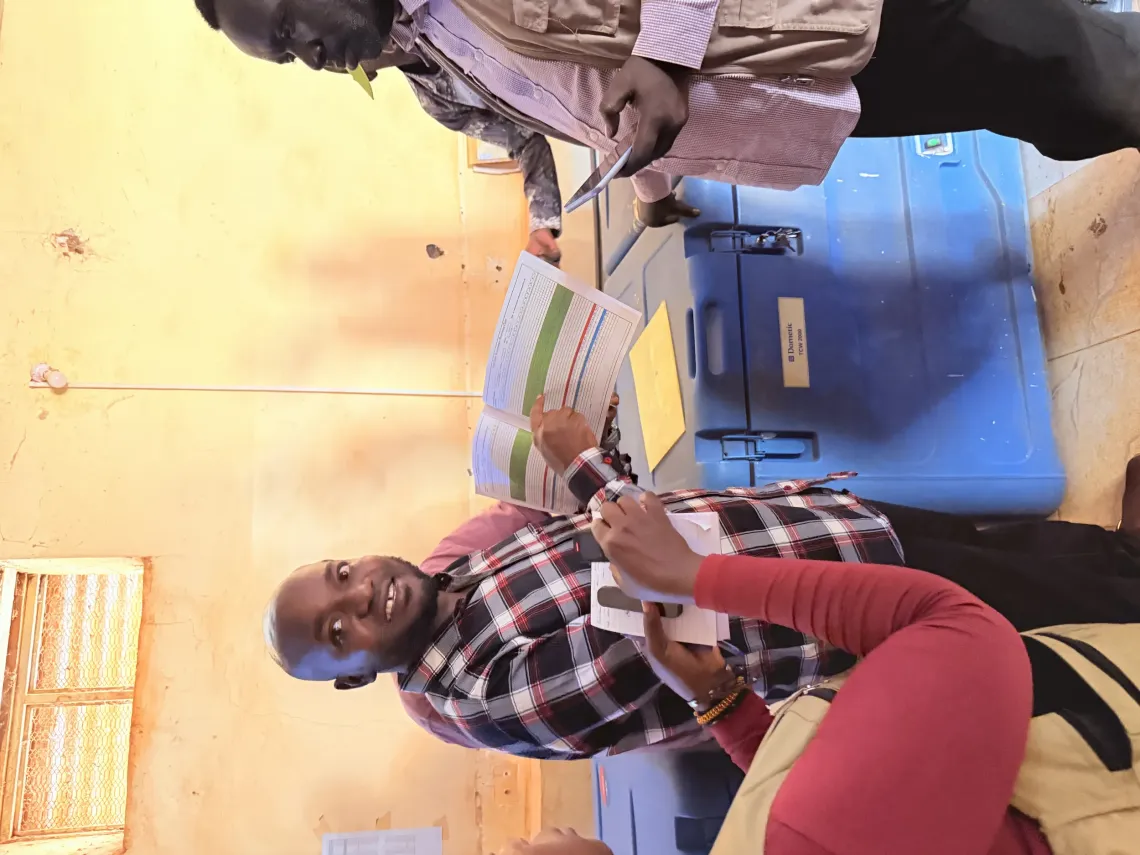
At the storage facility in Wau, Cold Chain Operators play a vital role in safeguarding essential vaccines and are responsible for monitoring the temperature of each fridge. Inside each fridge, there is an additional layer of verification (fridge tag device) to monitor and ensure the temperature remains consistent, so that the vaccines retain their potency throughout the storage period.
The introduction of solar-powered fridges in Wau sparked unusual excitement. This wasn’t just any appliance delivery—it symbolised hope for reliable vaccine storage in a region with unstable electricity, and where power outages had long threatened children’s lives.
"It's surely a wonderful gesture from development partners," says James Phillip Bazia, the Cold Chain Officer for the Expanded Programme on Immunisation (EPI) in WBeG State. "With a constant supply chain, we do not worry about how we keep these vaccines at the right temperature for a long period of time and then having children access them in Wau and remote areas."
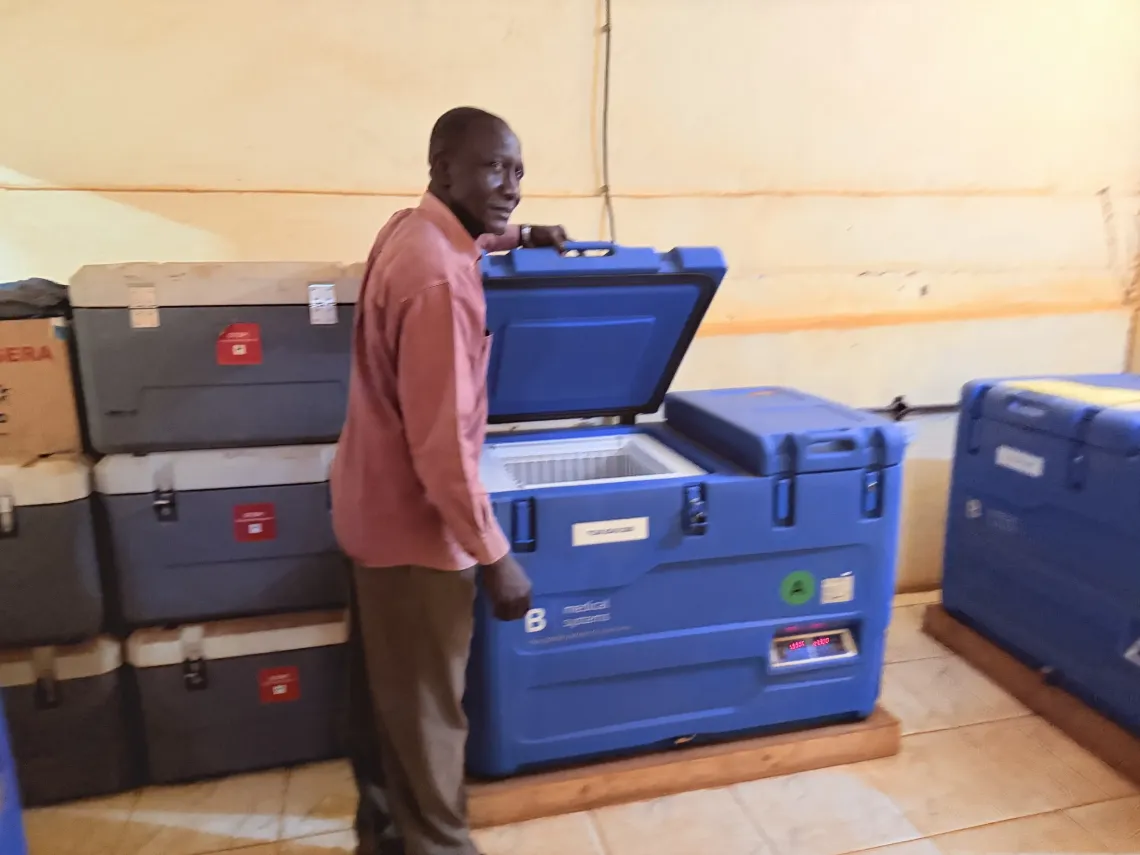
Over the years, vaccine storage in this part of South Sudan has depended on unreliable refrigeration systems powered by fuel generators. Health workers often faced heartbreaking situations: mothers arriving with infants for immunisations, only to be turned away because the health centre’s refrigerator had failed overnight, spoiling the vaccines inside. Most mothers travel more than 15 kilometres to reach these health centres, making the disappointment especially painful.
“Before the solar system was introduced in Wau, we relied on two generators to power refrigerators; when one generator had a malfunction, we depended on the other to preserve the lifespan of essential vaccines”, recounted Mr Bazia.
Solar-powered refrigerators changed this dynamic completely. Unlike older models that require kerosene or stable electricity, these units connect directly to solar-charged lithium batteries and store energy as ice, maintaining the precise 2-8 degrees Celsius temperature range that vaccines require.
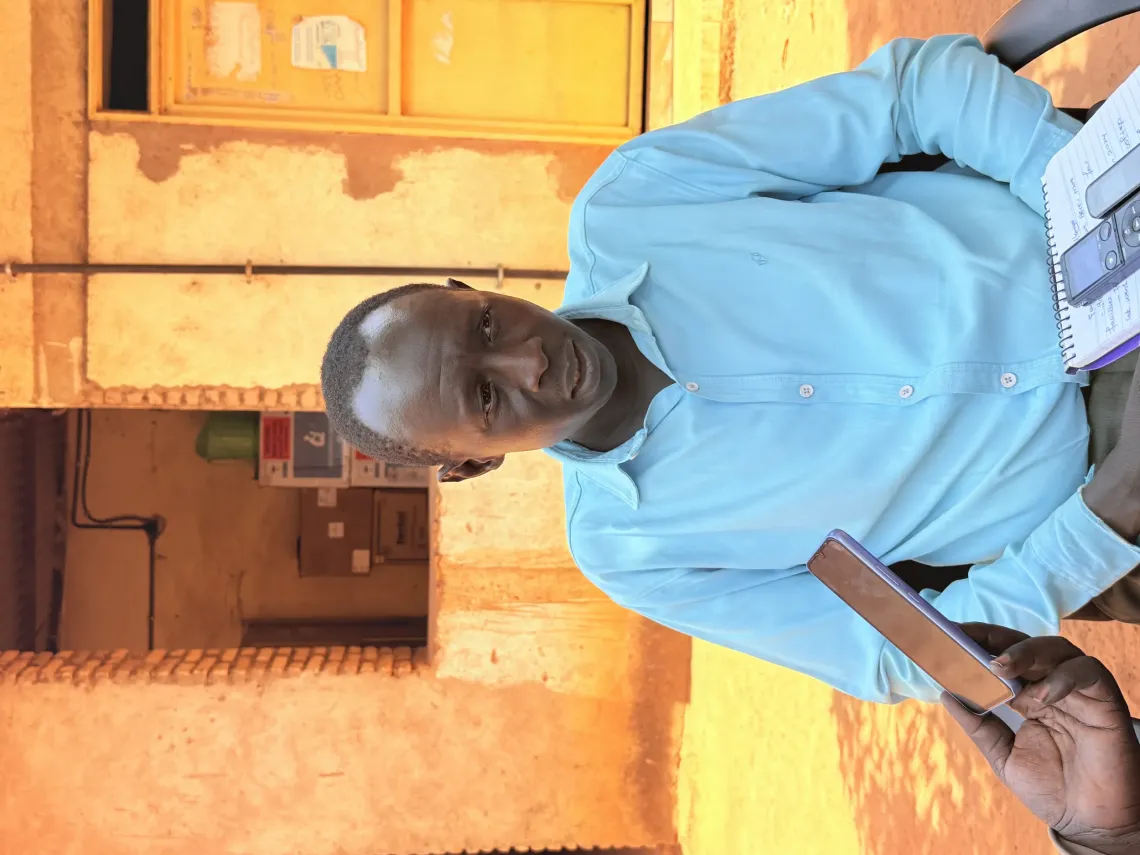
Families have enthusiastically embraced sunlight technology, which guarantees continuous access to vaccines. “When we see children getting their vaccinations, when we see they’re protected, that’s comforting, and it’s also exciting,” Phillip Lual, a Monitoring and Evaluation Officer for EPI in WBeG State. “We couldn’t have an immunisation programme without the cold chain.”
In the Greater Bahr el Ghazal Region (covering five states: WBeG, NBeG, Lakes, Warrap and Abyei Administrative Area), 235 health facilities, including hospitals and primary healthcare centres, are equipped with this solar system. They provide a significant benefit to children and maintain the integrity of the cold chain from arrival through onward dispatch to health facilities to the point of administration.
The solar energy revolution is being implemented alongside the Health Sector Transformation Project, the UNICEF, Government and World Bank supported project for healthcare delivery across Western Bahr el Ghazal.
Solar energy is about more than just technological progress—it represents a dependable healthcare infrastructure that can withstand natural disasters and expand access to immunisation for previously underserved communities. The investment offers long-term financial savings, environmental benefits, and most importantly, reliable protection for children against preventable diseases.
“The success goes beyond refrigeration. Solar-powered fridges produce enough energy to run clinic lighting and temperature monitors. Performance monitoring systems enable central managers to oversee each fridge’s temperature and maintenance history in real time, while the technology greatly lowers carbon emissions compared to fossil fuel-powered options”, said Dr Paul Oyik Okot, UNICEF Health Specialist in Wau.
The transition to solar power has reduced operational costs across the Greater Bahr el Ghazal region from about $1.2 million annually to less than $200,000, while also improving reliability and lowering the risk of vaccine doses spoiling.
“Previously, we used about 4,500 litres of fuel each month. Now UNICEF supplies less than 10,000 litres in a whole year, mainly during vaccination campaigns when ice packs need to be frozen,”
Under the leadership of the National Ministry of Health, South Sudan has since replaced all fuel-powered vaccine refrigerators with solar-powered units, installing approximately five robust State Cold hubs with support from UNICEF through funding from GAVI donors. The country expanded its cold chain network to all 10 states, bringing vaccine access closer to rural communities.
An investment that pays off now and for future generations: -
- lower costs over the long term
- more reliable equipment that lasts longer
- more places where children can be immunised
- a smaller carbon footprint
- stronger, more dependable healthcare systems
And a range of additional innovations that South Sudan’s cold chain technicians can utilise in villages and urban centres across the country to safeguard more children and families. It’s an investment that benefits everyone.