Solar-powered refrigerators to ensure lifesaving vaccines for children
The journey of propelling South Sudan’s immunization coverage from 46% to 73%
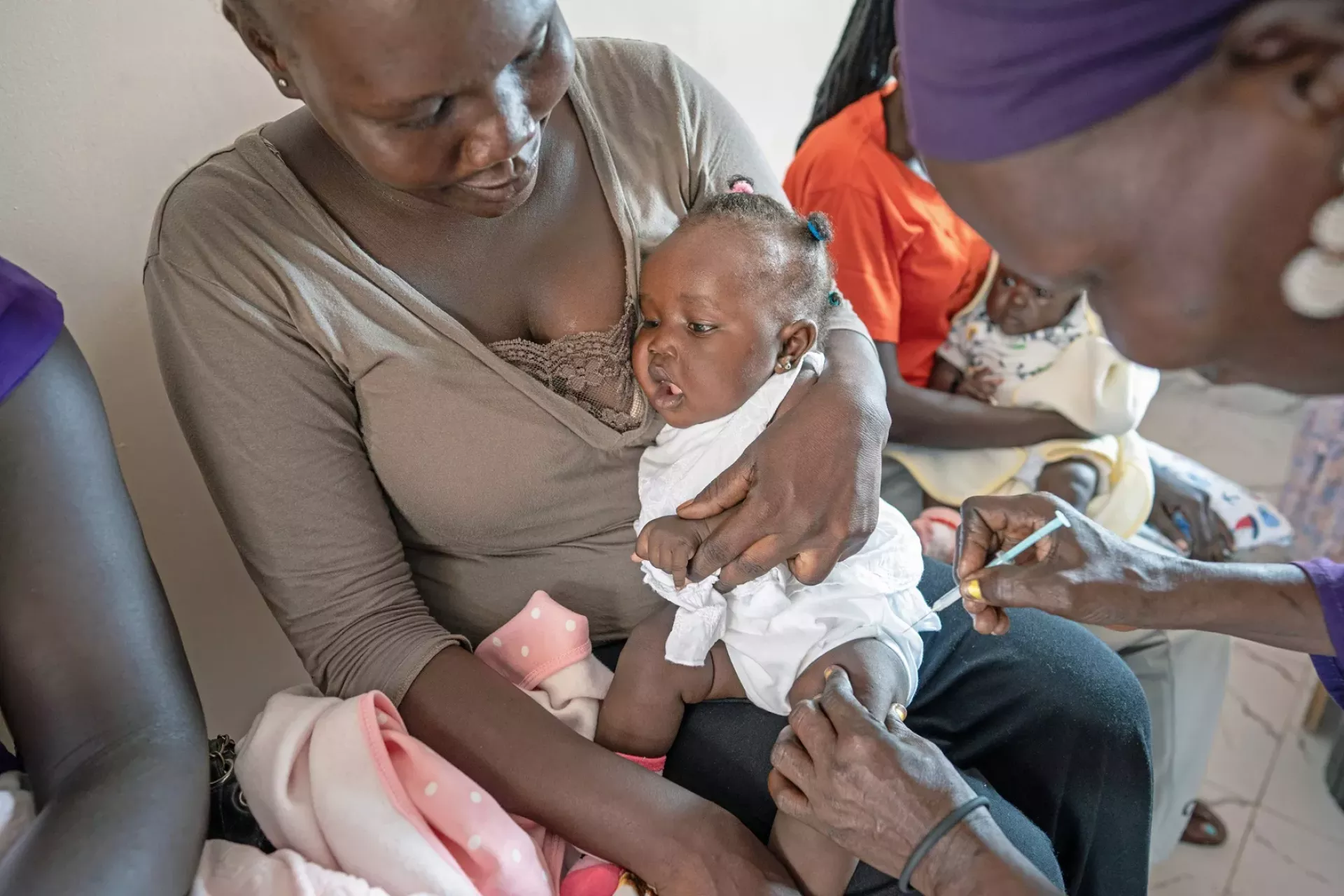
In recent decades, significant progress has been made in childhood immunization, from research breakthroughs to innovative delivery and financing methods. However, these gains are at risk if vaccines are not properly stored and managed, especially during transport and at service points in tropical countries with limited health systems like South Sudan.
With only 8% of the population having access to grid electricity, according to 2022 World Bank report, and a healthcare sector hampered by poor infrastructure, maintaining a robust cold chain system for immunization service delivery in South Sudan has been an ongoing challenge.
However, a breakthrough came with the introduction of solar-powered refrigerators, an innovation that has changed vaccine storage and delivery across the country. The Cold Chain Equipment Optimization Platform (CCEOP), implemented by UNICEF with funding by the Global Vaccine Alliance (Gavi), has been pivotal in overcoming these challenges. With support from donors such as Gavi, COVAX, Germany, Canada, Japan, the UK, UNOCHA, and the World Bank, the initiative has also led to more environment-friendly low emission healthcare facilities.
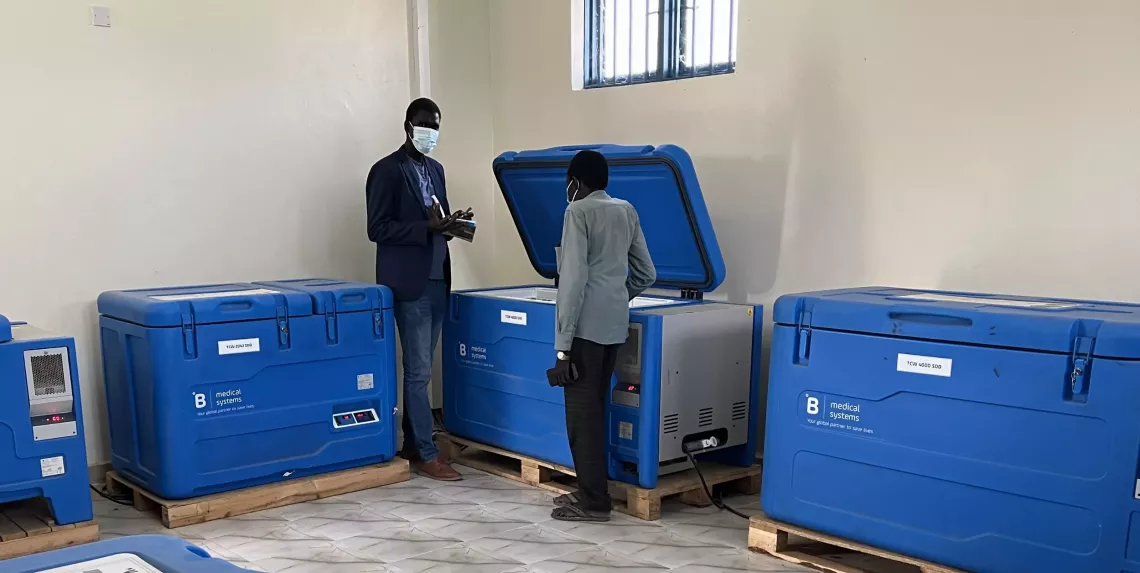
The $2.9 million project implemented in 2024 facilitated the installation of 222 solar refrigerators and 17 deep freezers, significantly enhancing vaccine accessibility in even the most remote locations.
This has added to the total of 1,900 vaccine refrigerators procured through UNICEF Supply Division and delivered, with 91% of them being solar powered over the last five years.
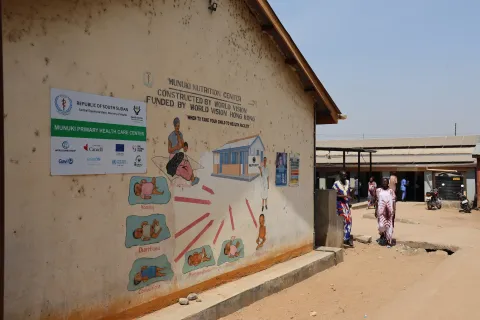
One facility benefiting from this innovation is Munuki Primary Health Care Center, located in Munuki Residential Area, in Juba. From Monday to Friday, the center vaccinates nearly 100 children each day, serving a catchment population of approximately 150,000 people.
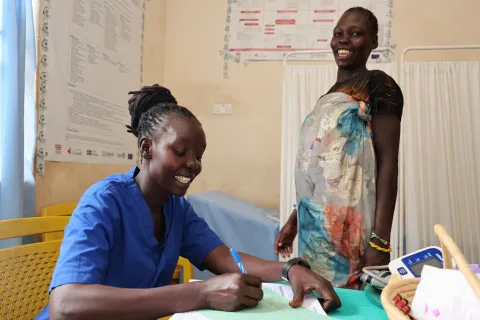
On a typical Monday morning, Angelina Achalla, a 30-year-old mother of five, is among the 20 women seated in the Expanded Programme on Immunization (EPI) department. She has brought her 3-year-old son Ambrose Akuil, for his malaria second dose vaccination after the first batch of malaria vaccinations recently arrived in South Sudan.
A long-term patient of the facility, Angelina has relied on its services since 2017, with her last two children, both born in Juba, receiving their vaccinations at this center.
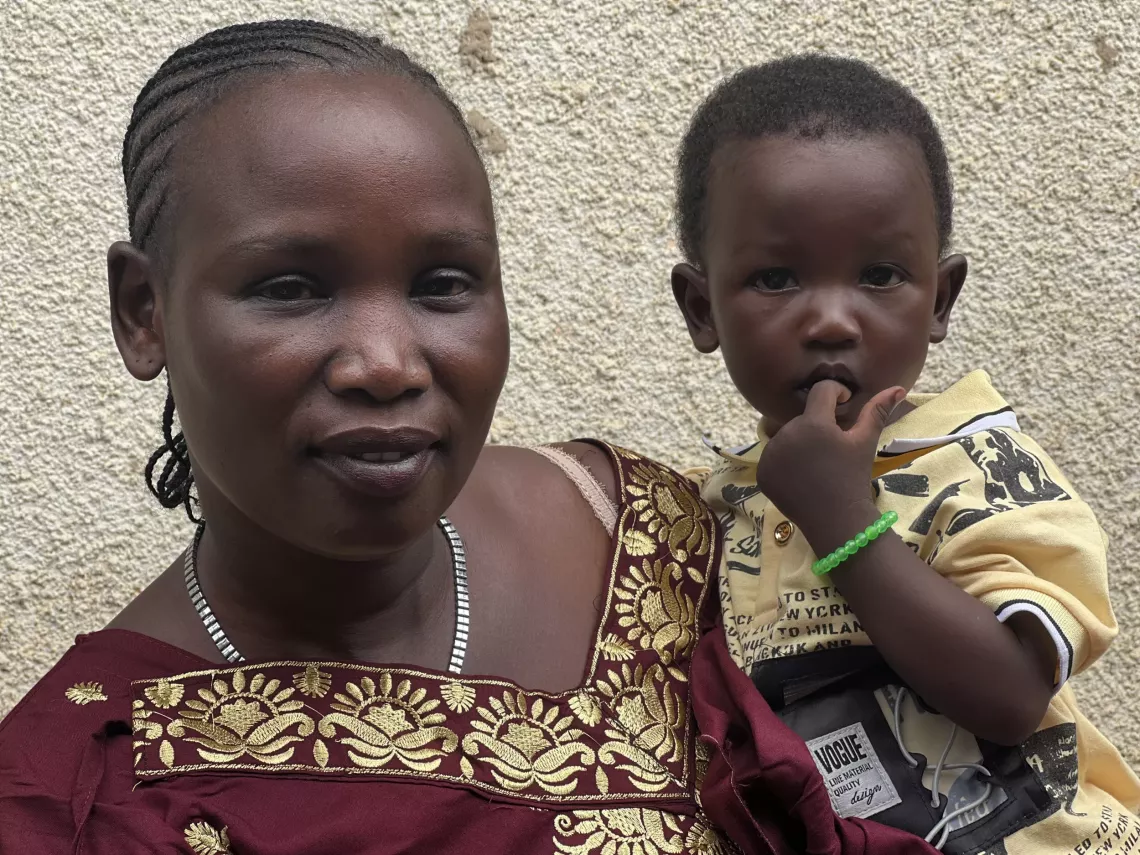
Apart from receiving vaccination care during my pregnancy, my kids have always been vaccinated here. Today, I brought Ambrose for this important vaccination to protect him from diseases.
“When we come, the healthcare workers always welcome us and take good care of our kids before, during, and after the vaccination. My children have never experienced any side effects. Since Ambrose received his first malaria vaccination, he hasn’t fallen sick from malaria,” she adds.
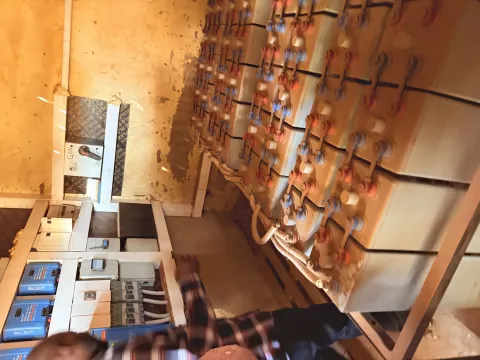
With support from CCEOP project, the facility’s immunization department is equipped with solar-powered refrigerators that ensure vaccines are stored at safe and stable temperatures, safeguarding the health of both mothers and children.
Kennedy Lucky, the Assistant Facility In-Charge at Munuki PHCC, praised the CCEOP project as a transformative innovation in the immunization sector in South Sudan.
Previously, our refrigerators were powered by the grid, which often caused disruptions in our system. Power outages and instability made it difficult to consistently maintain the required temperatures for vaccine storage. However, since we transitioned to solar-powered refrigerators, we now have a reliable 24/7 solution that ensures our vaccines are kept at the optimal temperatures at all times.
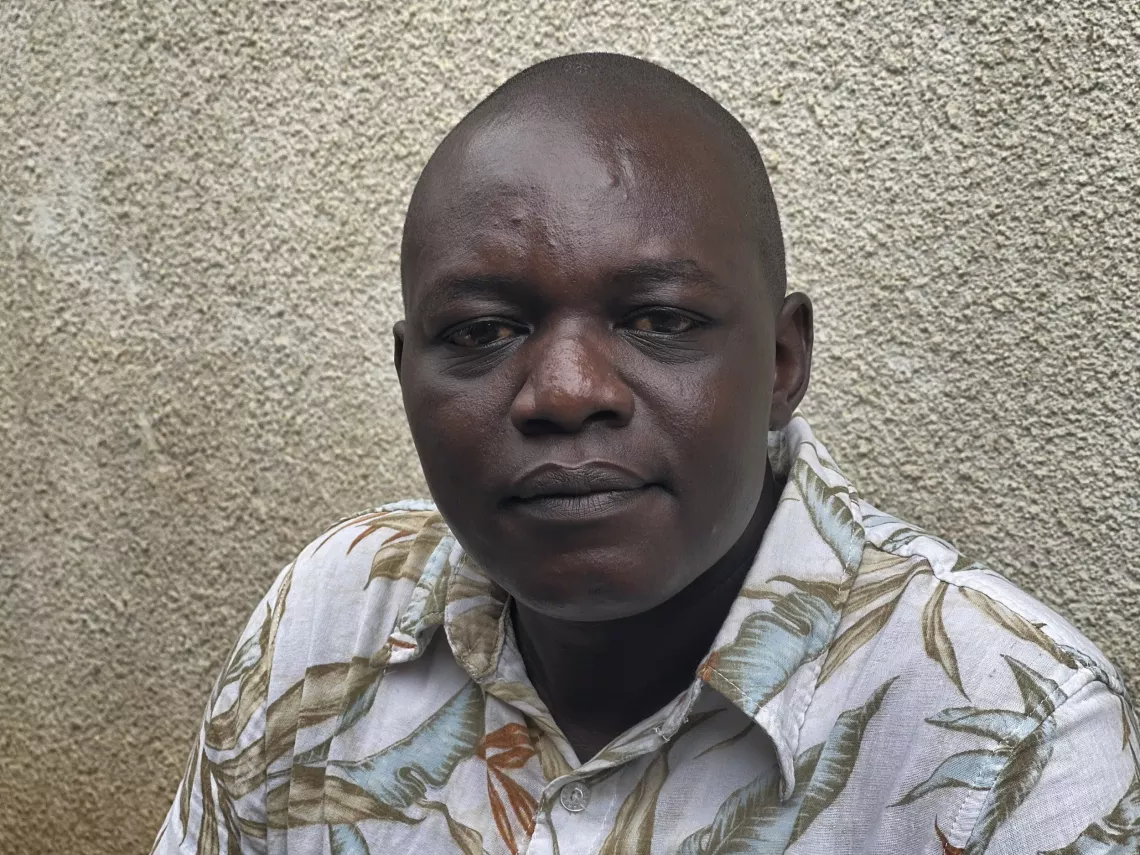
Kennedy emphasized enhanced Social and Behavior Change (SBC) awareness to encourage communities to report any concerns related to immunization services.
George Legge, the Immunization Manager at the National Ministry of Health, points out the progress achieved through the CCEOP project.
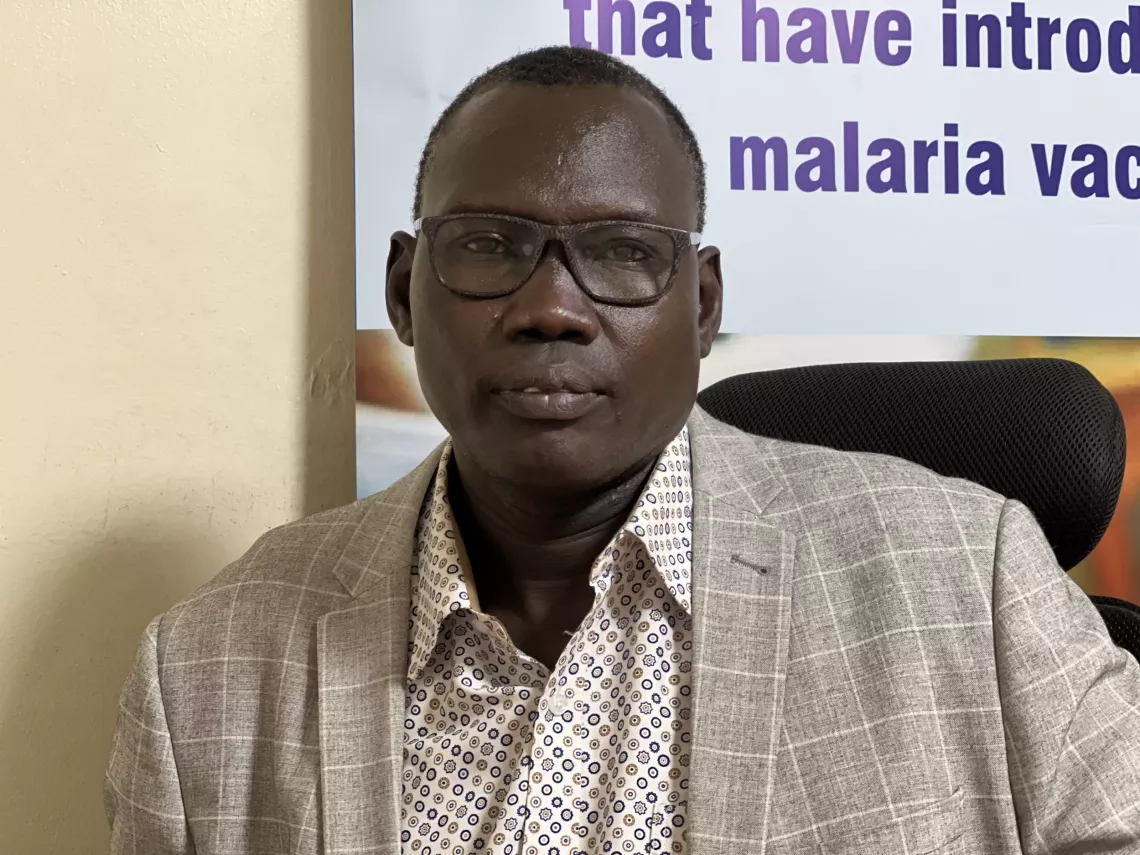
With the installation of solar direct drive refrigerators (SDDs), the vaccine storage capacity has increased tremendously leading to less vaccine stock-out and supported the boosting of vaccine immunization coverage from 46% to 73% in just three years.
“Additionally, this project has reinforced the government's mandate to bring services closer to the local population. Now, mothers don’t have to travel long distances to access immunization services. With services nearby, more mothers are motivated to bring their children for immunization,” Legge added.
The Public Health Specialist cited that, “although transporting the refrigerators was challenging during the rainy season, the project has enabled us to reach the most vulnerable communities in remote areas that desperately need these services”.
While concluding, Legge outlines the government’s vision for immunization in South Sudan, “Our goal is for every facility, even in the most remote areas, to have a cold chain equipment, protecting every child and mother from vaccine-preventable diseases and safeguarding the country’s future”.
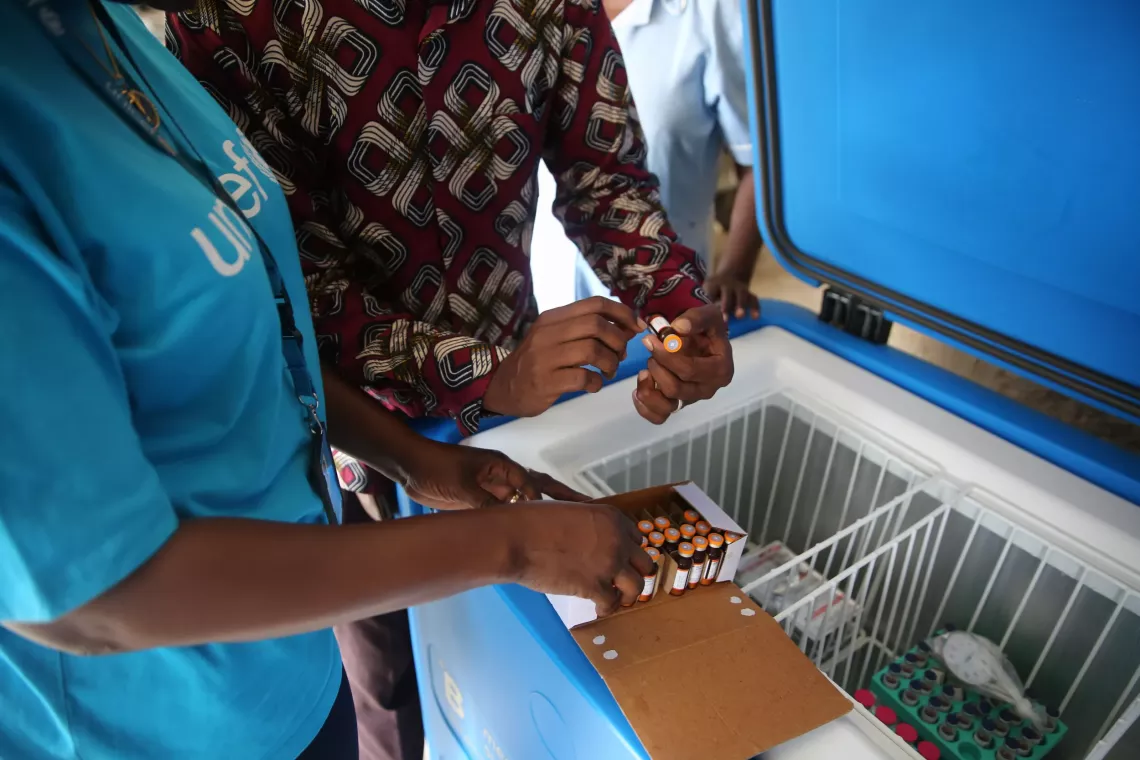
The Cold Chain Equipment Optimization Platform (CCEOP) project was established by Gavi, the Vaccine Alliance in 2015 as part of a strategy to strengthen vaccine supply chains and achieve better immunization equity and coverage.
Under the CCEOP project, UNICEF has bolstered cold chain systems across South Sudan by supporting procurement efforts for various UN agencies. Over the past decade, this support has enabled the delivery of over 400 refrigerators, cold boxes, vaccine carriers, and temperature monitors, valued at $2.5 million. Recently, in collaboration with Africa CDC, UNICEF installed an additional 65 refrigerators to support community health needs across the country.