Lighting the way: Shamah Joseph’s fight for children’s health in Pibor
Vaccines and voices that fight against preventable diseases
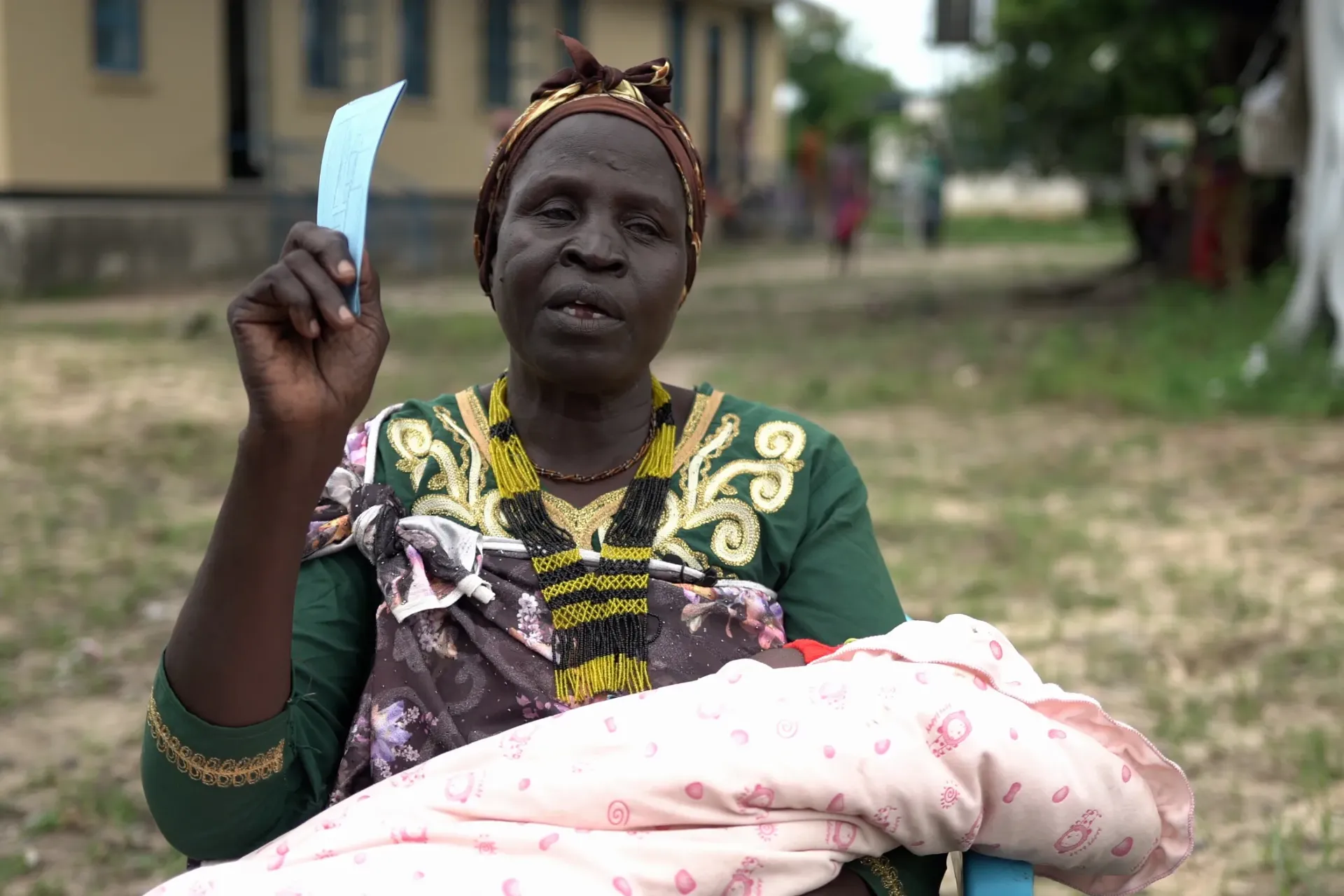
In the remote and flood-prone region of Pibor, South Sudan, where conflict and displacement have long disrupted daily life, Shamah Josheph stands as a quiet force of resilience. At 44, she is a mother of 10 and a tireless advocate for children's health—not only her own, but those across her community.
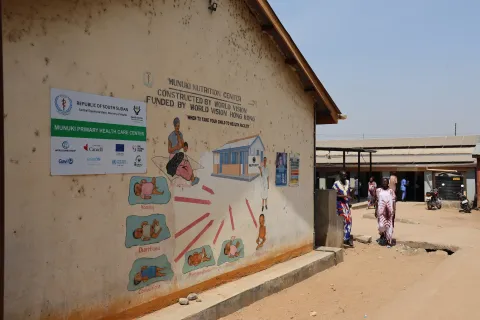
South Sudan’s health system has struggled under the weight of years of civil unrest and underdevelopment. Hospitals have been damaged, roads have been rendered impassable, and communities have been fractured. In places like Pibor, seasonal flooding forces families into overcrowded shelters on higher ground, where disease spreads quickly and access to healthcare becomes even more difficult. Maternal mortality remains high, and preventable illnesses like measles, polio, and cholera continue to claim young lives. For many families, reaching a health facility is a long and dangerous journey.


Amid these challenges, Shamah has become a trusted voice in her community. Her home is modest, surrounded by the sounds of children’s laughter and the rhythm of daily chores. Over the years, she has made it her personal mission to ensure that every child receives essential vaccinations. She has witnessed firsthand the consequences of missed immunizations—children left with permanent disabilities, families devastated by preventable illnesses.
She walks from home to home, encouraging mothers to bring their newborns to the hospital for vaccinations. She explains the importance of each dose, dispels fears, and offers comfort. Her influence has helped shift attitudes in a region where misinformation can spread quickly and healthcare access is limited.


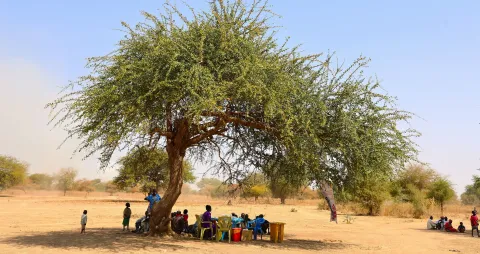
The obstacles are immense. Roads are often impassable, transportation is scarce, and flooding regularly cuts off access to clinics. Yet Shamah remains undeterred. She has waited out storms, walked through mud, and rallied neighbors to make the journey together.
Her determination is mirrored by the efforts of health workers and humanitarian partners who support vaccine distribution across South Sudan. Vaccines are flown from the national store in Juba to state hubs, then delivered to counties and health facilities—sometimes with refrigerated vehicles, sometimes on foot.


In Pibor, health workers supported through the Government Health System Transformation Project (HSTP) work tirelessly to reach the last mile. Mobile clinics, outreach events, and collaboration with community leaders like Shamah have helped increase vaccine coverage.
A generous contribution from the Church of Jesus Christ of Latter-day Saints and the CDC, enabled the procurement of vital vaccines for measles and tuberculosis. These have reached key states like Jonglei, Unity, and Upper Nile—and are now protecting children in remote areas like Pibor. The impact is visible
Fewer children are falling ill, and mothers are more confident.
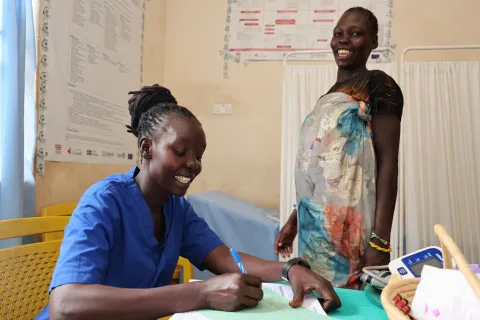
Among them is Lekuany Allan, an 18-year-old in her ninth month of pregnancy. Inspired by women like Shamah, she recently visited the local hospital to receive her first vaccine as part of her antenatal care.


I came because I want to take care of my baby and myself, I’m thankful for these services. They mean so much.
Shamah often speaks to young mothers like Lekuany, encouraging them to seek care early and regularly. She knows that maternal health is just as critical as childhood immunization. Her message is simple but powerful: prevention saves lives.
Her gratitude for the available health services is heartfelt. She thanks the health workers, the partners, and the organizations that make it possible. She knows that without them, many children would be at risk.
As the sun sets over Pibor, Shamah gathers her children for the evening meal. They laugh, talk, and play—each one healthy, each one protected. Her legacy lives not only in her own family, but in the countless others she has inspired. In a country where the road to health is long and winding, Shamah Joseph is lighting the way—one child, one vaccine, one conversation at a time.