Kamisa and Yumjima’s journey of struggle and resilience
UNICEF continues to provide emergency support to returnees and refugees in transit sites at the border with Sudan

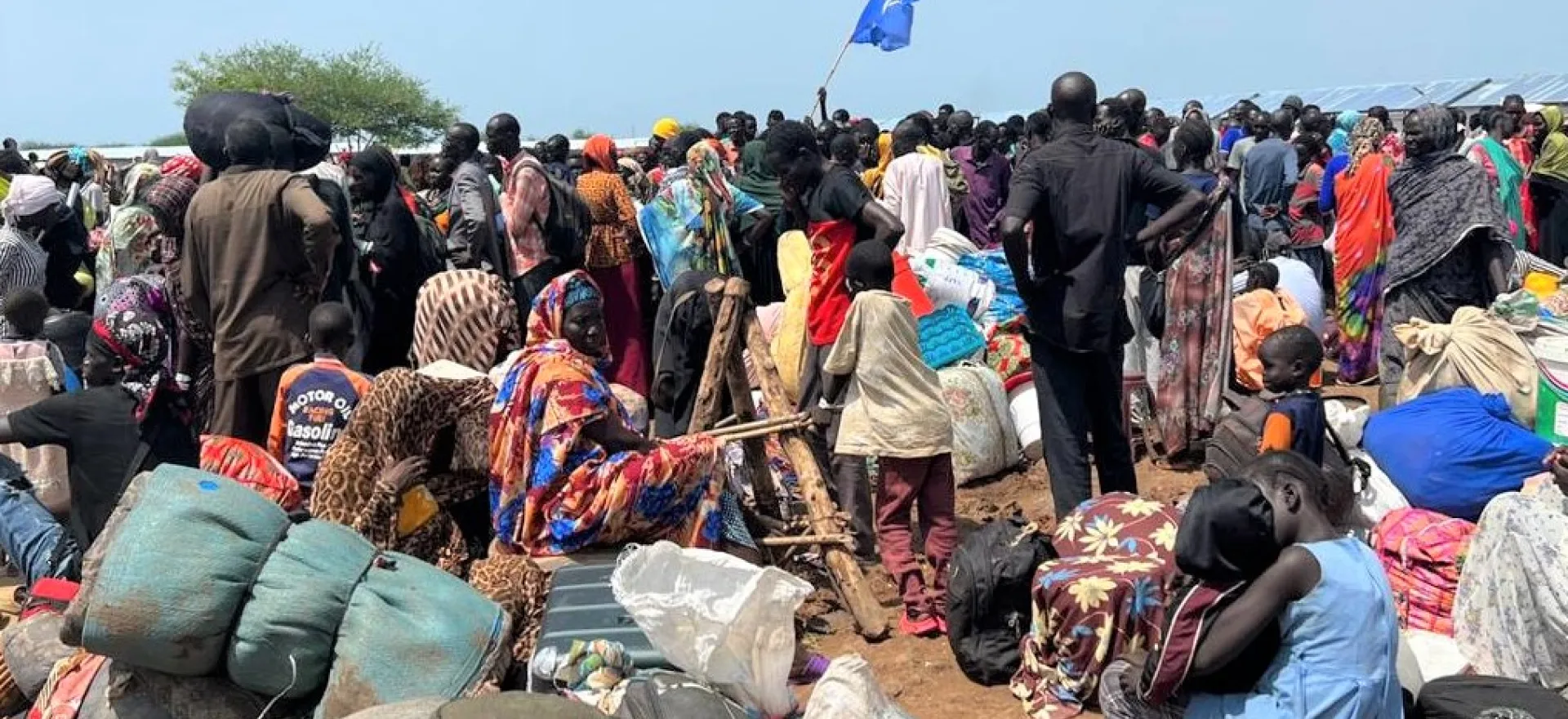
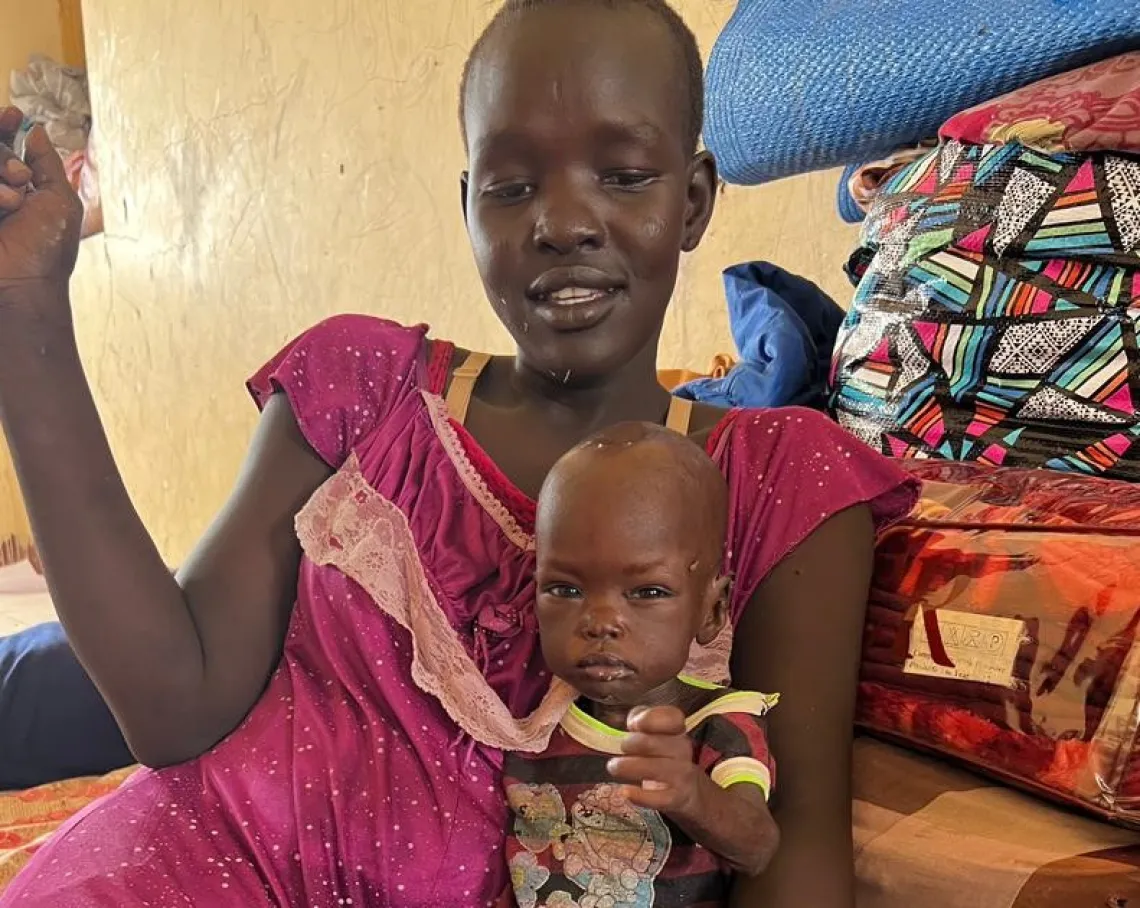
Amidst the continuing devasting violence raging across Sudan, waves of South Sudanese return across the borders to their home country. This is the story of Kamisa, a 1-year-old baby, and her mother who faced unimaginable challenges as they joined the almost 200,000 others who have fled the war into South Sudan since mid-April. Her story is one of resilience and strength in the face of deprivation.
UNICEF South Sudan/ Abraham Daljang Maker
UNICEF South Sudan/ Abraham Daljang Maker
Her story is one of resilience and strength in the face of deprivation.
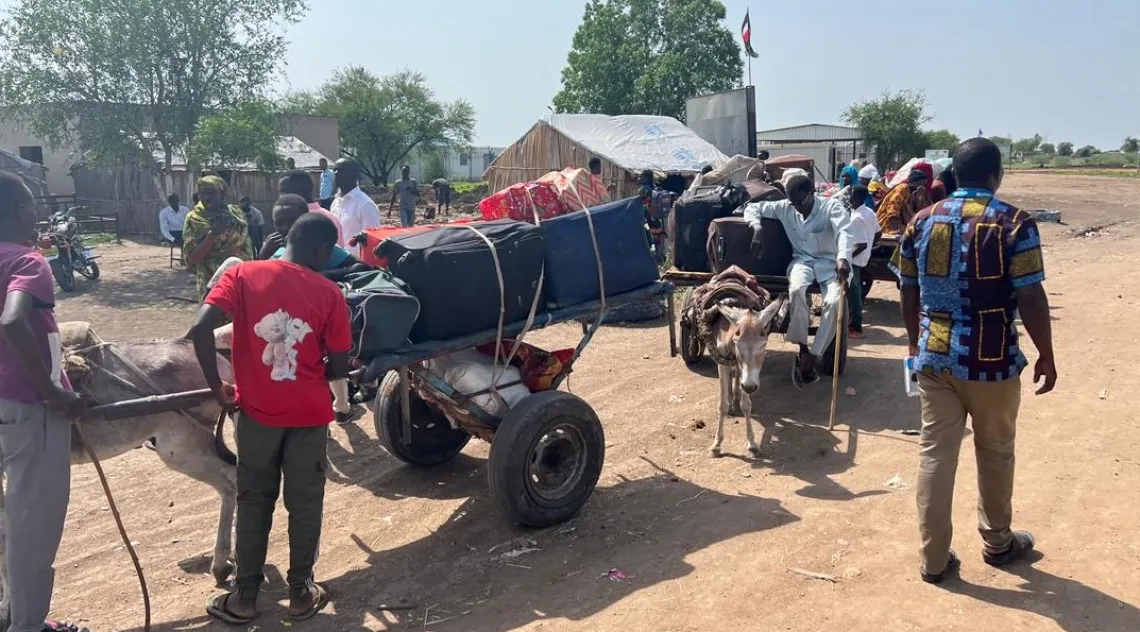
Kamisa, with her mother Yumjima, and 3-year-old brother, embarked on the treacherous journey to find safety and a better future. They fled Khartoum, making their way to the South Sudan border. Along the way, they encountered countless obstacles, desperate conditions, and the constant fear of uncertainty with fighting flaring up all around them. They sought refuge in the Halagia border camp still in Sudan, where they remained stranded for two long harrowing months.
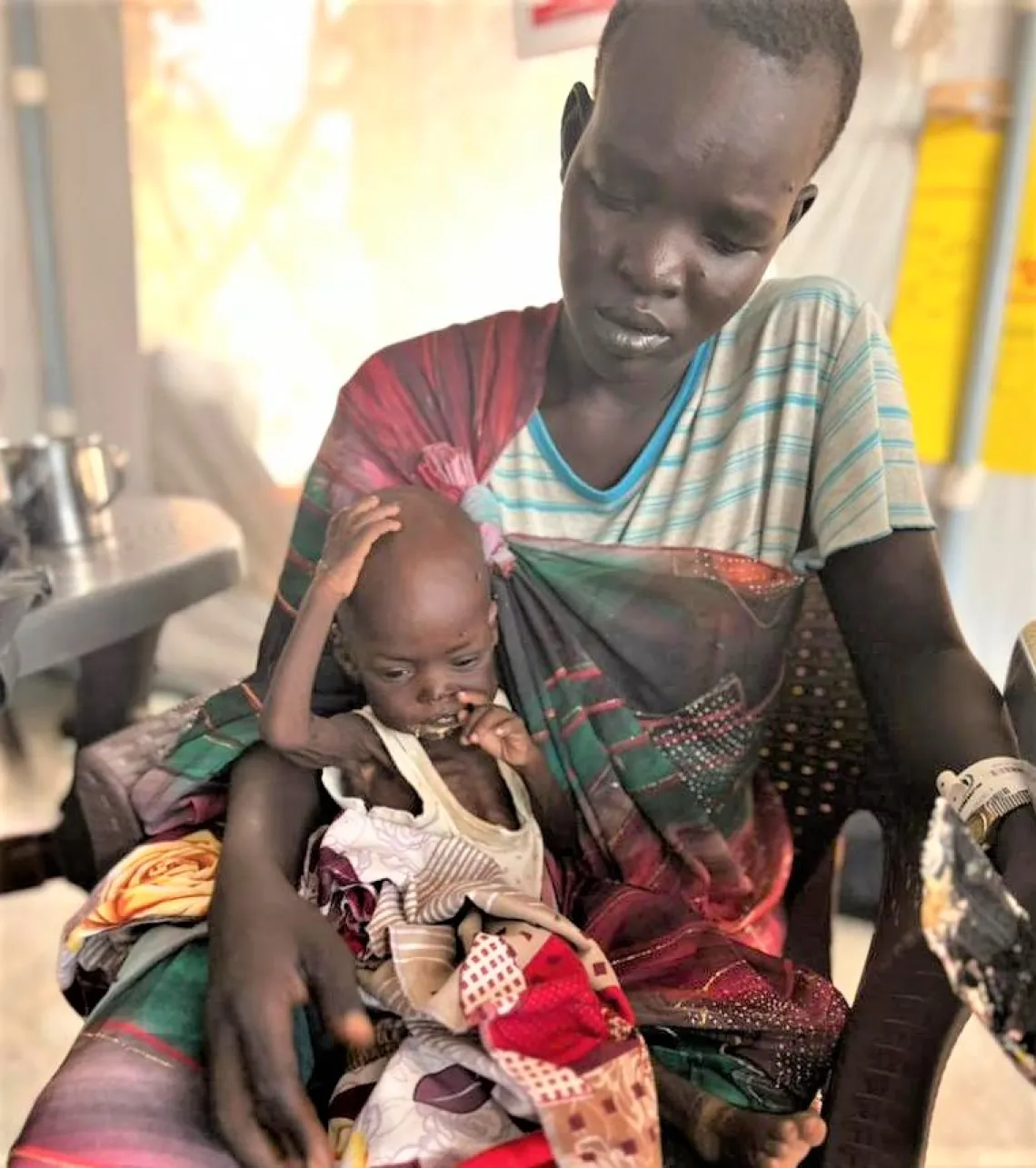
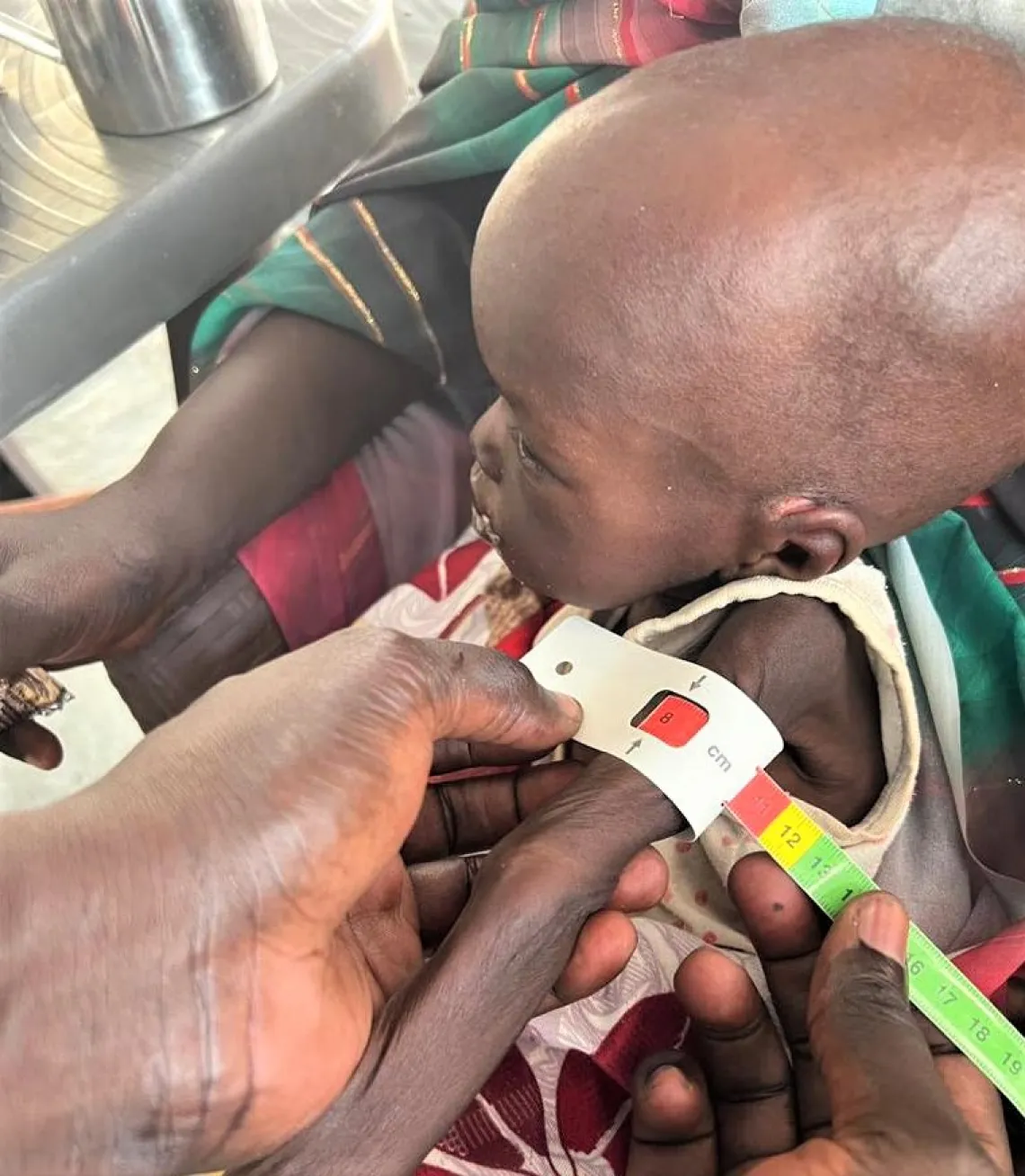
During their time in the border camp, Kamisa’s fragile health deteriorated rapidly. She became severely malnourished, her weight dropped and she wasted to an alarming level. Her Mid-Upper Arm Circumference (MUAC) malnutrition measurement was just 8 centimeters, showing the severity of her condition. Yumjima, a loving and determined mother, almost lost all hope.
We stayed in Halagia for two months, I thought the situation would improve but it was getting worse every day.
My baby’s situation was deteriorating daily, and I decided to come home (to South Sudan) so that I can at least bury my baby in my home country,” said Yumjima, holding back tears.
She reached the border point and was immediately referred to a UNICEF-supported nutrition site in Renk Hospital where she was admitted.
UNICEF South Sudan/ Abraham Daljang Maker
UNICEF South Sudan/ Abraham Daljang Maker
Here, Kamisa received urgent medical attention and specialized healthcare she desperately needed.
She was provided with ready-to-use therapeutic food (RUTF), regular health check-ups, and supportive care.
But Yumjima felt she had to leave the hospital to care for her 3-year-old son who was under the care of a neighbour at the congested and overcrowded Renk transit center. After two days out of the hospital, Kamisa’s situation deteriorated again, but was able to be screened and treated at another UNICEF-supported mobile Nutrition/Health facility within the transit center and quickly referred back to the hospital.
Although my baby’s situation is still dire, I am happy that she can receive the support and can now eat.
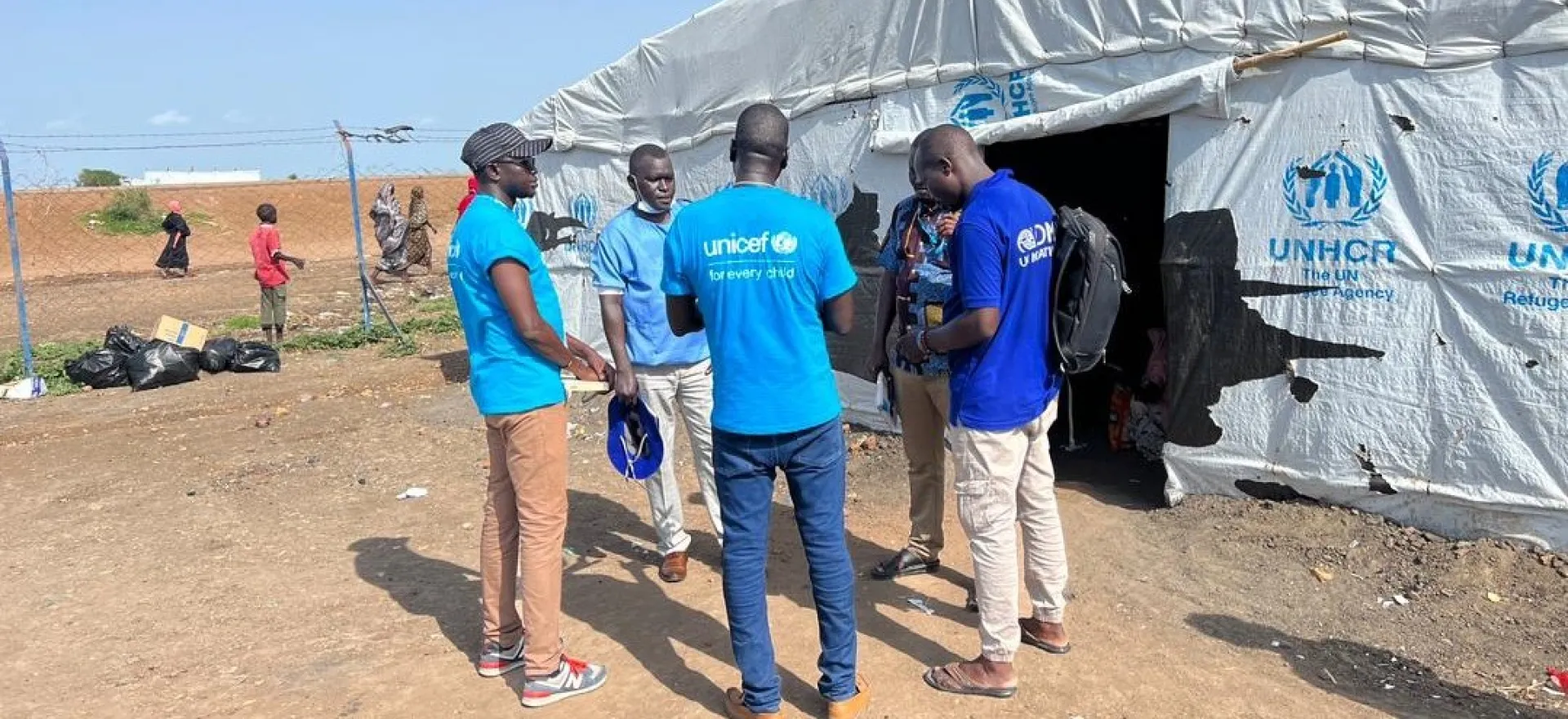
UNICEF and partner GOAL are running the mobile nutrition center at the Renk transit site where hundreds of children are being screened, treated, or referred to the hospital’s stabilization center for the most severe cases like Kamisa.
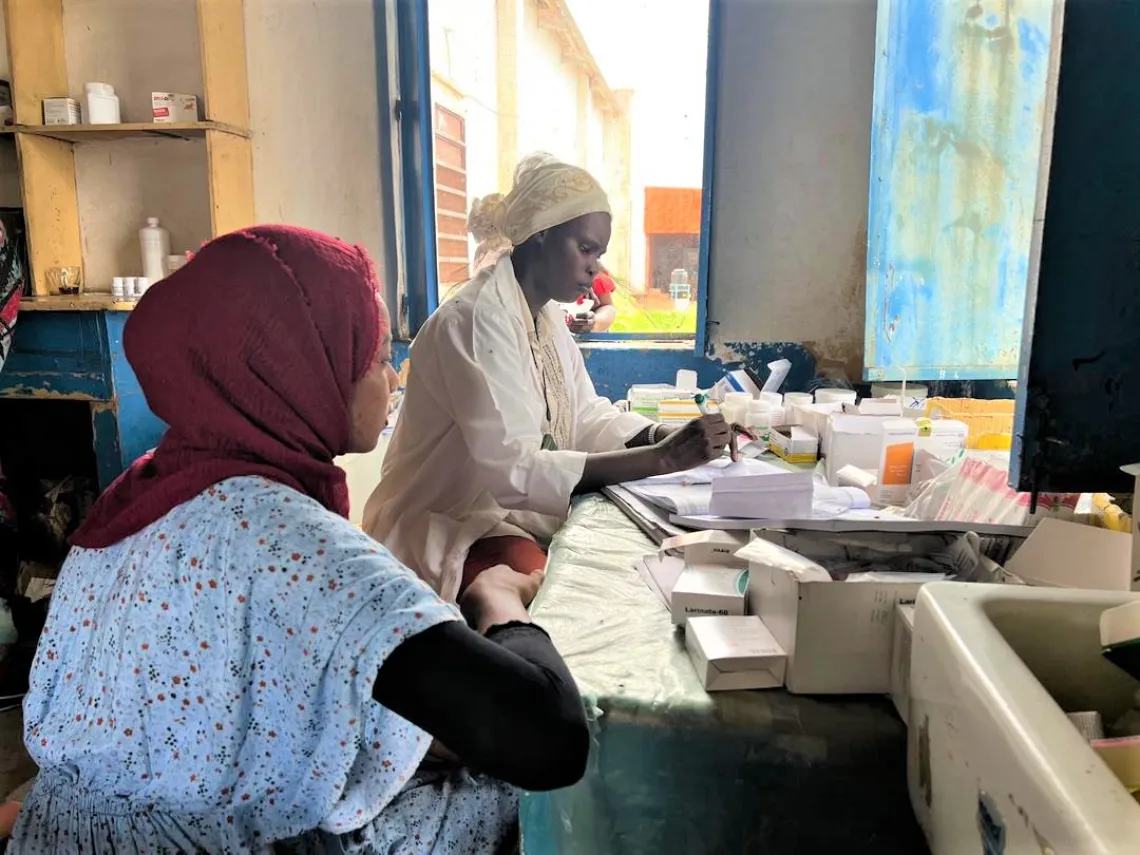
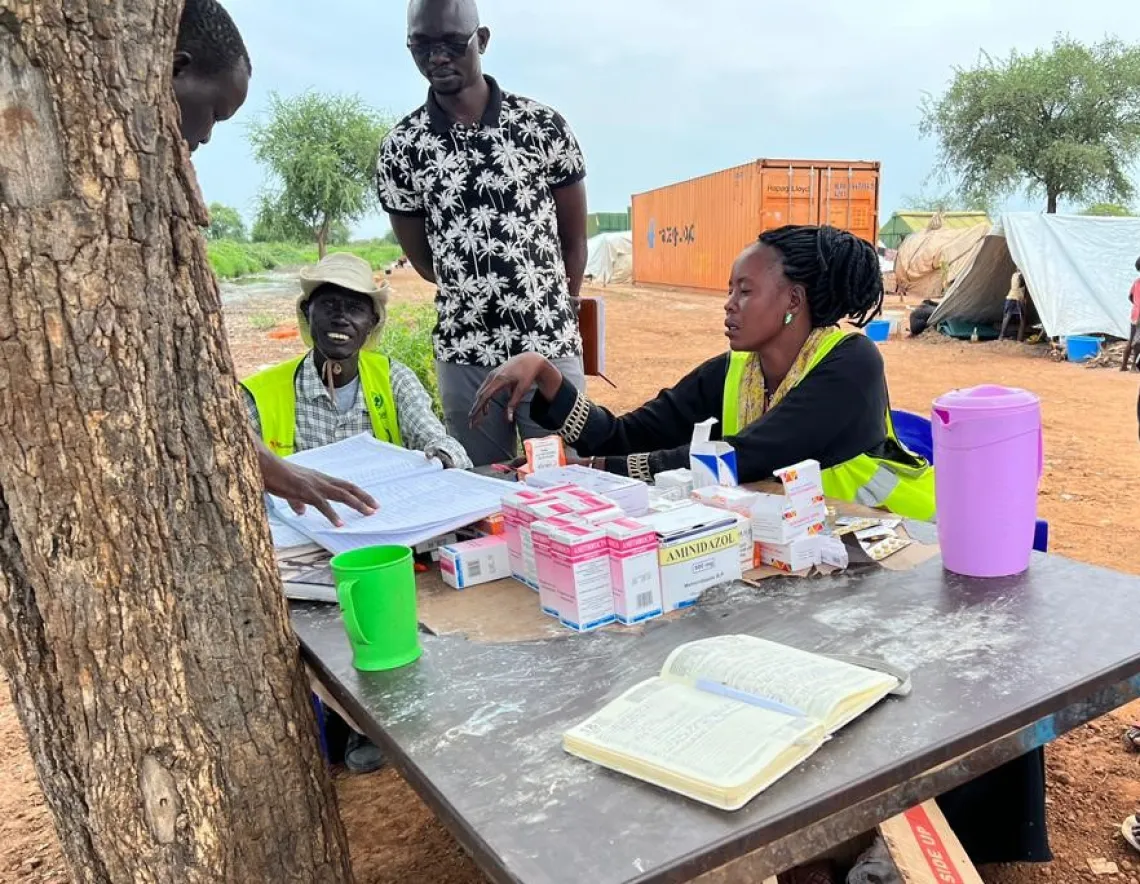
Otto Stephen, a nutrition worker in the Hospital explained to Yumjima the importance of remaining at the Hospital’s stabilization center (SC) so that her baby can recover well.
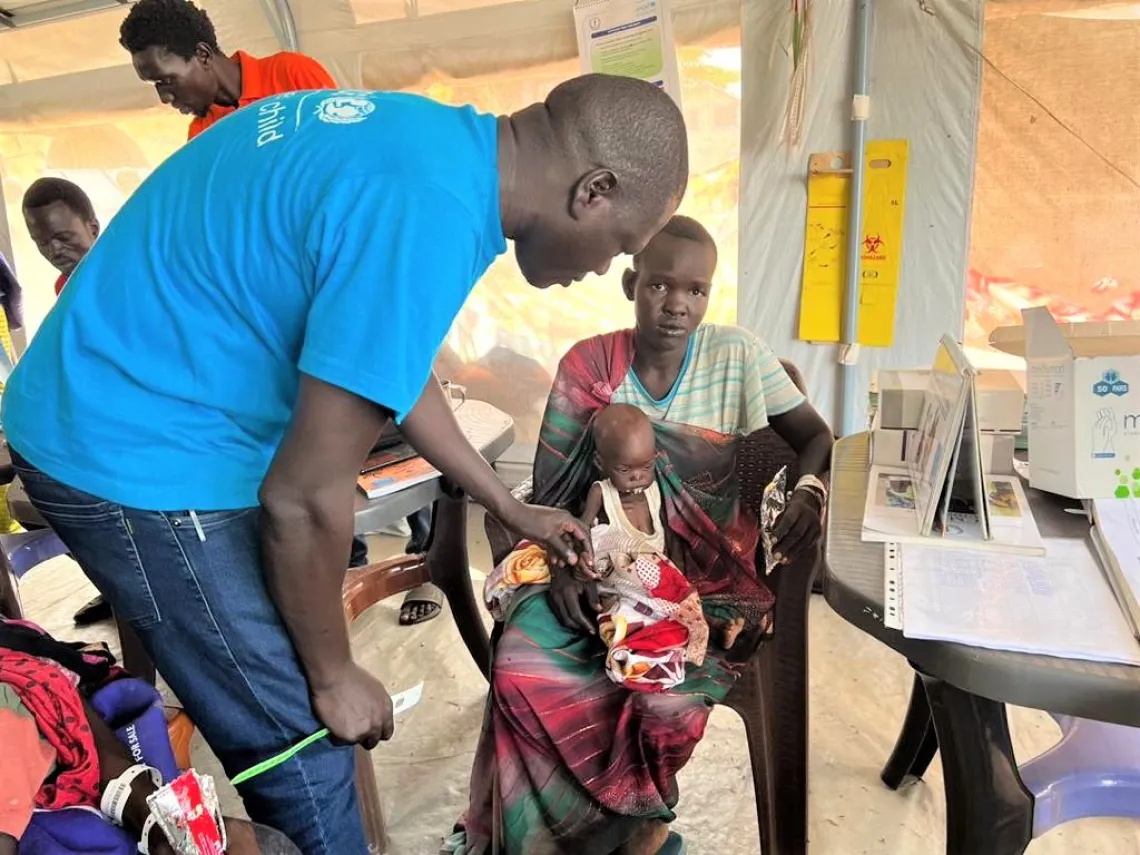
Cases of mothers leaving the stabilization center have been happening, but the child has appetite and she would have improved if she had remained here
After such challenging journeys and traumatic experiences, mothers such as Yumjima had to make life-and-death decisions to care for all her children, despite Kamisa’s deteriorating health.
The nutrition sites at the Transit site and in the Hospital have become a haven for mothers and children like Kamisa. They receive not only physical nourishment but also emotional support through counselling to recover and try and rebuild their lives.
Kamisa’s health deteriorates further
Yumjima was met by UNICEF and partners after she discharged herself and Kamisa for a second time, a few days after the initial ordeal. “I am haunted by the guilt of leaving my three-year-old son behind, alone and uncared for, in the transit centre,” she said.
Kamisa’s health further deteriorated after being away from appropriate care.
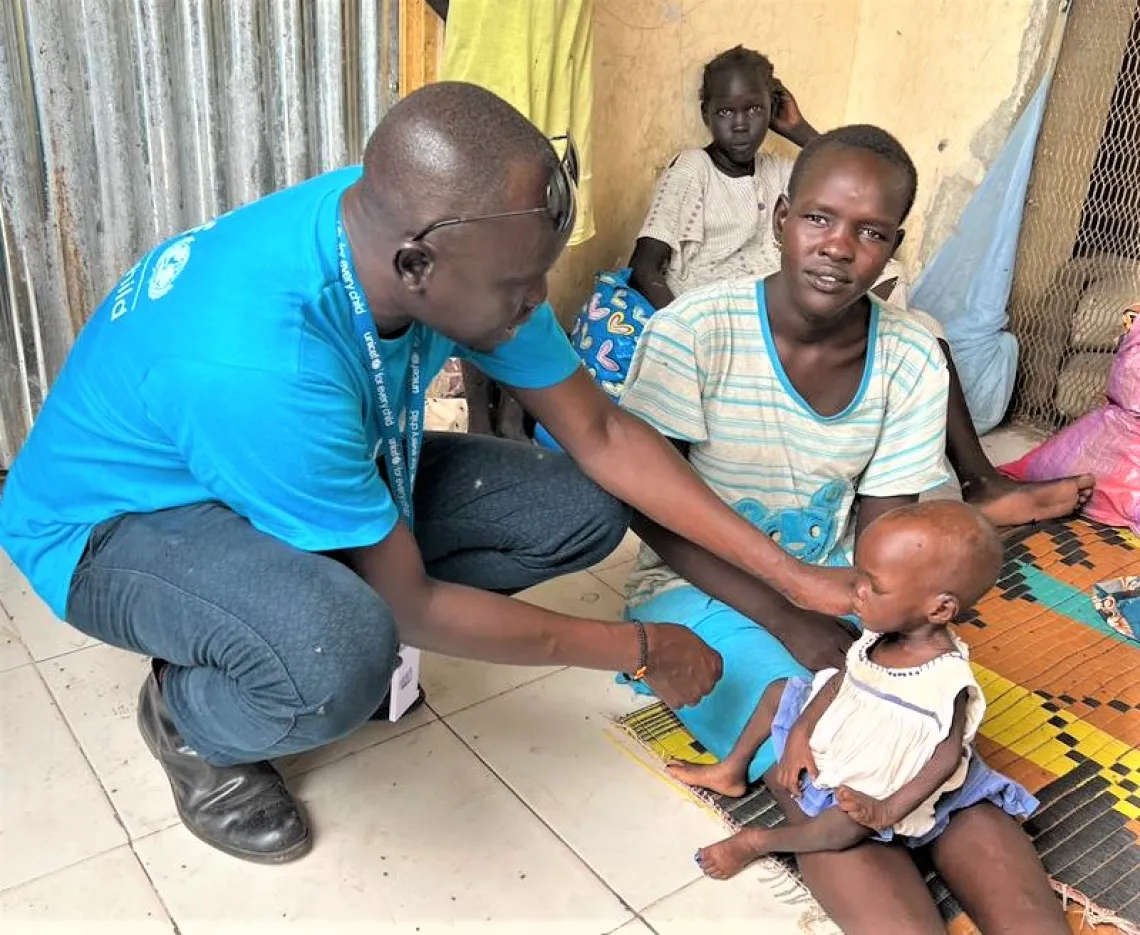
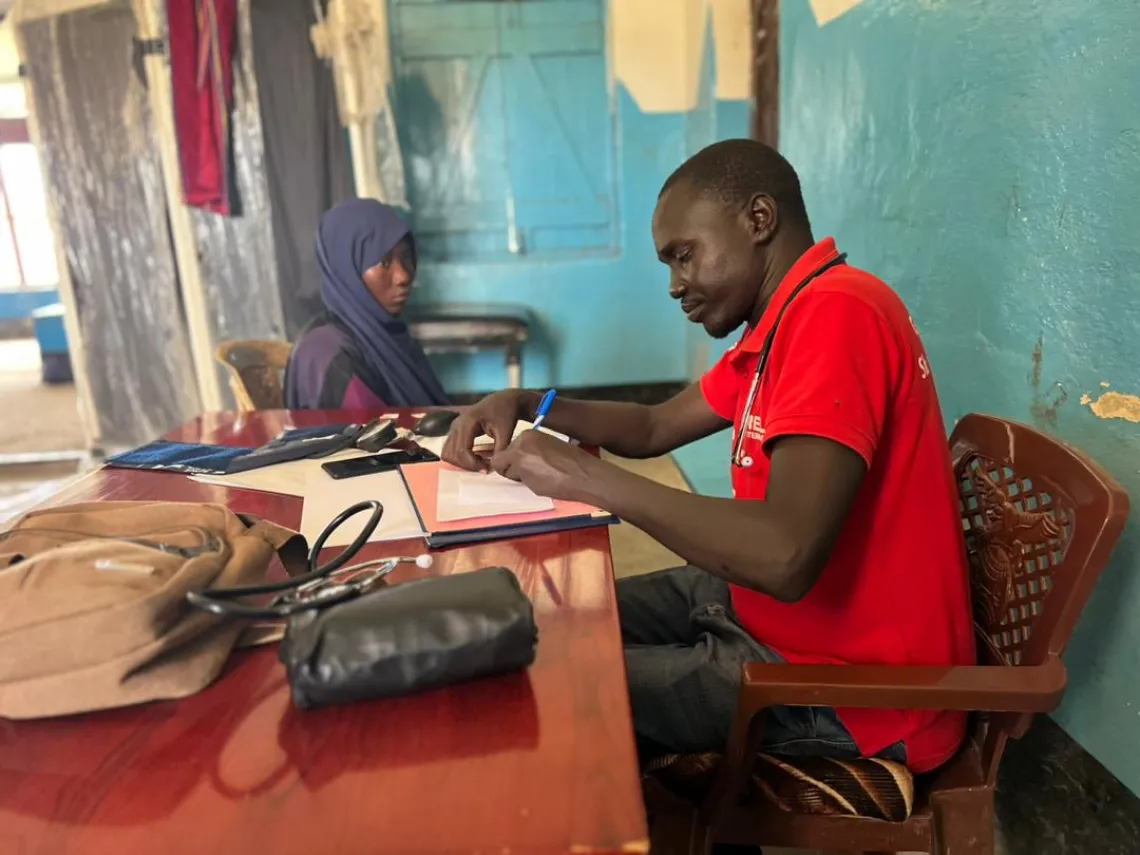
Dr. Deng Juac, from Renk Hospital, said that many mothers, like Yumjima, find themselves torn between the bedside of one child and the uncertain fate of others they have to leave elsewhere. “The burden is immense, the choices unbearable, but we strive to do our best to ensure that mothers complete the treatment of their children. Until today, I have witnessed the struggles of countless mothers, parking their things and leaving the hospital despite our plee’s to let them remain in the hospital,” he said.
UNICEF South Sudan/ Abraham Daljang Maker
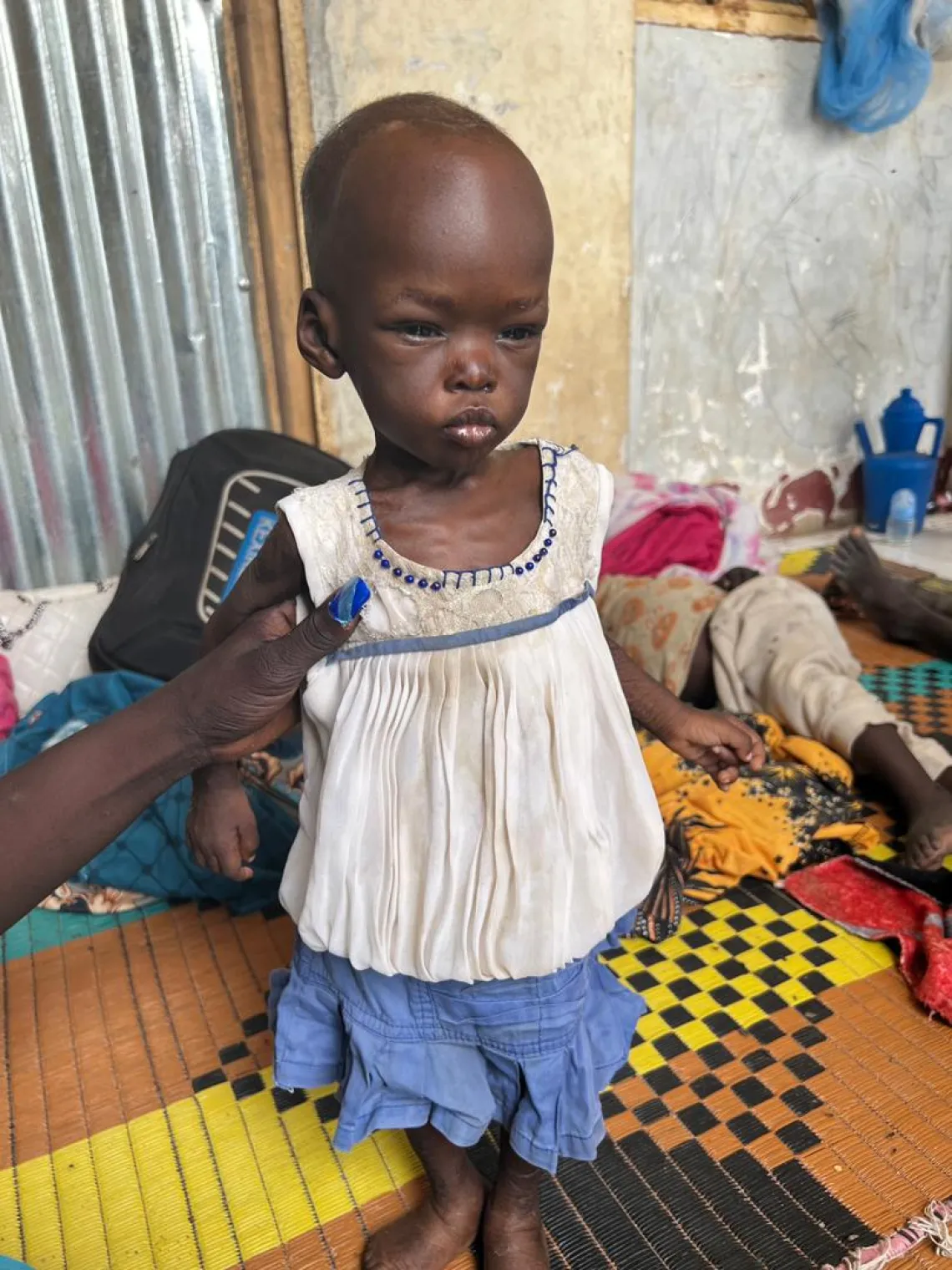
UNICEF South Sudan/ Abraham Daljang Maker
Ultimately, Yumjima needs to return to Juba, where she has family.
"In the depths of desperation, I yearn to reunite in Juba and meet with my parents and husband so that my child gets better treatment in Juba. But as the days pass, my hope battles against despair, wondering if I'll ever hold them both in my arms again." Yumjima added.
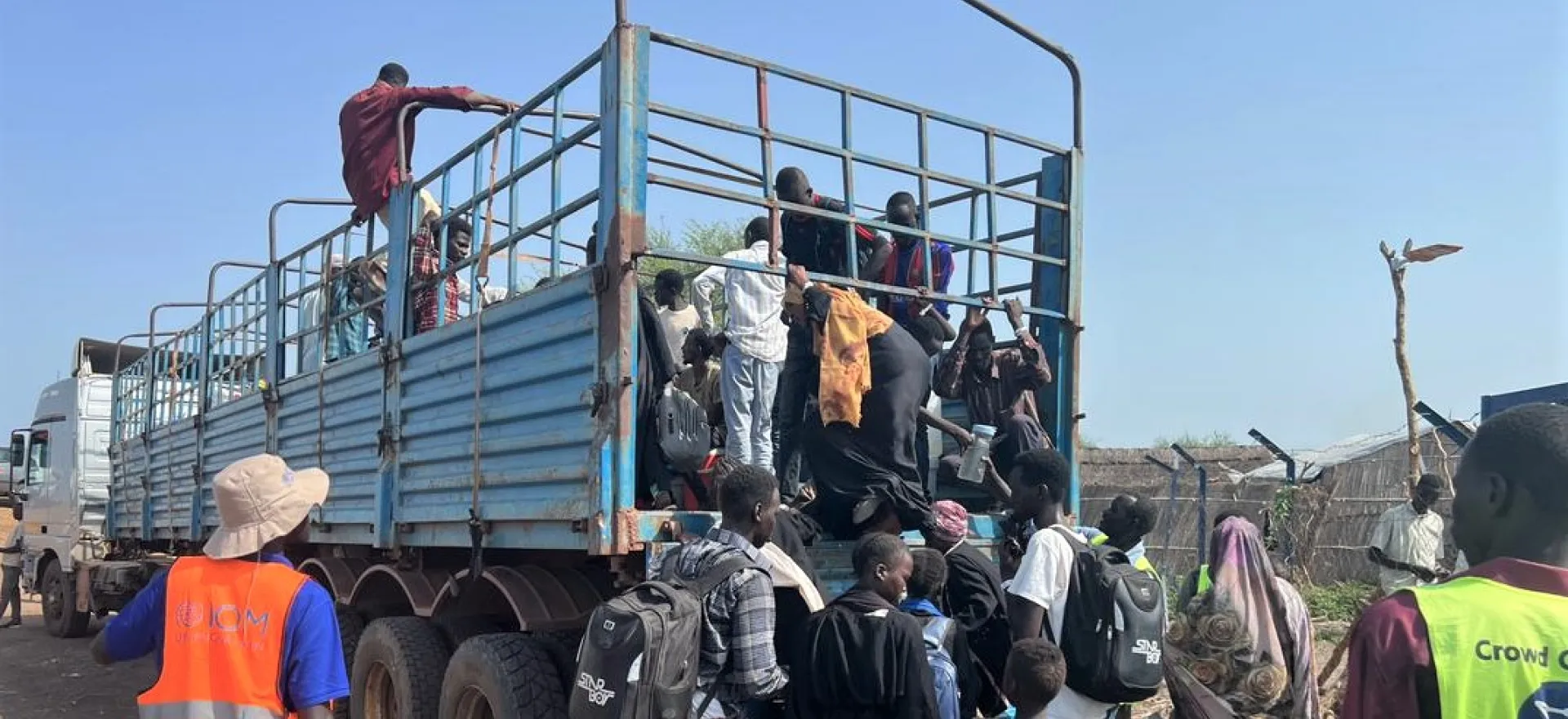
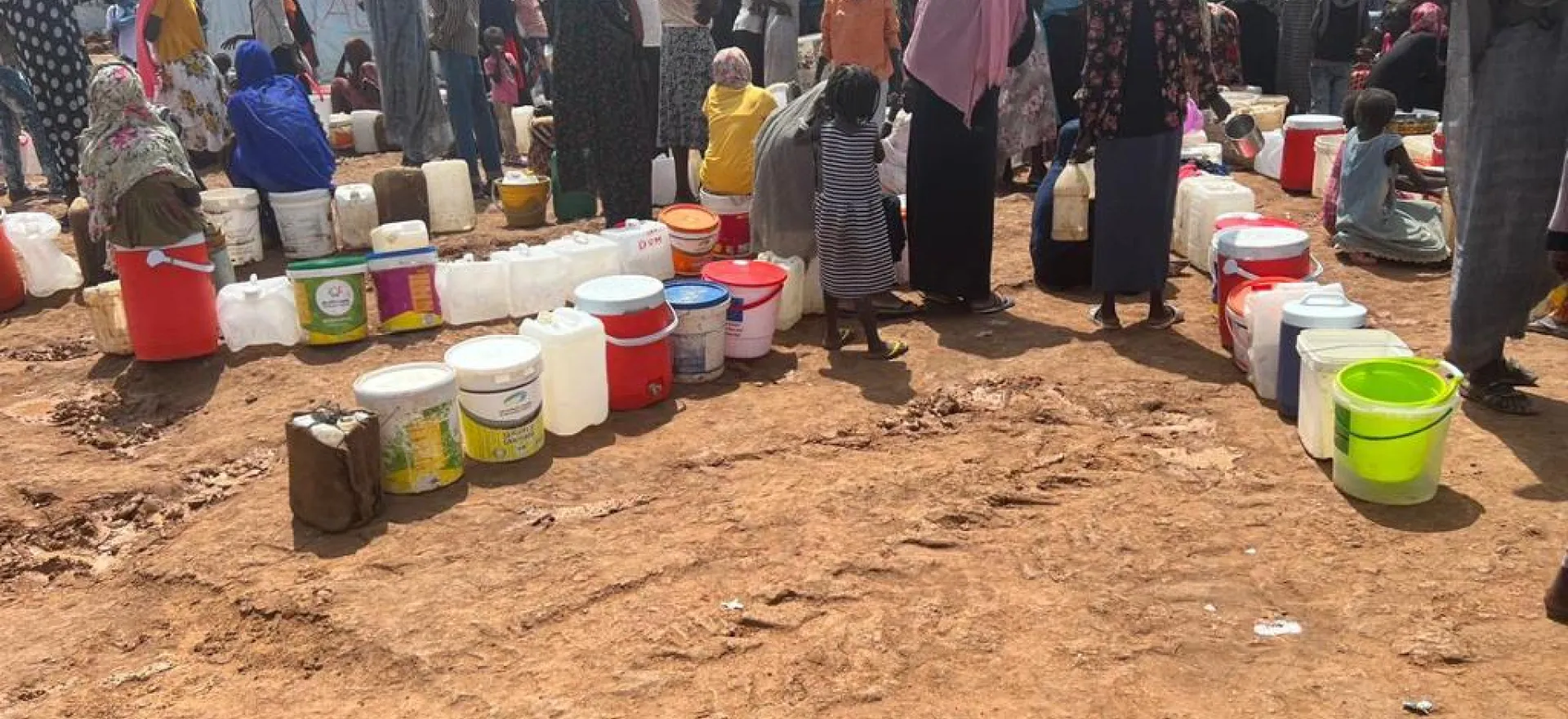
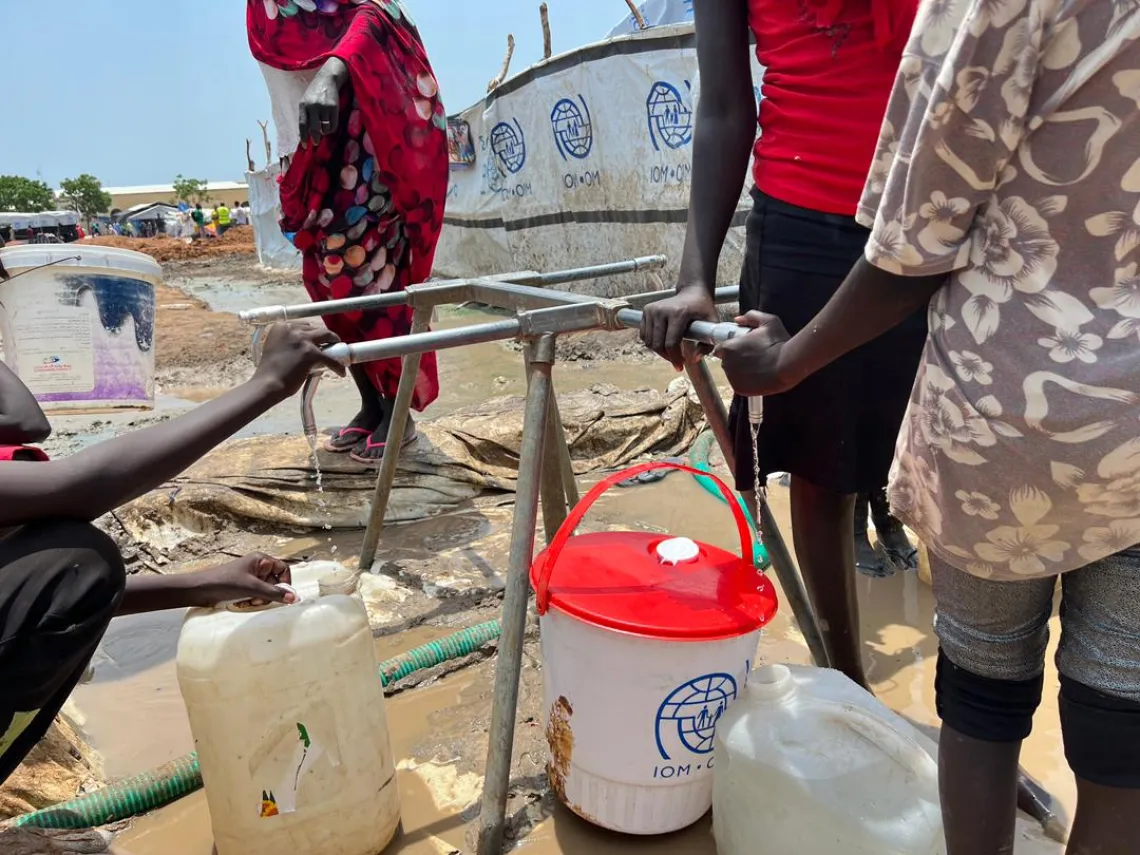
Kamisa’s story is just one of the thousands being witnessed as the Sudan conflict continues. Hundreds of thousands, mostly women and children, are displaced and fleeing to bordering countries such as South Sudan, Chad, and Egypt. In the Renk transit camp, which serves as a temporary location for displaced families, thousands of people are requiring support in challenging conditions.
UNICEF South Sudan/ Abraham Daljang Maker
UNICEF South Sudan/ Abraham Daljang Maker
Water, sanitation, shelter, and basic commodities are a challenge for humanitarian agencies to provide for the increasing number of arrivals, adding to the prevalence of disease and malnutrition.
Despite continued efforts to scale up the response, partners need further resources to support the arrivals as well as continue to help move people on to their home regions. This is against the backdrop of an existing humanitarian crisis in the northern regions of South Sudan where internal conflict and floods have displaced hundreds of thousands of people.
Through maintained efforts and support of UNICEF, UN Agencies and the many partners children and families affected by the Sudan crisis can cling on to hope and a chance at a better future.