Separated by conflict, struggling with malnutrition
Clashes in Jonglei have displaced thousands. UNICEF and partners are responding to urgent health, nutrition, and protection needs.
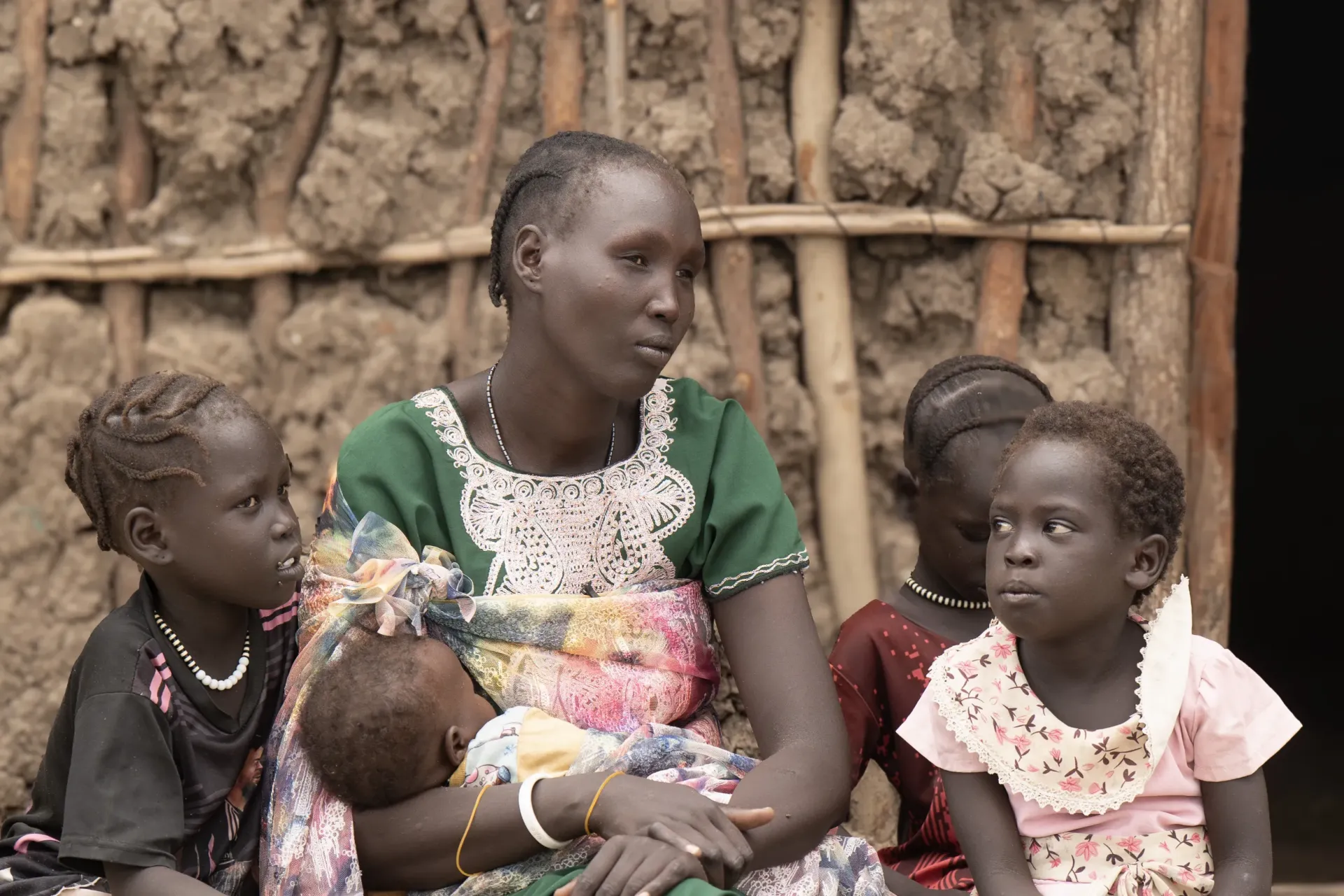
Yang Chol, 40, had no time to gather her belongings when fierce fighting and aerial bombardments hit her hometown of Lankien in Nyirol Couty, Jonglei State in central South Sudan. She gathered up her four daughters and accompanied by two uncles fled the town with hundreds of other residents. Fearing for their lives they headed to what they believed were safer towns, but disaster struck on the way.
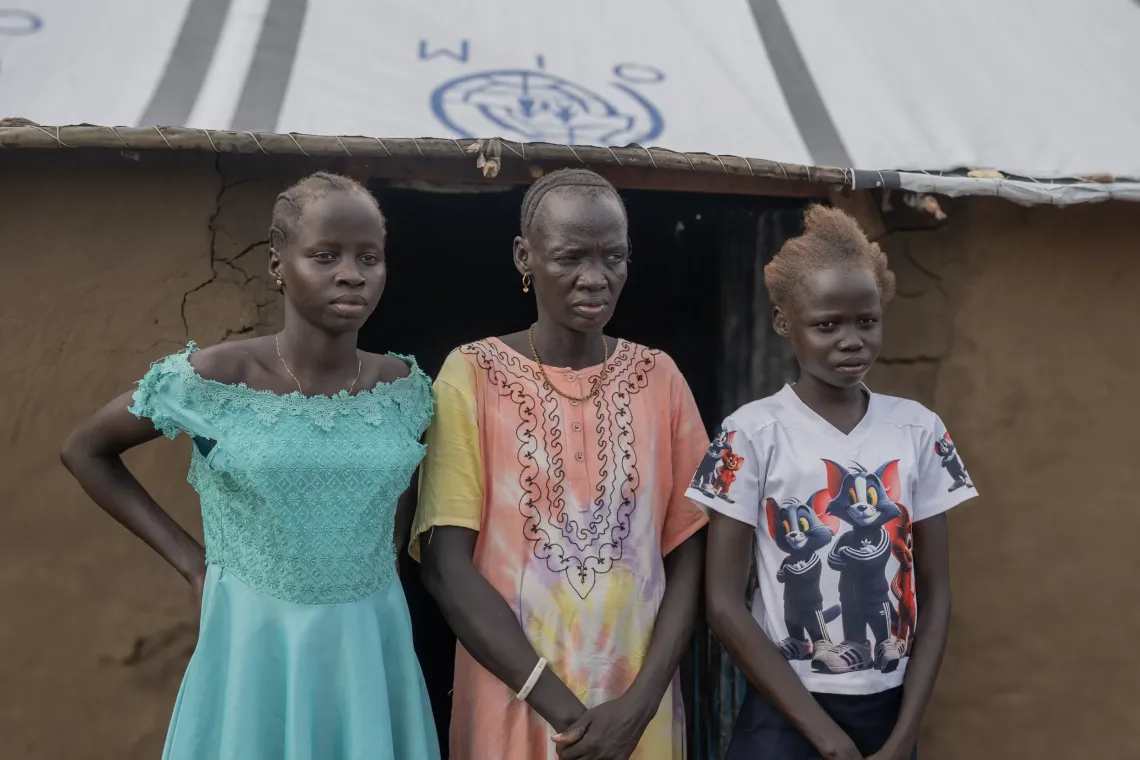
As we were fleeing from the fighting and aerial attacks, we were ambushed by gangs, and I got separated from my two youngest daughters. They are just 9 and 6 years. I didn’t see where they went and I didn’t see them harmed. I have had no news since, and I don’t know where they are. I am desperate to find my girls again
Across Jonglei state there has been fierce clashes between government (IG) and opposition (IO) forces leaving almost 300,000 people displaced and desperate. Reports of child abductions and separation from parents across the areas affected by conflict are widespread. As of April 2026 over 500 children have been registered as unaccompanied across Jonglei state and this is likely to be a fraction of the wider problem.
UNICEF working with other local and international NGOs is following up every case of an unaccompanied child, painstakingly trying to trace parents or relatives so they can be reunited. UNICEF and partners continue to trace the daughters of Yang Chol.
Nyageme, 38, is now in Bor town after fleeing fighting in Motot in Uror county, with her five children.
“The fighting in Motot was very severe, so I grabbed my children and ran, along with two brothers of my husband. Sadly, those two uncles were killed along the way. It was very frightening – I saw a pregnant woman die after being hit by a fast vehicle. We paused at Pajut, but then the fighting caught up with us there. So, we ran on to Poktap and then finally to Bor town. It took twenty days on foot, with very little food. The children were exhausted, but at least we all made it, and managed to meet up with my husband here,” retold Nyageme, visibly relieved they had all survived the ordeal.
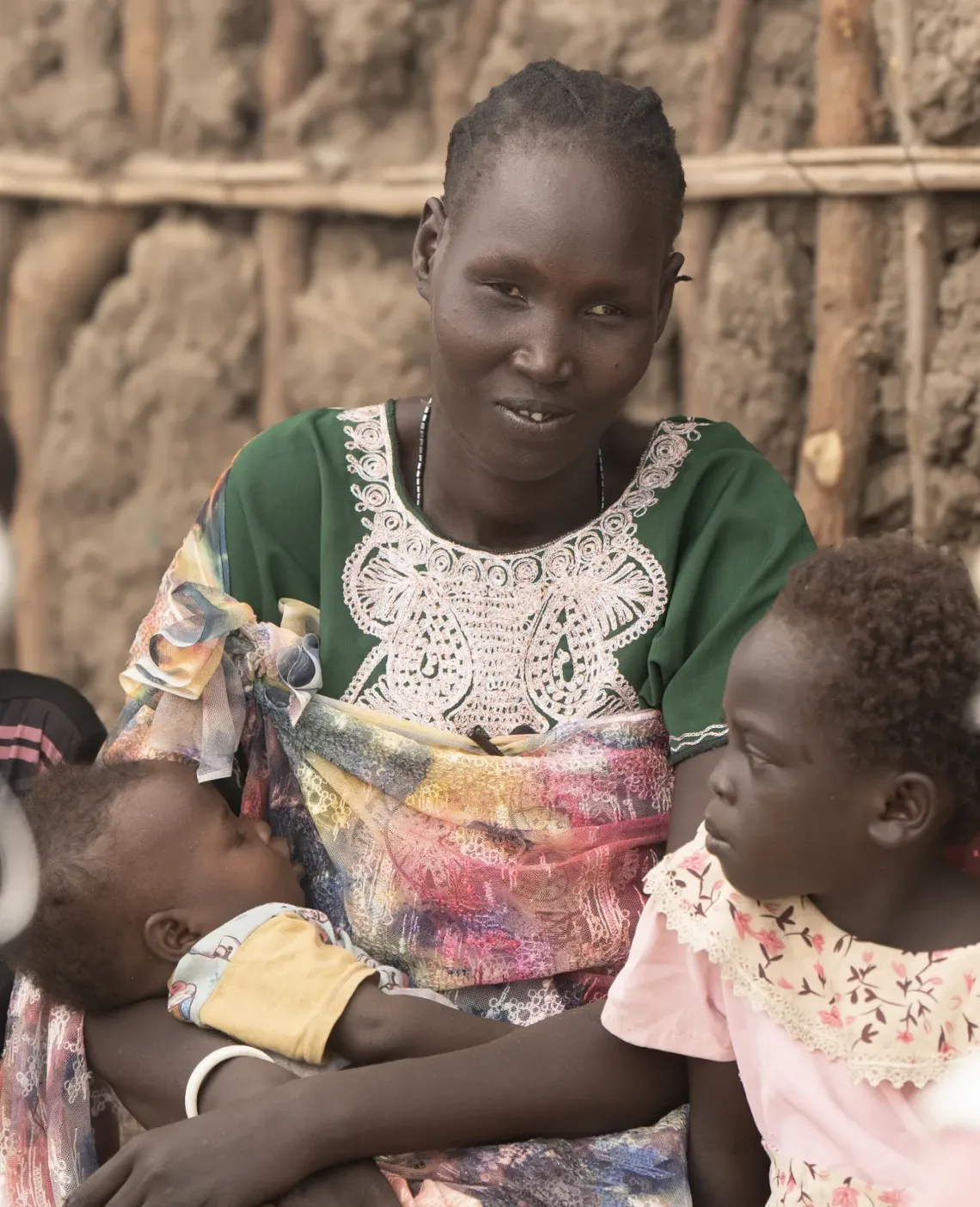
We are glad we all made it to safety, but life is hard here, with little food, and limited supplies of clean water.
UNICEF is scaling up its emergency response to address the current conflict and resultant crisis with displaced populations in high need of food, shelter and health services and clean water. The dangerous and unstable situation is also creating a high risk environment for young women and children across the state. Monitoring on the ground is revealing grave child rights violations are on the rise. Girls and women report being subjected to sexual violence including rape and abduction. Boys report being recruited into groups and armed forces to train and fight on the frontline.
As well as protection risks there is a critical health and nutrition situation. Mass displacement leaves families without access to food, safe water and health services with the most vulnerable at risk of malnutrition and diseases. A recent report on nutrition and food security found that four counties in Jonglei are at the most critical levels of risk for acute malnutrition.
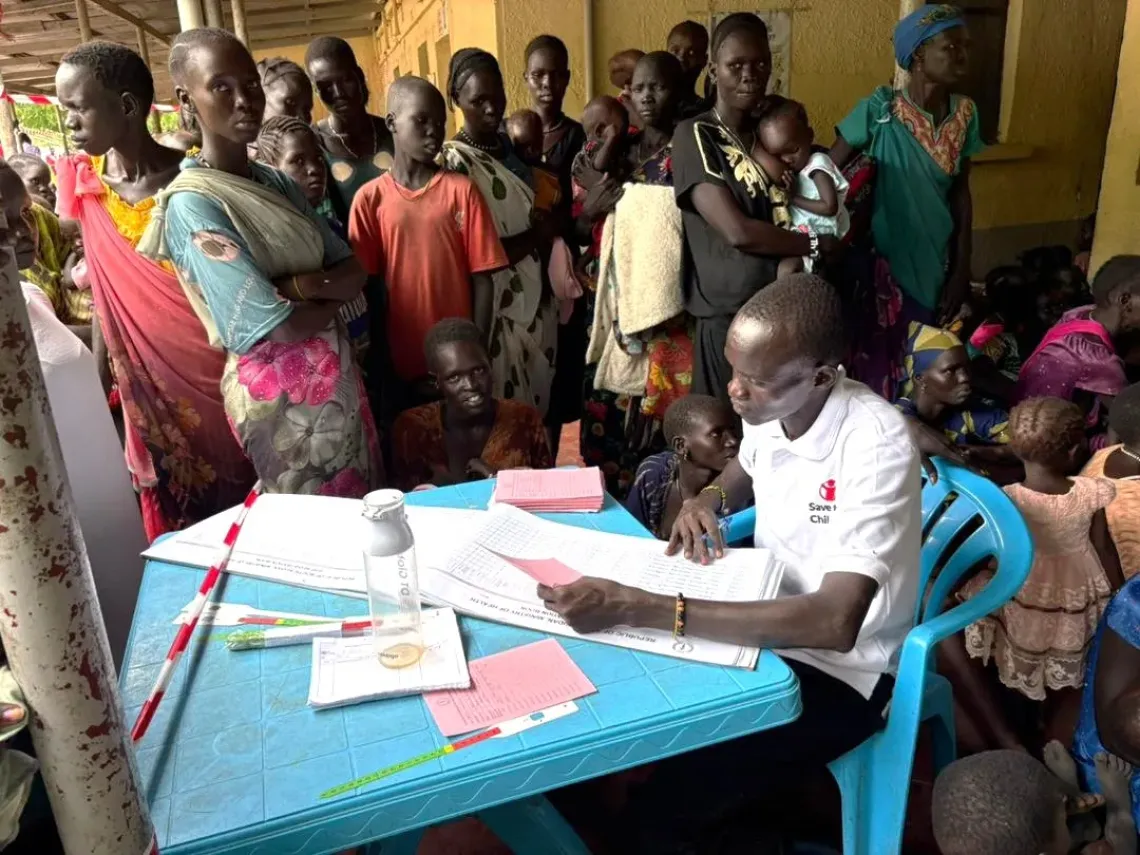
From early May, an ongoing UNICEF rapid response mission in Akobo county has revealed the depth of the crisis with many children suffering from severe acute malnutrition, after being displaced for many weeks without access to food, water or health and nutrition services. Sadly, children have already succumbed to their sickness.
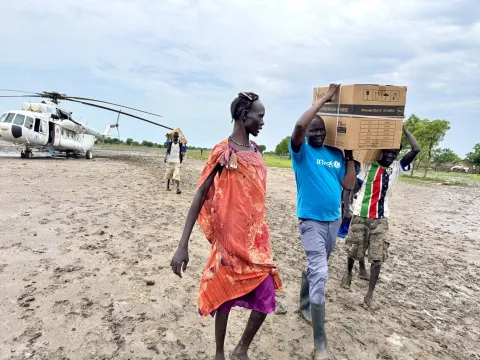
UNICEF is rapidly scaling up response efforts and are on the ground across South Sudan and intensively in Jonglei state distributing supplies, delivering services and recording the stories and testimonies of those most affected by the current conflict.
In addition, UNICEF is advocating with all parties to allow safe, unimpeded access to all affected populations, regardless of their location.