Aweil Hospital: A lifeline for over a million vulnerable population
How the Health Sector Transformation Project is saving lives amidst a struggling health system
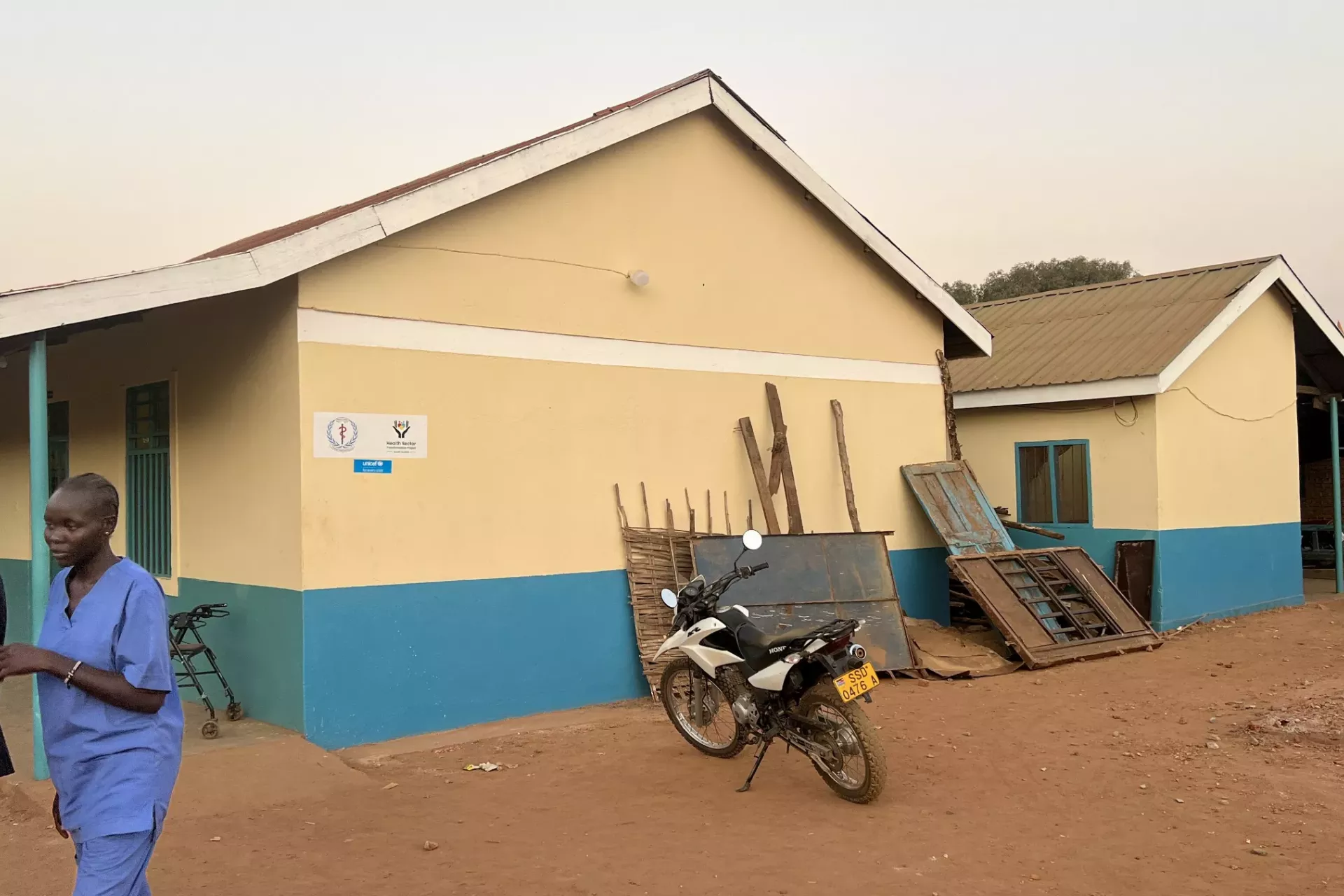
In the quiet town of Aweil, Northern Bahr el Ghazal State, the presence of Aweil Hospital stands as a pillar of hope amidst South Sudan's fragile health system. Managed by UNICEF’s partner, the Malaria Consortium, this hospital is not only saving lives but also restoring dignity to people who had long suffered in silence.
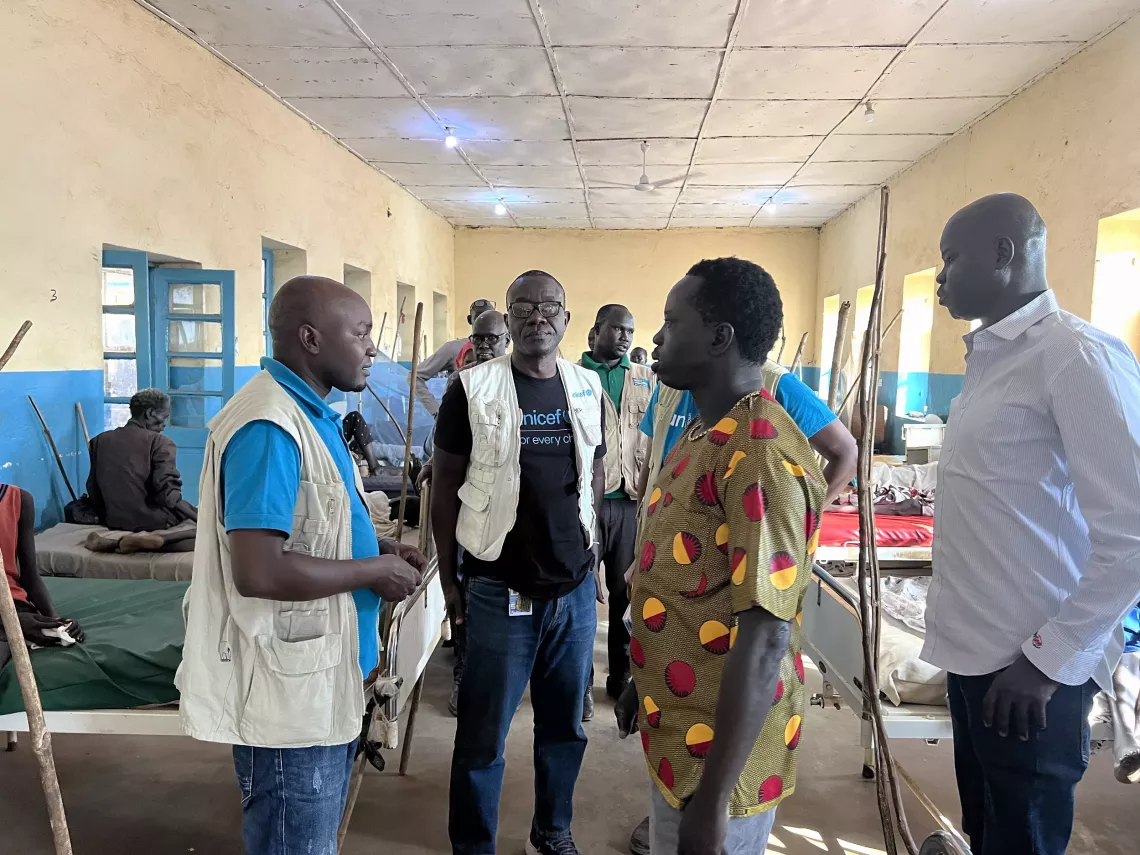
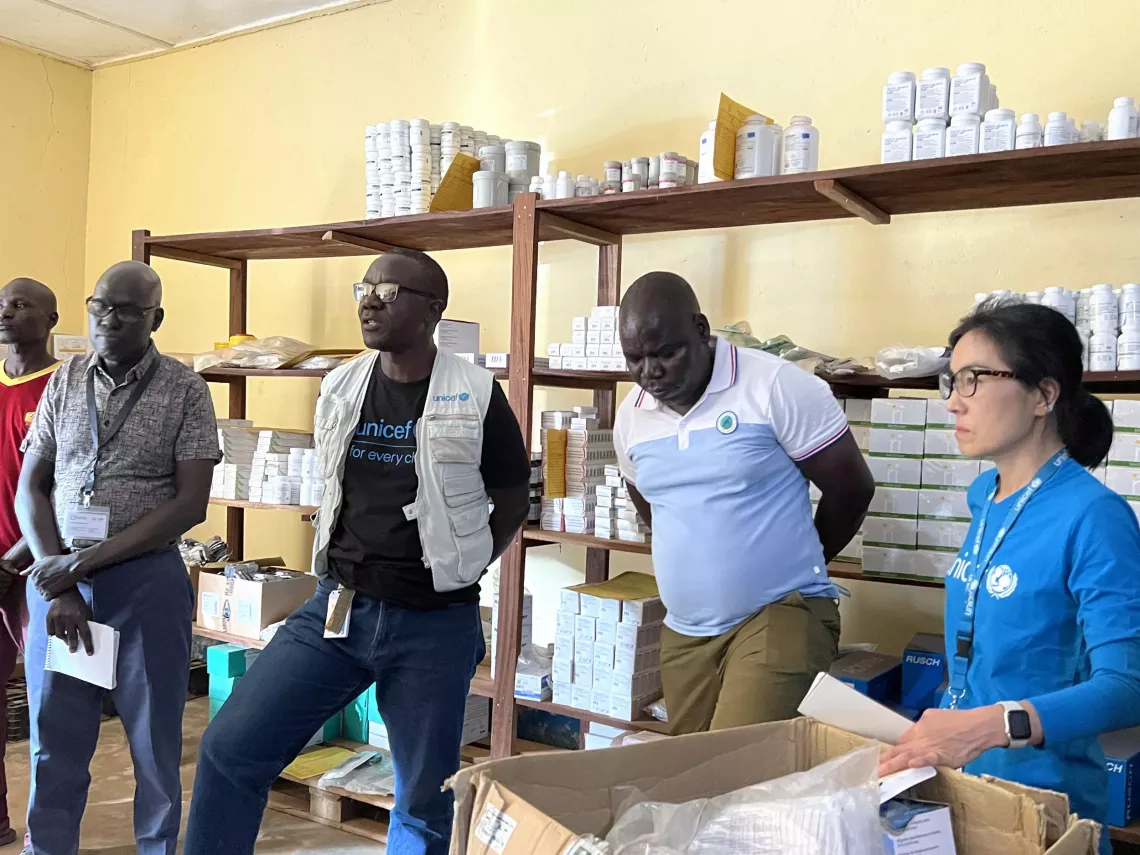
Yet, behind the walls of its recovery wards and operating theaters lies a sobering story of resilience, demand, and a health sector still grappling with immense challenges. For decades, South Sudan's health system has been chronically underfunded, plagued by inadequate infrastructure, medical supplies, and trained personnel.
In a country where more than half the population lacks access to essential healthcare services, the absence of support left Aweil's families vulnerable. But now, thanks to the Health Sector Transformation Project (HSTP), hope has returned to the halls of Aweil Hospital.
In the surgical ward, Anyar Anyar, a 45-year-old father of four, recalls the day that could have ended his life. “Weeks ago, I went to cut wood for charcoal in Malekalel,” he begins, his voice carrying the weight of the memory. “As I was cutting a tree, it fell on my thigh. I was bleeding badly, and the people around me rushed to call a motorbike to bring me here.”
For Anyar, Aweil Hospital was his lifeline. An X-ray revealed his femur was broken, and the medical team wasted no time.
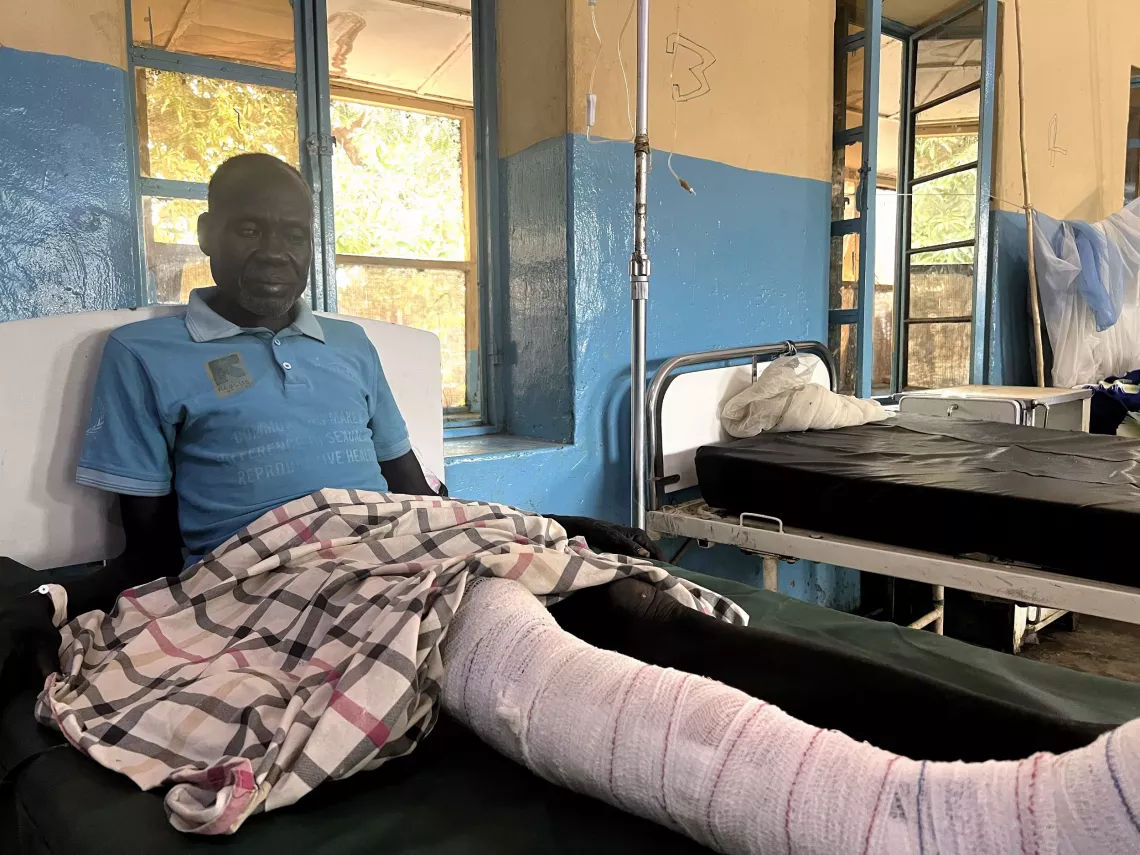
Immediately, I was taken for an operation, and that is what saved my life. If this hospital wasn’t here, I wouldn’t be alive. I know in those days; they would have used local methods that wouldn’t have worked.
Today, Anyar can walk again, a testament to modern healthcare.
In another ward, Rose Adhel Yel, a mother of seven, sits by her 14-year-old daughter Ayuen Malong. Just weeks ago, Ayuen's body was so swollen that walking or even sitting was unbearable. Desperation led the family to several local clinics, none of which could help. “When we arrived here, we were welcomed,” Rose says with relief. “The doctor said she had wetness. Now, she is recovering.” Beside her, Ayuen smiles weakly, the swelling now almost gone.
The pain I had days ago has reduced. I can’t wait to be discharged so I can go home and play with my siblings.
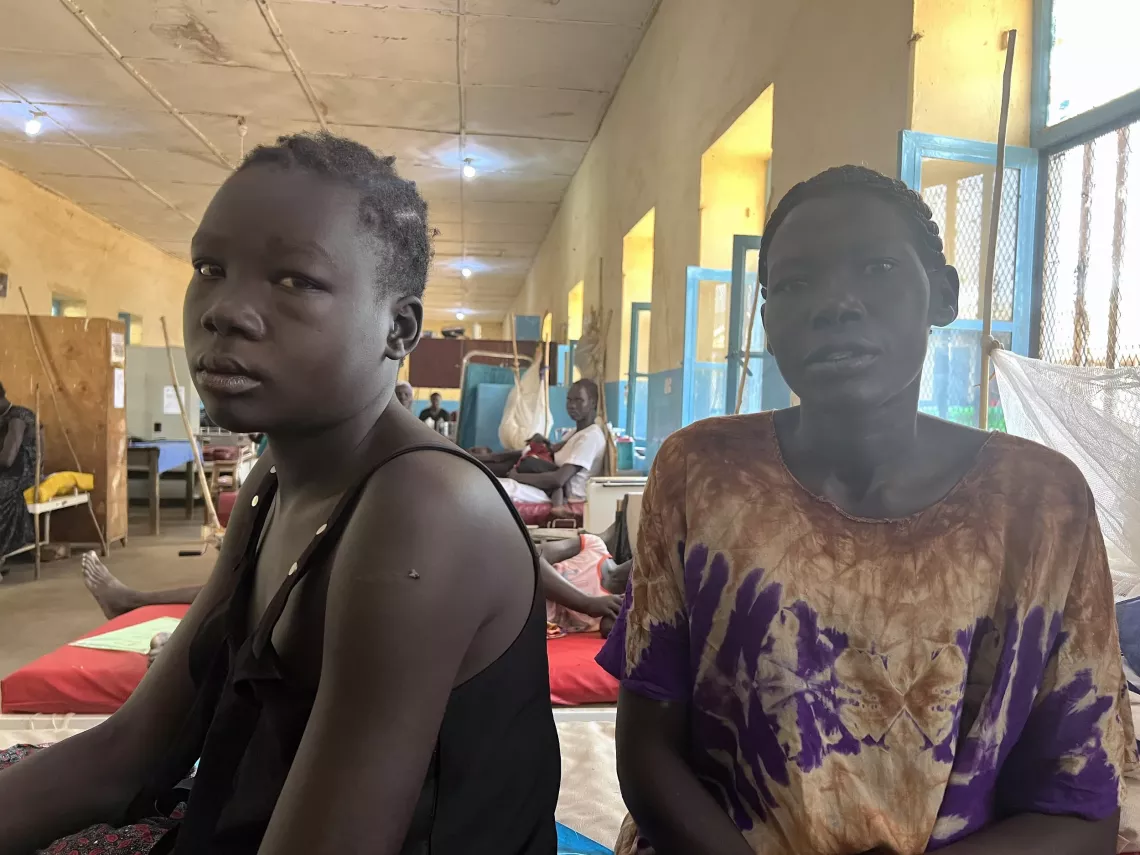
For families like Rose’s, Aweil Hospital backed by the Health Sector Transformation Project (HSTP) is more than a healthcare facility. It is where fear turns into relief, and despair gives way to hope.
A Strained System Trying to Cope
The demand for services at Aweil Hospital highlights the severity of South Sudan's healthcare crisis. Dr. Akol Marial Akech, the hospital’s Medical Director, oversees a facility that serves more than one million people, including those fleeing the ongoing crisis in Sudan. "We receive between 300 and 500 patients daily for consultations alone," he explains.
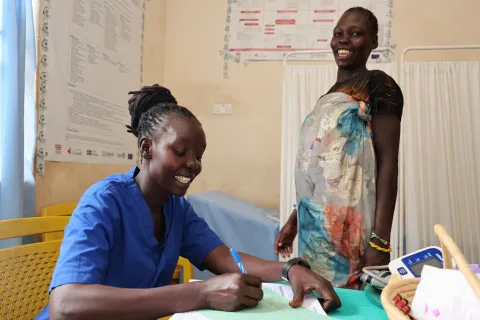
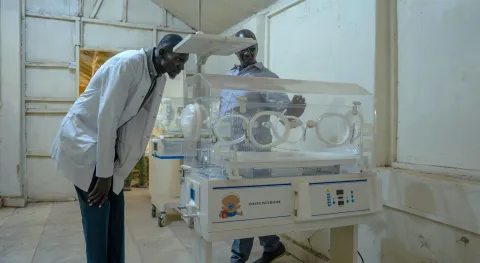
From pediatrics to emergency care, the hospital’s departments are stretched thin, staffed by 237 personnel, including 108 supported under the HSTP.
When the first consignment of medicines arrived in August 2024, the impact was immediate.
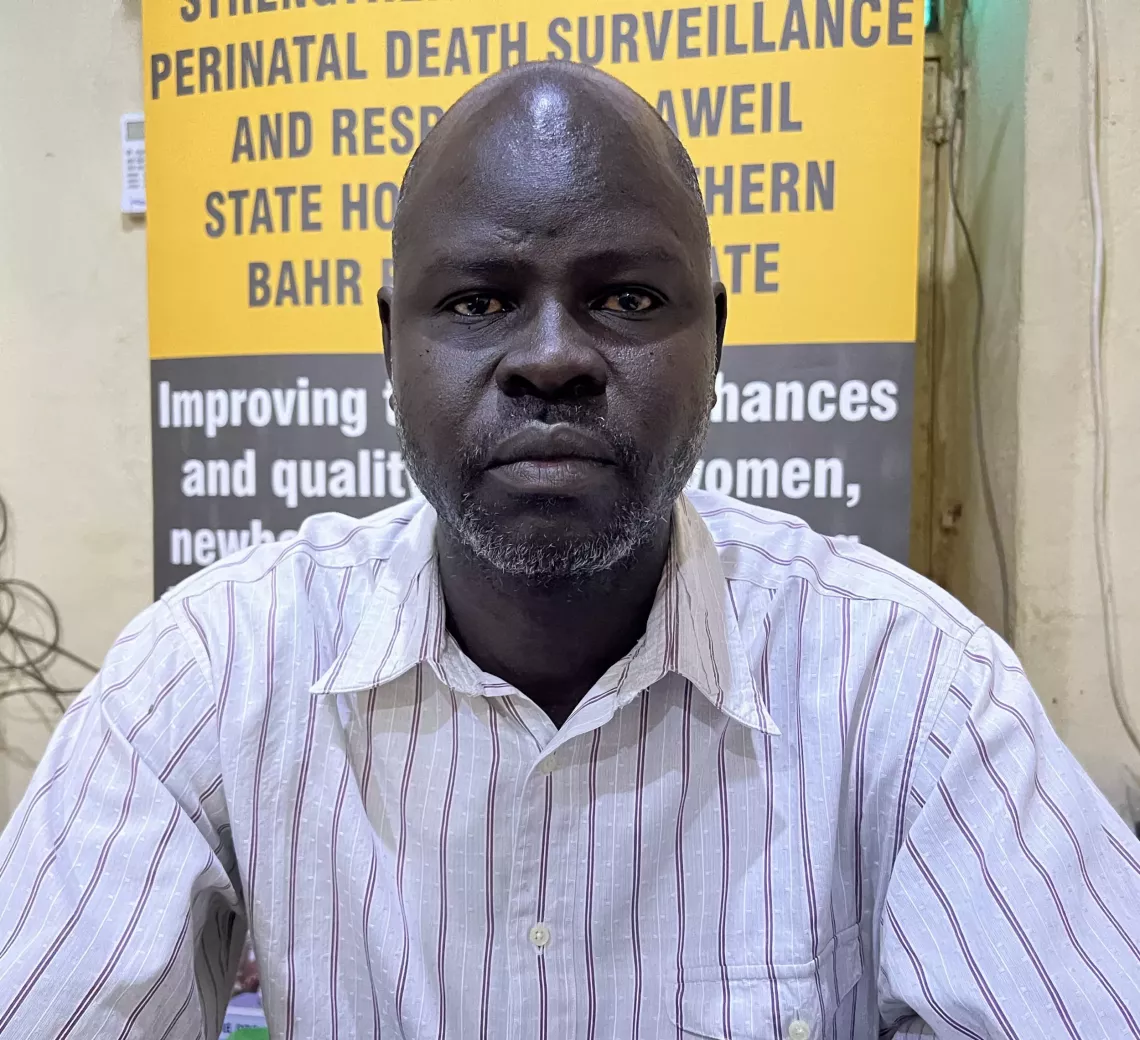
The number of patients coming to the hospital increased significantly. Within a month and a half, the drugs were finished because the demand was so high. Aweil town without this hospital would be disastrous.
“That is why it is important for South Sudan to prioritize health and invest in it so that donors are encouraged to do more.” Dr. Akol stresses.
Why the Health Sector Transformation Project Matters
The Health Sector Transformation Project is a much-needed intervention, bringing life-saving resources to facilities on the brink of collapse. Its focus on improving infrastructure, ensuring consistent medical supplies, and supporting healthcare staff is already making a difference in places like Aweil Hospital.
However, the work is far from over. South Sudan’s health indicators remain among the worst in the world. For Dr. Paul Okot, UNICEF’s Health Specialist for the Greater Bahr-el-Ghazal Region, supporting facilities like Aweil Hospital is crucial to reversing these trends.
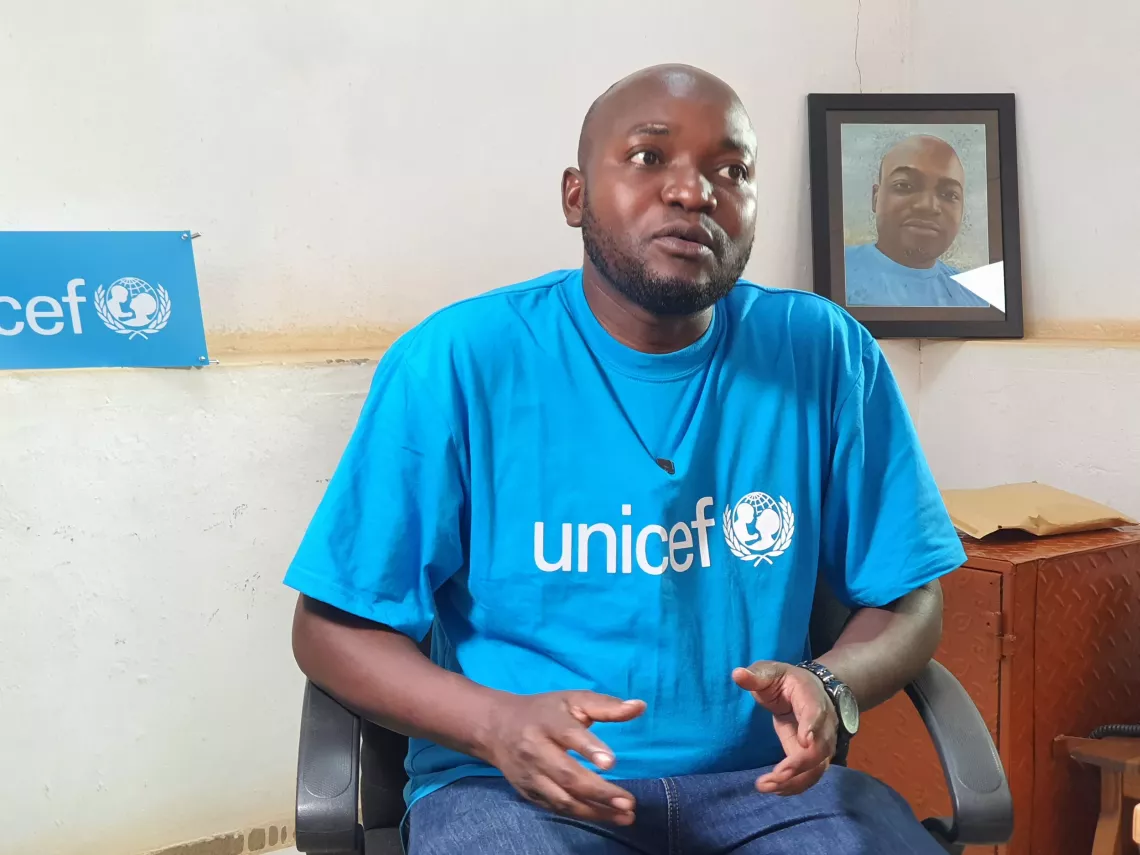
The immediate increase in patient numbers after we provided the first consignment of medicines shows how desperate the demand for healthcare is. For South Sudan to achieve sustainable progress, we must prioritize health investments, strengthen systems, and encourage donor partnerships.
The stories of Anyar, Ayuen, and countless others who rely on Aweil Hospital are a reminder of what is at stake. Investments in health are not merely financial commitments; they are investments in lives, in communities, and in the future of South Sudan.
As Anyar limps out of the hospital with newfound hope and Ayuen looks forward to playing with her siblings, their gratitude echoes through the halls of Aweil Hospital — a facility that, against all odds, continues to serve as a lifeline for those who need it most.