UN backs cholera vaccination in South Sudan

Juba – Vaccinations began today in response to a cholera outbreak in South Sudan. Since 28 October 2024, a total of 2,184 cases and 31 deaths have been reported, about 37% of them children. Some 150,000 people in Renk County are set to receive the life-saving vaccinations, procured and delivered with UN support. Over a million more vaccine doses are on the way to reach people across the country, including in the capital, Juba. This effort is part of a wider campaign involving the government, UN agencies, NGOs, and partners, focused on delivering healthcare, clean water provision, and hygiene promotion.
The first of the cholera cases were imported from neighbouring Sudan, where an outbreak has affected over 40,000 people. Since April 2023, more than 880,000 people have fled Sudan and sought refuge in South Sudan with many arriving through the border crossing in Renk County. The UN supports transit centres where people can rest and get support.
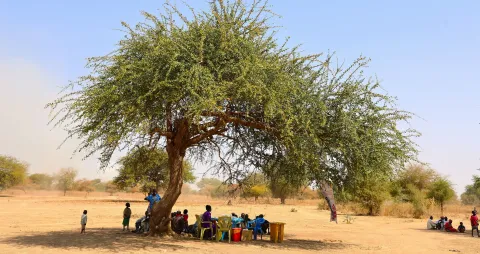
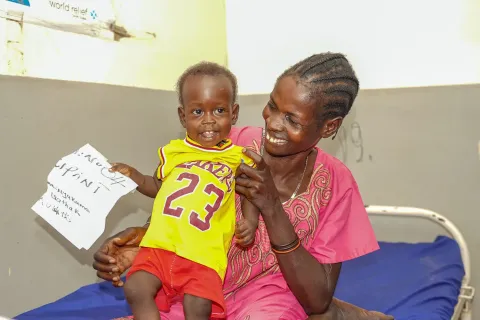
The outbreak is impacting refugees, returnees, and residents alike. Children, especially those under five, and older people face extraordinary vulnerability. People concentrated in transit centres and camps, and high numbers of people on the move, limited access to clean water and sanitation, open defecation, and poor hygiene practices make the population particularly vulnerable. These factors create ideal conditions for the rapid transmission of waterborne diseases like cholera.
The Honorable Yolanda Awel Deng, Minister of Health said “These vaccinations are vital to protect the population. I call upon the public, health professionals and community leaders to make the campaigns a success while taking every possible measure to prevent the spread of the disease.”
“The cholera outbreak response requires a coordinated and urgent multisectoral approach, extending far beyond the health sector. The UN is committed to working closely with the Government of South Sudan to ensure inclusive coordination, clear public communication, and transparent data sharing, essential for effective preparedness, readiness, and response,” said Ms. Anita Kiki Gbeho, the UN Humanitarian Coordinator for South Sudan.
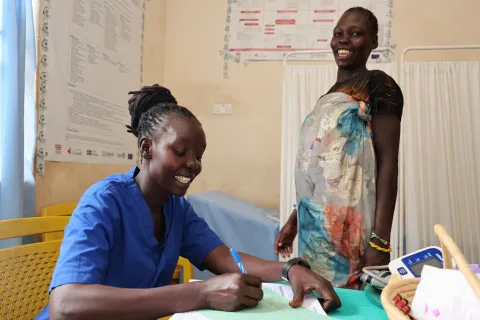
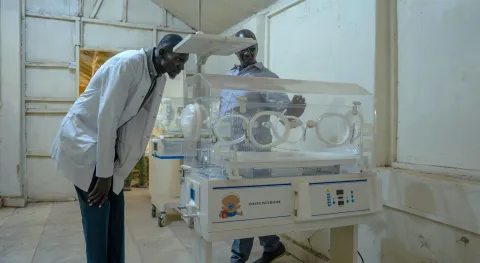
Vaccination is just one part of a multi-sectoral response and most cost-effective tool to control the outbreak. The UN has trained and deployed rapid response teams, as well as delivering 22 metric tons of medical and cholera supplies to Renk, Malakal, Juba, and Bentiu. Risk communication and community engagement includes radio broadcasts and household visits. Water supply and sanitation provision are being made safer with water purification tablets, oral rehydration solutions, and soap. The UN is supporting partners in setting up treatment facilities and rehydration points.
Additional funding is required to contain the outbreak. UN and NGO partners in South Sudan urgently need US$32 million to fund the first three months of emergency response to the cholera outbreak. This additional funding will strengthen current operations by deploying rapid response teams to newly identified hotspots, maintaining essential health services for affected communities, and procuring, shipping, and distributing additional emergency supplies to support the ongoing response.
Media contacts
About UNICEF
UNICEF promotes the rights and wellbeing of every child, in everything we do. Together with our partners, we work in 190 countries and territories to translate that commitment into practical action, focusing special effort on reaching the most vulnerable and excluded children, to the benefit of all children, everywhere.
For more information about UNICEF and its work in South Sudan visit: www.unicef.org/southsudan
Follow UNICEF South Sudan on Twitter, Facebook, Instagram and YouTube