“We feel safe and sanitized”: Making a WASH difference
Government of Japan supports UNICEF in building toilets and handwashing stations at schools in KwaZulu-Natal and Eastern Cape
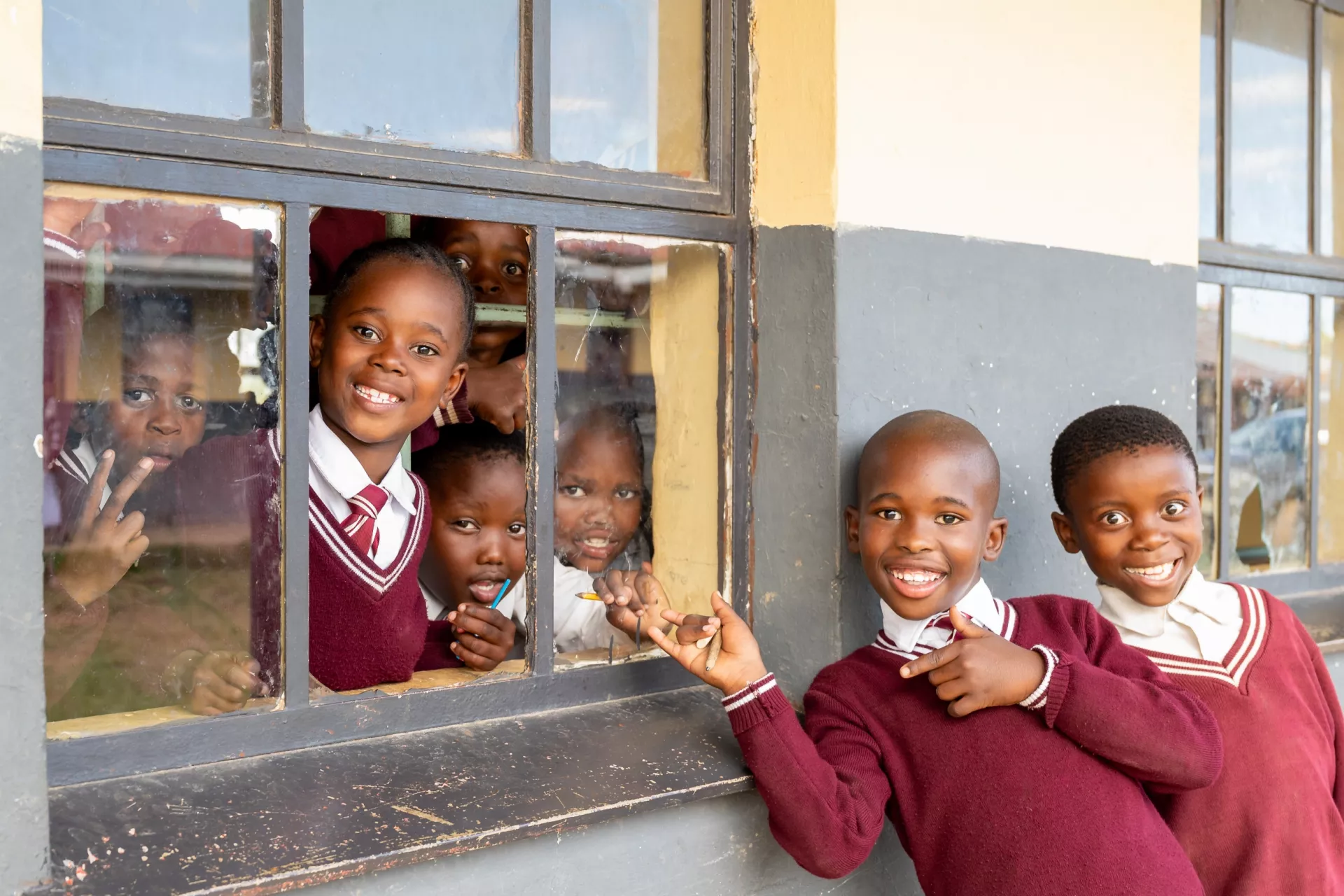
Qumbu District, Eastern Cape: Gravel roads, undulating hills, lush scenery and neat homesteads characterize the drive to Mbambisa Primary School where one is welcomed by the sound of children playing during their tea break. The break is an opportunity for the children to inspect the newly-installed toilets and handwashing facilities that have been made possible with funding from the Government of Japan.
Despite notable progress in water, sanitation, and hygiene (WASH) services in South Africa, significant challenges persist. This includes too many children still not having access to suitable handwashing and toilet facilities at their schools and ECD centers in some parts of this country. This in turn results in absenteeism and ill health among the learners and, in the long term, has a negative impact on education outcomes at these schools and on the learners themselves.


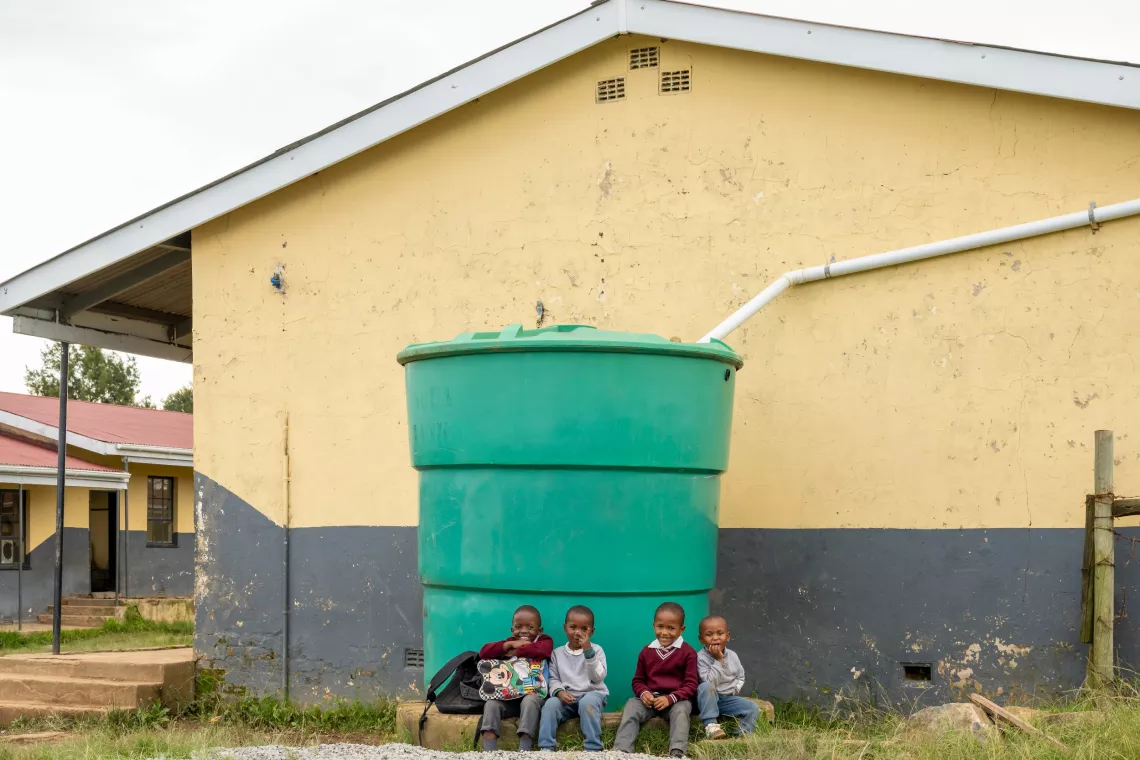
In addition, with water scarcity and drought - a reality in many parts of the country - the need to have safe, secure water supply and storage is critical. It is for this reason that providing the necessary water, sanitation and hygiene (WASH) facilities to children, globally, is a key priority for UNICEF, which is promoting the development of new models for WASH facilities to accelerate these efforts.
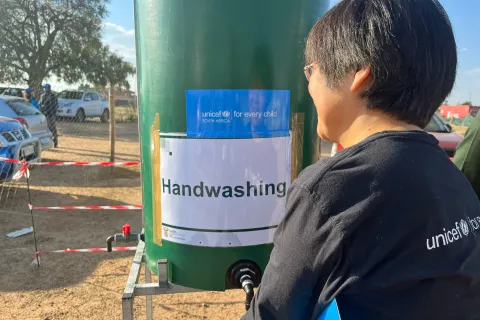
Managed by UNICEF and implemented by the Clinton Health Access Initiative, which prioritises building facilities that are resilient to climate change, this Climate-Resilient WASH (CR-WASH) pilot project is made possible with funding from the Government of Japan. It includes the building of toilets and handwashing stations at schools in the Eastern Cape and KwaZulu-Natal provinces of South Africa.
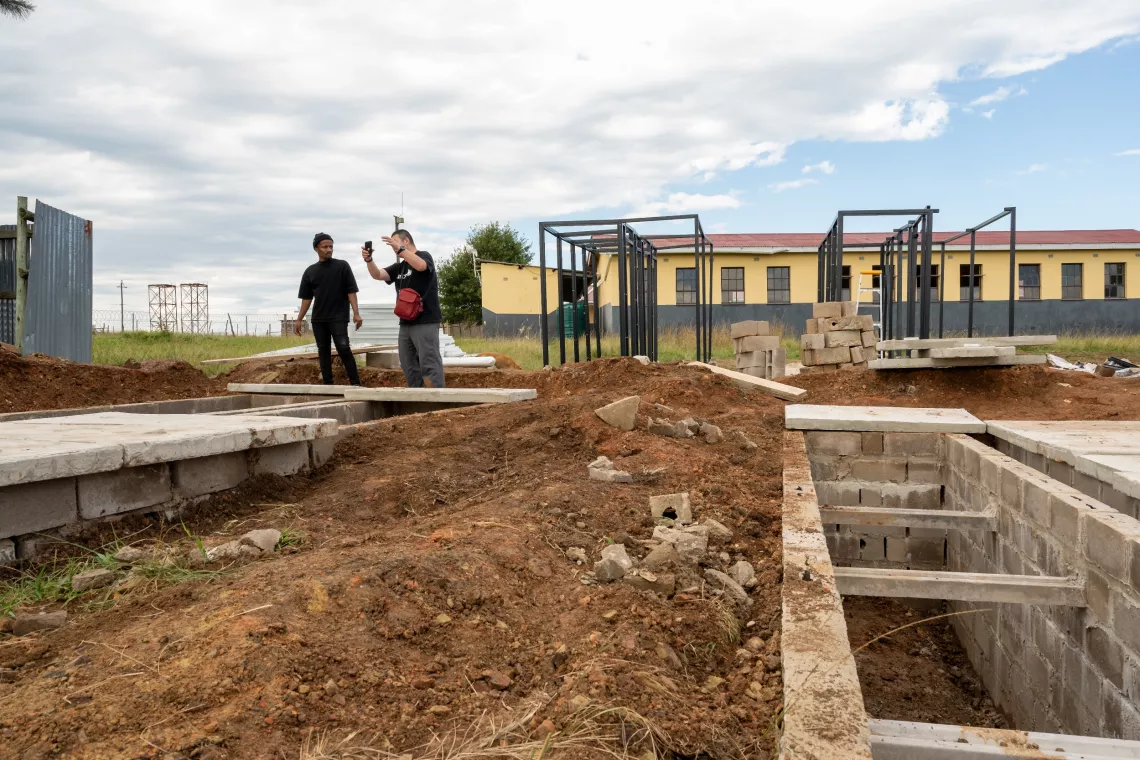
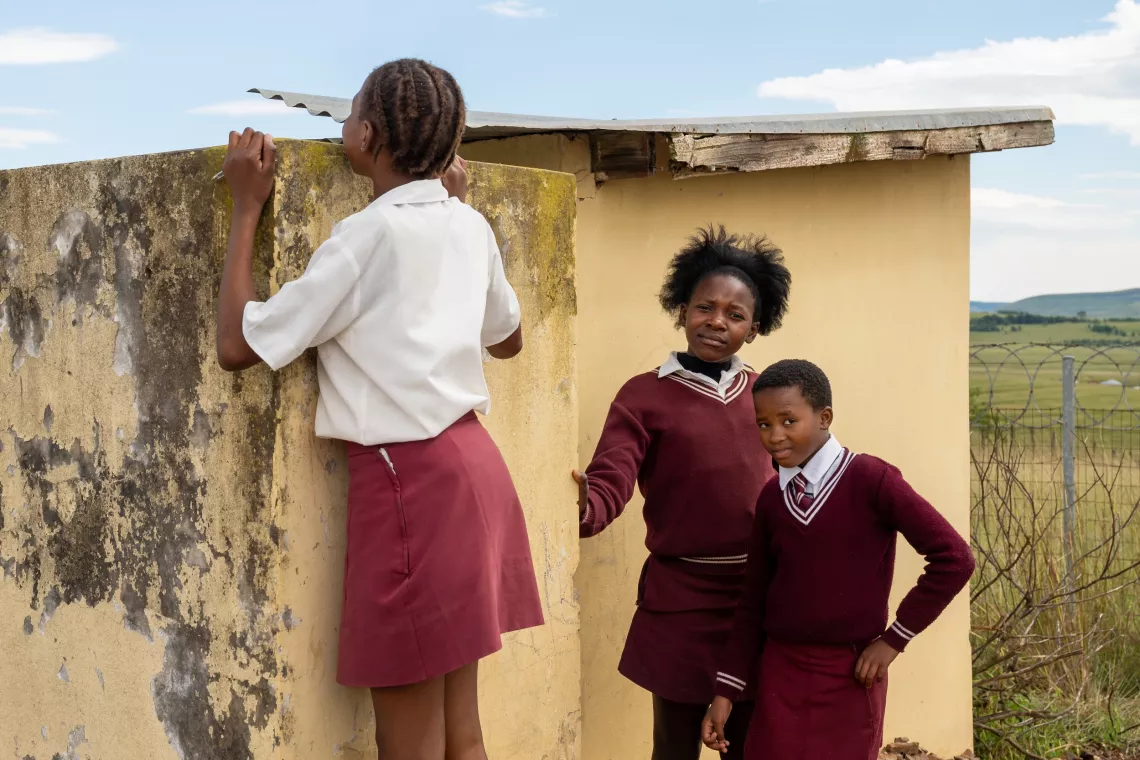
Recent rains have made access somewhat challenging, nevertheless, with commitment and dedication, learners and educators make the journey to Mbambisa Primary School. The teachers at the school speak of the challenges faced by some of the learners at their homes in this rural part of South Africa, where access to clean drinking water can be limited. It is therefore essential that the school is able to provide safe drinking water, hence UNICEF has coordinated the construction of three ablutions and handwashing stations at this school.
Looking at the nearly completed toilets, School Principal Ms Nonkwazi Nokwe notes that “we feel safe and sanitized” and believes that this will also lead to better educational outcomes and learner health at the school.

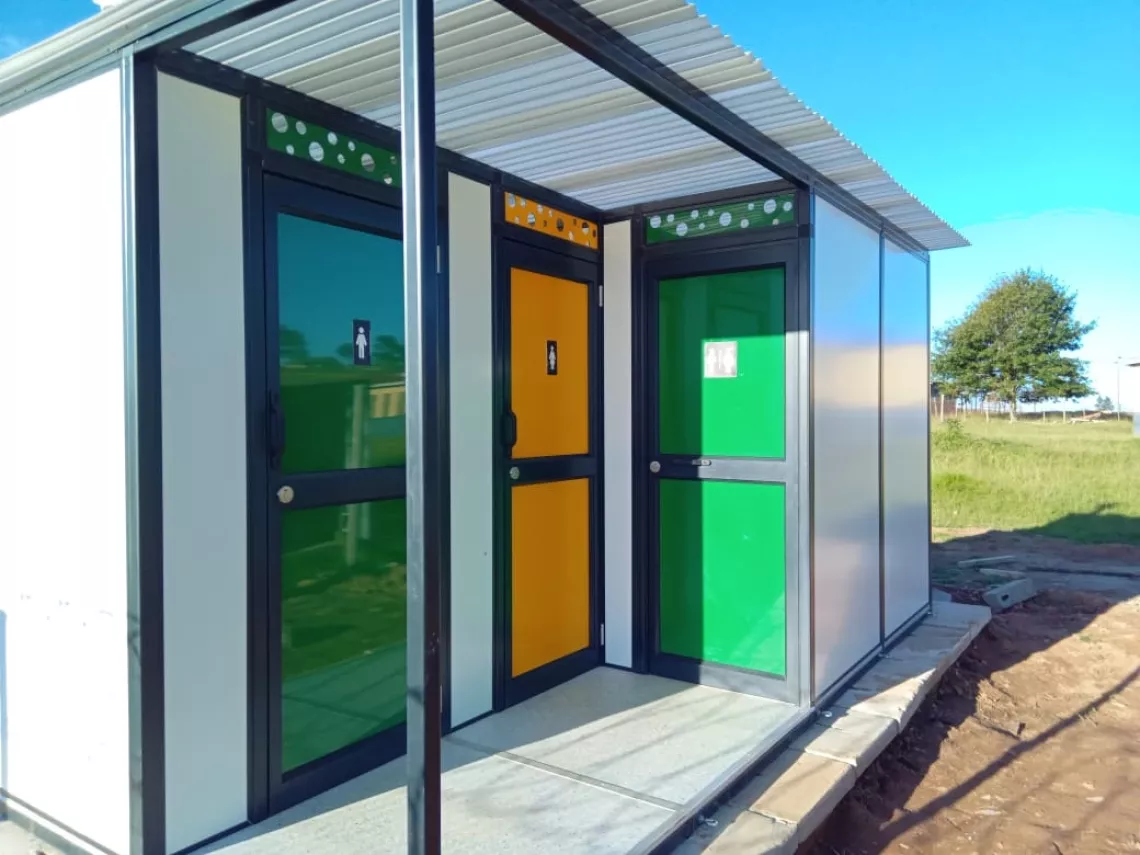

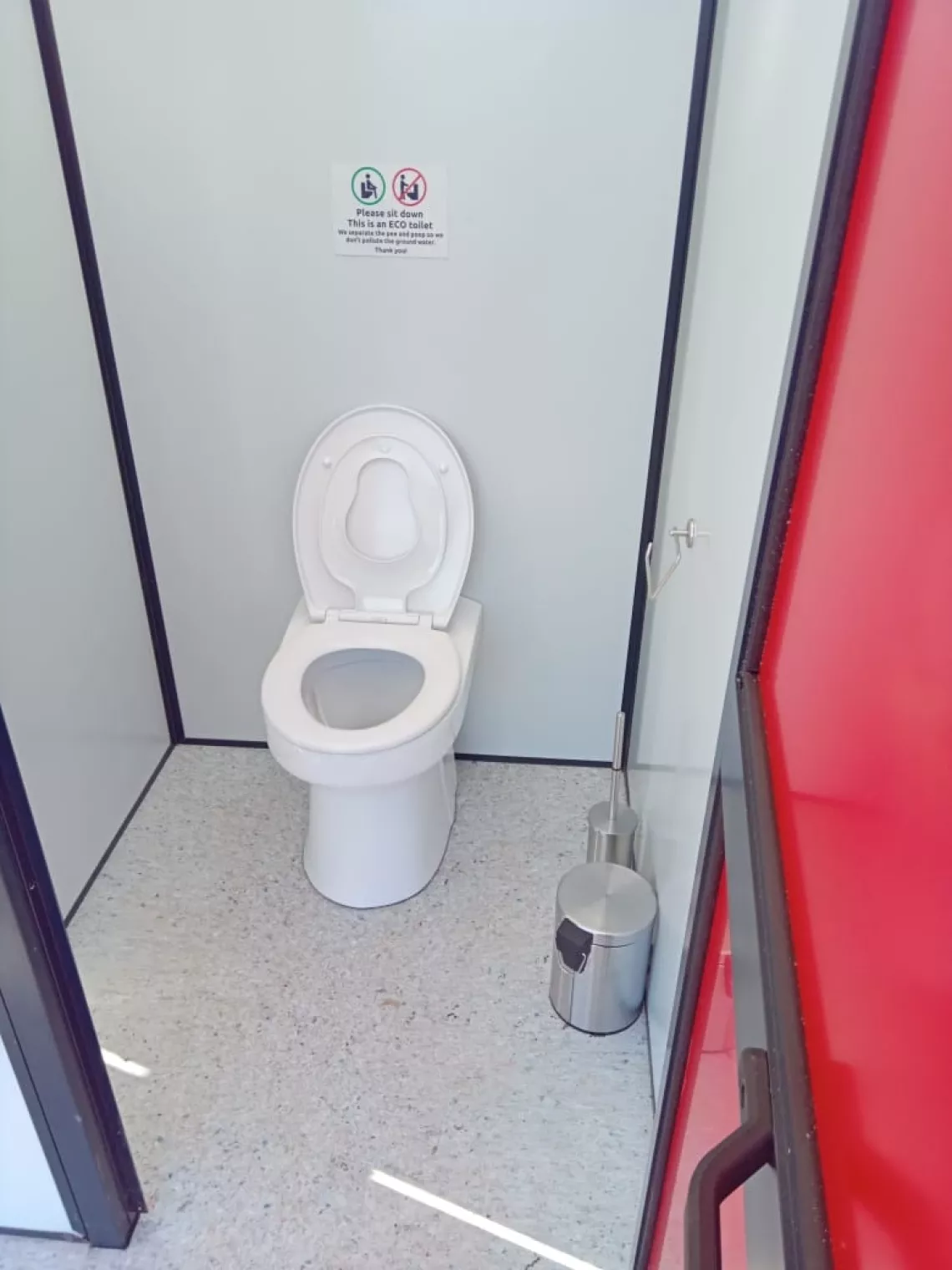
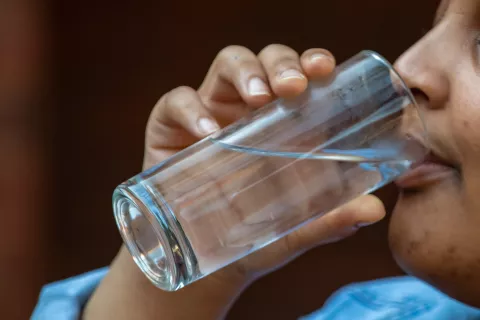
Her enthusiasm is shared by the learners who excitedly turn on one of the newly-installed taps and drink the clean water. Learner, Siyayivela Makinana, gives a shy smile as she expresses her appreciation for the new, clean toilets while adding that “we can now embrace the good conditions.”