More than cash
For Falhado, a mother of nine, timely support became an opportunity to build a more secure future.
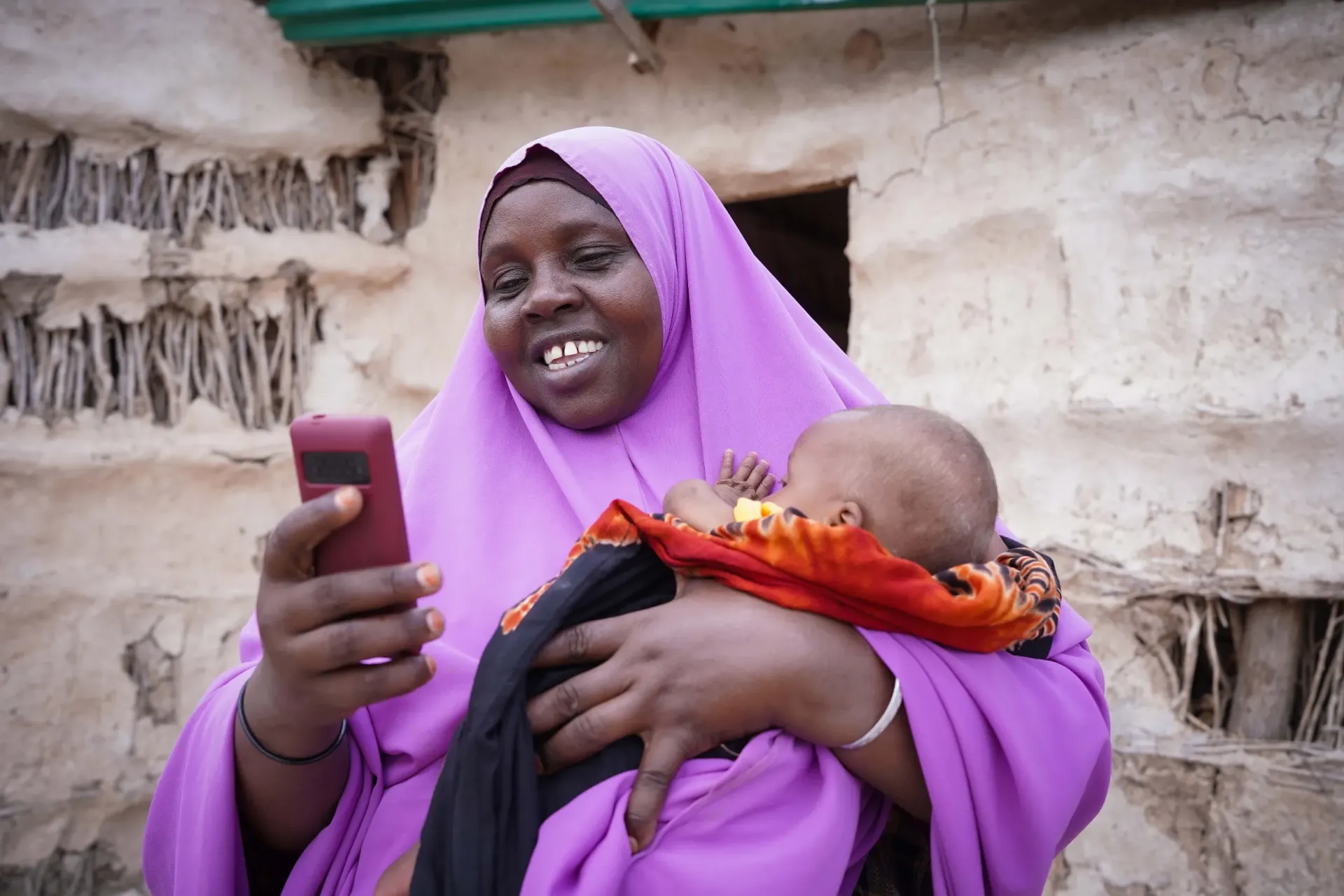
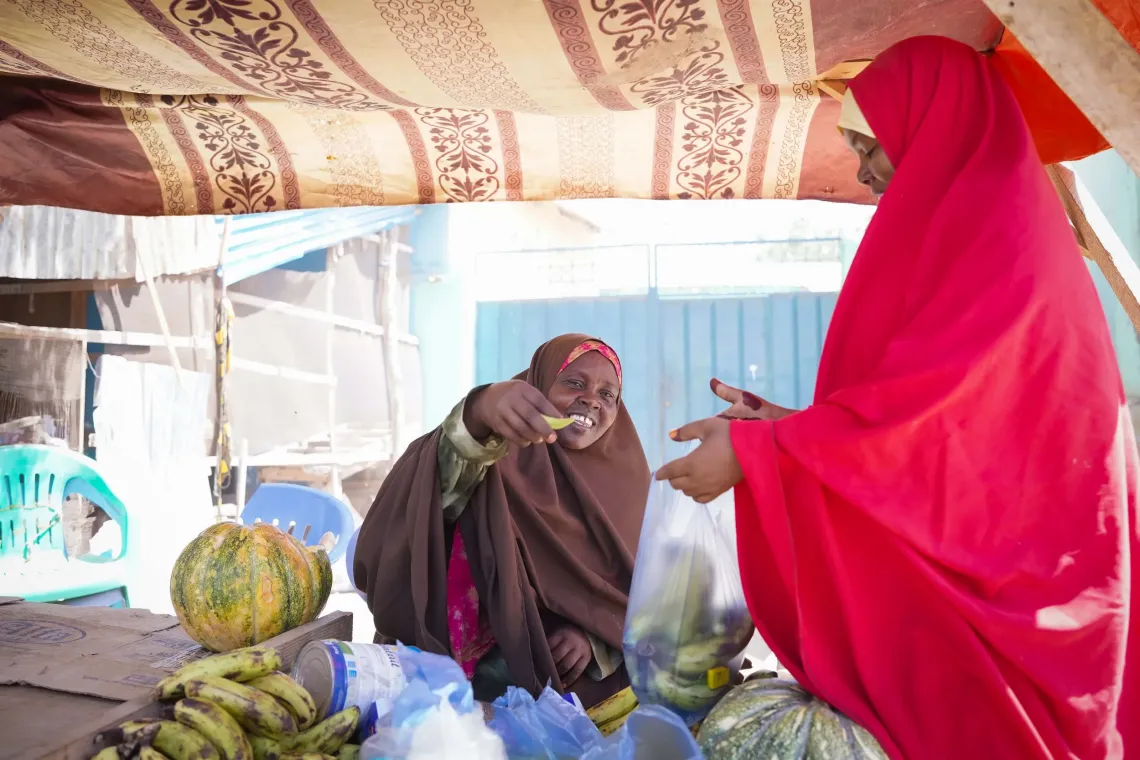
The vegetables are arranged carefully on a small wooden table outside Falhado Adan's home in Bardheere. Tomatoes, onions and leafy greens sit neatly in rows, ready for the day's customers. As she serves a neighbour, one of her children stands nearby, while others move in and out of the family compound.
For Falhado, this small stall is more than a place to sell vegetables. It is a source of income, a symbol of resilience and a reminder of how a timely opportunity can help a mother provide for her children. At 32 years old, Falhado is raising nine children with her husband, a farmer whose income depends largely on the success of seasonal harvests. Like many families in southern Somalia, they have faced difficult periods when household expenses outpaced what they could earn from the land.
"When the harvest was poor, life became very difficult," Falhado recalls. "We worried about food, about the children, and about how we would manage the next day."
Those concerns became even greater while she was pregnant and later caring for a young child. Meeting the family's daily needs required constant sacrifice and careful decisions about how to stretch limited resources.
It was during this period that Falhado joined the UNICEF flagship programme, second phase of Child Sensitive Social Protection Programme (CSSP), implemented with Government of Somalia through government systems and funded by the Government of Germany. The programme is part of broader efforts to strengthen Somalia’s social protection system and help vulnerable families cope with recurring shocks such as drought and rising food prices, while protecting human capital during the first 1,000 days of life. Through Germany’s contribution of €23 million, the programme supports 13,500 pregnant and lactating women and their families in two districts across Somalia, helping them meet essential needs while building resilience with connecting them to essential health, nutrition and birth registration services.
Over six months, Falhado received cash assistance, including monthly payments of US$20 and a top-up payment of US$40 for three months as a response to drought. For many families, cash assistance is used immediately to buy food, medicine or other urgent necessities. Falhado also used part of the support to meet her family's immediate needs, but she was determined to make a portion of it go further.
Rather than spending all the money at once, she invested some of it in a small vegetable business. "I wanted something that would continue helping my family after the cash support ended," she says. With her small savings and support from her husband, she purchased a table and began selling vegetables in her community. Starting small allowed her to gradually build a business while continuing to care for her children and manage household responsibilities.
Today, the stall generates income that helps the family purchase food and cover other everyday expenses. While the earnings are modest, they provide an additional source of support alongside her husband's farming activities.
Across Somalia, the cash transfer programme is helping vulnerable families navigate economic hardship while giving them the flexibility to decide what they need most. For some households, that means putting food on the table. For others, like Falhado's, it can also create opportunities to build a more secure future with also securing human capital through linkages to essential health, nutrition and birth registration services
The stall may be simple, but its impact reaches far beyond the vegetables displayed on the table. It represents a mother's determination to turn a short-term lifeline into a lasting opportunity, one that is helping her family move forward, one sale at a time.