New Analysis Highlights Multidimensional Child Poverty and Deprivation Patterns in Somalia
Report provides critical evidence to strengthen child-focused policies, planning and investments
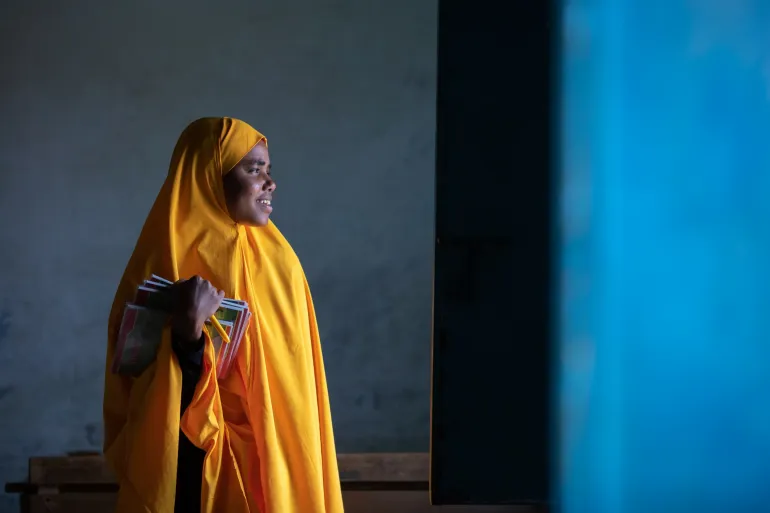
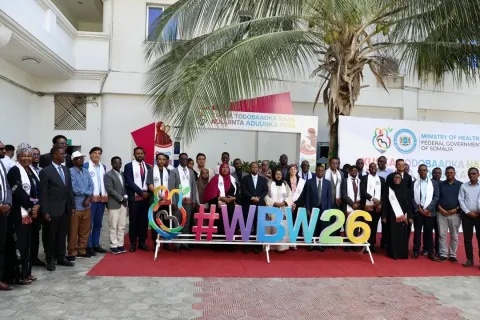
Mogadishu, 19 June 2026 — Somalia National Bureau of Statistics, in partnership with UNICEF, today launched the Multidimensional Child Poverty and Deprivation Analysis, providing new evidence on the extent and nature of child poverty across Somalia and offering important insights to inform policy, planning and development interventions.
Drawing on data from the 2022 Somalia Integrated Household Budget Survey, the report examines children's wellbeing with respect to housing, sanitation, education, nutrition, water and access to information. The analysis finds that nearly 70 per cent of children under five years of age and more than 80 per cent of children aged 5–17 years experience deprivation in at least two essential dimensions simultaneously.
The findings underscore that child poverty extends beyond income alone. Many children face multiple and overlapping deprivations that influence their access to basic services, opportunities and overall wellbeing.
"Children represent Somalia's future human capital and the foundation of the country's long-term development," said Dr. Abdisalam Abdirahman Mohamed, Director General of the Somalia National Bureau of Statistics. "This analysis provides important evidence to strengthen understanding of the challenges affecting children and to support more informed policy decisions, targeted investments and effective service delivery."
One of the report's key findings is the prevalence of overlapping deprivations among children. Among children under five, nearly 40 per cent experience simultaneous deprivation in sanitation, housing and nutrition. Among children aged 5–17, approximately 37 per cent face overlapping deprivation in sanitation, housing and education.
The analysis also highlights variations across population groups and places of residence. Children living in rural and nomadic communities experience higher levels of deprivation in several dimensions, particularly in housing, sanitation and education. The findings demonstrate the importance of geographically targeted and context-specific approaches to service delivery and humanitarian and development programming.
"The report provides valuable evidence for strengthening child-focused policies and programmes," said Sandra Lattouf, UNICEF Representative in Somalia. "Understanding where and how deprivations overlap helps inform more coordinated interventions and supports efforts to improve outcomes for children across sectors."
Housing and sanitation emerge among the most widespread forms of deprivation nationally, affecting a substantial proportion of children. The report further identifies disparities across regions and population groups, highlighting the importance of addressing inequalities in access to essential services.
The findings provide an important evidence base for advancing national priorities under Vision 2060, the National Transformation Plan (2025–2029) and the Sustainable Development Goals. The report emphasizes the importance of strengthening investments in education, health, nutrition, water and sanitation services, while enhancing planning approaches that place children's wellbeing at the centre of development and humanitarian efforts.
The analysis also reinforces the role of official statistics in supporting evidence-based policymaking, resource allocation and monitoring of development outcomes.
About the Analysis
The Multidimensional Child Poverty and Deprivation Analysis was conducted by Somalia National Bureau of Statistics using data from the 2022 Somalia Integrated Household Budget Survey (SIHBS). The study applies UNICEF's internationally recognized Multiple Overlapping Deprivation Analysis (MODA) methodology to assess the extent and nature of multidimensional child poverty among children aged 0–17 years in Somalia.
Media contacts
About UNICEF
UNICEF promotes the rights and wellbeing of every child, in everything we do. Together with our partners, we work in 190 countries and territories to translate that commitment into practical action, focusing special effort on reaching the most vulnerable and excluded children, to the benefit of all children, everywhere.
UNICEF has been working in Somalia since 1972 when its first office opened in Mogadishu. Today UNICEF has over 300 staff working in Mogadishu, Baidoa, Dollow, Garowe, Hargeisa and also Nairobi, Kenya. Together with 200 international and national NGOs and community-based organizations, UNICEF delivers services in Health, Nutrition, WASH, Education and Child Protection, and responds to emergencies and supports peace-building and development.