Adolescents Leading Change for Better Health and Nutrition in Sierra Leone
Young people in Port Loko speak out and take action to overcome barriers to wellbeing, with support from UNICEF and partners
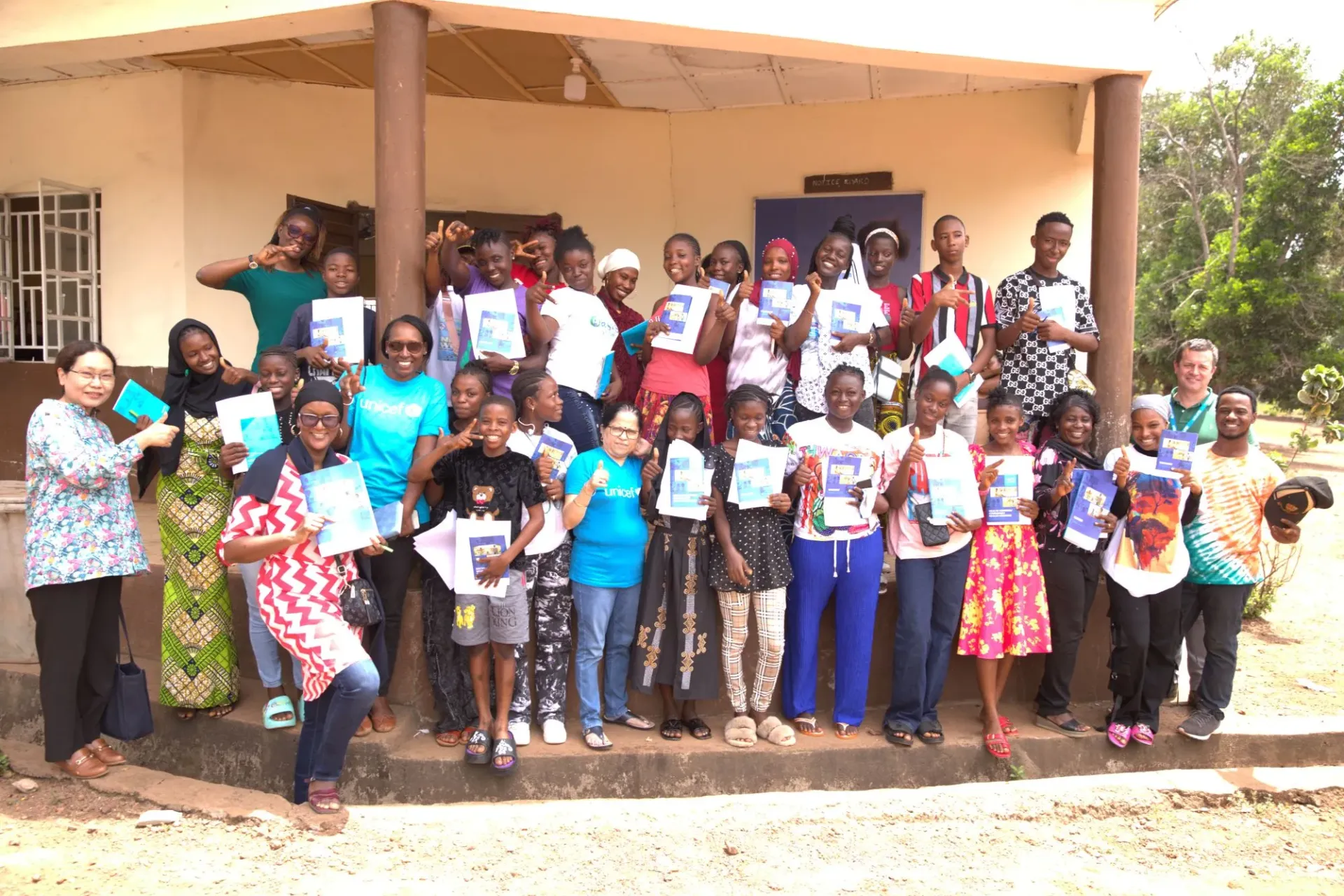
Port Loko, 27 March 2026 – “As adolescents, we face a lot of challenges in accessing certain opportunities and facilities due to societal behaviours and attitudes that continue to hinder us,” said an outspoken 19-year-old adolescent girl, Salamatu Sesay, in Port Loko, northern Sierra Leone.
Like thousands of adolescents in the country, Salamatu persistently battles with these challenges as she navigates through her education, domestic and social life in society.
Growing up as an adolescent in Sierra Leone is fraught with many barriers and challenges including limited access to sexual and reproductive health, mental health, participation and nutrition, but exposure to violence, early marriage and harmful practices.
Adolescents constitute about 22 per cent of Sierra Leone’s 8 million population and face significant nutrition and protection challenges. Twenty‑one per cent of girls aged 15–19 is pregnant or parenting, and nearly half of adolescent girls are anaemic, reflecting poor dietary intake and limited access to adolescent‑friendly nutrition services.
“Some people are taking advantage of our vulnerability by bullying us into accepting things and ideas which are against our will,” Salamatu lamented as she engaged her peers in a discussion to find the best possible solutions to their problems. “It is not easy for adolescents to access food and that is why some of us go astray, get entrapped in relationships that lead to teenage pregnancy and petty crimes.”
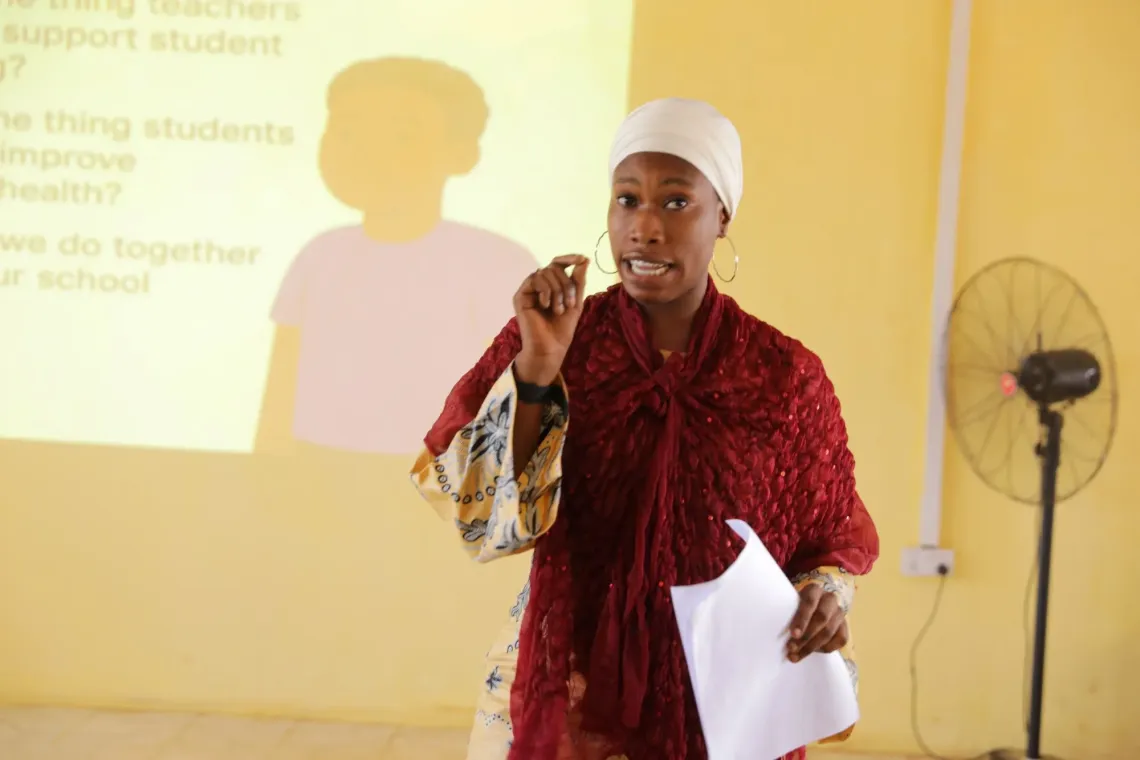
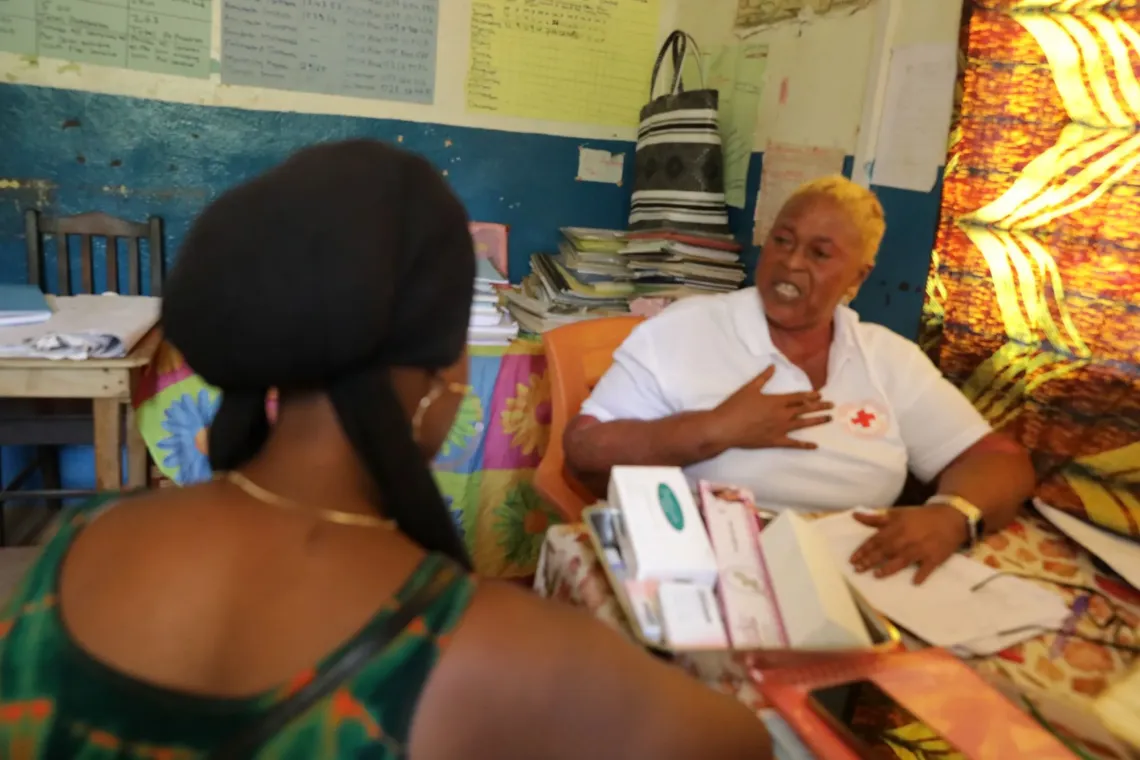
The issues adolescents encounter in their communities are further compounded by limited access to adolescent-friendly services as they fear being unfairly judged. Many also lack supportive families and safe schools where they could meaningfully engage with their parents and teachers on issues affecting their wellbeing.
“Some health workers are unethical, and they do not keep our secrets!” she exclaimed, “So we do not always have the confidence to confide in them and discuss our issues.”
In response, UNICEF Sierra Leone, in collaboration with the Ministry of Health through the National School for Adolescent Health and with support from the Embassy of Ireland, implemented the programme, “Accelerating Actions for improving the nutrition, health and overall wellbeing of adolescents in Sierra Leone,” to help identify the issues adolescent face and propose solutions to them. The programme included the launch and dissemination of the findings of formative the research and costed strategy for adolescent health, nutrition and support systems, as well as priority interventions such as trainings and the development of social behavioural change materials for adolescents, duty bearers and service providers.
More than 300 adolescents, social workers and teachers have undergone training and awareness raising sessions to enable them to discuss and tackle the problems adolescents face.
“At the training, we learnt about many things such as asserting our rights to speak up, reproductive health hygiene and cleaning our environment,” Salamatu added.
The formative research revealed that adolescents perceive themselves as dutiful and mature to take care of themselves while adults associate them with poor behaviours and a lack of awareness around actions and responsibility.
“As adolescents, we have roles and responsibilities, but we sometimes misunderstand and misinterpret the two and that adds to our confusion,” she continued. “For example, whereas the roles of our teachers and parents are to guide us and impart knowledge, our responsibilities are to go to school, show respect and restraint and be compliant with established rules that shape our future.”
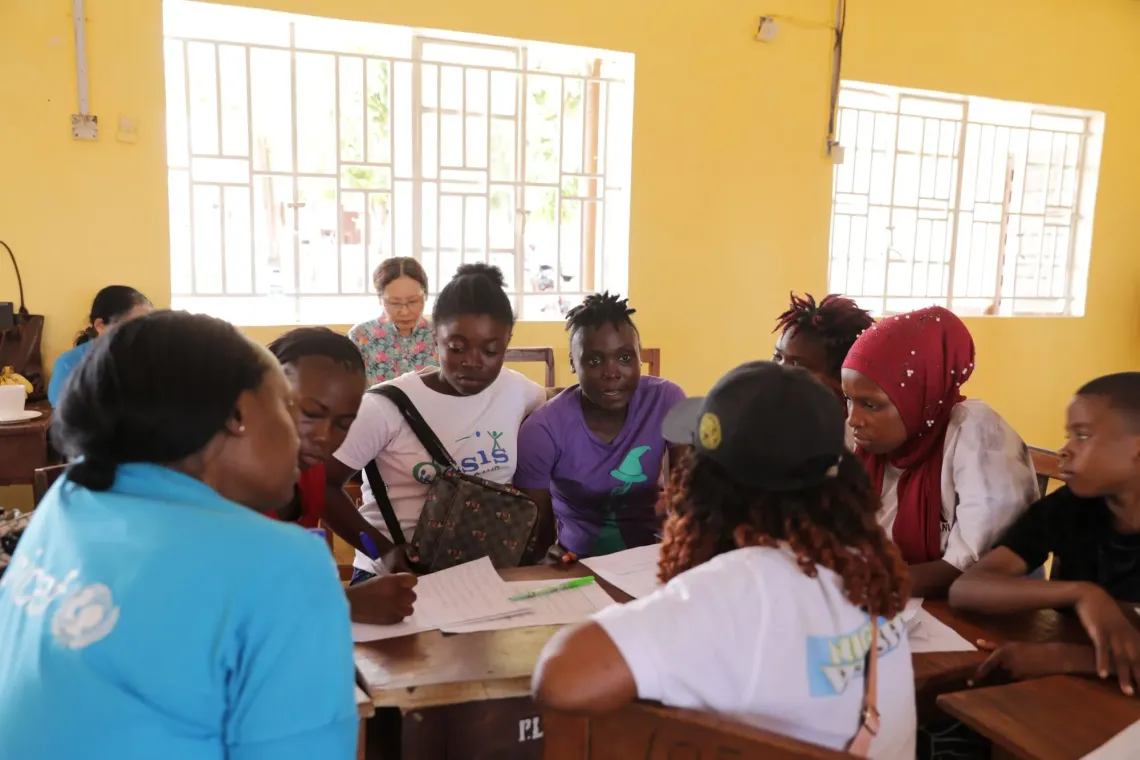
The benefits of the training on Salamatu and other adolescents are great as they are very excited and happy about it. It has contributed to sharpening their thoughts, ideas and perceptions about their wellbeing, engagement and participation in society.
“I am now full of confidence to talk with my teachers as they play the role of parents in school,” Salamatu added. “Sometimes, we leave home with a lot of stress and tensions and go to school so if the teacher does not understand us and skillfully handle our situations, they could get worse for us, including dropping out of school.”
The engagement with adolescents through this programme has lifted their spirits, hopes and aspirations for a brighter future.
“One in four persons in Sierra Leone is an adolescent so they make up a critical mass of the population and are a vital component of any development trajectory in the country,” said Vandana Joshi, UNICEF Chief of Health and Nutrition in Sierra Leone. “UNICEF works with adolescents using a holistic and rights-based approach, recognizing them as both beneficiaries and agents of change and that is why they are critical to this programme.”
As Salamatu wrapped up the discussion with her peers, she was full of confidence and optimism for a meaningful engagement with teachers in school and adults in domestic settings and hopes for a brighter future.
“Now, I am pretty confident that our teachers will create spaces for health workers to engage us in school so that we can stay on the right path,” she concluded as a wave of smiles lit the faces of these adolescents in Sierra Leone.