Community Health Workers: unsung heroes in the fight Against Polio in Rwanda
Community health workers pave the way in ensuring children are safe from Polio in Rwanda

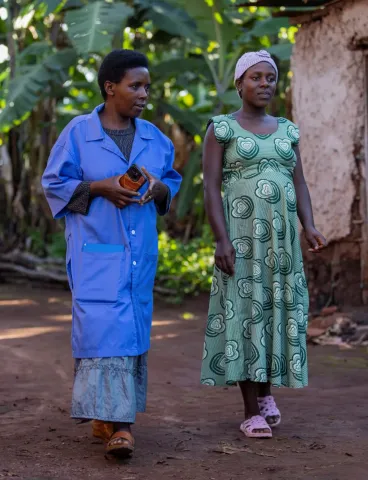
Francine is 26 years old and a proud mother of two children, seven years and three years old. She resides in the village of Ruhurura, nestled within the Ruhanga Cell of the Kibirizi Sector, in the beautiful hills of Nyamagabe District. Her daily routine revolves around farming, a pursuit she engages in for the betterment of her family's future.
“My awareness of Polio came from various sources, including the guidance of Community Health Workers (CHWs), the broadcasts on Radio Rwanda, and the amplification of this crucial message through a megaphone,” shares Francine.
She further adds, “It became clear to me that polio is a debilitating infectious disease primarily attributed to poor hygiene practices.” To shield her loved ones from polio, she embraced the imperative of maintaining cleanliness in and around her home. She learned that Polio is incurable, causing high fever and even paralysis in some victims, potentially becoming fatal. However, the silver lining lies in vaccination, as it offers a protective shield against polio infection.

As of September 21st, Rwanda has successfully vaccinated 99.7% of children under seven years old against Polio, with 2,906,472 children immunized mainly by CHWs.
“The CHWs have emerged as invaluable guardians of the well-being of my children and me. During my pregnancies, they meticulously tracked my scheduled appointments with doctors and ensured that I received the necessary care,” a smiling Francine said.
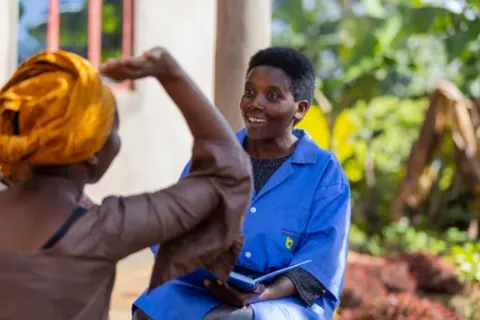
The CHWs are always accessible; when Francine’s children are sick, they promptly assess the situation and accompany her to the health center, even during the darkest hours of the night. They extend health education, emphasizing the importance of preventive measures in safeguarding family’s health in the community.
There are 58,298 Community Health Workers (CHWs) in Rwanda, and they serve as compassionate mentors, a critical part of Rwanda's healthcare system, particularly in rural including hard-to-reach areas. They extend the reach of formal healthcare providers, improving child health as their community-based approach ensures that children receive essential healthcare services, and their work helps reduce child mortality, improve nutrition, and prevent the spread of diseases, contributing to better overall child health outcomes in the country.
CHWs emphasize exclusive breastfeeding for the first six months and advise introducing an egg per day once a child reaches six months. They promote good nutritional practices because 34 per cent of children under five in Nyamagabe District are stunted, which is more than the national average of 33 per cent. CHWs will play a big and influential role in reducing stunting per the Government of Rwanda’s ambitious goal to reduce the stunting rate to 19% by 2024.
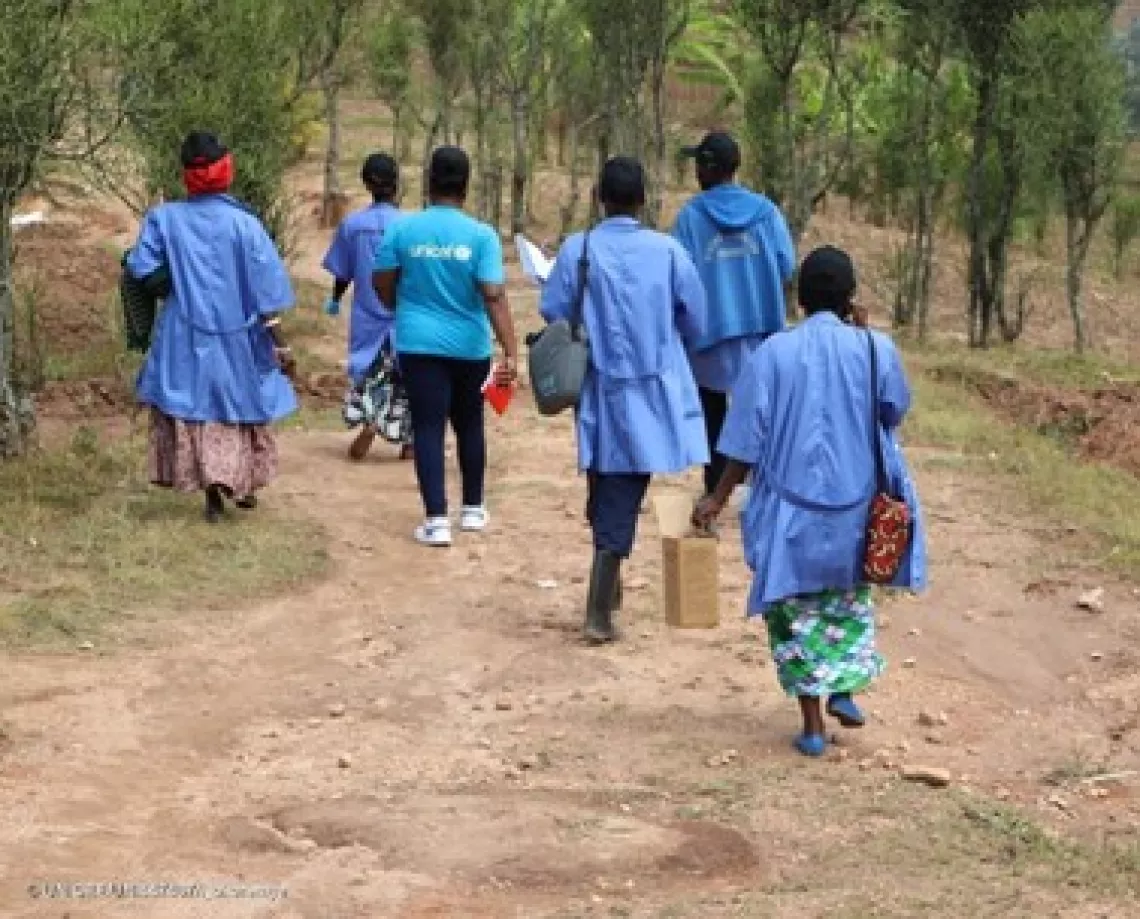
CHWs have inspired parents like Francine and others to cultivate kitchen gardens, ensuring their children and families have access to nutritious meals. They emphasize the importance of sleeping under mosquito nets, maintaining clean and secure toilet facilities, and imparting knowledge on preventing common diseases like diarrhea, pneumonia, and malaria.
"I extend my gratitude to the Government of Rwanda, UNICEF, and other organizations for their dedication to promoting vaccination campaigns like Polio. These efforts raise awareness about preventable diseases and encourage everyone to bring children under seven years old for vaccination. Participating in such campaigns will contribute to a healthier and brighter future for our families and community," says an empowered Francine.