Newborn survival now the biggest challenge for child health in Papua New Guinea, new UN report shows
Progress is ongoing; however, children are still three times more likely to die before age five compared to other countries in the Asia Pacific region.

Port Moresby, 18 March 2026 – Papua New Guinea has made steady progress in reducing child deaths over the past three decades. The under-five mortality rate in Papua New Guinea has fallen by more than fifty per cent, from about 85 deaths per 1,000 live births in 1990 to around 39 deaths per 1,000 in 2024. Expanded immunization, malaria prevention and treatment, improved maternal care and stronger community health outreach have helped drive this progress on child mortality in the country.
However, a rate of 39 deaths per 1,000 births still means far too many children are still dying from causes that can be prevented and treated. These findings were shared in the latest Levels and Trends in Child Mortality report released today by the United Nations Inter-agency Group for Child Mortality Estimation (UN IGME).
According to the report, Papua New Guinea accounts for just over one per cent of births in East Asia and the Pacific, yet more than three per cent of child deaths. This stark gap highlights the urgent need to expand access to lifesaving care. Children in Papua New Guinea are also around three times more likely to die before their fifth birthday than their regional peers.
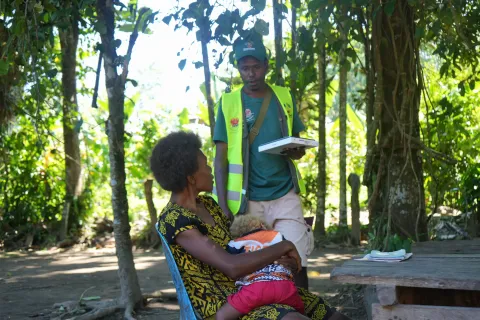
Newborn survival has now emerged as the country’s biggest child health challenge. In 2024 alone, over 5,000 newborns died in their first month of life, meaning that more than half of all under-five deaths now occur during this critical period. Many of these deaths are linked to preventable causes such as prematurity, birth complications and infections. Simple, proven actions such as quality antenatal care, skilled support during childbirth, early breastfeeding, infection prevention and timely care for small and sick newborns can save lives.
“Improving the health and survival of mothers and children remains a national priority,” said Pascoe Kase, Secretary for Health. “We are committed to strengthening primary health care, expanding access to skilled care during pregnancy and childbirth, and working closely with partners to accelerate progress towards the Sustainable Development Goals. Together, we can ensure that more children survive and thrive.”
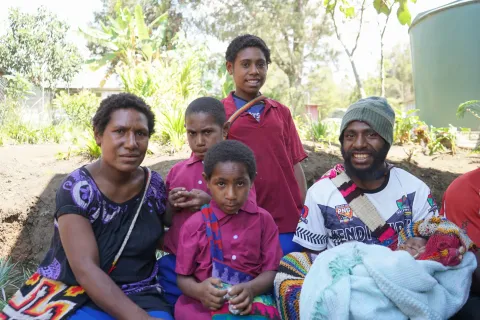
Despite progress, children from poorer households and remote communities continue to face the highest risks. Long travel distances, difficult terrain and limited access to quality health services remain major barriers for many families.
“Papua New Guinea has made important progress in reducing child deaths, proving that investments in primary health care and community services can save lives,” said Veera Mendonca, UNICEF Representative in Papua New Guinea. “But progress must move faster. We cannot stay silent when newborns and young children are still dying from causes we know how to prevent and treat. Simple, low-cost interventions can save lives, but only if they reach every mother and every child. Stronger partnerships, sustained financing and a renewed focus on reaching the most remote and vulnerable families are essential if we are to give every child the chance to survive and thrive.”
Meeting global child survival targets could prevent thousands of deaths in the coming years. Under the Sustainable Development Goals, of which Papua New Guinea is also a signatory, countries aim to reduce under-five mortality to at least 25 deaths per 1,000 live births and neonatal mortality to at least 12 deaths per 1,000 live births by 2030. For Papua New Guinea, investing in proven interventions such as routine immunization, proper nutrition, malaria prevention and treatment, skilled birth attendance, and community-based health services will be critical to staying on course.
“This new UN report is a critical reminder that in Papua New Guinea, our focus must sharpen on the quality of care along the entire journey - from the first antenatal visit to the weeks following birth,” said Dr Josaia Tiko, Acting Representative, WHO Papua New Guinea. “By ensuring every mother and newborn receives respectful, high-quality care before, during and after childbirth, we can prevent many of these deaths and give children the healthiest possible start to life. This includes scaling up early essential newborn care, kangaroo mother care, protecting, promoting, and supporting exclusive breastfeeding, and integrating services to ensure every baby is free from HIV, STIs and hepatitis. These are not just interventions; they are the foundation for a healthy, thriving future for Papua New Guinea,” he added.
At a time when global progress on child survival is slowing, partners are calling for renewed commitment, stronger coordination and sustained financing to protect hard-won gains. Strong partnerships and sustained investment in maternal and child health remain one of the most cost-effective ways to strengthen families, support education and nutrition outcomes, and build a healthier and more productive future for Papua New Guinea.
Media contacts
About UNICEF
UNICEF promotes the rights and wellbeing of every child, in everything we do. Together with our partners, we work in 190 countries and territories to translate that commitment into practical action, focusing special effort on reaching the most vulnerable and excluded children, to the benefit of all children, everywhere.
For more information about UNICEF and its work for children in Papua New Guinea, visit https://www.unicef.org/png/