The future children want for the Bangsamoro
At this historic moment, girls and boys from all parts of the Bangsamoro share their asks to their future leaders: safer and more inclusive communities, stronger social services for children and more opportunities to thrive.

As the Bangsamoro enters a historic new chapter, children and families are looking towards a future with hope. Across six areas of the region, children answered one important question: What do you want to tell your future leaders?
Their answers were gathered in a simple cyan blue notebook.
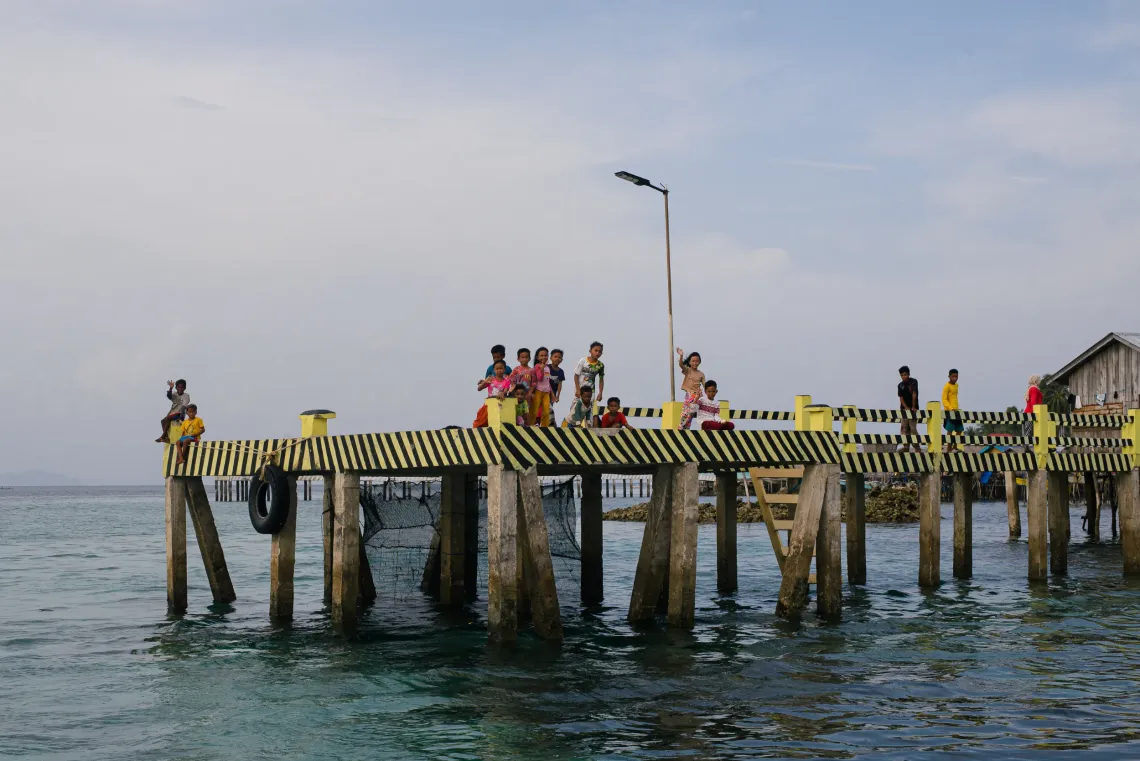
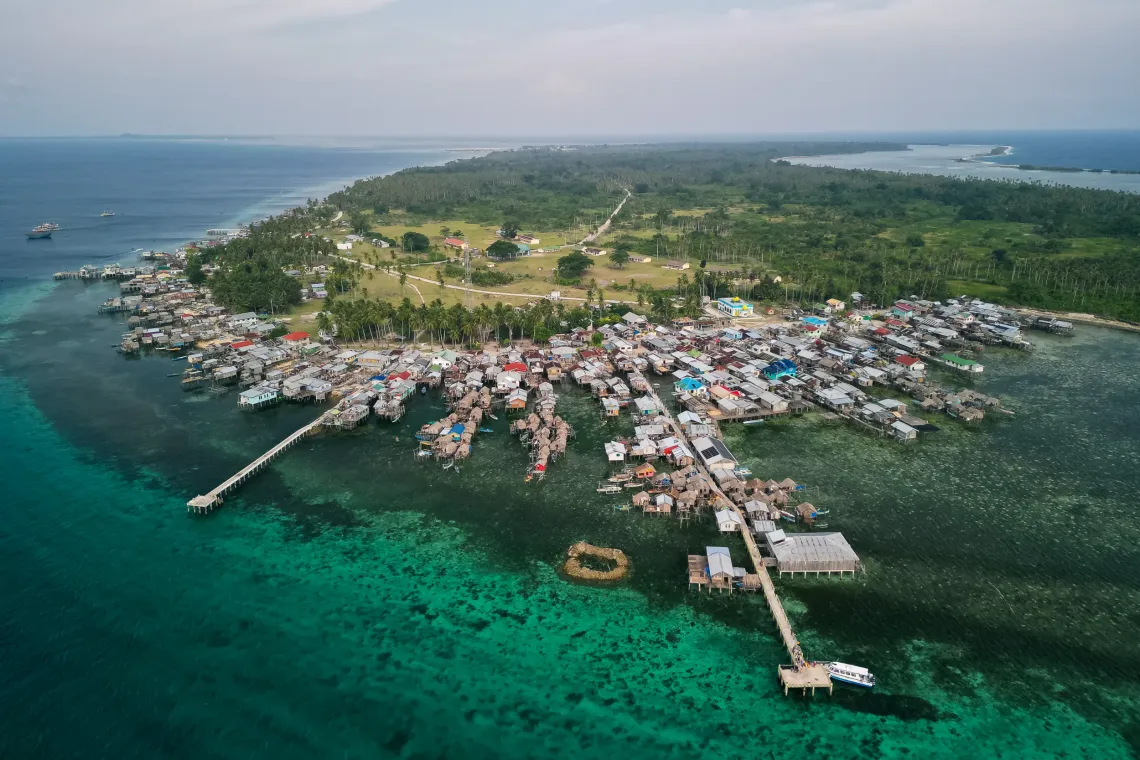
In the coastal village of Lookan Banaran in Sapa-Sapa, Tawi-Tawi, children spend their afternoons playing on wooden and bamboo platforms above the ever-changing tide. When a ball slips into the water, one of them dives in without hesitation to retrieve it, as though it is all part of the day’s routine. Their families live in stilt houses and depend largely on fishing and seaweed farming, while access to clean water and other basic services remains uneven. This is the most southernmost province in the Philippines, part of the Bangsamoro Autonomous Region in Muslim Mindanao or BARMM.
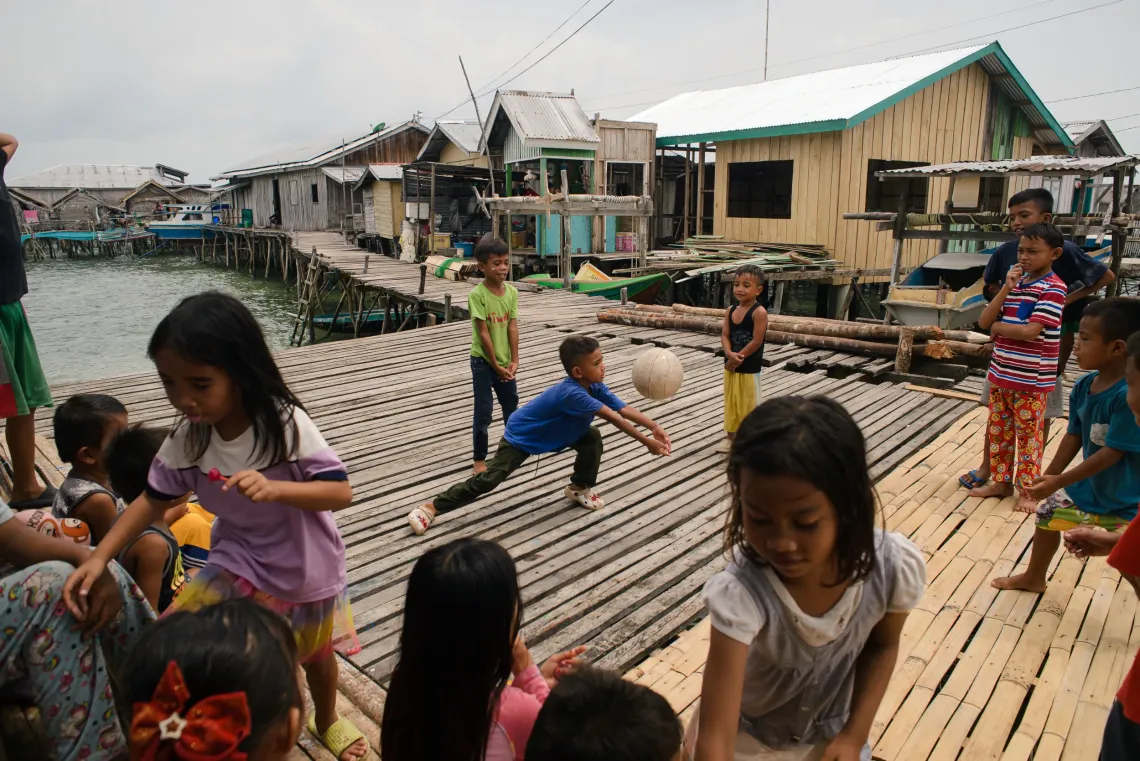
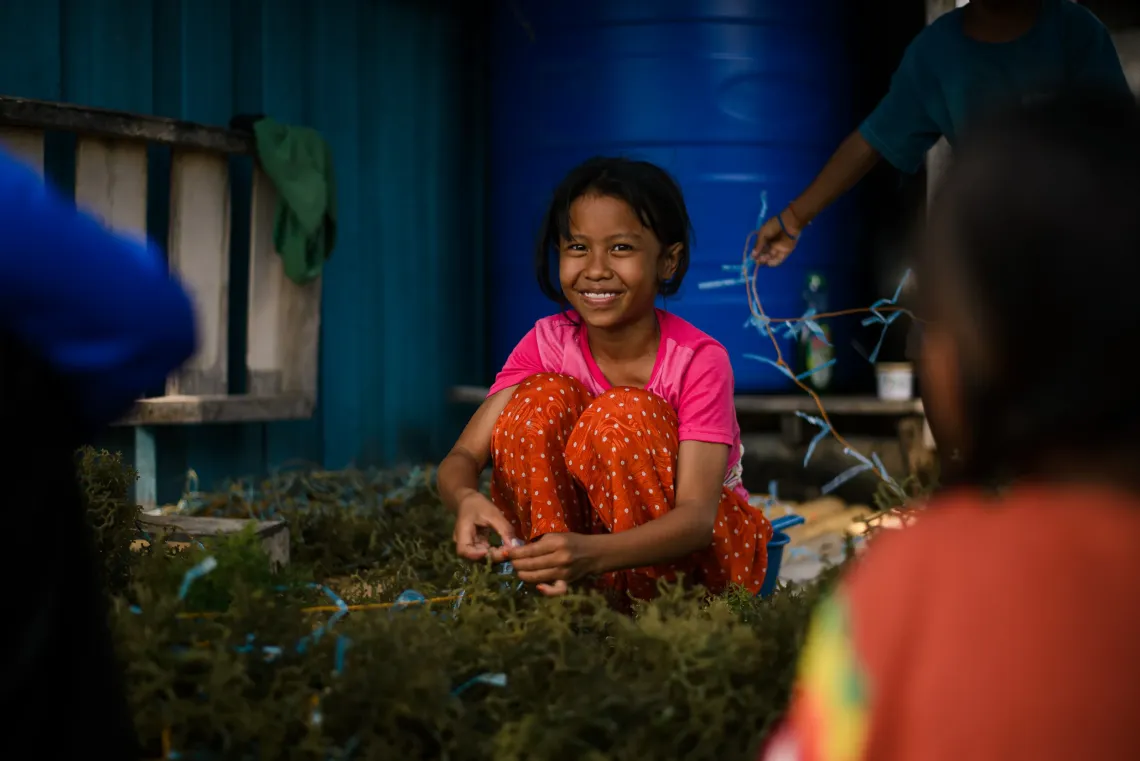
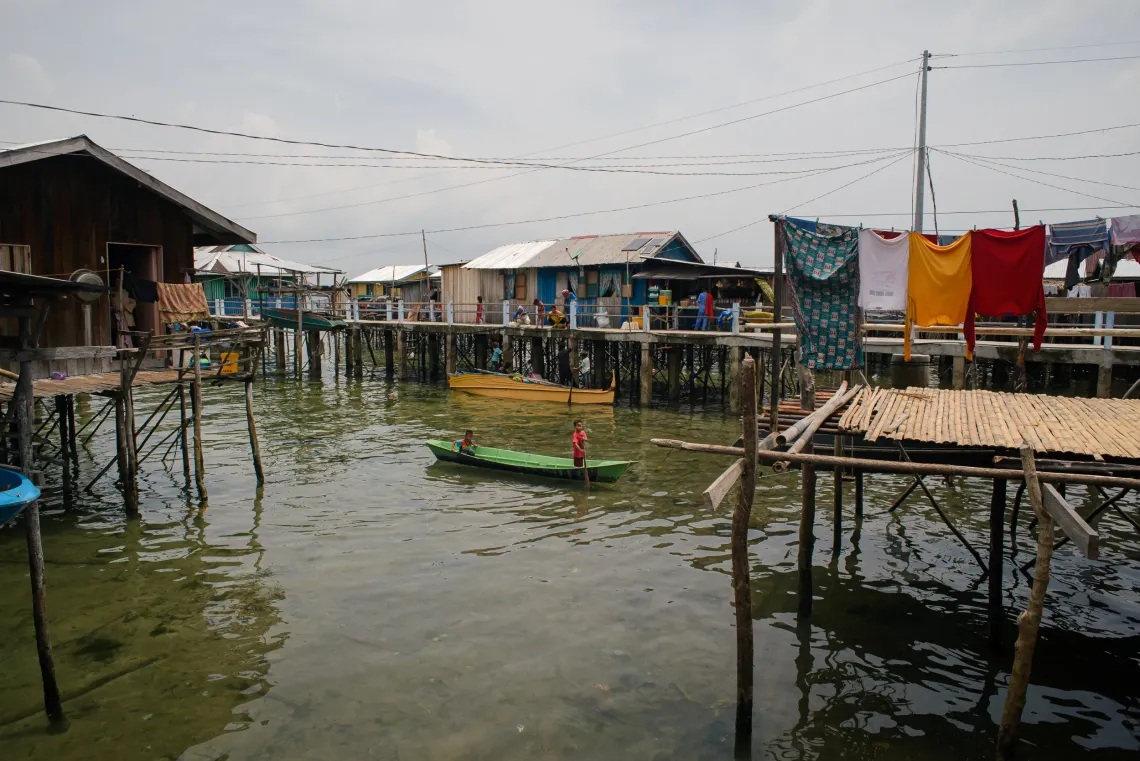
Their everyday lives show both the strength and curiosity of children in Bangsamoro communities and the urgency of the choices facing the region’s leaders. The Bangsamoro has just held its first parliamentary election, marking a significant point in the region’s transition. Yet this story is not about an election. It is about what children are asking from those entrusted to lead.
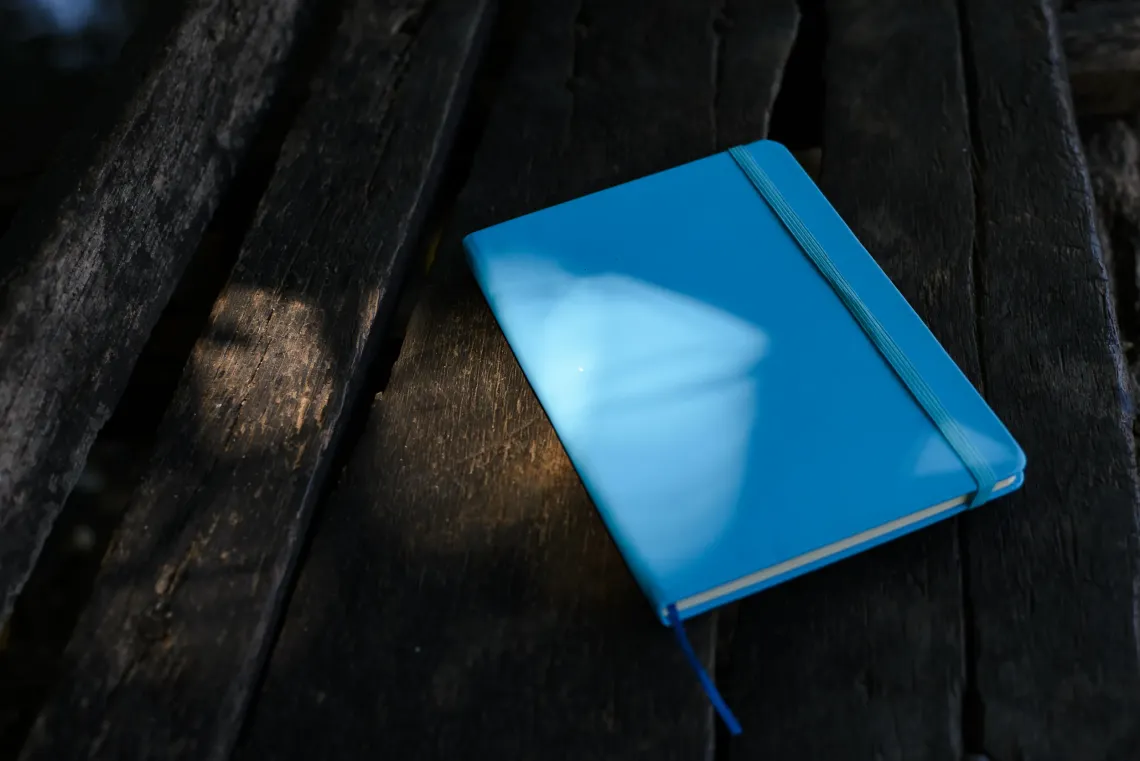
Though separated by islands, mountains, and distance, the children contributed their messages through this single notebook. Its pages hold letters and drawings addressed to Bangsamoro leaders.
Together, they form a record of the rights, services, protections and opportunities that children want decision-makers to prioritize.
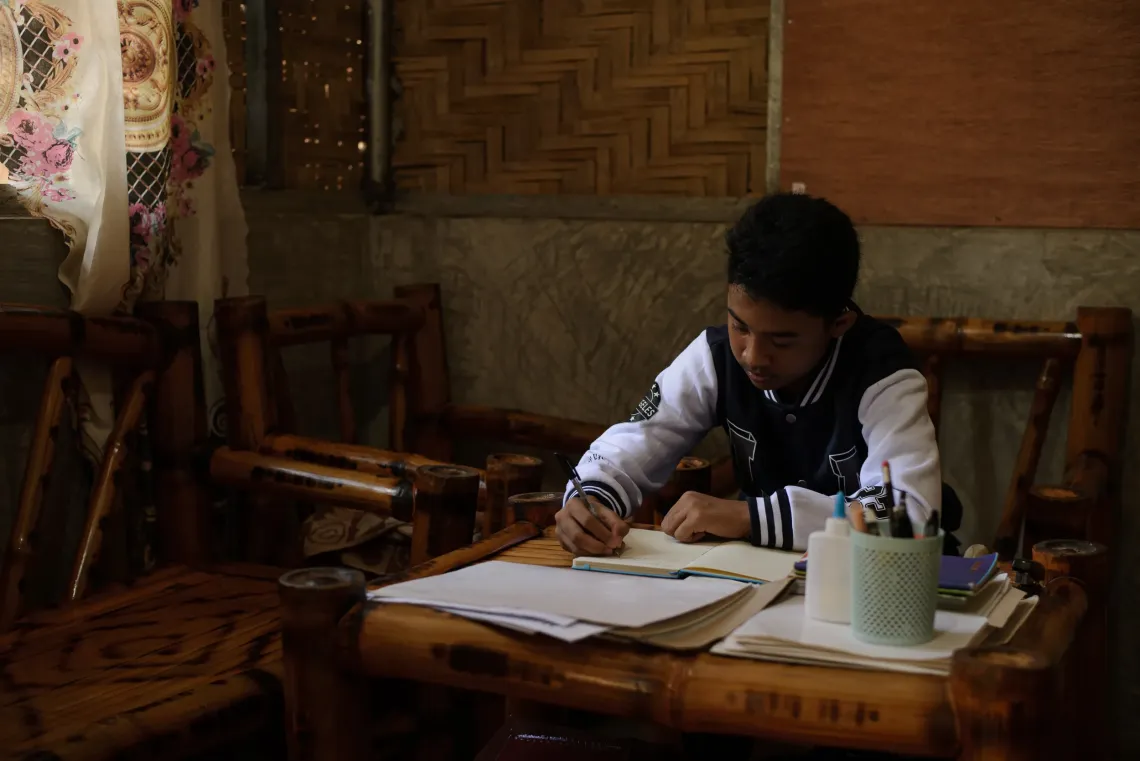
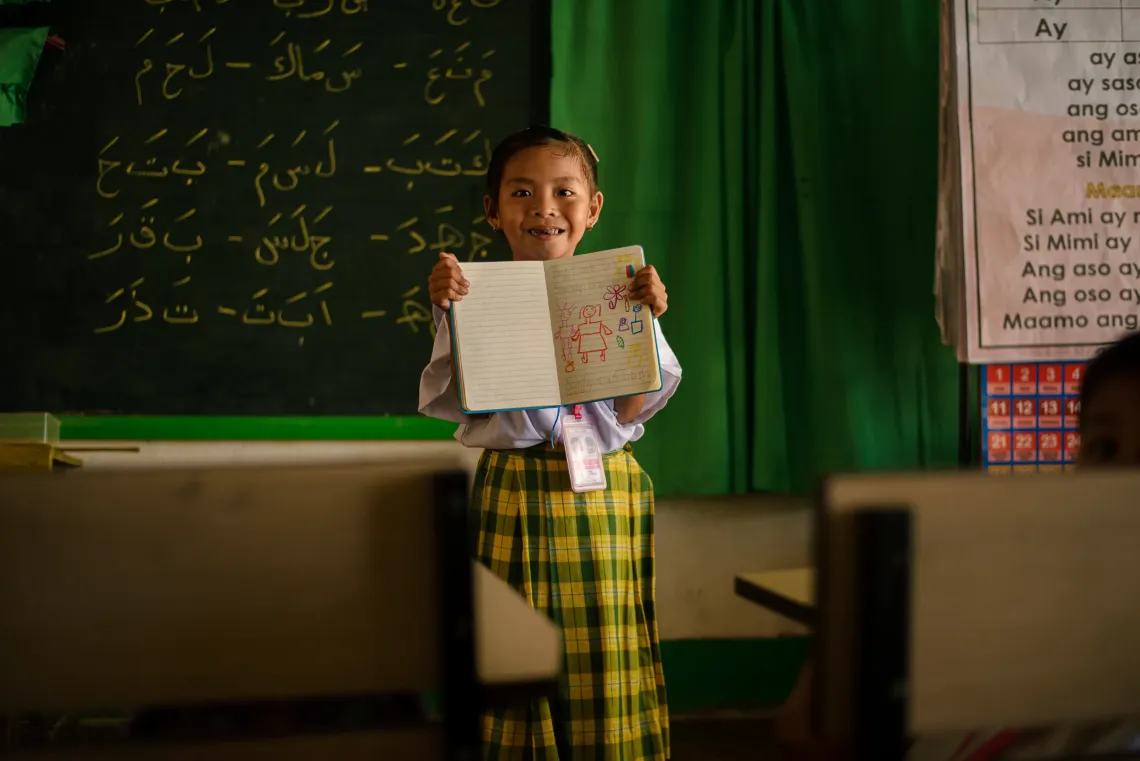
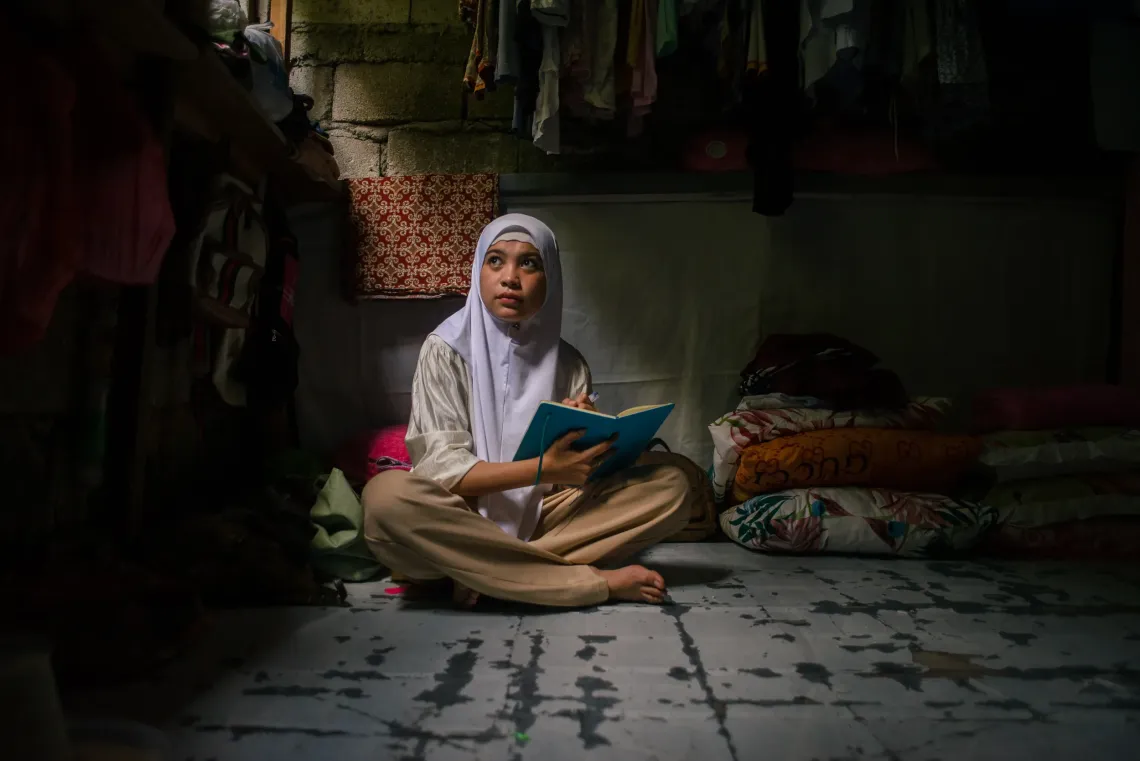
The children did not know one another before the notebook reached them.
Each wrote independently, in different places and on different days.
Together, their messages span nearly every part of a child’s life: health, education, safety, inclusion and a sense of belonging.
Basic services that reach every child
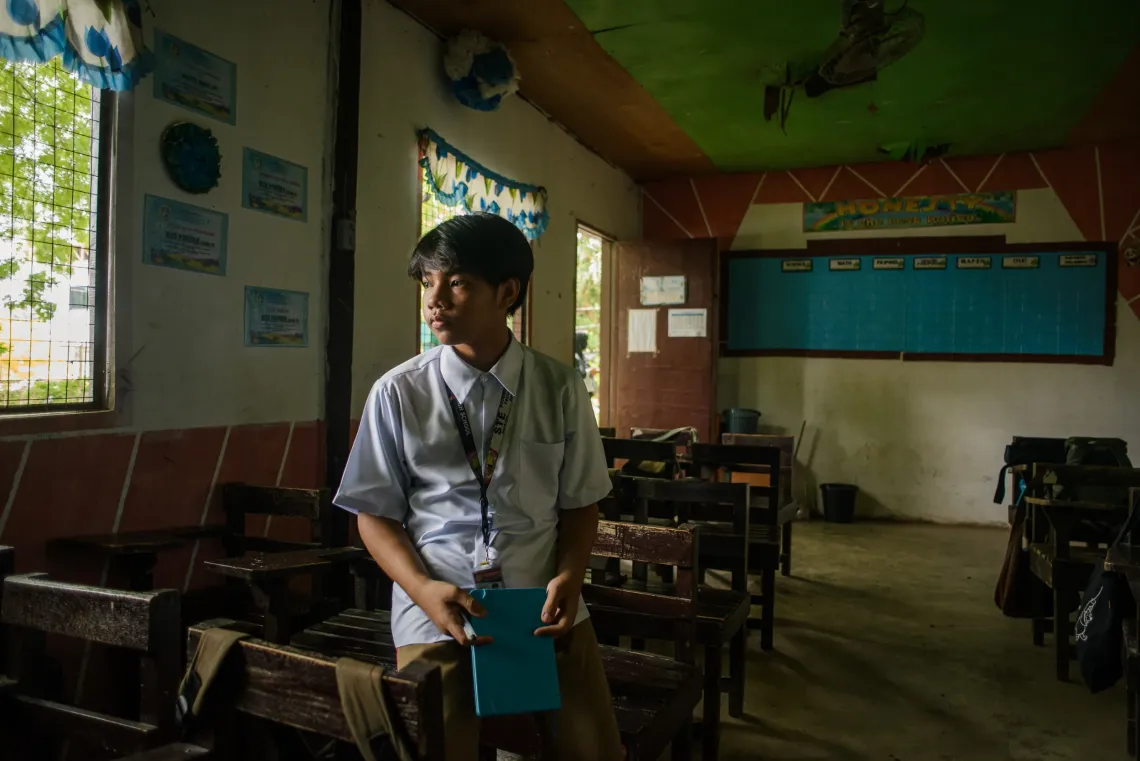
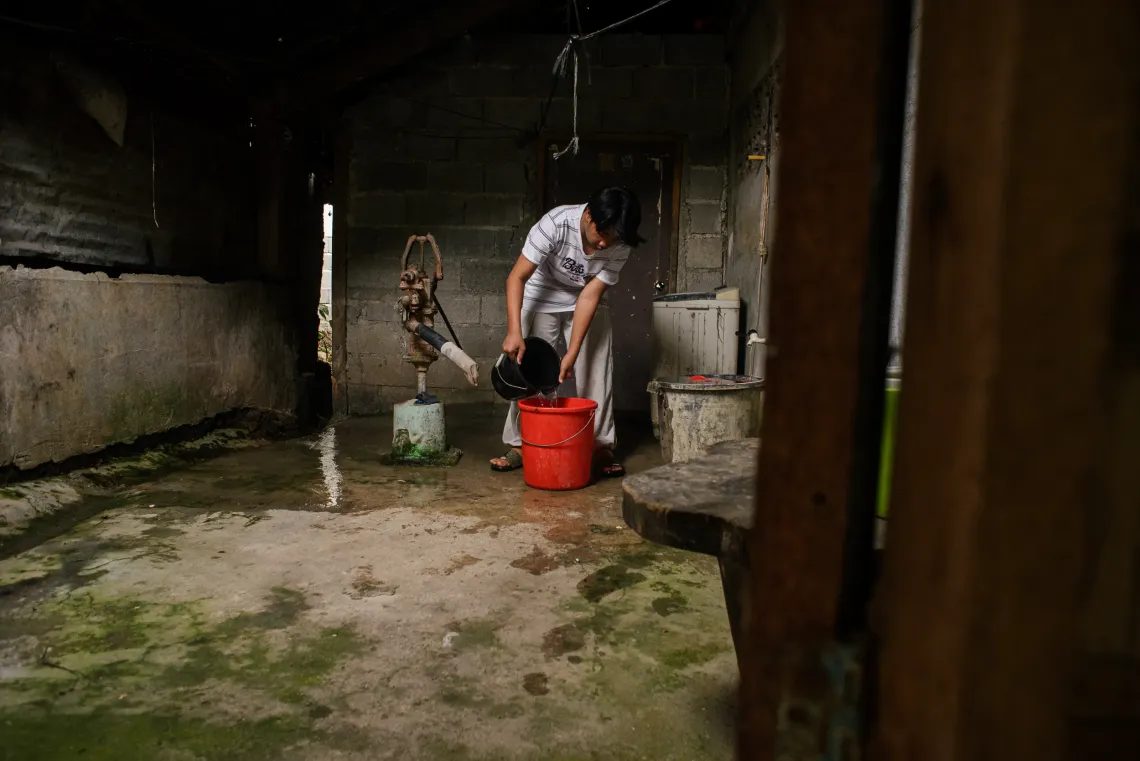
Thirteen-year-old Cotchoy of Malidegao in the Special Geographic Area hopes Bangsamoro leaders will prioritize children’s health and nutrition. He also wants the community’s water shortage addressed through more water pumps that can provide clean water, especially for children.
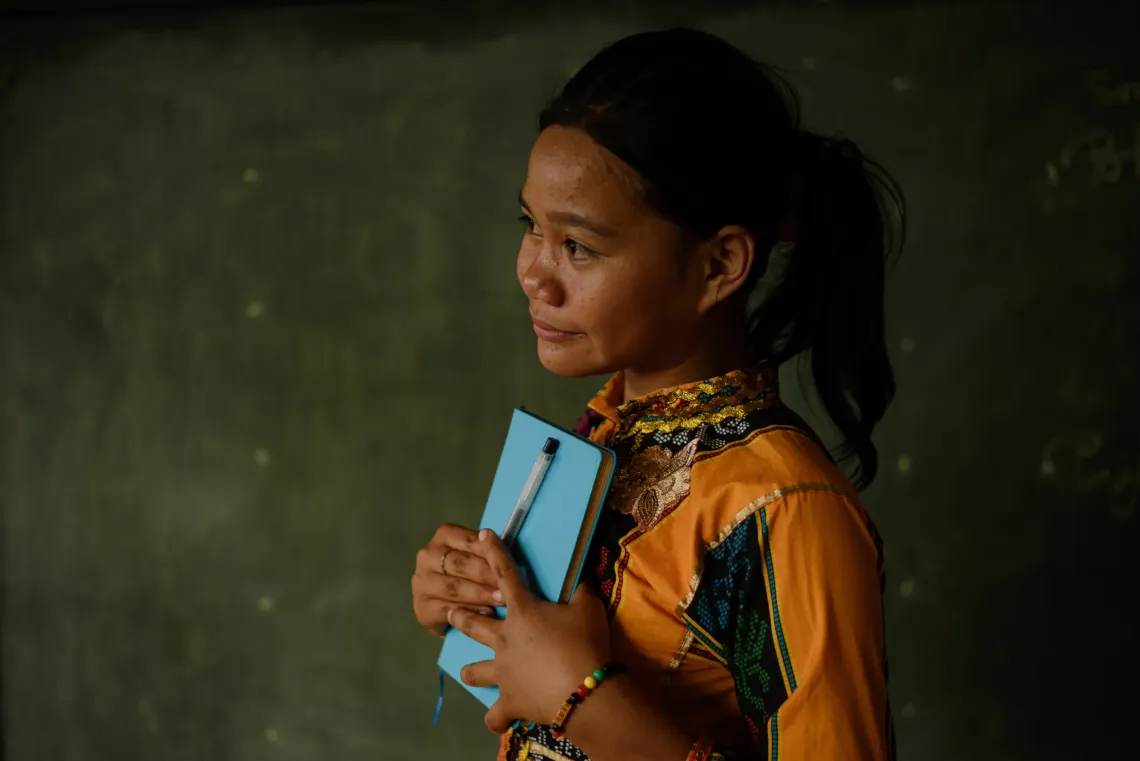
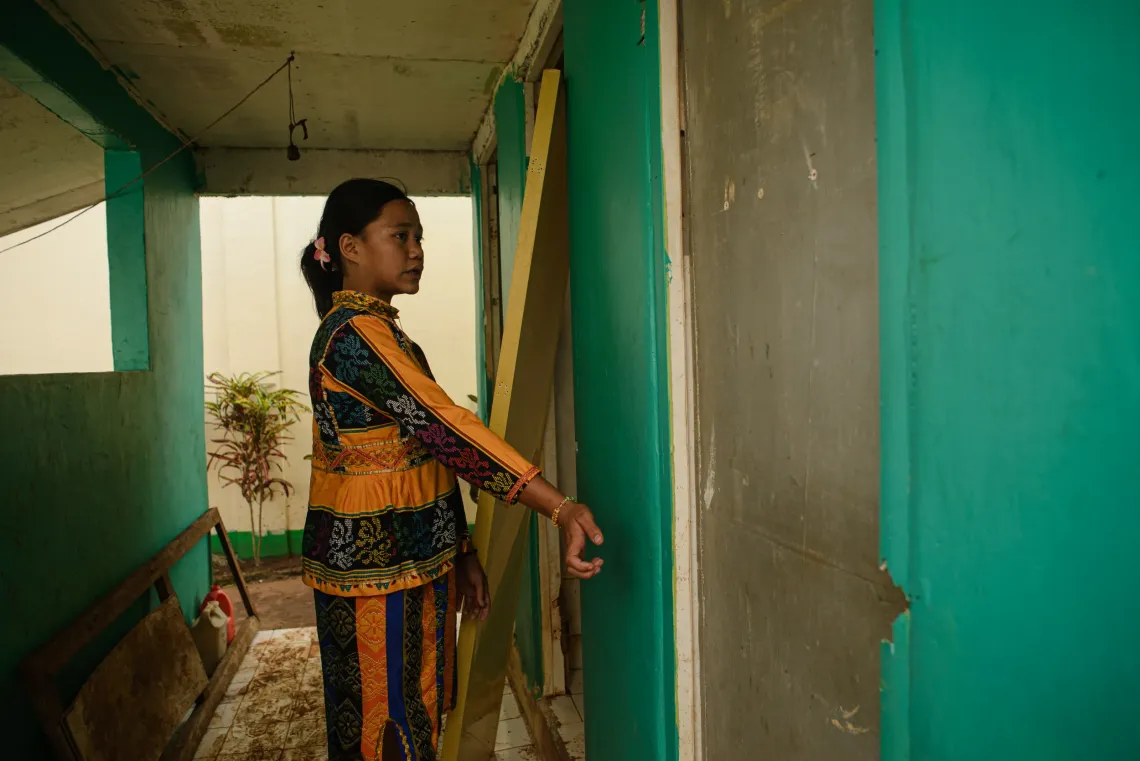
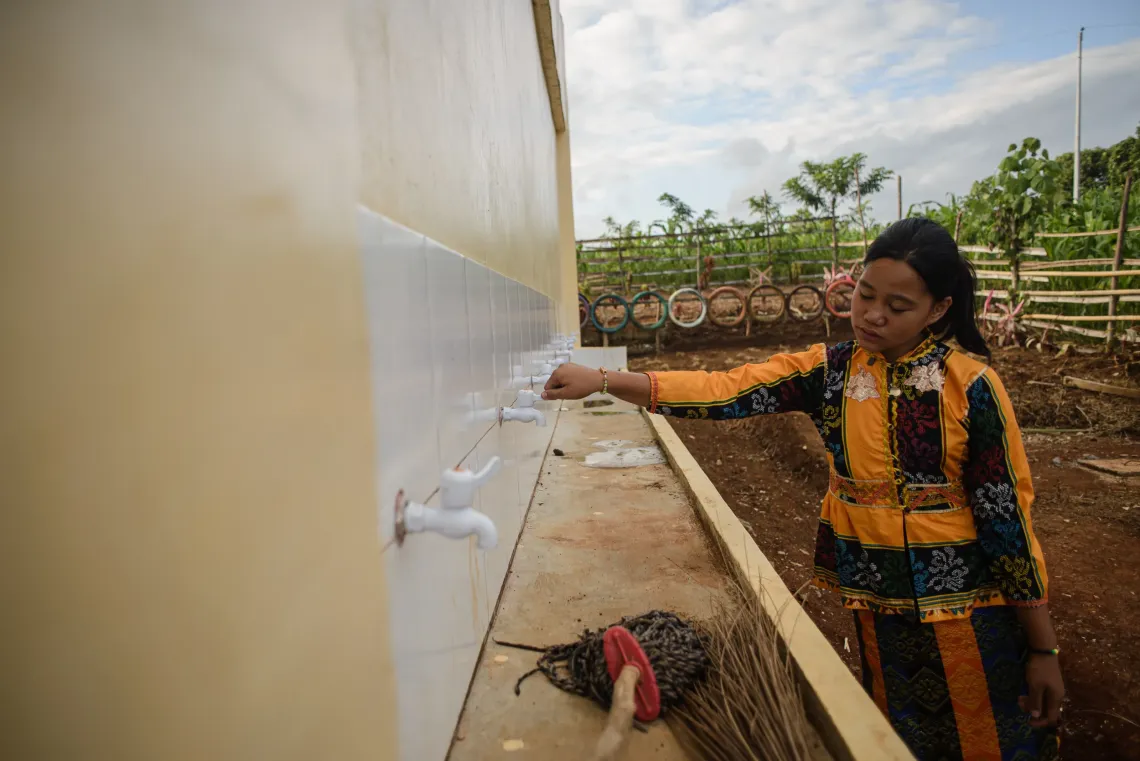
Eleven-year-old Sharmaine, a member of the Teduray community from Ranao Pilayan in Upi, Maguindanao del Norte, says the main problems at her school include a lack of potable water and damaged toilet facilities. “There are faucets, but they do not have water. We get our water by collecting rain in drums,” she says.
The water is insufficient for daily use. When it runs out, students must fetch water from nearby wells outside the school. “I hope that our classrooms will also have more chairs and more teachers,” Sharmaine adds. She says Wi-Fi access would also help improve children’s education.
Inclusive learning with dignity
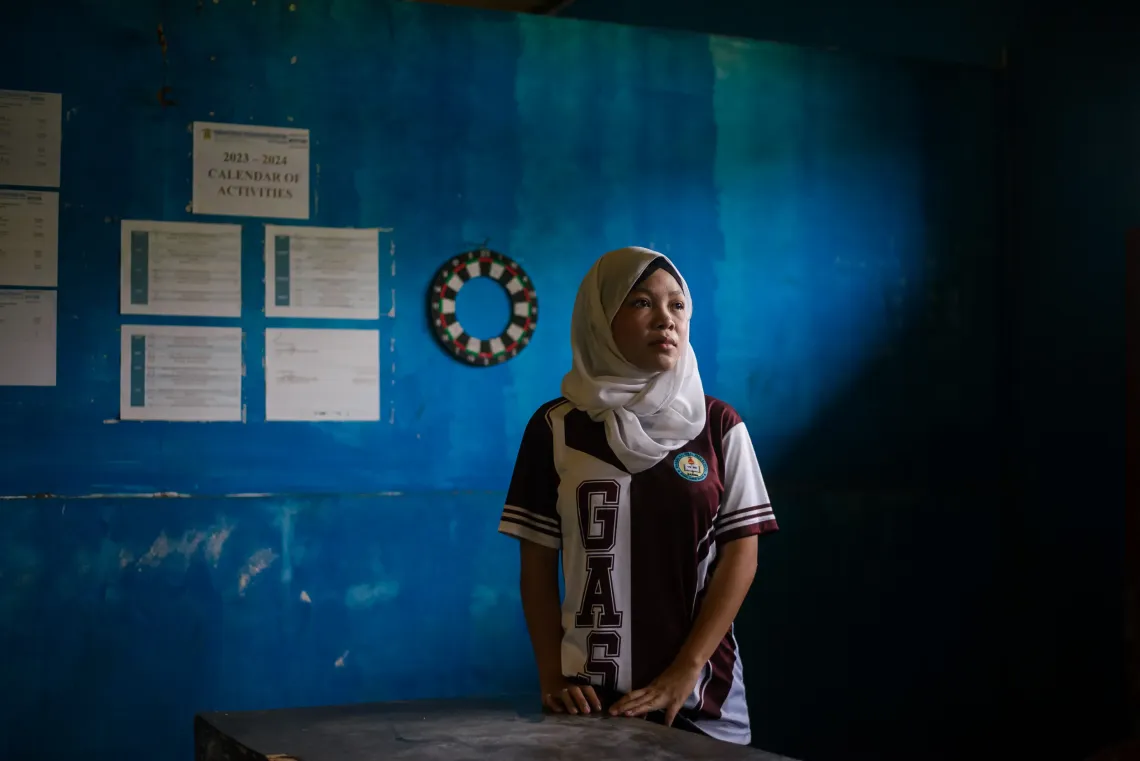
Sharika, 16, a Grade 11 student from Mangal in Sumisip, Basilan, dreams of becoming a nurse so she can help her family and community. Financial constraints leave her uncertain whether she can continue her studies. She hopes her school will have a proper library where she can improve her learning, especially her English.
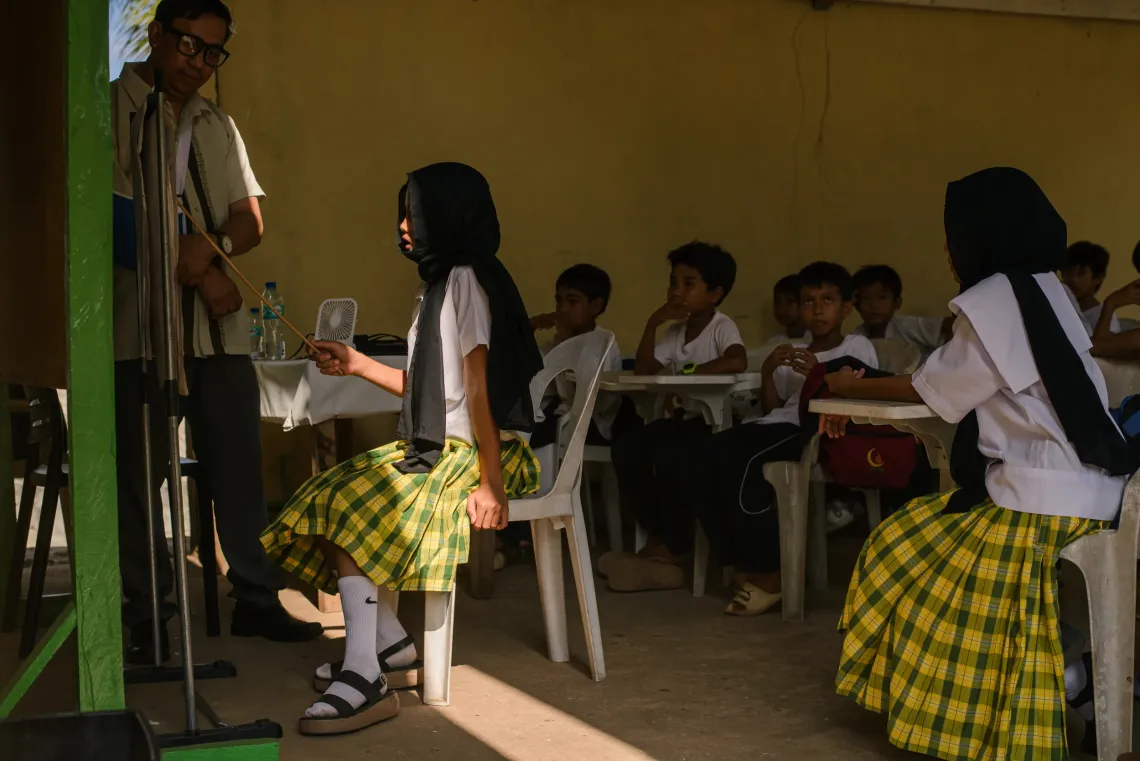
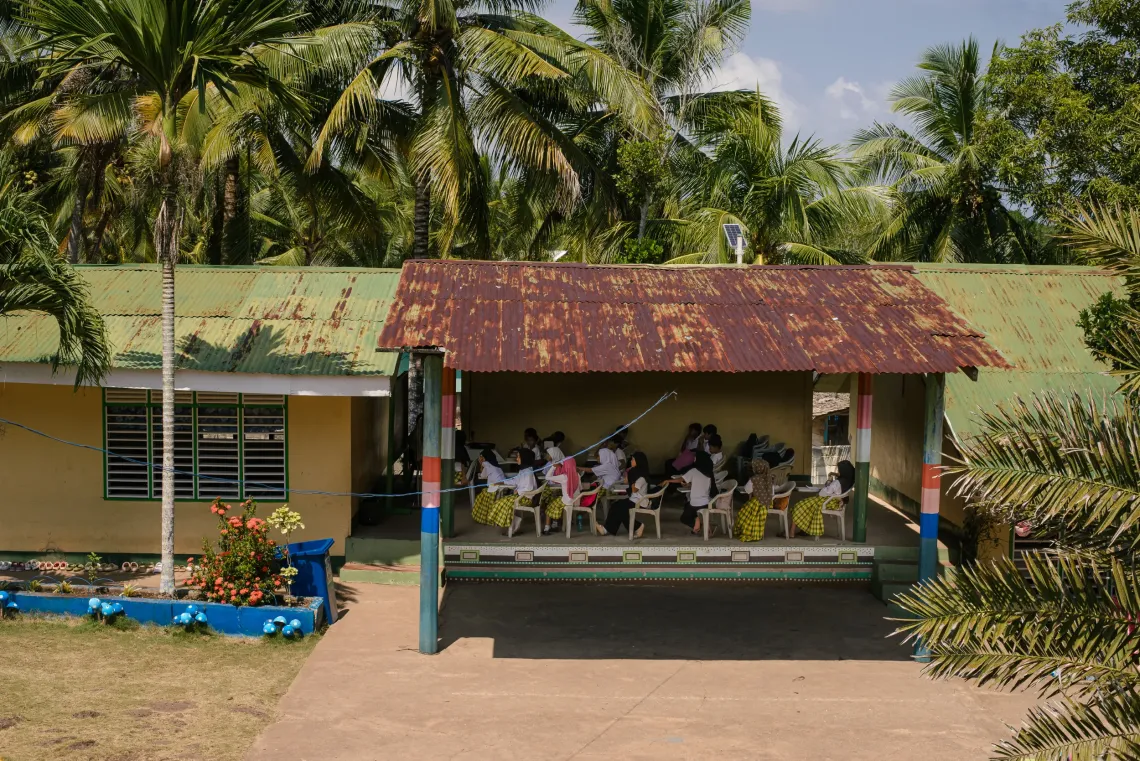
In Lukbait, Sumisip, Basilan, one class is held on an old open stage with a rusty roof and no ceiling. Students read and attend lessons in the heat, in a space that demonstrates how basic school conditions can affect a child’s ability to learn.
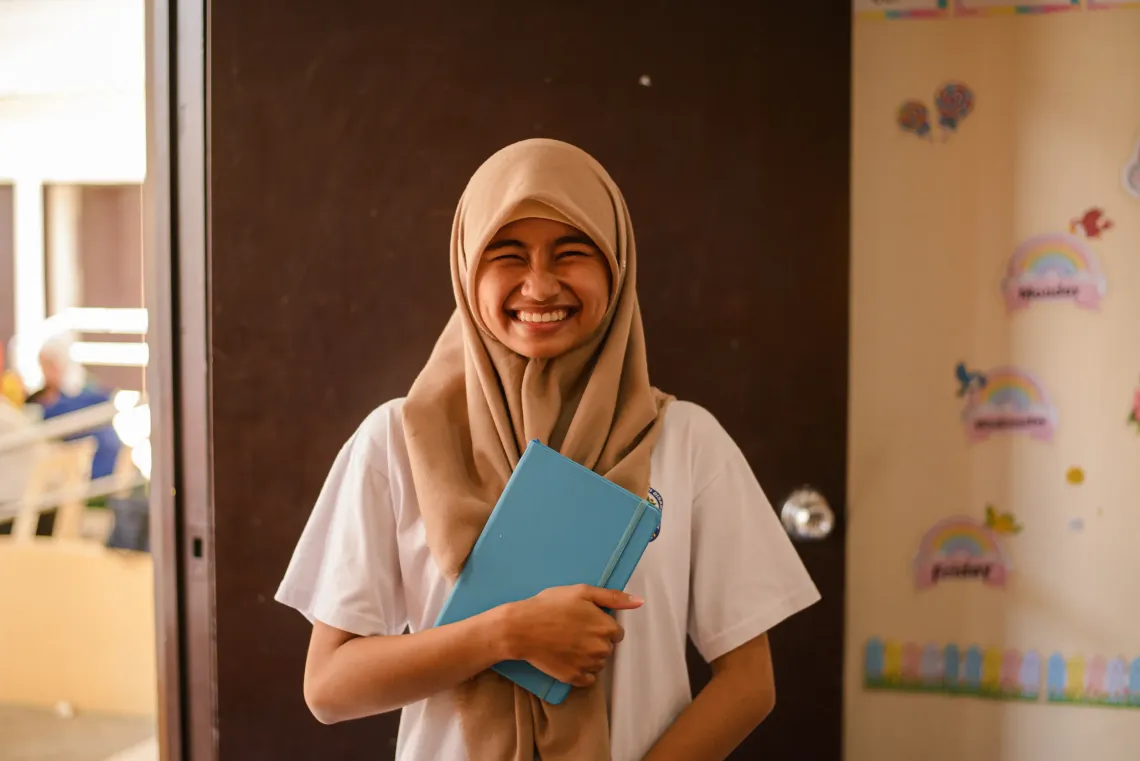
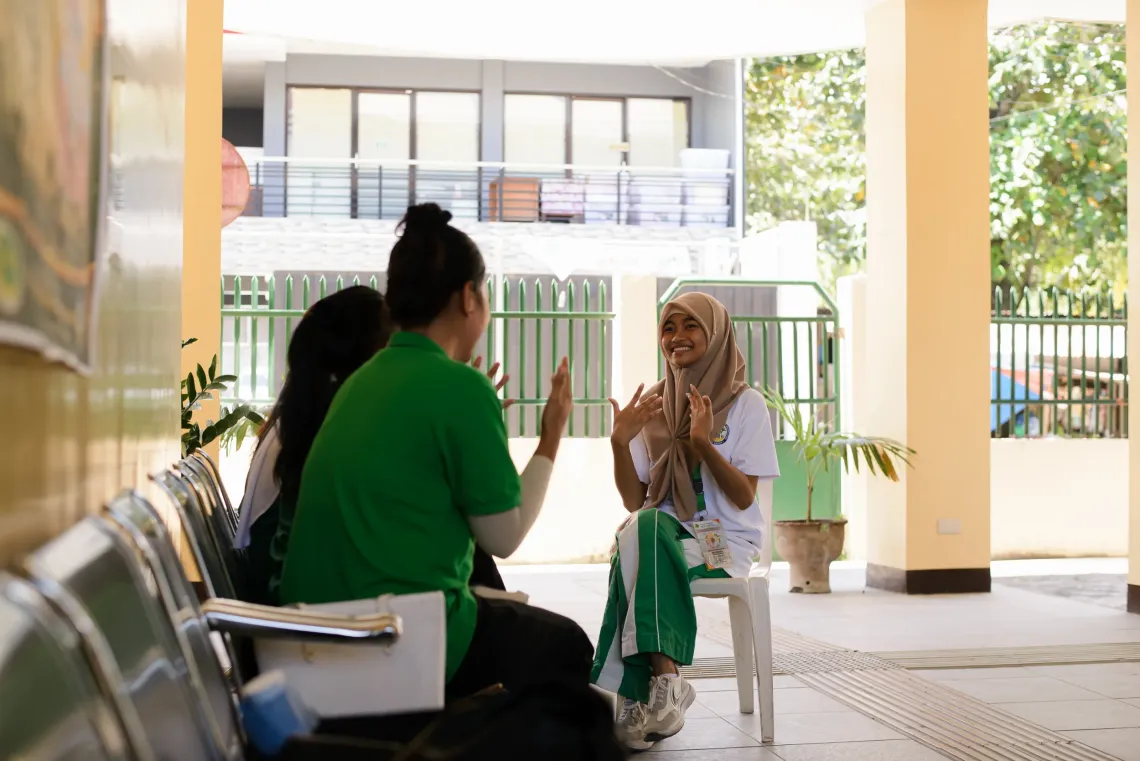
In Cotabato City, Sitti, a young deaf student who attends the Center for Persons with Disabilities, hopes for greater support for children and young people with disabilities. “As a deaf person, I have experienced challenges in communication, especially when people do not understand sign language,” she says.
Sitti believes that training more people to use sign language in schools, hospitals and other public spaces can help children and young people with disabilities grow and pursue their dreams. She adds that involving them in decision-making can help build an inclusive and progressive Bangsamoro where no one is left behind. “Hearing our voices promotes equality and respect,” Sitti says.
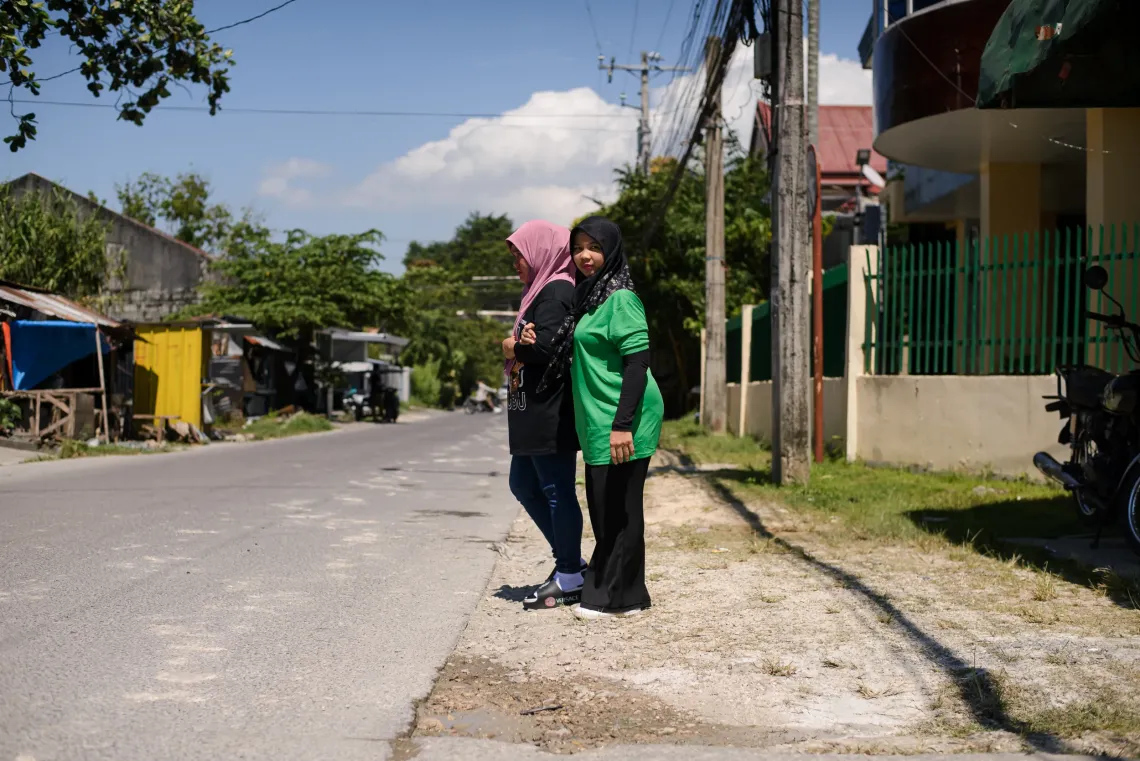
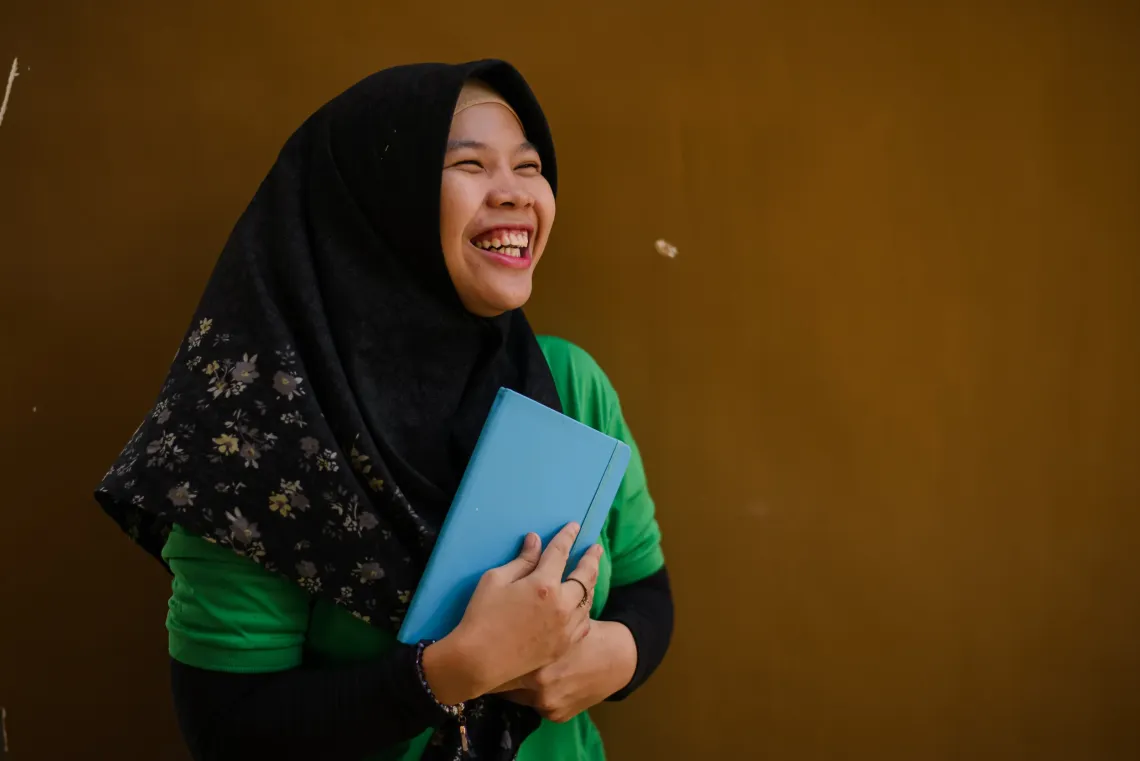
“I am shy, and I don’t socialize because I feel like I don’t belong,” says Anida, 17. She has difficulty standing and walking independently and relies on her older sister for support. Joining other young people at the centre helped her feel welcome and recognize that her disability does not define her.
Anida hopes leaders will provide more public signage and accessible facilities. “Without them, I feel like I am not allowed. I don’t feel welcome, and it’s hard for me to keep up with others,” she says, describing the barriers she encounters in public spaces.
Growing up safe
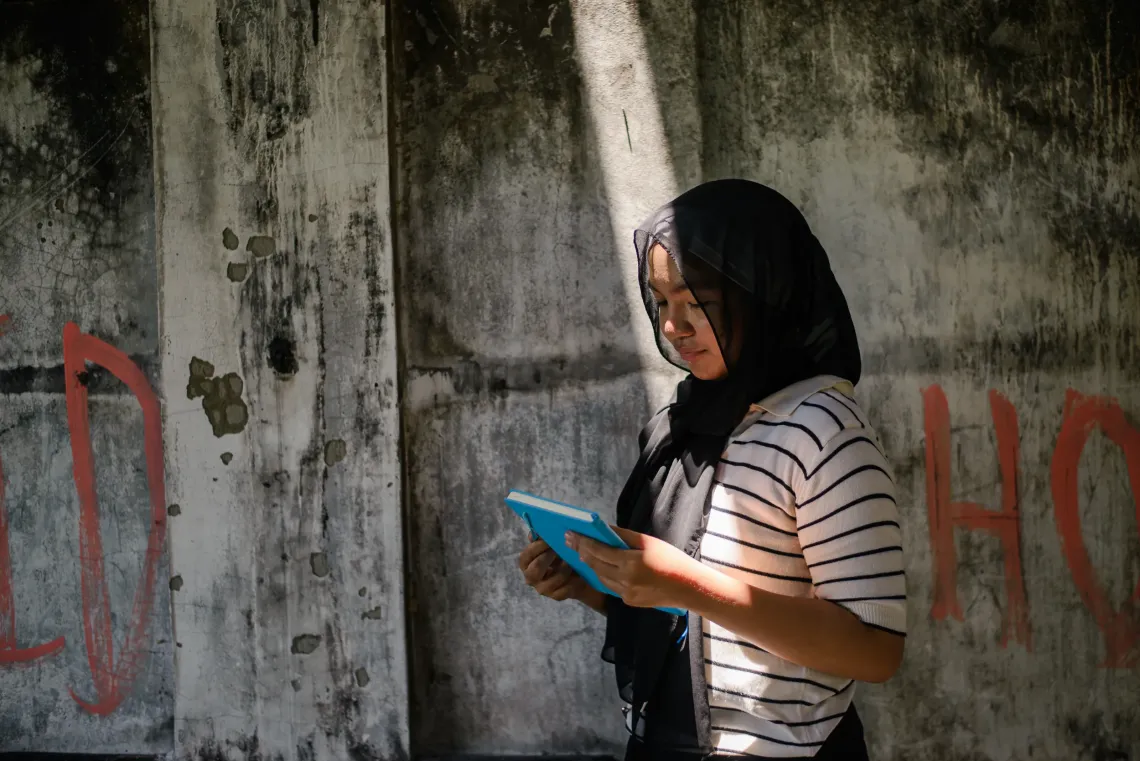
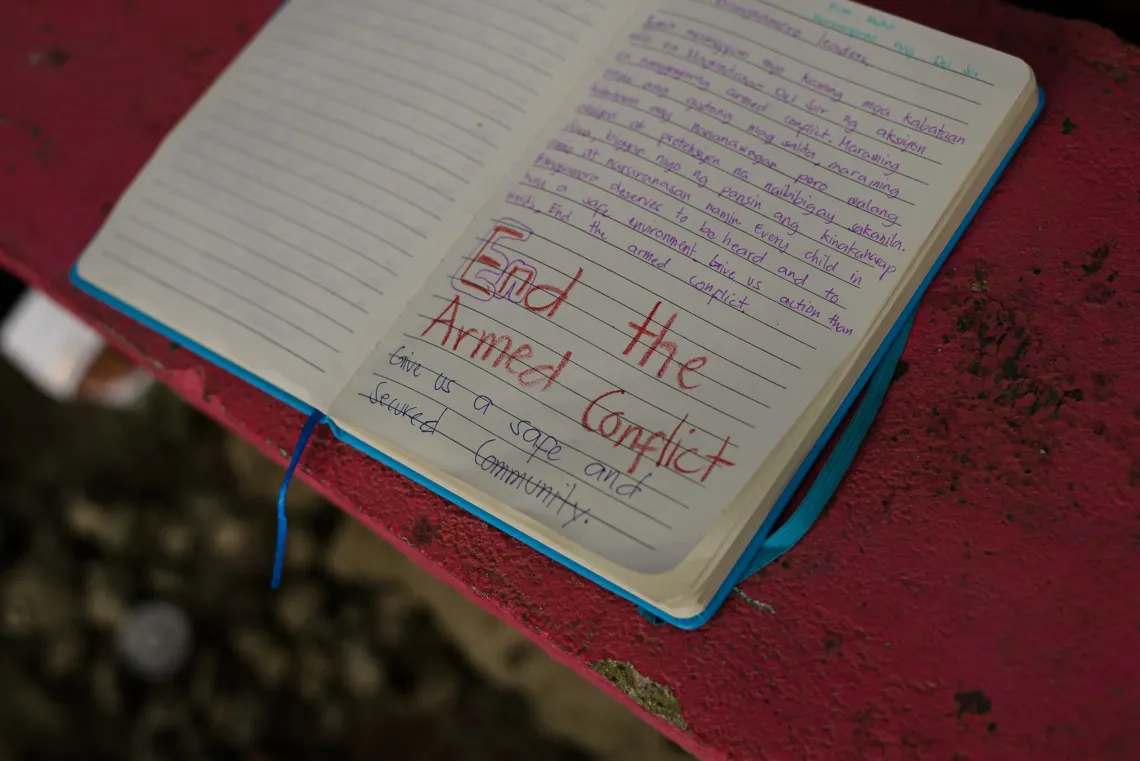
In Mamasapano, Maguindanao del Sur, Misha, 16, a student council member, describes what the notebook means to her. “The notebook helps us express the thoughts that we can’t express, or our voice can’t deliver well. As a youth, I am very much aware that we have our own capabilities to share our ideas and raise our advocacies,” she says. “It helps us say what we need to say and express the fear we feel every day.”
Misha hopes Bangsamoro leaders will help bring armed conflict in her community to an end. She says children should not have to live in fear and should be able to feel safe and secure.
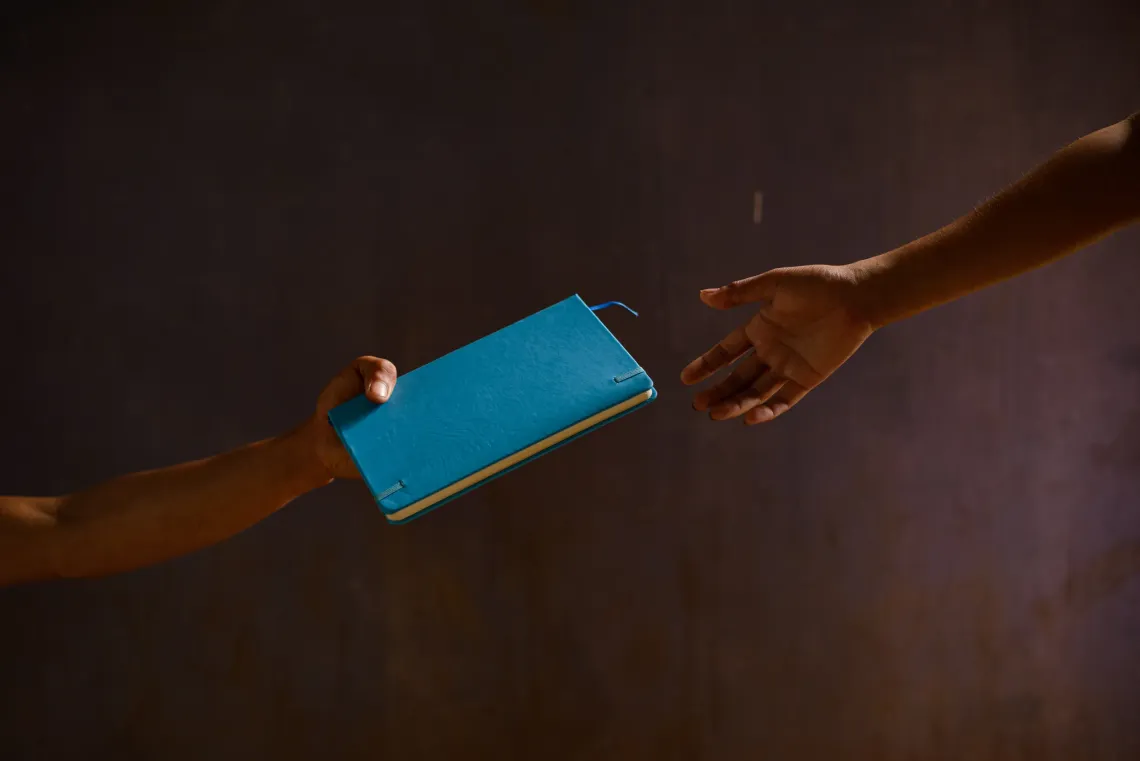
As the notebook moved from one province to another - from one child to the next - it became filled with more than drawings and handwritten letters. It carried calls for safer schools, clean water, peace, accessible services, inclusion and the chance to continue learning.
“For me, the notebook is truly important. It’s not just an ordinary notebook. It’s a small space where I can freely write my dreams, concerns and hopes for the youth of the Bangsamoro, including myself,” says Rai, 15, who wrote her letter at home in Bongao, Tawi-Tawi.
For Rai, the notebook is a chance to be heard, not just read. She hopes any leader who encounters it will “not just read it, but listen and pay attention to it,” and that it will serve as “a reminder that the voice of the youth matters and should be listened to.”
The notebook may have completed its journey across the Bangsamoro, but the children’s messages should continue to travel. They call for schools where every child can learn, communities where children feel safe, services that include everyone and opportunities that allow young people to fulfil their potential.
As a new generation of leaders take their seats and shape the Bangsamoro’s next chapter, these children’s voices offer a powerful reminder: the future that leaders are called to build is the same future these children are already growing into.